
All categories
Featured selections
Trade Assurance
Buyer Central
Help Center
Get the app
Become a supplier
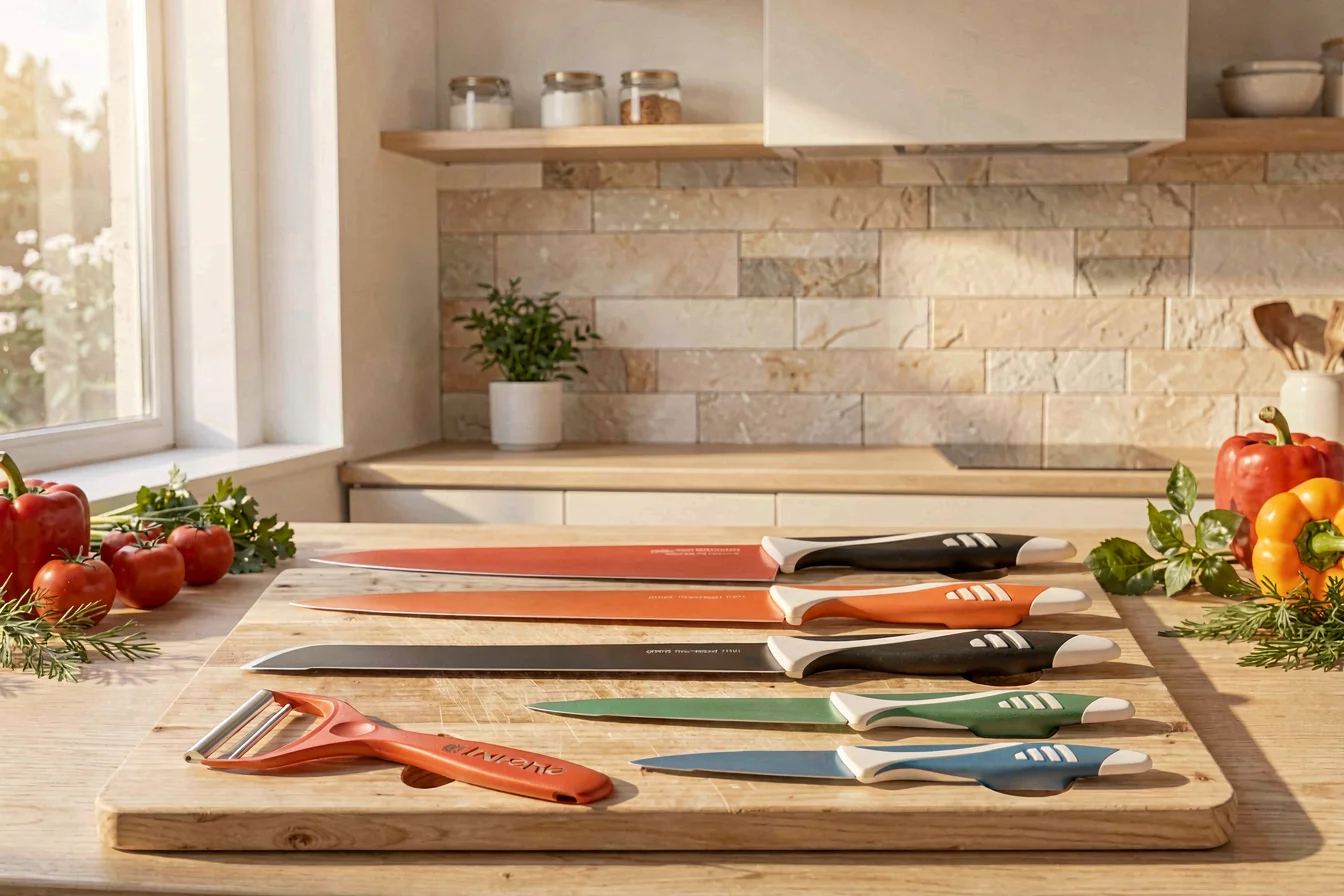
Swiss Line Knife solutions are surging in popularity for contemporary efficiency, color-coded safety, and maintenance ease—making them ideal for fast-paced kitchens leaning on hygiene and streamlined workflow. In contrast, traditional kitchen knife options remain preferred by chefs who demand heritage craftsmanship, bespoke feel, and multi-generational durability. The right choice hinges on your buyers’ priorities: ergonomics and trend appeal versus tradition and blade legacy, against the backdrop of changing consumer and B2B procurement trends[1][2].
In fast-evolving kitchen environments, the value of a reliable blade cannot be underestimated. Swiss line knife systems are engineered for users prioritizing hygiene, efficiency, and modern aesthetics, offering lightweight, dishwasher-safe designs and distinct color coding to prevent cross-contamination—features seeing surging demand, especially in commercial and home use after the pandemic[2]. Meanwhile, traditional kitchen knife solutions encompass a vast range: from mass-market German workhorses to ultra-premium Japanese hand-forged blades, with unrivaled steel variety (high-carbon, stainless, or specialty blends) and handle customization for true culinary fidelity[3][5].
The challenge in sourcing is balancing contemporary ergonomic advantages with legacy craftsmanship—a dilemma intensified by the growing professionalism among home chefs and the ongoing disruption in the B2B kitchenware sector. While Swiss Line models deliver immediate, low-maintenance performance and style-driven appeal, Traditionals are favored for their tactile feedback, superior edge retention (in high-carbon variants), and cultural significance, though often at the cost of added maintenance. Innovations from Swiss Line (like polypro handles, anti-slip grips, and rainbow palettes) address workflow and safety efficiency, whereas Traditional knives rest their case on hand-feel, balance, and “knife-for-life” investment logic[2][6].
| Feature | Swiss Line Knife | Traditional Kitchen Knife |
|---|---|---|
| Blade Material | Hardened stainless steel, factory-set edge | High-carbon, stainless, or specialty steels (varied sources) |
| Handle Design | Polypro, color-coded, ergonomic grip | Wood, resin, composite, or metal; often custom/bespoke |
| Maintenance/Upkeep | Dishwasher-safe, rarely needs sharpening, low care required | Hand-wash recommended; regular honing/sharpening required |
| Ergonomics & Safety | Designed for fatigue-free prolonged use, anti-slip | Grip/style varies; classic forms can fatigue with all-day use |
| Lifetime Expectancy | 10–15 years (with minimal maintenance) | Decades to a lifetime (with attentive care) |
| Purchase Logic | Best for workflow safety, cost-sensitivity, multi-user kitchens | Best for culinary passion, skill-building, and legacy gifting |
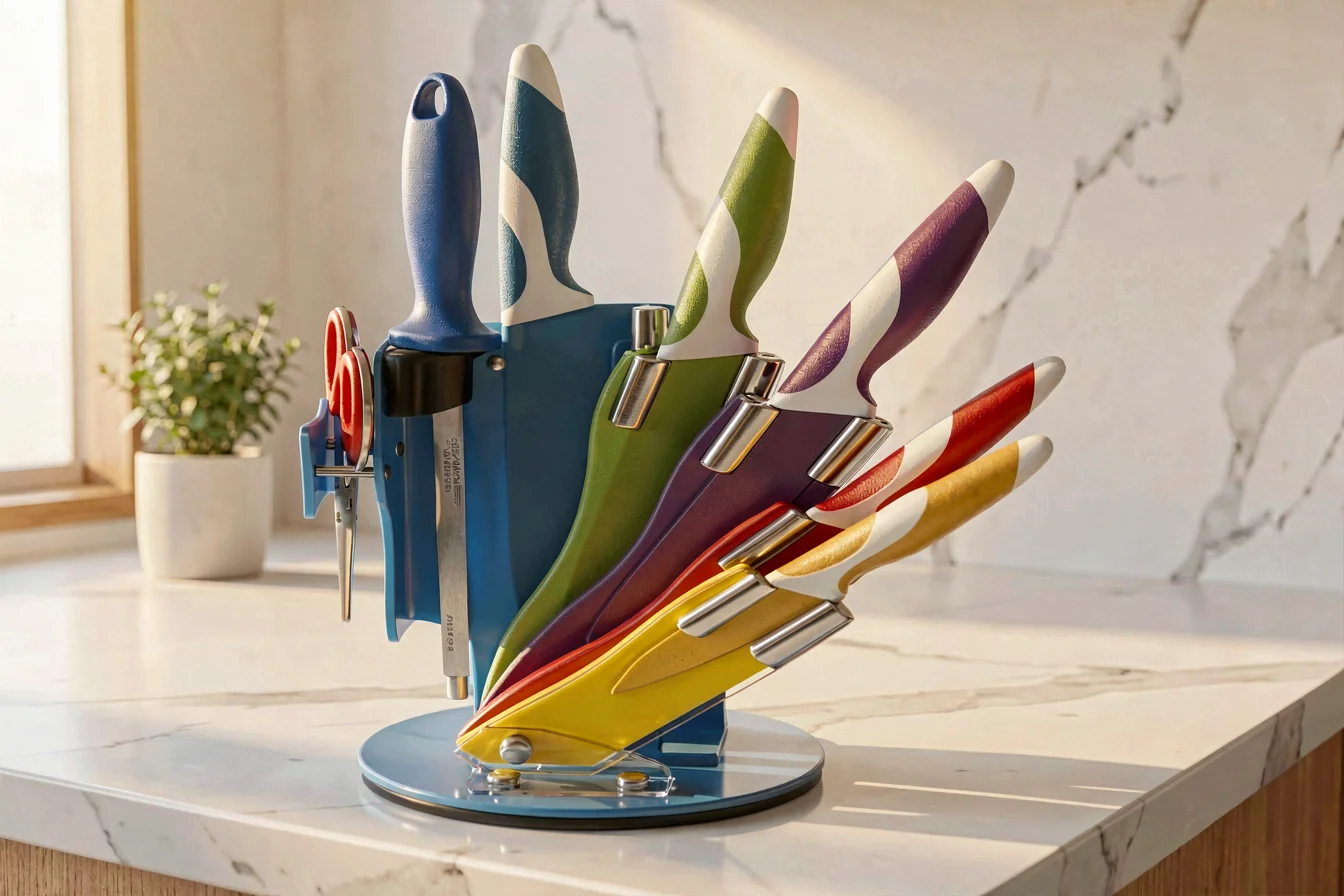
Durability is a critical procurement concern, influencing both direct cost and user experience. Swiss line knife solutions (such as the Victorinox Swiss Classic set) are designed for robust everyday use: dishwasher-safe, rust-resistant, and engineered for minimal sharpening, these knives are optimal for busy, shared kitchens demanding repeated cleaning and consistent edge utility[2]. With a typical lifespan of 10–15 years under normal conditions and a lifetime warranty for defects, Swiss Line knives maximize uptime and minimize replacement rates.
In contrast, traditional kitchen knife durability hinges on blade material and maintenance: high-carbon and premium stainless versions can legitimately last decades—sometimes generations—but require attentive hand-washing, regular honing, and skilled sharpening to maintain performance[9]. Neglect shortens their lifespan, and cheaper traditional sets often degrade quickly if not properly cared for. Application scenarios also shape the procurement value: Swiss Line excels in institutional, catering, or family kitchens, where hygiene and task differentiation are paramount; Traditionals thrive in chef-driven or enthusiast settings, providing superior edge retention, grip variety, and classic control.
Over five years, cost calculations must account for initial outlay, sharpening tools or services, and replacement rates. The following table provides an actionable financial overview, supporting buyers aiming to balance up-front savings against lifecycle value.
| Cost Factor | Swiss Line Knife | Traditional Kitchen Knife |
|---|---|---|
| Initial Set Cost | $30–$60 (3-pc set) | $40–$400+ (depends on steel, forging, country) |
| Annual Sharpening | $0–$5 (rarely required, factory-sharpened) | $10–$30 (whetstones or professional service) |
| Average Replacement Rate | 1/decade (lifetime defect replacement) | None if maintained, but $20+/knife if neglected |
| Hidden Costs | None (dishwasher, color prevents misuse) | Sharpening & hand-washing time; cutting board needs |
| Estimated 5-Year TCO | $45–$65 | $60–$500+ |
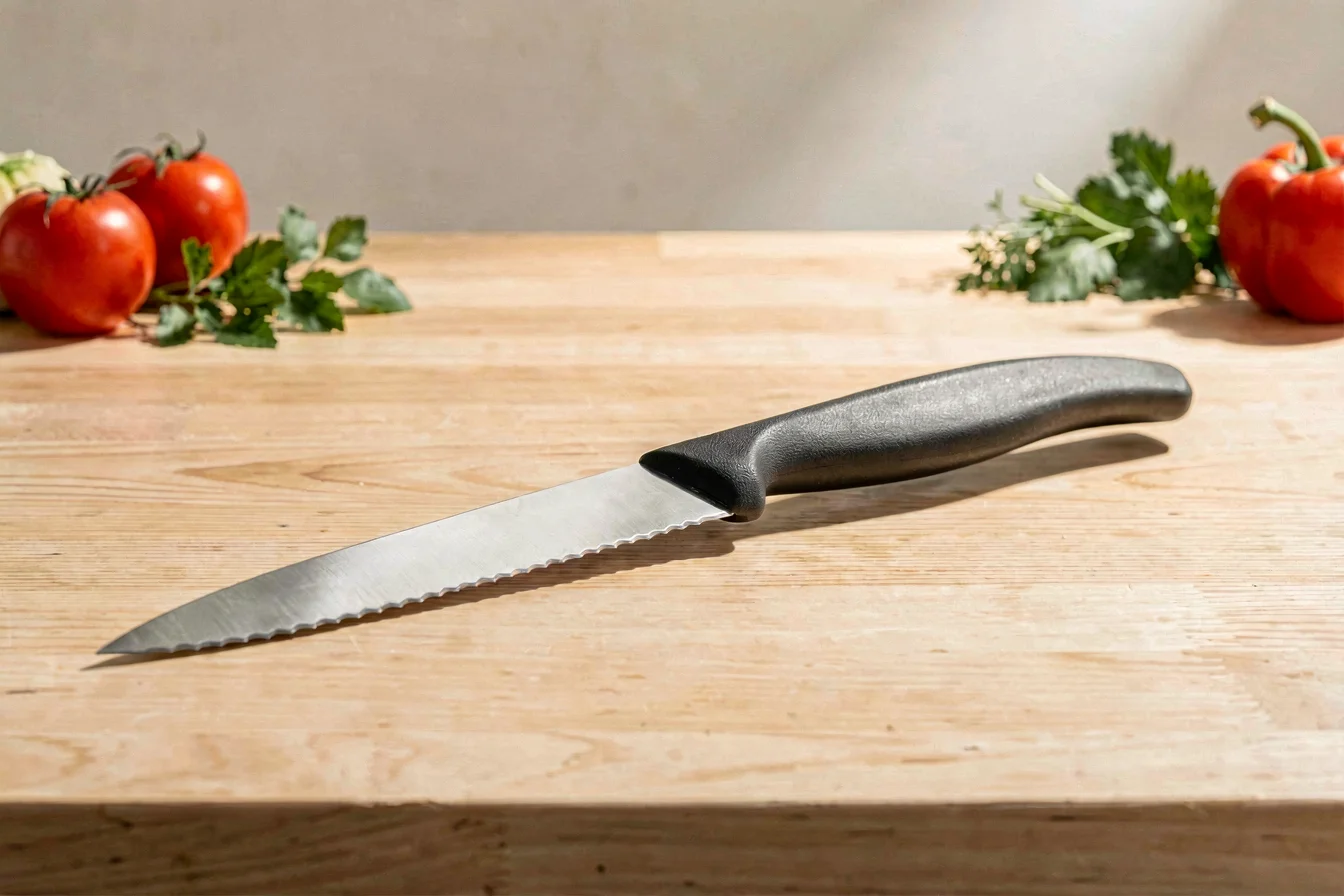
The modern procurement landscape values both versatility and specialization, creating unique footholds for swiss line knife and traditional kitchen knife solutions. Swiss Lines capture millennials, Gen Z, and institutional buyers who prioritize visual clarity, food safety, and seamless cleanup—attributes magnified by the color-coded, ergonomic trend. Traditionals, however, remain strong in markets embracing “craftsmanship authenticity” and in B2B supply chains servicing culinary schools, fine-dining, and legacy hospitality brands.
Evolving market stats confirm this landscape shift: global Google search interest in “Swiss Line Chef Knife” has outpaced “Traditional Kitchen Chef Knife” consistently since mid-2025, peaking at 100 in January 2026, compared to 66 for Traditional—driven by home upgrade booms, health safety trends, and the rise of food influencer culture[1]. Particularly for procurement, this signals growing urgency to stock Swiss Line SKUs for entry-to-mid B2B buyers, while maintaining Traditionals for gourmet and specialized verticals.
Search Interest over Time: Swiss Line Chef Knife vs. Traditional Kitchen Chef Knife
Actionable Insight: Consider prioritizing Swiss Line Knife SKUs for retail, e-commerce, and institutional stocking through Q3 2026; simultaneously, protect Traditional Kitchen Knife offerings for high-value, experience-driven shopper segments[1].
Social insights bring procurement data to life. Across Reddit and other specialist boards, swiss line knife adoption is frequently cited for accessibility: “I want the thinnest, medium-sized Swiss Army knife with scissors, and a Skeletool. Get one of the color sets for safety and it’s perfect for my shared kitchen,” reflects both function-first logic and safety needs[4]. Durability anecdotes are strong: “Their quality today is at least as good as ~38 years ago when I got my first one,” and nostalgia threads detail knives being handed down over decades, celebrating Victorinox’s continued reliability[8].
In contrast, traditional kitchen knife communities reveal a reverence for skill, edge sharpness, and legacy: “Japanese knives are generally sharper but not as durable. German knives are generally more durable but will dull quickly,” says one veteran cook, while another buyer persuasively notes, “A cheap fibrox lasts forever but it’s kind of meh. If you want a nice one, you’ll need to give it some love to keep it sharp”[6][9]. Those investing in higher-end Traditionals often express pride and attachment: “I love the forward-leaning balance and already see how much better it is than your typical kitchen knife”[5]. Swiss Line Knives are praised for effortless utility, but Traditional Kitchen Knives inspire a passionate following around edge finesse, heirloom value, and pro-chef cred.
| Dimension | Swiss Line Knife | Traditional Kitchen Knife |
|---|---|---|
| Overall Satisfaction | High (ease, color, safety, ergonomics) | Very high for aficionados (edge, legacy, variety) |
| Most Praised Feature | Dishwasher-safe, lifetime warranty, color coding | Blade geometry, balance, edge retention, brand prestige |
| Common Complaint | Lightness feels 'cheap' to some, lacks 'heft' | Maintenance, risk of chipping (high-carbon steels) |
| Community Recommendation Rate | 80–90% (especially for households, beginners) | 95% in chef/enthusiast circles |
The online cultural pulse is lively: Swiss Line and Swiss Army knives trend on TikTok for color reveals and “kitchen hacks,” while Traditional Kitchen Knives spark viral debates about carbon versus stainless steel, optimal blade shape, and the merits of Japanese versus German heritage. These discussion clusters can inform procurement content strategies and SKU bundling offers for both B2B and DTC segments.
Effective sourcing starts with clear self-assessment. Ask:
Based on cross-platform data, here’s how buyers segment:
| Tier | Recommended Product | Key Reason |
|---|---|---|
| Budget-Friendly ($30–$70) | Swiss Line Knife | Low cost, color coding, dishwashable, high safety for multi-user kitchens |
| Mid-Range ($80–$300) | Traditional Kitchen Knife | Sharpening skill-building, variety in blade/handle, balance for daily cooks |
| Premium ($350+ per piece or set) | Traditional Kitchen Knife | Heritage, gifting, chef-level customization, ultimate edge performance |
Optimization Tips:
Choose Swiss Line for safety-focused, agile procurement and Traditional Kitchen for skillful, experience-driven investments—always matching blade to mission, not just marketing.
As we project into 2026 and beyond, macro trends—urbanization, the “foodie economy,” and supply-chain digitization—are speeding the evolution of the kitchen knife segment. Swiss line knife demand is set to widen, cresting in institutional, e-commerce, and gift markets as younger buyers and organizations prioritize turn-key hygiene, ergonomic appeal, and color safety[1]. Traditional Knife segments, however, retain pricing power: small-batch, region-specific knives (especially Japanese and German) thrive among enthusiast and specialty B2B buyers, as well as legacy retail and culinary education channels.
To maximize sourcing ROI, commercial buyers are urged to forecast inventory cadence based on Google Trends seasonality, leveraging viral moments and social feedback for Swiss Line restocks during food safety or home-improvement peaks. Simultaneously, nurture Traditional Kitchen Knife continuity with limited-edition drops, origin stories, and direct-to-pro kitchen partnerships.
For instant kitchen upgrades and minimal-worry workflows, act now on high-demand Swiss Line SKUs; for lifetime value and culinary prestige, anchor your brand or kitchen with select Traditional blades. Share your outcomes with the community—and for B2B buyers, negotiate directly on Alibaba.com for supplier flexibility and bulk value assurance.