
All categories
Featured selections
Trade Assurance
Buyer Central
Help Center
Get the app
Become a supplier
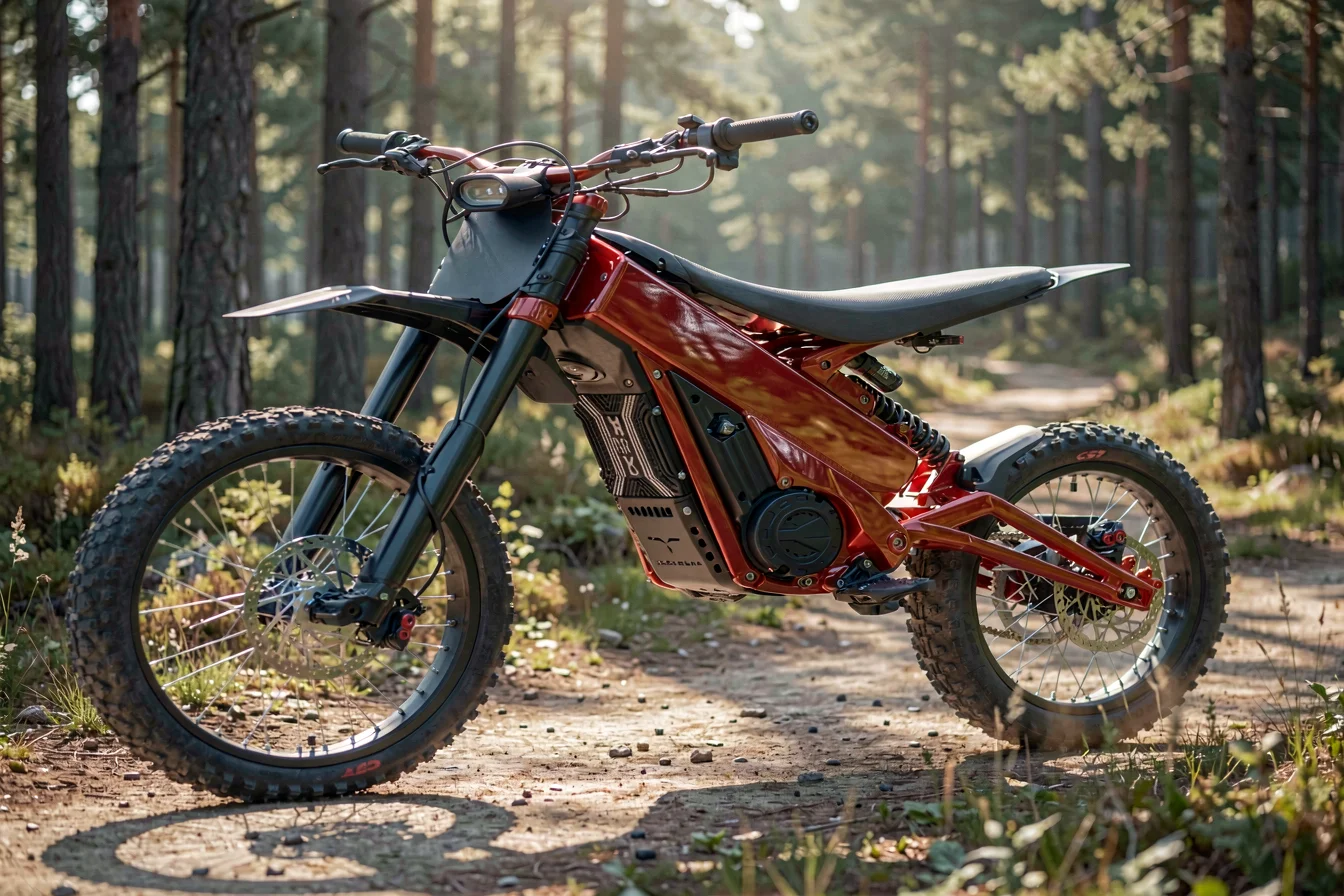
The talaria x3 ebike delivers high power, agility, and customizable features, making it ideal for off-road and aggressive urban riding. However, mainstream electric bikes for urban commuting outperform in comfort, regulatory compliance, and reliability. Buyers should match product choice to their use case: prioritize X3 for off-road versatility and customization, and mainstream bikes for daily city commuting and ease of registration.
Urban commuters seek e-bikes that balance power, range, comfort, and regulatory compliance. The talaria x3 ebike distinguishes itself with a unique 60V battery, adjustable suspension, and aggressive off-road geometry, making it a favorite among riders who value modularity and performance. Mainstream electric bikes for urban commuting, in contrast, focus on lightweight frames, city-friendly designs, and broad regulatory approval, delivering comfort and ease of registration for everyday use.
The urgency in the procurement decision stems from rapid urbanization and rising demand for sustainable transport. The talaria x3 ebike addresses pain points for off-road enthusiasts and those seeking high customizability, but mainstream e-bikes solve the needs of commuters prioritizing comfort, reliability, and legal compliance. Key limitations include the X3’s lack of road-legal status in most markets, limited comfort for two-up rides, and frequent battery management system (BMS) failures reported on Reddit.
Technological innovations in mainstream e-bikes include advanced pedal-assist systems, integrated app controls, and robust warranty support. The talaria x3 ebike offers a high-performance DC IPM motor, regenerative braking, and modular upgrades, but buyers must weigh these against the risk of BMS issues and limited mainstream support.
| Feature | Talaria X3 eBike | Mainstream Electric Bikes for Urban Commuting |
|---|---|---|
| Peak Power | 5.5 kW (X3 Mini/Pro) | 250–750 W |
| Range | 60–100 km (city) | 30–70 km (city) |
| Curb Weight | 58 kg | 20–45 kg |
| Charging Time | 3–4 hours | 2–4 hours |
| Warranty | 1 year (parts only) | 1–3 years (parts and labor) |
| Regulatory Compliance | Off-road only (L1E in UK) | Road legal in most markets |
| Modularity | High (battery, suspension, upgrades) | Low–Medium |
Mainstream electric bikes outperform the talaria x3 ebike in comfort, regulatory compliance, and reliability, but the X3 excels in modularity and off-road agility.
| Feature | B2B Advantage |
|---|---|
| Customization | Full OEM/ODM Support |
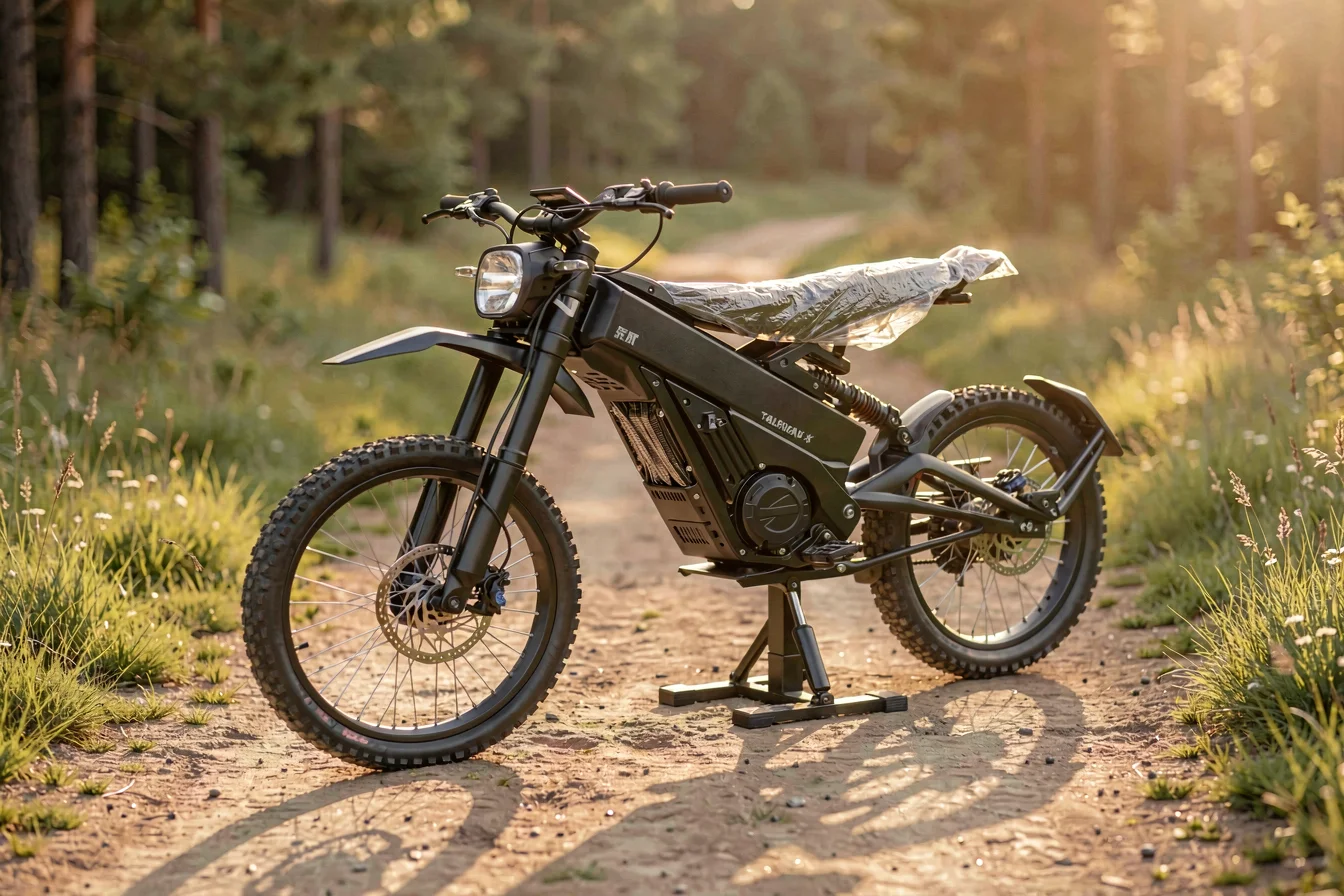
Durability is a core concern for urban commuters. The talaria x3 ebike features a lightweight chassis, robust DC IPM motor, and regenerative braking, but frequent Reddit complaints about BMS failures, throttle issues, and battery charging problems suggest reliability challenges. Mainstream electric bikes for urban commuting, on the other hand, are engineered for daily use, with advanced pedal-assist, durable frames, and comprehensive warranties, resulting in fewer maintenance needs.
Application scenarios diverge: The talaria x3 ebike is best suited for off-road adventures, aggressive urban riding, and custom builds, while mainstream e-bikes excel in daily commuting, last-mile delivery, and shared mobility services. For buyers, matching product to environment is critical — the X3’s off-road geometry and modularity may be a drawback for city commuters seeking comfort and regulatory compliance.
Long-term cost outlook reveals hidden expenses: Mainstream e-bikes typically have lower maintenance costs, higher resale value, and broader insurance support. The talaria x3 ebike may require frequent battery replacements, repairs, and upgrades, increasing total cost of ownership over five years. Reddit feedback confirms that used X3 models are difficult to resell, and buyers must factor in potential BMS and throttle failures.
| Cost Factor | Talaria X3 eBike | Mainstream Electric Bikes for Urban Commuting |
|---|---|---|
| Initial Purchase Price | $2,500–$4,999 | $1,000–$4,000 |
| Maintenance (5 years) | $800–$1,200 (BMS, battery, repairs) | $200–$400 (routine upkeep) |
| Replacement Frequency | Battery every 2–3 years | Battery every 3–5 years |
| Insurance & Registration | Off-road only (limited) | Road legal, full coverage |
| Resale Value | Low (difficult to resell) | Moderate–High |
Mainstream electric bikes offer superior long-term value and lower maintenance costs, while the talaria x3 ebike demands higher investment in repairs and upgrades.
Urban e-bikes are experiencing rapid growth due to rising demand for sustainable transportation and last-mile delivery solutions. The talaria x3 ebike appeals to a niche market of off-road enthusiasts and customizers, while mainstream electric bikes dominate the urban commuting segment, supported by regulatory compliance and broad adoption.
Market trend data shows “Folding Electric Bike for Commuting” and “Lightweight City Electric Bike” dominate global search interest, with “Talaria X3 Urban eBike” lagging but experiencing niche spikes in off-road and custom segments [1].
Google Trends analysis reveals that “Folding Electric Bike for Commuting” and “Lightweight City Electric Bike” consistently outperform “Talaria X3 Urban eBike” in global search interest, indicating mainstream urban e-bikes are preferred for commuting. The talaria x3 ebike sees periodic spikes, mainly in off-road and custom segments, suggesting niche demand.
Search Interest over Time
Mainstream city e-bikes dominate search and purchasing behavior, while the talaria x3 ebike remains a niche product with periodic spikes in off-road and custom segments.
Reddit and TikTok reveal two distinct buyer personas: off-road enthusiasts and urban commuters. Case Study 1: An off-road rider purchased a talaria x3 ebike for its modularity and power, but encountered frequent BMS failures and throttle issues, ultimately upgrading to a more robust model. Case Study 2: An urban commuter chose a mainstream e-bike for daily city use, praising its comfort, reliability, and regulatory compliance, but found the X3 too small and uncomfortable for two-up rides.
“Talaria X3 only charges to 83%. Definitely a bad BMS. My Talaria MX4 was only charging to 89% had to send it in to get repaired.” [7]
“X3 is fine for street but the pro absolutely owns it every way on the dirt. Be prepared to work on and maintain your bike though.” [8]
Sentiment overview table:
| Dimension | Talaria X3 eBike | Mainstream Electric Bikes for Urban Commuting |
|---|---|---|
| Overall Satisfaction | Moderate (high for off-road, low for city) | High (comfort, reliability) |
| Most Praised Feature | Modularity, power, suspension | Comfort, pedal-assist, warranty |
| Most Common Complaint | BMS failures, throttle issues | Limited range, weight |
| Community Recommendation Rate | Low–Moderate | High |
Mainstream electric bikes are widely recommended for urban commuting, while the talaria x3 ebike is praised for modularity but criticized for reliability issues.
Viral content themes include debates over BMS failures, throttle responsiveness, comfort for two-up rides, and resale value. Cultural reception is mixed: the X3 is seen as a niche, customizable option, while mainstream e-bikes are perceived as practical and reliable. Reddit and TikTok discussions emphasize the importance of matching product to use case and highlight the risks of over-specification and regulatory non-compliance.
Buyers should begin by identifying their core needs through the following checklist:
Tiered recommendations:
| Tier | Recommended Product | Key Reason |
|---|---|---|
| Budget-Friendly | Mainstream Electric Bike | Low price, regulatory compliance, reliability |
| Mid-Range | Mainstream Electric Bike | Comfort, warranty, insurance support |
| Premium | Talaria X3 eBike | Modularity, power, off-road agility |
Mainstream electric bikes are optimal for daily city commuters, while the talaria x3 ebike suits buyers seeking customization and off-road performance.
Optimization tips:
Synthesizing all findings, mainstream electric bikes for urban commuting dominate the market due to comfort, reliability, and regulatory compliance, while the talaria x3 ebike appeals to a niche audience seeking modularity and off-road performance. Forward-looking trends suggest continued growth in mainstream e-bikes as urbanization accelerates, but customization and off-road options will remain relevant for enthusiasts.
Confident buyers should match product choice to use case: mainstream e-bikes for daily city commuting, talaria x3 ebike for off-road and custom builds. Share your experiences with the community and for wholesale procurement, visit Alibaba.com to explore verified suppliers and bulk deals.
For commercial buyers, act now to secure inventory before regulatory changes impact supply. For consumers, share your riding stories and help shape the future of urban mobility. The right e-bike is not just about specs — it’s about matching product to lifestyle, environment, and priorities.