
All categories
Featured selections
Trade Assurance
Buyer Central
Help Center
Get the app
Become a supplier
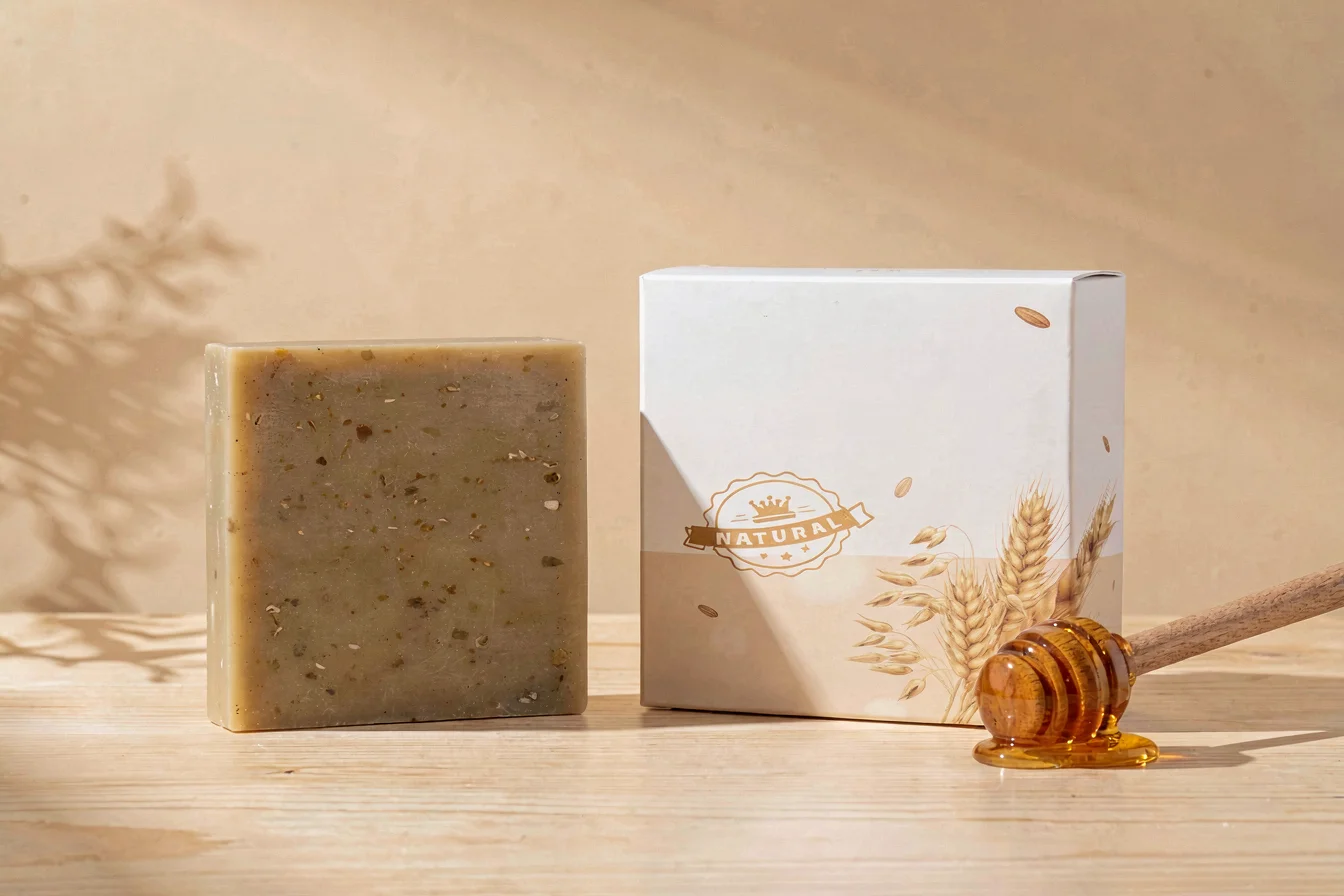
Both tamarind soap and honey soap offer distinct skincare benefits: Tamarind Soap excels at gentle exfoliation and skin renewal, while Honey Soap delivers superior moisturization and brightening. Market data shows Honey Soap is currently trending higher in global search interest and consumer reviews, making it a strong choice for hydration-focused buyers[1][2][3]. Buyers should align their selection with target audience needs—choosing Honey Soap for hydration and Tamarind Soap for exfoliation and natural rejuvenation.
The core value of tamarind soap lies in its ability to gently exfoliate and brighten skin, making it ideal for acne-prone, mature, or dark spot-prone skin types. Its active ingredients—tamarind extract, turmeric, and AHAs—target dead skin cell removal and skin regeneration, while also offering natural UV protection and antibacterial effects[2][4][5]. In contrast, honey soap is prized for its deep moisturizing, soothing, and antibacterial properties, delivering immediate hydration and a smooth, radiant skin feel. Honey, often combined with turmeric, boosts collagen production and addresses wrinkles and fine lines[3][9][15].
Buyers face a procurement dilemma: should they prioritize gentle exfoliation and skin renewal (Tamarind Soap) or deep hydration and immediate skin improvement (Honey Soap)? The urgency stems from rapid shifts in consumer preferences, with Honey Soap trending higher in global search interest and social media buzz, while Tamarind Soap is gaining traction for its natural, exfoliating benefits[1]. Technological innovations include the integration of AHAs, turmeric, and coconut oil in Tamarind Soap, and honey-based formulations in Honey Soap for collagen stimulation.
| Feature | Tamarind Soap | Honey Soap |
|---|---|---|
| Primary Benefit | Gentle Exfoliation & Skin Renewal | Deep Moisturization & Skin Brightening |
| Key Ingredients | Tamarind Extract, Turmeric, AHAs, Coconut Oil | Honey, Turmeric, Collagen, Coconut Oil |
| Target Audience | Acne-prone, Mature, Dark Spot-prone | Hydration-focused, Anti-aging, Sensitive Skin |
| Market Momentum | Growing, but trailing Honey Soap | Consistently High, Trending Upward |
| Consumer Sentiment | Positive, but caution about irritation/staining | Highly Positive, praised for immediate improvement |
Tamarind Soap targets exfoliation and skin renewal, while Honey Soap delivers superior moisturization and skin brightening, with Honey Soap trending higher in global demand and social sentiment.
Durability is a key concern for buyers: tamarind soap typically lasts longer per bar due to its gentle formulation, but may require more frequent use for optimal results, especially for acne and dark spots. Honey soap tends to be more rapidly consumed due to its rich, moisturizing lather, but offers immediate skin improvement and is less likely to cause irritation[2][3][5]. Both soaps are handmade or natural, with longer shelf lives and minimal preservatives, making them ideal for eco-conscious buyers.
Application scenarios differ: Tamarind Soap is best suited for daily exfoliation routines, targeting skin renewal and acne management, while Honey Soap excels in daily moisturizing routines, especially for sensitive or dry skin. Real-world use cases include acne-prone skin, mature skin, and those seeking natural skin rejuvenation for Tamarind Soap, and hydration-focused routines, anti-aging, and sensitive skin for Honey Soap. Buyers should consider their target audience’s skin type and routine preferences when selecting the right product.
Long-term cost outlook: Initial price ranges are similar, but Honey Soap may incur higher replacement frequency due to faster consumption. Tamarind Soap, while slower to consume, may require more frequent use for skin renewal. Hidden costs include possible irritation/staining (Tamarind) and honey attracting ants (Honey). Maintenance is minimal for both, but buyer education is essential to avoid misuse or adverse reactions.
| Cost Factor | Tamarind Soap | Honey Soap |
|---|---|---|
| Initial Price | $13–$1716 per bar | $500–$1716 per bar |
| Consumption Rate | Slower, gentle use | Faster, rich lather |
| Replacement Frequency | Monthly–biweekly | Biweekly–weekly |
| Hidden Costs | Possible irritation/staining | Honey attracts ants, rapid trace |
| Maintenance | Minimal, eco-friendly | Minimal, eco-friendly |
Buyers should prioritize Tamarind Soap for durable, exfoliating routines and Honey Soap for fast-acting hydration, with cost outlook favoring Tamarind Soap for long-term use and Honey Soap for immediate skin improvement.
The core value of this product category is delivering natural, effective skincare solutions with minimal synthetic additives. Urgency is driven by consumer demand for eco-friendly, skin-friendly alternatives. Both tamarind soap and honey soap are expanding into urban markets, multi-generational households, and e-commerce platforms, with Honey Soap trending higher in global search and purchase intent[1].
Google Trends reveals Honey Body Wash consistently outpaces Tamarind Body Wash in global search interest, with spikes in late 2025 and early 2026. Tamarind Facial Cleanser has much lower search volume, indicating niche appeal[1]. Amazon and social media reviews reinforce this trend, with Honey Soap frequently cited for immediate skin improvement.
Search Interest over Time
Honey Soap is trending higher in global search and purchase intent, while Tamarind Soap appeals to niche markets seeking gentle exfoliation and skin renewal.
Case studies from Reddit and TikTok illustrate contrasting buyer experiences. First, a buyer persona for tamarind soap is a skincare enthusiast seeking gentle exfoliation and skin renewal. They report positive results in skin brightness and acne reduction, but caution about possible irritation or staining[7][14]. Second, a buyer persona for honey soap is a hydration-focused user seeking immediate skin improvement and anti-aging benefits. They praise Honey Soap for its smooth feel and rapid results, but note concerns about honey attracting ants or causing rapid trace in homemade recipes[8][9][15].
"I love its brightening abilities" [3].
"Turmeric soap feels calming and more gentle on my skin. Oatmeal soap feels soothing, especially on days when my skin feels dry or sensitive." [14]
| Dimension | Tamarind Soap | Honey Soap |
|---|---|---|
| Overall Satisfaction | Positive, with caution | Highly Positive |
| Most Praised Feature | Gentle Exfoliation | Deep Moisturization |
| Most Common Complaint | Possible Irritation/Staining | Honey Attracts Ants/Rapid Trace |
| Community Recommendation Rate | Moderate | High |
Viral content themes include debates on the efficacy of natural exfoliants versus moisturizers, cultural reception of turmeric and honey in skincare, and recurring discussion about the importance of ingredient transparency. TikTok and Reddit show strong positive sentiment for Honey Soap, with users sharing rapid results and smooth skin feel, while Tamarind Soap is discussed for gentle exfoliation and skin renewal.
Social media sentiment favors Honey Soap for immediate skin improvement, while Tamarind Soap is valued for gentle exfoliation and skin renewal, with buyers advised to educate on possible irritation or rapid trace.
Buyers should start by identifying their core needs:
Tiered recommendations:
| Tier | Recommended Product | Key Reason |
|---|---|---|
| Budget-Friendly | Tamarind Soap | Long-lasting, gentle exfoliation, eco-friendly |
| Mid-Range | Honey Soap | Deep moisturization, immediate improvement, anti-aging |
| Premium | Honey Soap | Collagen stimulation, luxury packaging, rapid results |
Actionable optimization tips:
Buyers should align their choice with target audience needs and budget, prioritizing Tamarind Soap for exfoliation and Honey Soap for hydration and anti-aging, with actionable optimization tips for procurement efficiency.
Key insights: Honey Soap is trending higher in global search and purchase intent, with strong consumer sentiment for immediate hydration and skin improvement[1][3]. Tamarind Soap is gaining traction for gentle exfoliation and skin renewal, but is more niche. Buyers should align procurement with target audience needs, prioritize ingredient transparency, and bundle with complementary products for enhanced routine.
Forward-looking trend recommendation: Expect Honey Soap to maintain momentum in hydration-focused markets, while Tamarind Soap will continue to expand in exfoliation and skin renewal segments. Buyers should monitor ingredient trends, eco-friendly packaging, and seasonal promotions for optimal procurement efficiency.
Buyers should act confidently, share experiences to build community trust, and direct commercial buyers to wholesale platforms for bulk procurement and supplier optimization.