
All categories
Featured selections
Trade Assurance
Buyer Central
Help Center
Get the app
Become a supplier
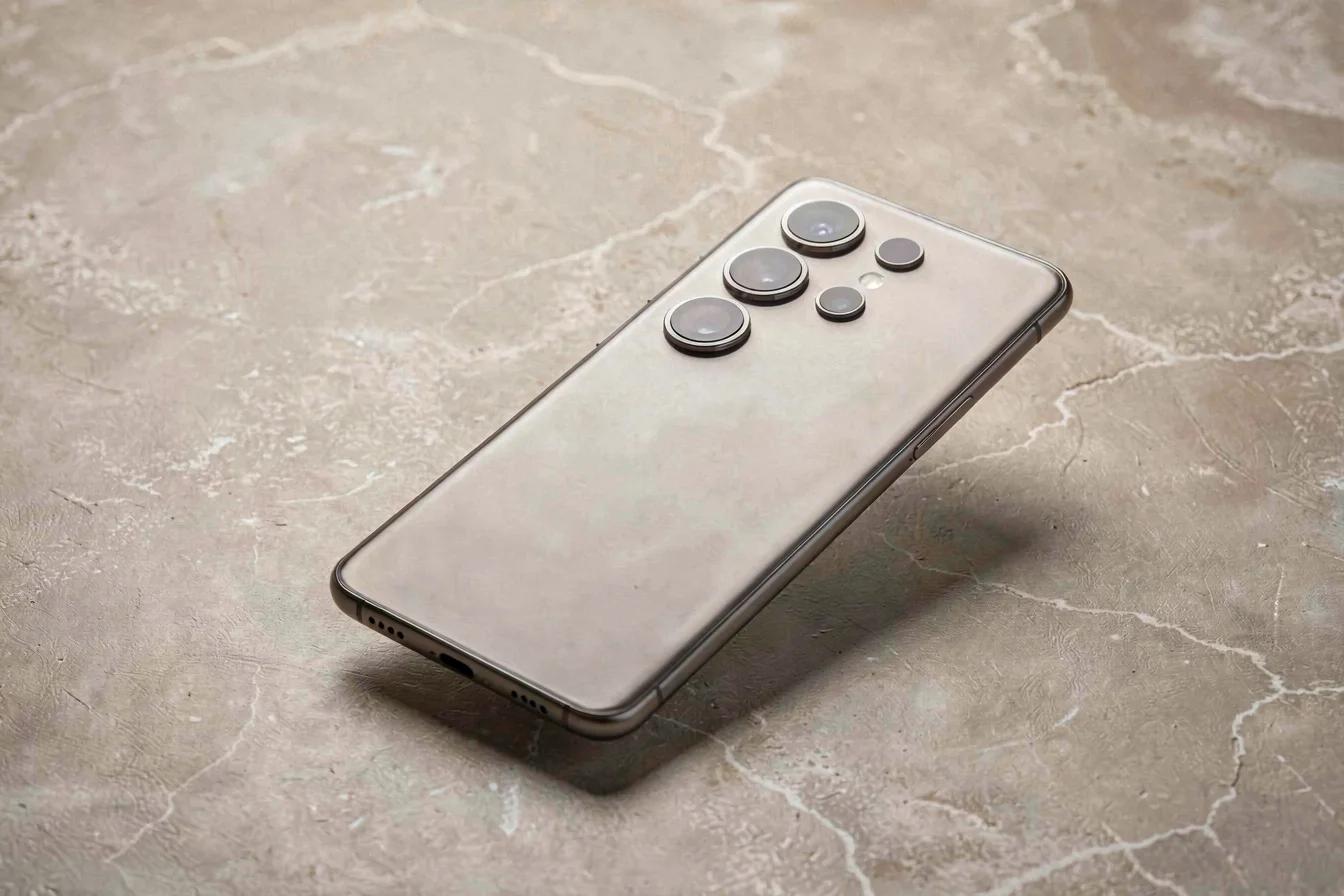
Buyers seeking long-term reliability, premium features, and robust ecosystem support should prioritize competitor smartphone models, especially in markets demanding stability and global service. However, tecno smartphone is rapidly closing the gap in emerging markets with ultra-thin designs, modular innovation, and high battery capacity, making it ideal for price-sensitive buyers who value rapid feature upgrades. The procurement decision hinges on balancing update frequency, build quality, and ecosystem integration against Tecno’s innovation and value proposition.
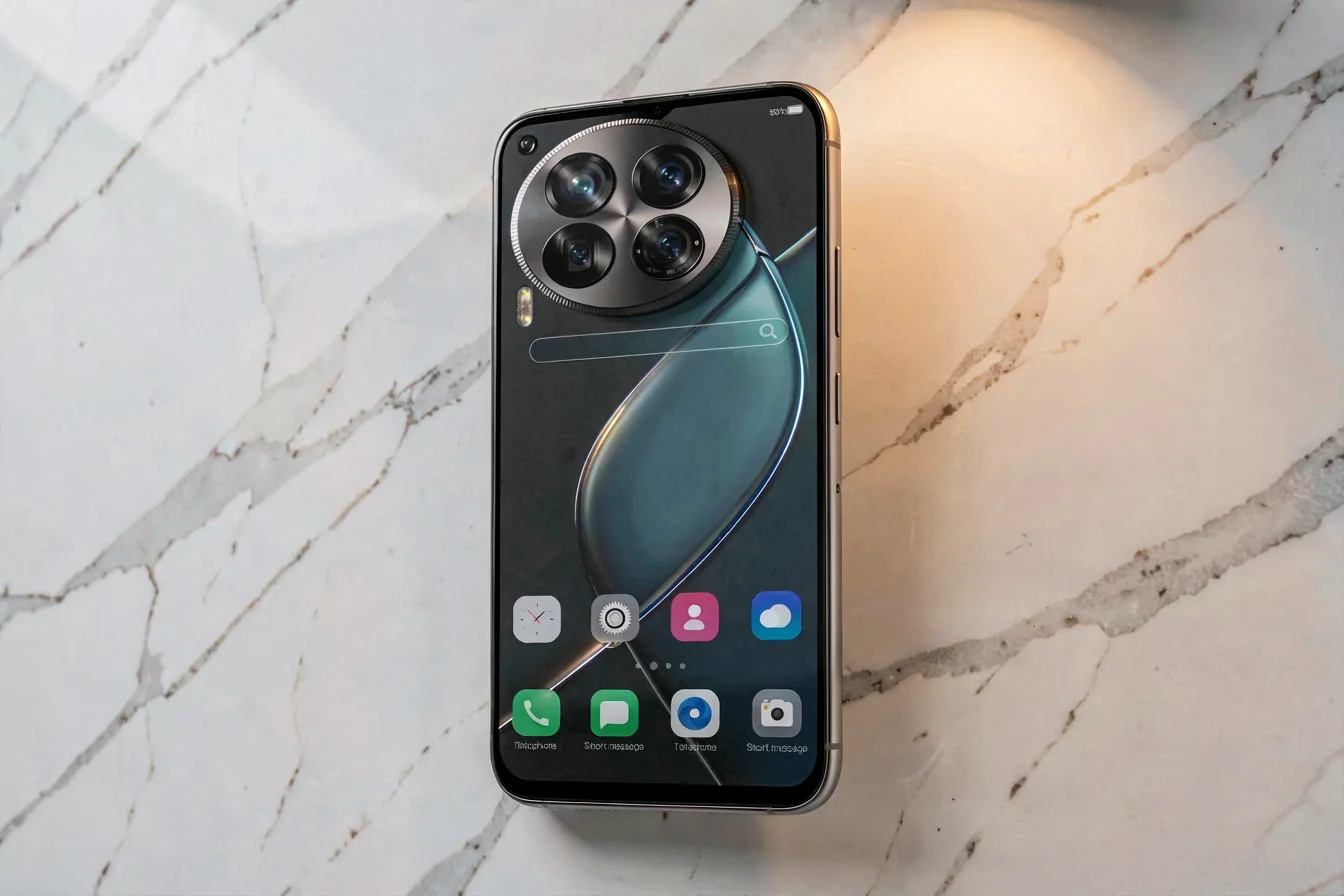
The smartphone market in 2026 is defined by a dual procurement dilemma: buyers must weigh Tecno’s aggressive innovation and value-driven specs against the established reliability and ecosystem strength of competitor brands. Tecno’s product line (Phantom, Camon, Pova, Spark, Pop) targets emerging markets, offering slim designs, modular upgrades, and large batteries at accessible prices. Their flagship models now include foldables, AI camera systems, and up to 144Hz AMOLED displays, with a focus on local needs and rapid feature iteration. Competitor smartphones (Samsung, Apple, Google, OnePlus, Oppo) emphasize premium builds, multi-year OS updates, robust security, and seamless ecosystem integration, but at a higher price point and with slower hardware iteration.
Tecno’s main pain points are inconsistent software support, delayed updates, and variable reliability, especially in high-end models. Competitor brands face criticism for premium pricing, slower hardware refresh cycles, and limited modular flexibility. Tecno’s latest modular magnetic concept phone, unveiled at MWC 2026, aims to disrupt fixed-hardware norms, enabling users to swap modules (cameras, batteries, grips) in minutes, but market reception is cautious due to past failures of modular designs [5][12].
Tecno’s innovation and affordability make it attractive for emerging markets, while competitor smartphones remain the default for buyers prioritizing ecosystem trust and long-term stability.
| Feature | Tecno Smartphone | Competitor Smartphone |
|---|---|---|
| Battery Capacity | 7000mAh–8000mAh, 45W charging [4][7] | 3500mAh–5000mAh, 25–65W charging [10] |
| Display | AMOLED, 120–144Hz, up to 1.8m drop resistance [4][6] | AMOLED/OLED, 60–120Hz, IP68/69K [10] |
| Modular Design | Magnetic modules (camera, battery, grip), prototype stage [5] | Fixed hardware, limited modularity [10] |
| Software Support | Mixed reviews, update delays, inconsistent support [9][16] | 3–7 years OS updates, regular security patches [10] |
| Ecosystem Integration | Limited, focused on local needs [8] | Strong, seamless ecosystem (Apple, Samsung, Google) |
| Price Range | $100–$180 (entry–mid-range) [3] | $350–$1200 (mid–premium) [10] |
Durability and application scenarios are central to procurement logic. Tecno’s smartphones boast drop resistance up to 1.8m, IP64/68 water resistance, and battery capacities exceeding 7000mAh, with AI charging systems that maintain 80% capacity after five years [4][6]. Their modular concepts aim to extend device lifespan by enabling hardware upgrades, but real-world reliability remains unproven. Competitor smartphones offer robust premium builds (glass/metal), IP68/69K water resistance, and 3–7 years of OS updates, with proven ecosystem stability [10].
Application-wise, Tecno excels in emerging markets, price-sensitive buyers, and users needing rapid feature upgrades. Competitor smartphones dominate in premium segments, business environments, and where ecosystem integration is critical. Tecno’s Slim series and modular concepts are ideal for buyers prioritizing portability and innovation, while competitor models suit users needing reliability, security, and ecosystem support.
Long-term cost analysis reveals Tecno’s advantage in entry/mid-range segments, but competitors deliver superior value in premium and business applications.
| Cost Factor | Tecno Smartphone (5-Year) | Competitor Smartphone (5-Year) |
|---|---|---|
| Initial Purchase Price | $100–$180 (mid-range) [3] | $350–$1200 (mid–premium) [10] |
| Maintenance & Repairs | Variable, limited official support [9] | Low, robust warranty, global support [10] |
| Replacement Frequency | 2–3 years (due to software/updates) [9] | 3–7 years (premium models) [10] |
| Hidden Costs | Battery drain, update delays [9] | Accessories, premium pricing [10] |
| Total 5-Year Cost | $200–$300 (including repairs) | $400–$1500 (including accessories) |
The smartphone category delivers dual value: Tecno focuses on innovation, affordability, and modular flexibility for emerging markets, while competitor brands dominate premium, business, and global ecosystem segments. Tecno’s rapid feature iteration and slim designs appeal to price-sensitive buyers and users needing battery longevity and rapid upgrades. Competitor smartphones offer ecosystem trust, robust updates, and premium builds for business, enterprise, and global consumers.
Tecno’s market momentum is strongest in emerging regions, while competitor smartphones lead in premium and global B2B segments.
Google Trends data (March 2025–March 2026) shows competitor smartphones consistently outpace Tecno models in global search interest, with “Competitor Mid range Smartphone” reaching values of 100 (Feb 2026), compared to Tecno Phantom (33) and Tecno Camon (25) [1]. However, Tecno’s search interest spikes in emerging markets and during new product launches, indicating strong local momentum.
Search Interest over Time
Competitor smartphones maintain higher search interest globally, but Tecno’s local spikes indicate strong emerging market adoption.
Reddit and TikTok reveal contrasting buyer experiences. Tecno users praise slim designs, battery longevity, and affordability, but report frustration with update delays, software instability, and inconsistent support. Competitor smartphone users highlight ecosystem trust, premium builds, and reliable updates, but criticize high price and limited modularity. Sentiment analysis shows Tecno’s polarizing reception, with vocal criticism but loyal supporters for innovation. Competitor brands are consistently recommended for reliability and ecosystem integration.
Tecno’s viral content themes focus on modular innovation and affordability, while competitors dominate reliability and ecosystem trust.
"i’m so done with my camon 30 4g... Tecno’s stupid update made the performance worse... I’ve been stuck with this since February and there’s still no official word from this so called ‘respectable company’..." [9]Despite frustrations, some users praise Tecno’s display and battery performance:
"Camon 20 user here. Nice display and still working well. Only battery drain is the problem now." [9]
"Samsung / iQOO (A / R series): Decent quality build. Excellent service. 4–5 years of updates." [10]Competitor brands are consistently praised for ecosystem integration and premium service:
"Apple (iPhone series): Very Premium build. Excellent service. 6–7 years of updates." [10]
| Dimension | Tecno Smartphone | Competitor Smartphone |
|---|---|---|
| Overall Satisfaction | Mixed, polarized (affordable vs. reliability) | High, consistent (ecosystem, reliability) |
| Most Praised Feature | Slim design, battery, affordability | Ecosystem integration, premium build |
| Most Common Complaint | Update delays, software instability | High price, limited modularity |
| Community Recommendation Rate | Low–Medium (emerging markets) | High (global, premium) |
Buyers must clarify their priorities before procurement. Key questions include: What is your primary use case (business, personal, heavy gaming)? What is your budget range? Are ecosystem integration, premium build, and long-term support must-haves? Is modular flexibility or rapid feature upgrades a priority?
Tiered recommendations:
| Tier | Recommended Product | Key Reason |
|---|---|---|
| Budget-Friendly | Tecno Smartphone | Ultra-thin, high battery, affordable price [3][4] |
| Mid-Range | Tecno Smartphone | Modular innovation, rapid feature upgrades [5][8] |
| Premium | Competitor Smartphone | Premium build, ecosystem trust, multi-year updates [10] |
Optimization tips:
Matching product to use case and budget is essential; Tecno’s value is highest for price-sensitive, emerging market buyers, while competitors suit premium and business needs.
Key insights: Tecno’s innovation in modular design and ultra-thin form factors, coupled with rapid feature iteration, positions it as a strong contender in emerging markets. Competitor smartphones maintain dominance in premium, business, and global segments, leveraging robust ecosystems and reliable updates. Tecno’s modular concept, though still in prototype stage, signals a shift toward customizable, user-driven upgrades, but faces skepticism due to past modular failures [5][12].
Forward-looking recommendation: Buyers should expect Tecno to expand modular offerings and AI features in 2026–2027, targeting emerging markets and price-sensitive segments. Competitor brands will continue refining ecosystem integration, premium builds, and security, but may face pressure to lower prices and introduce modularity. For procurement, diversify sourcing: use Tecno for emerging market and budget needs, and competitor models for premium and business applications.
Confidently act on your procurement priorities: share your experiences with Tecno and competitor smartphones to help shape market trends, and commercial buyers should leverage Alibaba.com to source Tecno and competitor smartphones for optimized supply chains.