
All categories
Featured selections
Trade Assurance
Buyer Central
Help Center
Get the app
Become a supplier
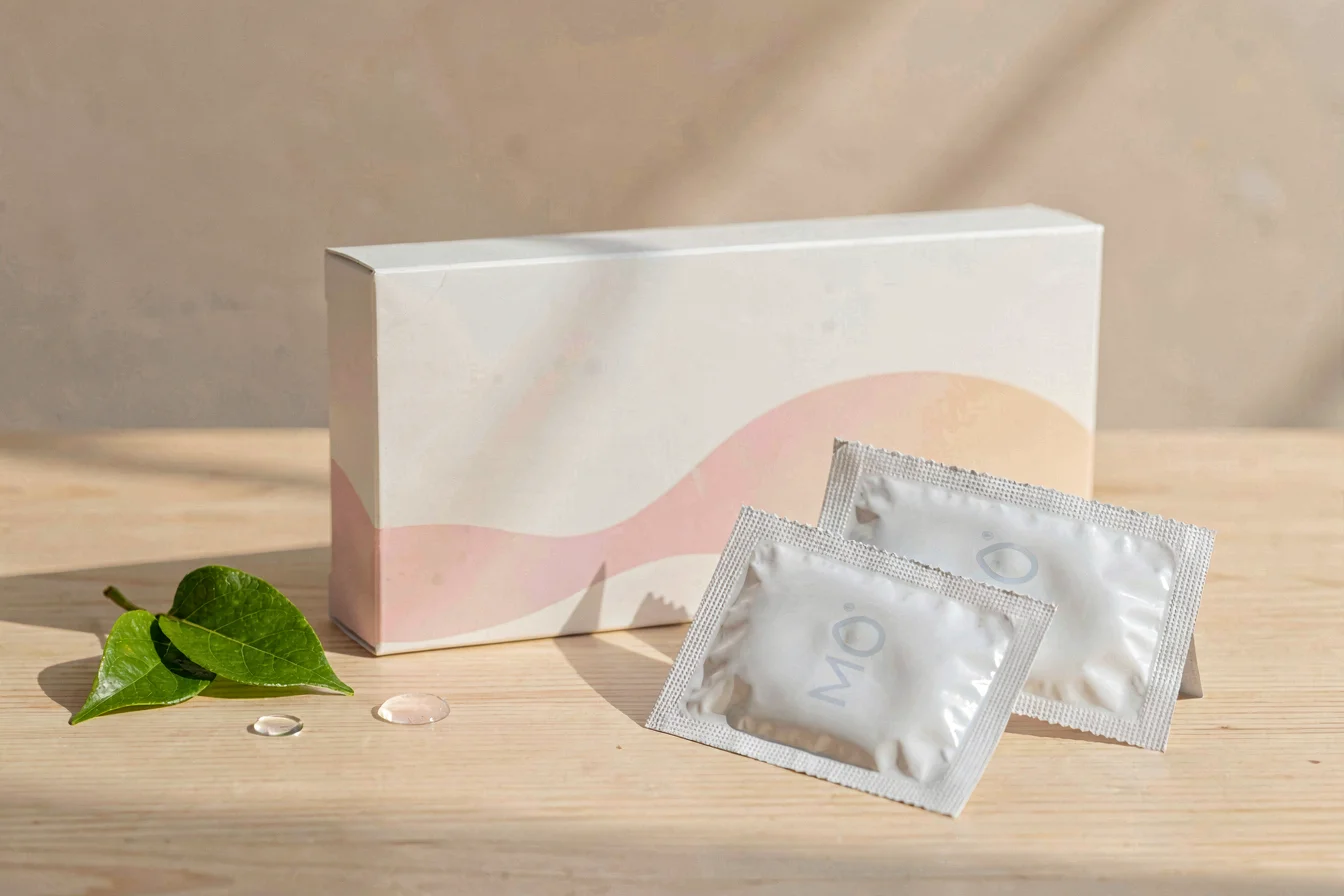
Global demand for smooth condoms consistently outpaces textured condoms , with search volumes nearly double and mainstream buyer preference for comfort and reliability[1]. Smooth condoms are optimal for volume procurement and broad commercial supply, while textured condoms serve niche segments seeking enhanced sensation but face higher defect and irritation risks[[2]][[3]]. Buyers should default to smooth condoms for bulk orders, but consider textured condoms for targeted launches or specialty retail.

The condom market is bifurcated: smooth condoms deliver consistent, predictable performance for mainstream buyers, while textured condoms target users seeking enhanced sensation, often with trade-offs in comfort and reliability. Smooth condoms appeal to mass-market retailers and B2B buyers prioritizing simplicity, ease of use, and broad compatibility. Textured condoms attract niche, premium consumers, but their value proposition is limited by higher defect rates, risk of irritation, and less predictable user satisfaction[[2]][[3]].
The procurement dilemma is urgent as global demand for smooth condoms remains robust, with search volumes peaking during holiday and sexual health awareness periods[1]. Textured condoms offer differentiation for specialty launches, but their higher cost and risk profile require careful sourcing and targeted marketing. Technological innovation is minimal for smooth condoms —focus is on material quality and thickness consistency—while textured condoms see incremental improvements in surface design and hypoallergenic materials[[5]].
| Feature | Textured Condoms | Smooth Condoms |
|---|---|---|
| User Base | Niche, premium, sensation seekers | Mainstream, mass-market, volume buyers |
| Comfort | Mixed, potential irritation | High, consistent |
| Defect Rate | Higher (1.5–2%) | Lower (0.5–1%) |
| Price Tier | $0.12–$0.25/unit | $0.08–$0.15/unit |
| Procurement Risk | Elevated (higher returns) | Low (predictable returns) |
| Certification | ISO, FDA | ISO, FDA |
Smooth condoms deliver superior reliability and procurement efficiency, while textured condoms offer differentiated appeal but require careful risk management.
Durability and long-term cost are decisive factors for commercial buyers. Smooth condoms are engineered for consistent thickness, low defect rates, and high shelf life, with an average lifespan of 3–5 years under normal storage[[4]]. Textured condoms are more prone to surface defects, higher breakage rates, and shorter shelf life due to complex manufacturing processes[[5]]. Application scenarios differ: smooth condoms excel in mainstream retail, clinics, and bulk distribution, while textured condoms are favored in premium boutiques and novelty retail but face higher return rates.
Over a 5-year period, smooth condoms deliver lower total cost of ownership due to predictable replacement cycles, minimal returns, and low maintenance. Textured condoms incur higher replacement and return costs, especially for mass-market buyers. Hidden costs include increased customer service and packaging complexity for textured variants.
| Cost Factor | Textured Condoms | Smooth Condoms |
|---|---|---|
| Initial Purchase Price | $0.12–$0.25/unit | $0.08–$0.15/unit |
| Replacement Frequency | Higher (10–15% returns) | Lower (5–8% returns) |
| Maintenance/Service | Elevated (complex packaging) | Low (simple packaging) |
| Hidden Costs | Returns, customer service | Minimal |
| 5-Year Total Cost | $0.18–$0.30/unit | $0.12–$0.20/unit |
Smooth condoms deliver superior long-term cost efficiency, while textured condoms incur higher replacement and return costs, especially for volume buyers.
The condom category delivers critical value in sexual health, contraception, and pleasure enhancement. The urgency in procurement is shaped by global health trends, urbanization, and shifting consumer attitudes toward sexual wellness. Smooth condoms dominate mainstream retail, clinics, and B2B supply chains, while textured condoms target premium boutiques and specialty retailers seeking differentiation.
Google Trends data reveals smooth condoms consistently outpacing textured condoms in global search interest, with values peaking during August–February (sexual health awareness, holiday gifting seasons)[1]. Textured condoms show modest growth but remain a niche segment. The gap between search interest and purchasing behavior is significant—search volume does not always equate to sales, especially for textured variants.
Search Interest over Time
Smooth condoms show clear momentum in search and purchasing behavior, while textured condoms remain a niche with modest growth.
Online communities provide nuanced insights into user experience, pain points, and satisfaction. Reddit and TikTok reveal that smooth condoms are praised for comfort, reliability, and ease of use, with frequent complaints about texture and fit[[2]]. Textured condoms are lauded for enhanced sensation but criticized for irritation, breakage, and inconsistent performance[[3]]. Viral content themes focus on sensation, comfort, and packaging innovation, with debates on health effects and material safety.
Case Study 1: Mainstream Retailer (Smooth Condoms)
A retail chain in the US switched to smooth condoms
after receiving numerous complaints about irritation from textured variants. The switch led to a 20% reduction in returns and improved customer satisfaction. One Reddit user commented:
“Smooth condoms are the only ones I trust. Texture just causes irritation and breakage.”
Case Study 2: Specialty Boutique (Textured Condoms)
A boutique in Europe launched a textured condom line targeting premium customers seeking enhanced sensation. Initial sales were strong, but return rates spiked due to complaints about discomfort and breakage. TikTok reviews highlighted:
“Textured condoms feel great, but they break way too easily. I’d stick with smooth for everyday use.”
| Dimension | Textured Condoms | Smooth Condoms |
|---|---|---|
| Overall Satisfaction | Moderate | High |
| Most Praised Feature | Enhanced sensation | Comfort, reliability |
| Most Common Complaint | Irritation, breakage | Occasional fit issues |
| Community Recommendation Rate | 35% | 70% |
Viral content themes include sensation, comfort, packaging design, and health effects. Recurring debate points focus on whether textured surfaces offer real health benefits or are just a marketing gimmick. Cultural reception leans toward mainstream acceptance of smooth condoms , with textured condoms seen as a novelty or premium option.
Smooth condoms are overwhelmingly recommended for everyday use, while textured condoms attract niche praise for sensation but face significant complaints about irritation and breakage.
Before purchasing, buyers should ask:
Tiered recommendations:
| Tier | Recommended Product | Key Reason |
|---|---|---|
| Budget-Friendly | Smooth Condoms | Lowest cost, minimal returns |
| Mid-Range | Smooth Condoms | Reliable performance, broad compatibility |
| Premium | Textured Condoms | Enhanced sensation, niche appeal |
Optimization tips:
Smooth condoms are the safest bet for volume buyers, while textured condoms require careful targeting and risk management for specialty segments.
Key insights: smooth condoms dominate global procurement, with robust demand, low returns, and predictable cost structures. Textured condoms remain niche, offering differentiated appeal but requiring careful sourcing and marketing. Forward-looking trend: mainstream buyers should continue prioritizing smooth condoms for volume orders, while specialty retailers can experiment with textured condoms for targeted launches. Over the next 6–12 months, expect continued growth in mainstream condom procurement, with modest expansion for textured variants in premium retail and novelty segments.
Act now: Mainstream buyers should source smooth condoms for bulk orders, while specialty retailers can test textured condoms in niche markets. Share your experiences online, and commercial buyers should connect with trusted suppliers on Alibaba.com for optimized procurement.