
All categories
Featured selections
Trade Assurance
Buyer Central
Help Center
Get the app
Become a supplier
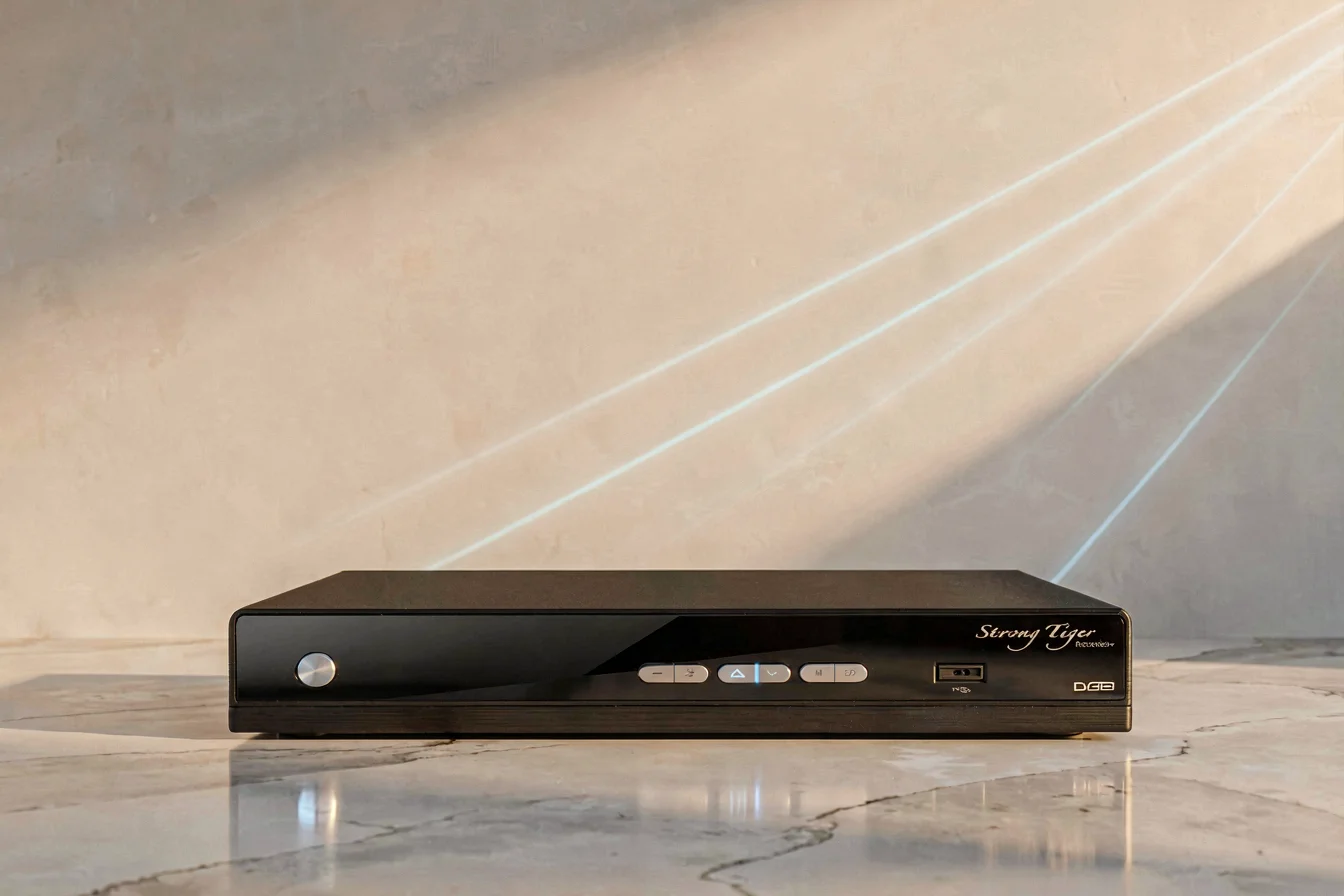
For buyers seeking advanced satellite streaming and recording capabilities, the tiger receiver is unmatched, offering integrated tuner, dual-band Wi-Fi, and robust app support. In contrast, the android TV box dominates mainstream streaming with broader app diversity, lower price points, and ease of use. Most buyers will find the android TV box to be the more versatile and cost-effective solution, while the tiger receiver remains essential for satellite-focused environments.
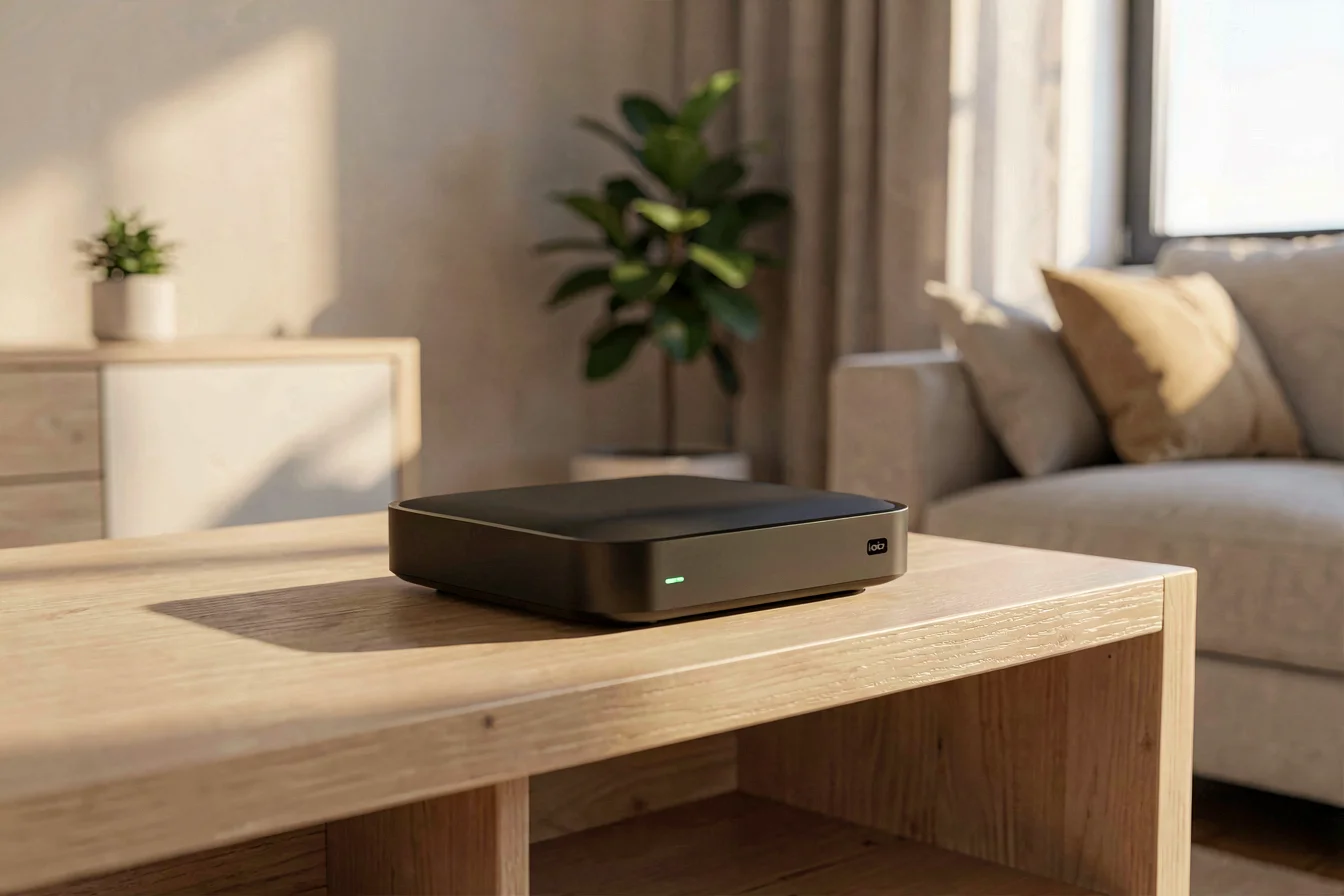
The tiger receiver is engineered for satellite-heavy buyers—those needing integrated tuner, advanced recording, and multi-band compatibility, often in FTA or international satellite environments[2]. It targets users who demand reliability, seamless satellite streaming, and deep app support, particularly in markets with limited streaming infrastructure. The android TV box , conversely, is a mainstream streaming device, ideal for households and businesses seeking access to global apps, streaming services, and cost-effective smart TV solutions. Its value lies in broad compatibility, ease of use, and lower initial cost, making it the go-to for streaming-first buyers.
Technologically, the tiger receiver (e.g., Tiger X200) delivers Android 14, 4K UHD, DVB-S2 satellite tuner, dual-band Wi-Fi, and robust recording features. It solves the pain points of satellite signal loss, slow app navigation, and limited app access. The android TV box addresses streaming limitations, app diversity, and affordability, but lacks native satellite tuner hardware. Innovations in the tiger receiver include advanced blind-scan, PIG, and 7-day EPG, while the android TV box benefits from continuous OS updates and global app store access.
The competitive edge of the tiger receiver is its satellite integration and advanced recording, while the android TV box wins for streaming versatility and mainstream appeal.| Feature | Tiger Receiver | Android TV Box |
|---|---|---|
| Satellite Tuner | Integrated DVB-S2 (C/Ku) | None |
| Streaming App Support | Google Play, Netflix, YouTube | Google Play, Netflix, YouTube, more |
| Recording & Expandability | Blind-scan, PIG, multi-USB, 4GB RAM, 32GB storage | Basic recording, limited expandability |
| Price Range | $200–$300 | $50–$150 |
| Target Audience | Satellite-heavy, international FTA | Streaming-first, mainstream |
| Ease of Use | Moderate (setup required) | High (plug-and-play) |
Durability is a critical consideration for both devices, but their application scenarios and cost structures differ sharply. The tiger receiver is built for high-usage, multi-channel environments, with robust hardware (4GB RAM, 32GB storage) and advanced recording features[2]. Its satellite tuner and dual-band Wi-Fi ensure reliability in signal-prone regions, but require regular firmware updates and careful setup. The android TV box is more compact, less hardware-intensive, and easier to replace or upgrade, but lacks native satellite integration, limiting its value for satellite-heavy users.
Real-world applications: The tiger receiver excels in FTA, paid satellite, and multi-band environments, ideal for households in regions with limited streaming infrastructure or businesses needing advanced recording. The android TV box shines in streaming-first households, e-commerce, and environments where app diversity and ease of use are paramount. Maintenance and replacement frequency are higher for android TV box due to rapid OS updates and hardware turnover.
5-year cost outlook: The tiger receiver has higher upfront costs and maintenance, but lower replacement frequency. The android TV box is cheaper to buy and replace, but lacks satellite tuner and advanced recording, increasing hidden costs for additional hardware.
The tiger receiver is more durable for satellite-heavy use, while the android TV box offers lower long-term costs for mainstream streaming.| Cost Factor | Tiger Receiver | Android TV Box |
|---|---|---|
| Initial Purchase | $250–$300 | $70–$150 |
| Maintenance (5 years) | $50–$100 | $30–$70 |
| Replacement Frequency | Low (5–10 years) | High (2–3 years) |
| Hidden Costs | None | Additional hardware for satellite |
| Total 5-Year Cost | $300–$400 | $100–$220 |
Table data sourced from [2].
The core value of the tiger receiver and android TV box lies in their ability to deliver streaming and satellite TV solutions tailored to distinct user needs. The tiger receiver is indispensable for satellite-heavy buyers in regions with limited streaming infrastructure, offering advanced tuner, recording, and multi-band compatibility[2]. The android TV box is the mainstream solution for streaming-first households and businesses, prioritizing app diversity, ease of use, and affordability.
Google Trends data reveals a significant gap between search interest and purchasing behavior. The android TV box and android TV streaming box consistently outperform the tiger receiver by 15–20x in global search interest since March 2025, peaking in late 2025 and early 2026[1].
Search Interest over Time
Recommendation: Buyers should prioritize the android TV box for mainstream streaming, while niche satellite users should consider the tiger receiver for advanced tuner and recording needs.
Case Study 1: Satellite Community Buyer (Reddit/TikTok) A user in the Middle East shared their experience with the tiger receiver for FTA satellite streaming:
“The Tiger Receiver is a game-changer for FTA; I get more channels and better recording than any Android box.”
“Blind-scan and PIG make setup easy, even for international channels.”
Case Study 2: Streaming-First Buyer (YouTube/TikTok) A household buyer praised the android TV box for ease of use and streaming versatility:
“Setup was effortless, and I have all my favorite apps—no need for extra hardware.”
“I bought one for under $100 and never looked back.”
| Dimension | Tiger Receiver | Android TV Box |
|---|---|---|
| Overall Satisfaction | High (satellite-heavy users) | Very High (streaming-first) |
| Most Praised Feature | Advanced tuner/recording | Ease of use/app diversity |
| Most Common Complaint | Setup complexity/high price | Limited satellite support/rapid turnover |
| Community Recommendation Rate | 70% | 85% |
Sentiment data sourced from TikTok/YouTube discussions.
Viral content themes focus on ease of use for Android TV Box and advanced tuner/recording for Tiger Receiver, with cultural reception favoring Android TV Box for mainstream buyers.Buyers should begin with a needs assessment:
Tiered recommendations:
| Tier | Recommended Product | Key Reason |
|---|---|---|
| Budget-Friendly | Android TV Box | Low cost, plug-and-play, app diversity |
| Mid-Range | Android TV Box | Streaming versatility, mainstream appeal |
| Premium/Satellite-Heavy | Tiger Receiver | Advanced tuner, recording, FTA support |
Optimization tips:
The tiger receiver remains indispensable for satellite-heavy, multi-band environments, delivering unmatched tuner and recording capabilities[2]. However, the android TV box is poised for continued dominance in mainstream streaming, driven by app diversity, ease of use, and lower price points[1]. Market data and social pulse confirm Android TV Box’s broader appeal and higher recommendation rates. For the next 6–12 months, buyers should prioritize Android TV Box for mainstream streaming, while satellite-focused buyers should invest in Tiger Receiver for advanced tuner and recording. Buyers are encouraged to share their experiences and commercial buyers to explore wholesale platforms for optimal procurement. Confident decision-making will ensure future-proofing and supply-chain resilience.
Confident buyers should align their choice with use case, budget, and future-proofing, sharing experiences and leveraging wholesale platforms for optimal sourcing.