
All categories
Featured selections
Trade Assurance
Buyer Central
Help Center
Get the app
Become a supplier
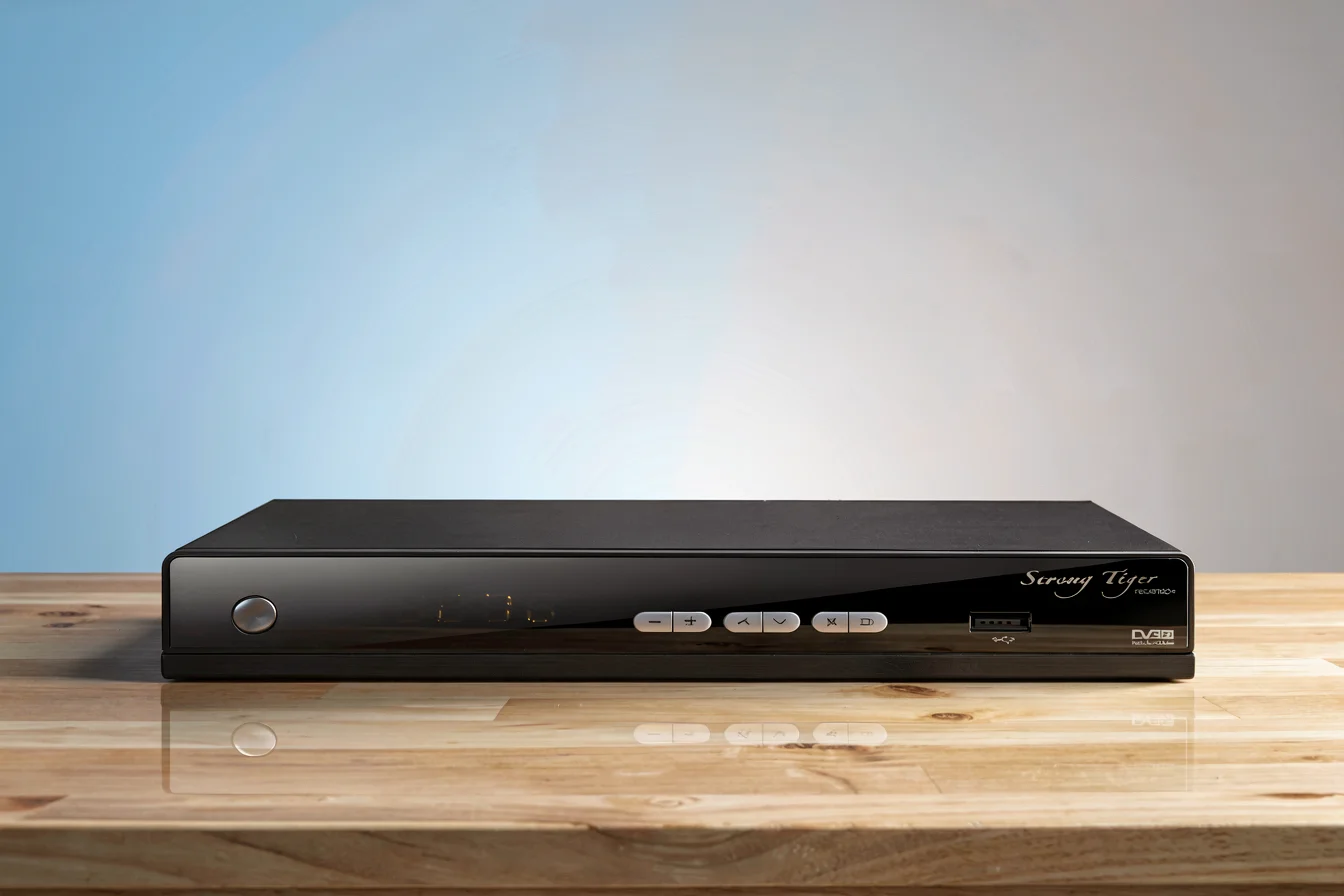
The tiger satellite receiver consistently leads global search interest and technical innovation, offering advanced decoding, robust IPTV integration, and reliable multi-platform compatibility. In comparison, other satellite receiver brands like Strong and Amiko provide cost-effective, stable solutions but lack Tiger's versatility and future-proofing. Buyers should select based on their primary needs—high-performance with technical features versus affordability and reliability[1][3].
The satellite receiver market is shaped by the need for reliable signal decoding, multi-platform support, and evolving digital content access. The tiger satellite receiver targets buyers seeking advanced features, robust IPTV support, and compatibility with emerging formats like H.265, appealing especially to commercial users, multi-platform installers, and premium households. In contrast, other satellite receiver brands —such as Strong and Amiko—focus on cost efficiency, stable signal reception, and broad regional compatibility, catering to budget-conscious buyers and traditional satellite users.
Tiger's technological edge lies in its integration of built-in IPTV, advanced decoding protocols (including PowerVU and Auto-Biss), and support for high-efficiency video formats. This makes it ideal for buyers needing future-proofing and multi-channel access, but may introduce complexity in installation and regional support. Competing brands offer more straightforward, stable performance at lower price points but lack Tiger's advanced features and decoding flexibility[1][2][3].
Tiger Satellite Receiver is best for buyers prioritizing technical innovation and future-proofing, while Other Satellite Receiver Brands are preferred for cost-sensitive applications and stable signal reception.
| Feature | Tiger Satellite Receiver | Other Satellite Receiver Brands |
|---|---|---|
| Decoding Protocols | DVB-S2, H.265, PowerVU, Auto-Biss, IKS | DVB-S/S2, MPEG-2/4, basic BISS |
| IPTV Integration | Inbuilt, over 1000 channels | Limited or add-on |
| Regional Support | Wide, but installation complexity | Broad, stable |
| Price Point | Premium | Budget-friendly |
| Customer Support | Mixed, region-specific | Stable, limited |
| Installation Complexity | Moderate to high | Low to moderate |
Durability and reliability are critical for satellite receivers, especially in commercial or high-demand environments. The tiger satellite receiver is built with robust voltage management, proper ventilation, and advanced safety protocols, making it suitable for continuous operation and multi-platform use[2]. Its long-term performance is further enhanced by support for newer video formats and decoding protocols, reducing the need for frequent upgrades.
In contrast, other satellite receiver brands offer stable, consistent performance but may require more frequent replacements due to limited support for newer formats and less advanced hardware. Their durability is adequate for basic satellite TV applications but less suited to high-demand, multi-channel environments.
Application-wise, Tiger excels in commercial installations, IPTV integration, and environments requiring future-proofing. Other brands are best for budget installations, stable signal reception, and traditional satellite TV setups. Buyers must weigh upfront cost against long-term replacement frequency and performance needs.
Tiger Satellite Receiver offers superior long-term value for buyers seeking durability and future-proofing, while Other Satellite Receiver Brands deliver reliable, cost-effective solutions for basic applications.
| Cost Factor | Tiger Satellite Receiver | Other Satellite Receiver Brands |
|---|---|---|
| Initial Purchase Price | High | Low |
| Maintenance Frequency | Low | Moderate |
| Replacement Frequency (5 Years) | Rare | Occasional |
| Hidden Costs | Installation, regional support | Upgrade, format limitations |
| Total 5-Year Cost | Moderate to high | Low to moderate |
The satellite receiver market is rapidly evolving, driven by urbanization, multi-generational living, and the surge in digital content consumption. Buyers are increasingly demanding receivers that support both traditional satellite TV and emerging IPTV platforms, with a clear divide between premium, feature-rich models and cost-effective, stable solutions.
Tiger Satellite Receiver is favored in commercial, multi-platform, and high-demand environments, while Other Satellite Receiver Brands excel in budget installations, stable signal reception, and traditional satellite TV setups.
Google Trends data shows that tiger satellite receiver consistently leads in search interest, with values peaking at 97 in November 2025, compared to Strong (75) and Amiko (34)[1]. This suggests strong buyer awareness and intent, but does not directly translate to purchase volume—actual purchasing behavior may lag due to installation complexity or price sensitivity.
Tiger Satellite Receiver's high search volume indicates strong buyer interest, but conversion rates depend on installation support and budget constraints.
Search Interest over Time
Online communities highlight the practical realities of satellite receiver procurement. Reddit discussions show that tiger satellite receiver is praised for its advanced decoding capabilities and multi-platform integration, but installation complexity and regional support remain pain points. Users value Tiger's ability to open packages like beOut Q without internet, making it attractive for premium setups[3]. However, buyers report mixed experiences with customer service and support.
In contrast, other satellite receiver brands are favored for their reliability and ease of installation, with Strong and Amiko receiving positive feedback for stable signal reception and cost-effectiveness. However, they are criticized for limited features and slower updates.
Community sentiment is positive for Tiger's technical innovation but mixed for customer support, while Other Satellite Receiver Brands are praised for reliability and affordability.
Case Study 1: Premium Commercial Installer (Tiger Satellite Receiver) A commercial installer in Morocco chose the Tiger Satellite Receiver for a multi-platform IPTV setup. They cited the ability to open beOut Q satellite packages without internet as a decisive factor, but noted installation complexity and regional support challenges. "Tiger M5 Super is really a super device...beOut Q transmits only in H.265/HEVC Video format. Sadly, most basic decoders don't support this."[3]
"Tiger M5 Super is really a super device...beOut Q transmits only in H.265/HEVC Video format. Sadly, most basic decoders don't support this." [3]
Case Study 2: Budget Satellite TV Buyer (Other Satellite Receiver Brands) A budget-conscious buyer in Morocco opted for Strong and Amiko receivers for stable satellite TV reception. They praised the reliability and ease of installation but noted limited features and slower updates. "Vu+ 4k has insane level of quality...Full hd or 4k on these devices look leaps and bounds better then on IPTV cause the iptv variants compress this a lot while satelites broadcast once directly from the studios."[4]
"Vu+ 4k has insane level of quality...Full hd or 4k on these devices look leaps and bounds better then on IPTV cause the iptv variants compress this a lot while satelites broadcast once directly from the studios." [4]
| Dimension | Tiger Satellite Receiver | Other Satellite Receiver Brands |
|---|---|---|
| Overall Satisfaction | High (technical features) | High (reliability) |
| Most Praised Feature | Advanced decoding, multi-platform integration | Stable signal, affordability |
| Most Common Complaint | Installation complexity, regional support | Limited features, slow updates |
| Community Recommendation Rate | Moderate | High |
Table data sourced from [3][4].
Viral content themes include debates over decoding protocols, the value of multi-platform integration, and the trade-off between technical innovation and ease of installation. Cultural reception is positive for Tiger among premium buyers, but mixed among budget-conscious buyers who favor the reliability of competing brands.
Buyers must clarify their core needs before making a procurement decision. Key questions include:
Tiered recommendations are as follows:
| Tier | Recommended Product | Key Reason |
|---|---|---|
| Budget-Friendly | Other Satellite Receiver Brands | Stable signal, affordable price |
| Mid-Range | Tiger Satellite Receiver | Advanced decoding, multi-platform integration |
| Premium | Tiger Satellite Receiver | Future-proofing, high-channel access |
Buyers should prioritize Tiger Satellite Receiver for technical innovation and future-proofing, and Other Satellite Receiver Brands for reliability and affordability.
Optimization tips:
The satellite receiver market will continue to evolve, with Tiger Satellite Receiver leading innovation and multi-platform integration. Buyers should expect Tiger to expand support for emerging formats and IPTV, while competing brands will focus on reliability and affordability. The next 6–12 months will see further demand for future-proof receivers, especially as digital content consumption rises and new decoding protocols emerge.
Buyers should confidently select Tiger Satellite Receiver for advanced features and future-proofing, or Other Satellite Receiver Brands for stable, cost-effective solutions. Share your experiences to help others, and commercial buyers should source from Alibaba.com for optimized procurement.
Take action: Share your satellite receiver experiences with the community, and commercial buyers should leverage Alibaba.com for bulk sourcing, technical support, and competitive pricing.