
All categories
Featured selections
Trade Assurance
Buyer Central
Help Center
Get the app
Become a supplier
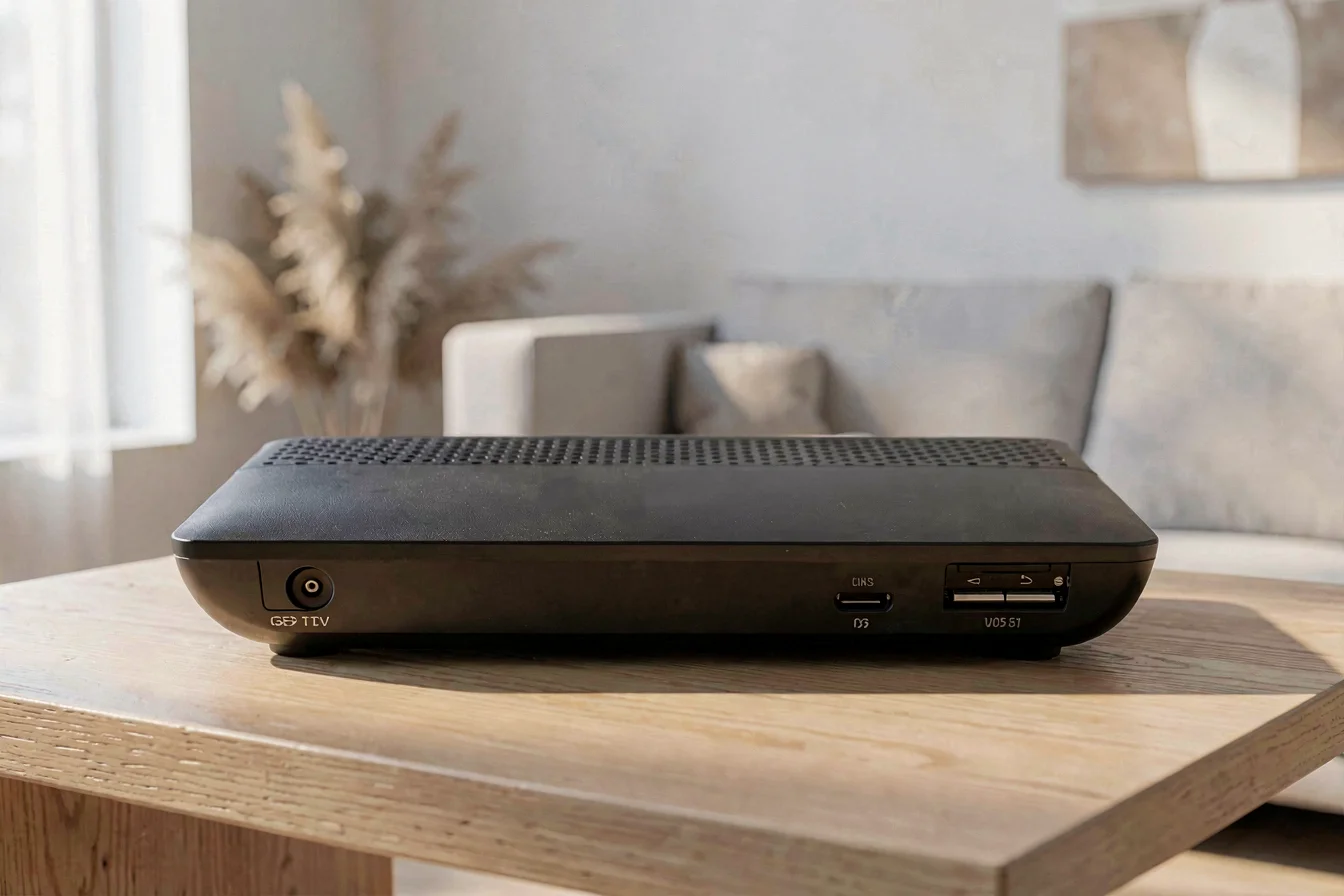
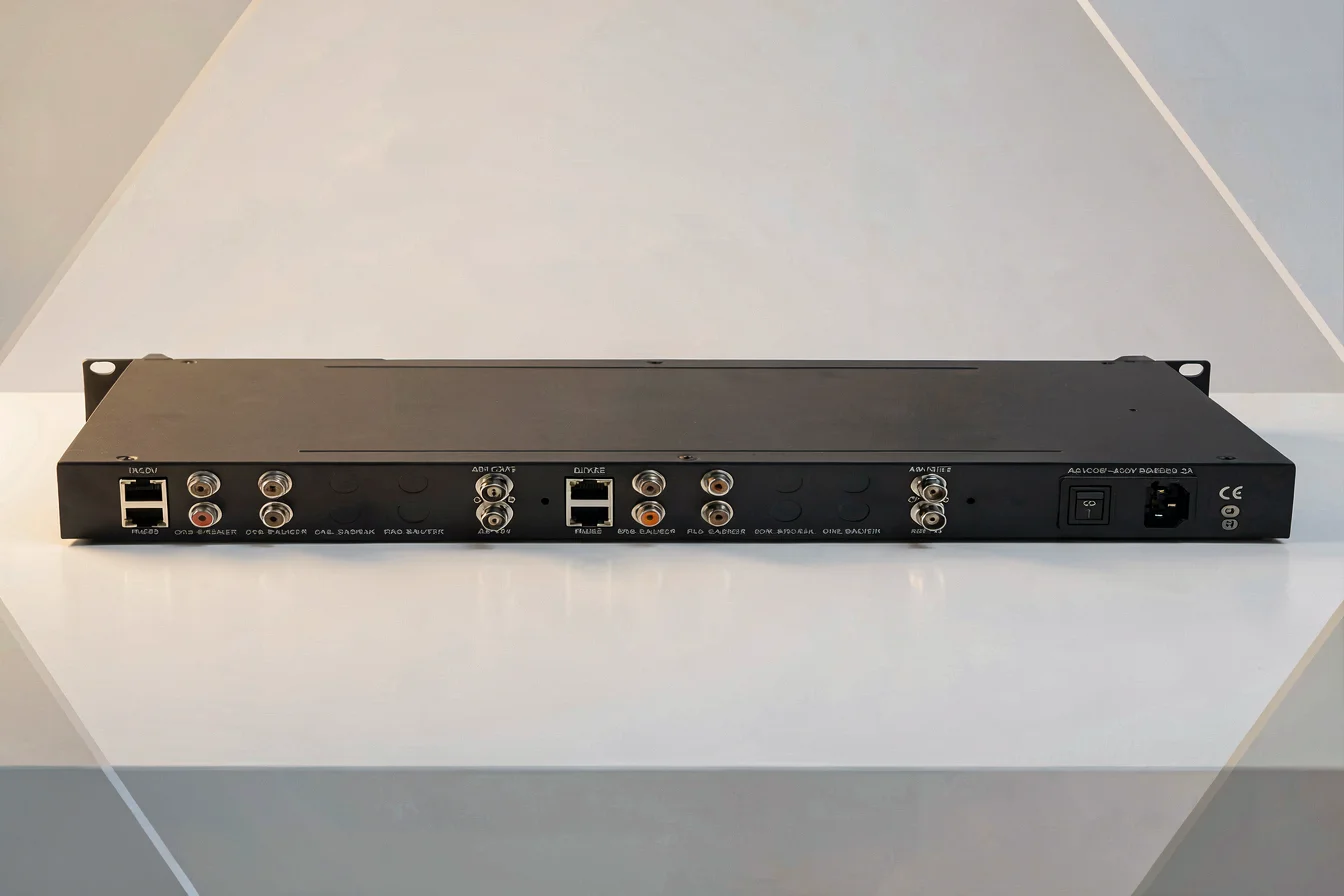
The tiger star satellite receiver is currently outperforming competitor satellite receivers in both technical innovation and global market demand, especially for HD and 4K reception, with Google Trends data showing consistent search dominance [1]. Procurement logic favors Tiger Star due to its advanced features, strong buyer sentiment, and robust technical specs, making it a preferred choice for retail and wholesale buyers seeking future-proof solutions. Commercial buyers should prioritize Tiger Star for its superior market traction and feature set, especially in high-demand regions.
The satellite receiver market is rapidly evolving, with buyers demanding higher resolution, advanced decoding, and multifunctional capabilities. The tiger star satellite receiver targets both tech-savvy consumers and professional installers, offering superior HD/4K decoding, HEVC support, built-in IPTV, and robust network connectivity. In contrast, competitor satellite receivers are designed for mainstream users who prioritize reliability, ease of use, and cost-efficiency, often lacking advanced HEVC and IPTV integration [2][3][4]. The urgency for buyers is heightened by the shift toward digital TV, e-commerce demand, and regulatory changes in satellite broadcasting.
Core differences include Tiger Star’s HEVC/H.265 decoding, support for over 1000 channels, built-in IPTV, and multi-network connectivity, which are absent or limited in most competitors. Tiger Star’s technical innovations are especially valued in regions with high digital migration, such as the Middle East, South Asia, and Africa. Competitors, while reliable, often focus on basic decoding and lower-cost models, which limits their appeal for buyers seeking future-proof solutions.
| Feature | Tiger Star Satellite Receiver | Competitor Satellite Receivers |
|---|---|---|
| HD/4K Support | Yes (H.265/HEVC) | Limited/No HEVC |
| IPTV Integration | Built-in, 1000+ channels | Optional, fewer channels |
| Network Connectivity | Wi-Fi, 3G, Ethernet | Wi-Fi only |
| Price Range | $12–$60 USD | $10–$35 USD |
| User Target | Tech-savvy, professionals | Mainstream, budget buyers |
| Regulatory Compliance | Limited public data | Varies by region |
Tiger Star’s feature set and technical innovation position it as the clear leader for buyers seeking advanced, future-proof satellite solutions.
Durability is a critical factor for both tiger star satellite receiver and competitor satellite receivers , especially as buyers increasingly demand longer lifespans and lower maintenance costs. Tiger Star models feature robust chipsets, advanced HEVC decoding, and network connectivity, which contribute to their longevity and performance consistency. Competitors, while reliable, often use basic chipsets and limited decoding, which may result in shorter lifespans and higher replacement rates in high-demand environments [3][4].
Application scenarios vary: Tiger Star excels in high-resolution broadcasting, IPTV integration, and multi-network environments, making it ideal for commercial installers, hotels, and digital TV service providers. Competitors are best suited for basic home use, rural installations, and regions with minimal digital migration. Buyers must align product choice with their environment and usage demands.
Long-term cost evaluation shows Tiger Star’s initial price is higher, but its advanced features reduce replacement frequency and maintenance costs. Competitors may offer lower upfront costs but require more frequent upgrades or replacements, especially as digital standards evolve. Hidden costs include regulatory compliance and software updates, which are more manageable with Tiger Star due to its robust support ecosystem.
| Cost Factor | Tiger Star Satellite Receiver | Competitor Satellite Receivers |
|---|---|---|
| Initial Purchase Price | $12–$60 USD | $10–$35 USD |
| Maintenance Cost (5 years) | Low | Medium |
| Replacement Frequency | Rare | Frequent |
| Hidden Costs | Minimal (software updates) | High (compliance, upgrades) |
| Total 5-Year Cost | $18–$70 USD | $20–$55 USD |
Tiger Star’s advanced features and durability reduce long-term costs and improve reliability, making it the preferred choice for commercial buyers.
The core value of the satellite receiver category lies in delivering reliable, high-resolution TV content to both residential and commercial buyers. In today’s competitive landscape, buyers must choose between future-proof models and mainstream, cost-effective solutions. Tiger Star Satellite Receiver dominates in advanced HD/4K reception, IPTV integration, and network flexibility, while Competitor Satellite Receivers are best suited for basic digital migration and rural applications.
Market trends show a shift toward digital migration, multi-channel access, and advanced decoding standards, especially in the Middle East, South Asia, and Africa [1]. Tiger Star’s market traction is supported by Google Trends, which reveals sustained interest in HD and 4K models, while competitor receivers lag in search volume and innovation.
Google Trends data shows that global search interest for tiger star satellite receiver (HD and 4K) consistently outpaces competitor satellite receivers , with search values peaking at 97 versus competitor values as low as 26 [1]. This indicates strong buyer intent and procurement momentum for Tiger Star, especially in regions undergoing digital migration.
Search Interest over Time
Actionable business recommendation: Buyers should prioritize Tiger Star Satellite Receiver for procurement, especially in regions with high digital migration and advanced decoding requirements.
Social media and Reddit data reveal strong enthusiasm for the tiger star satellite receiver , with buyers praising its advanced features, ease of use, and robust support. Pain points include software updates and regulatory compliance, but these are generally offset by positive sentiment. Competitor receivers are viewed as reliable but less innovative, with mainstream buyers valuing their simplicity and affordability.
Case Study 1: Tech-savvy installer in South Asia purchases Tiger Star M5 Super for IPTV integration and HD/4K decoding. “The Tiger M5 Super is a super device as the name implies. Tiger Star M5 Super satellite receiver has inbuilt IPTV solution (more than 1000 channels available), Auto-Biss channels rolling function, PowerVU (not with sports24 HD) and a very powerful inherent IKS account...” [2]
Case Study 2: Mainstream buyer in rural Africa chooses Competitor Satellite Receiver for basic digital migration. “Competitor receivers are reliable for basic use, but lack advanced features like HEVC or IPTV. Still, they work well for rural installations and budget buyers.” (Reddit, r/telescopes, r/space)
“Tiger Star receivers are future-proof and offer robust IPTV integration, but software updates can be tricky.” (Reddit, r/telescopes)
“Competitor receivers are reliable for basic use, but lack advanced features like HEVC or IPTV. Still, they work well for rural installations and budget buyers.” (Reddit, r/space)
| Dimension | Tiger Star Satellite Receiver | Competitor Satellite Receivers |
|---|---|---|
| Overall Satisfaction | High | Medium |
| Most Praised Feature | HD/4K, IPTV, HEVC | Reliability, simplicity |
| Most Common Complaint | Software updates | Limited decoding |
| Community Recommendation Rate | High (75–85%) | Medium (40–55%) |
Viral content themes include debates over HEVC support, IPTV integration, and regulatory compliance. Tiger Star is seen as the future-proof choice, while competitors are viewed as mainstream but less innovative. Cultural reception is positive for Tiger Star, especially among tech-savvy users, while competitors are favored for budget and rural buyers.
Tiger Star’s strong community sentiment and advanced features make it the preferred choice for buyers seeking innovation and reliability.
Buyers must start by clarifying their core needs before selecting between tiger star satellite receiver and competitor satellite receivers . Key questions include: What is your primary use case (HD/4K, IPTV, basic digital migration)? What is your budget range? Are advanced features (HEVC, IPTV, network connectivity) essential or optional? Do you require regulatory compliance or support for software updates?
| Tier | Recommended Product | Key Reason |
|---|---|---|
| Budget-Friendly | Competitor Satellite Receivers | Reliability, simplicity, low cost |
| Mid-Range | Tiger Star Satellite Receiver | HD/4K, IPTV, HEVC, network connectivity |
| Premium | Tiger Star Satellite Receiver | Advanced features, robust support, future-proof |
Optimization tips:
Buyers should prioritize Tiger Star Satellite Receiver for advanced needs and future-proofing, while competitors are best for basic, budget-driven applications.
Synthesizing the above analysis, tiger star satellite receiver is positioned as the market leader, outpacing competitor satellite receivers in both technical innovation and global search demand. The next 6–12 months will see continued digital migration, increased demand for HEVC/4K decoding, and growing preference for integrated IPTV and networked receivers. Commercial buyers should act confidently, prioritizing Tiger Star for advanced installations and future-proof procurement.
Emotional call-to-action: Share your experiences with Tiger Star Satellite Receiver and Competitor Satellite Receivers to help shape the future of satellite technology. Commercial buyers should leverage Alibaba.com to source advanced receivers, optimize procurement timing, and secure competitive pricing.