
All categories
Featured selections
Trade Assurance
Buyer Central
Help Center
Get the app
Become a supplier
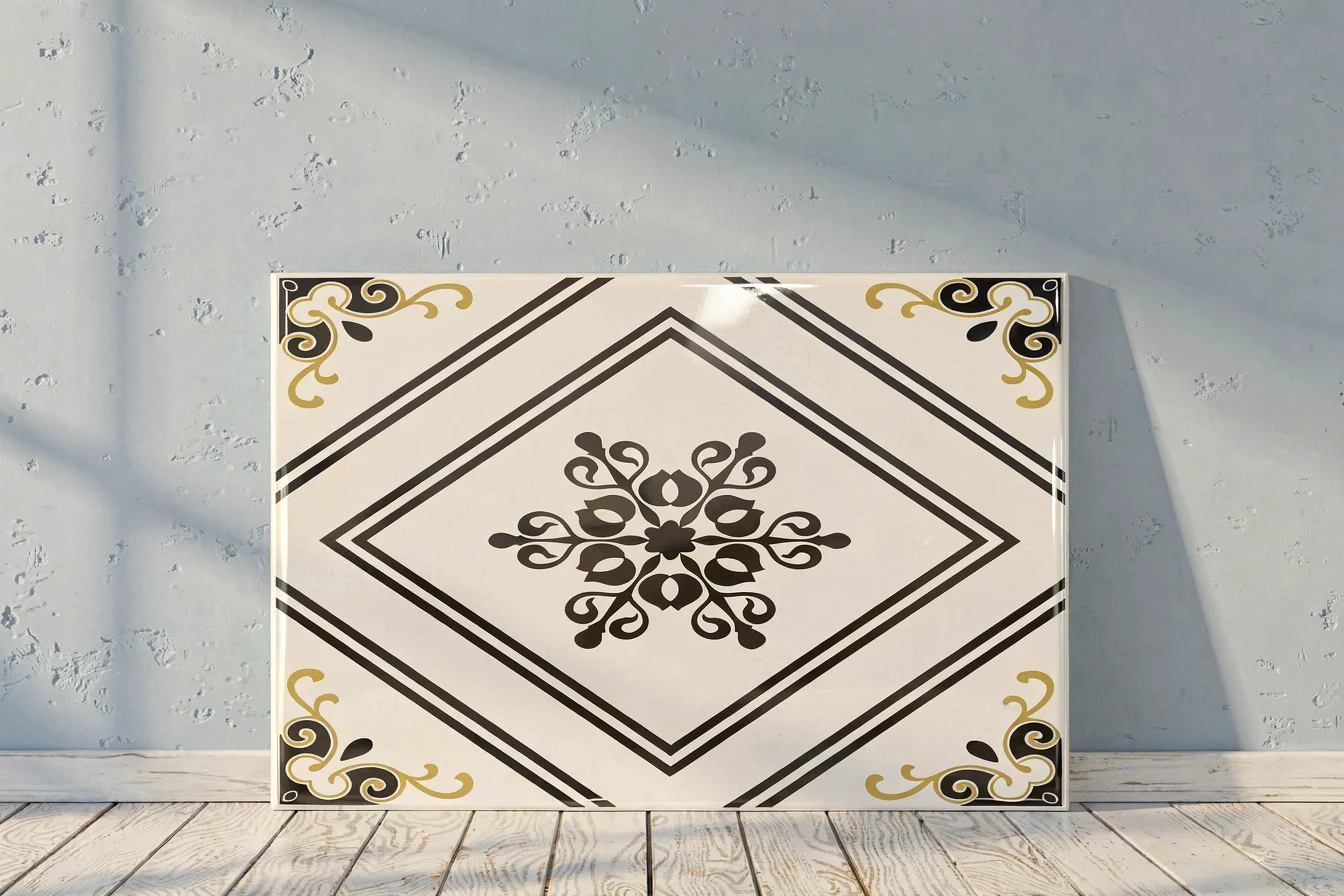
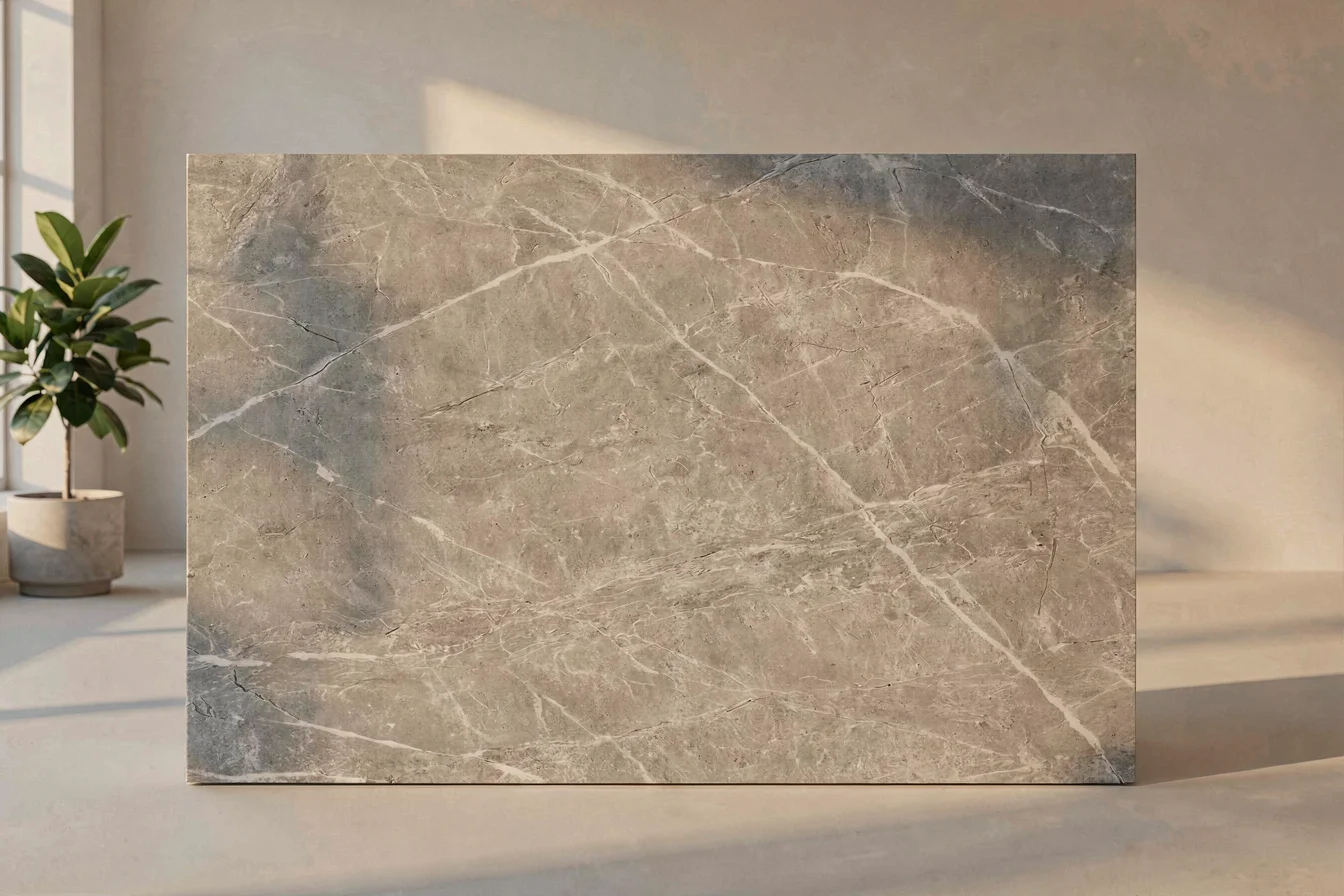
Porcelain tiles deliver superior durability and water resistance, making them the preferred choice for high-traffic and exterior applications in Rwanda’s construction market. Ceramic tiles, while less dense and more prone to water absorption, remain dominant for budget-conscious and decorative interior wall projects. Demand for porcelain is rising, especially glazed variants, but ceramic tiles retain strong momentum for cost-driven and aesthetic-focused projects.
The core value of tile procurement in Rwanda revolves around durability, cost efficiency, and suitability for specific applications. Ceramic tiles are favored for their versatility, ease of installation, and wide array of colors and patterns, primarily used in interior walls and low-traffic spaces. Porcelain tiles , in contrast, offer higher density, exceptional water resistance (absorption under 0.1%), and suitability for both indoor and outdoor use, appealing to commercial and high-traffic projects. Urgency is driven by rising urbanization, infrastructure investment, and a shift toward premium materials in public and private construction.
Technologically, porcelain tiles are produced from finer clays and minerals, fired at temperatures above 1200°C, resulting in denser, less porous tiles. Ceramic tiles, made from coarser clay and fired at lower temperatures, are softer and more absorbent, limiting their use to dry, interior applications. Porcelain’s through-body composition makes chips and cracks less visible, while ceramic chips reveal a different color beneath the glaze. This distinction impacts long-term maintenance and aesthetic integrity.
Porcelain tiles are the premium, durable option for high-traffic and exterior use, while ceramic tiles are the practical, cost-effective choice for interior walls and decorative applications.
| Feature | Ceramic Tiles | Porcelain Tiles |
|---|---|---|
| Material | Clay, lower density | Fine clay, minerals, high density |
| Water Absorption | High (up to 10%) | Low (<0.1%) |
| Durability | Moderate, prone to chipping | High, resistant to impact |
| Best Use | Walls, low-traffic interiors | Floors, exteriors, high-traffic |
| Aesthetics | Wide color/pattern options | Sophisticated, realistic finishes |
| Maintenance | Moderate, needs sealing | Low, minimal sealing |
Durability is the most critical factor for tile selection in Rwanda, where climate, humidity, and heavy usage can impact performance. Porcelain tiles are engineered for maximum longevity, with water absorption under 0.1%, making them resistant to moisture, stains, and cracking. They are ideal for high-traffic floors, commercial spaces, and outdoor areas. Ceramic tiles , while durable enough for walls and low-traffic interiors, absorb more water (up to 10%), making them less suitable for wet or high-impact environments.
In real-world applications, porcelain tiles outperform ceramic in environments with frequent moisture exposure, such as bathrooms, kitchens, and exterior patios. Ceramic tiles, however, excel in decorative wall installations, offering a broader palette of colors and patterns at lower costs. Maintenance requirements are also distinct: porcelain tiles need minimal sealing, while ceramic tiles may require periodic sealing, especially unglazed variants.
The 5-year cost outlook reveals porcelain’s higher upfront price but lower replacement and maintenance costs, while ceramic tiles offer a lower initial investment but may incur higher long-term expenses due to increased breakage and maintenance needs.
Porcelain tiles provide lower lifetime costs and greater durability, but ceramic tiles remain attractive for budget-sensitive interior projects.
| Cost Factor | Ceramic Tiles | Porcelain Tiles |
|---|---|---|
| Initial Purchase Price | Lower | Higher |
| Maintenance | Moderate (needs sealing) | Low (minimal sealing) |
| Replacement Frequency | Higher (breakage risk) | Lower |
| Hidden Costs | Potential water damage | Minimal |
| 5-Year Total Cost | Higher | Lower |
Tile procurement in Rwanda is driven by the need for durability, design flexibility, and cost efficiency. Ceramic tiles dominate interior wall projects due to their affordability and decorative options, while porcelain tiles are increasingly chosen for high-traffic floors, exteriors, and commercial spaces where resilience and water resistance are critical. Urbanization and infrastructure investment are pushing demand for premium materials, especially glazed porcelain tiles.
Ceramic tiles excel in decorative interior projects, while porcelain tiles are the go-to for durability and resilience in high-traffic and exterior settings.
Search Interest over Time
Google Trends data shows that glazed porcelain tiles and porcelain floor tiles are experiencing steady growth, peaking at 97 in February 2026. Ceramic wall tiles also show strong interest, reaching 100 in February 2026. This signals a shift toward premium, moisture-resistant tiles, but ceramic tiles retain strong demand for decorative interior projects. Actionable insight: buyers should prioritize glazed porcelain for high-traffic and exterior applications, while ceramic tiles remain viable for budget-driven wall projects.
Demand for glazed porcelain tiles is surging, but ceramic tiles maintain steady interest for decorative and budget-sensitive interior projects.
Buyers in Rwanda should start by clarifying their project requirements. Key questions include:
Tiered recommendations help buyers match their priorities:
| Tier | Recommended Product | Key Reason |
|---|---|---|
| Budget-Friendly | Ceramic Tiles | Affordable, decorative, suitable for walls |
| Mid-Range | Porcelain Tiles | Balanced durability and aesthetics for floors |
| Premium | Glazed Porcelain Tiles | High durability, moisture resistance, realistic finishes |
Optimization tips:
Buyers should match tile selection to their project’s traffic, moisture exposure, and budget, prioritizing porcelain for durability and ceramic for decorative interiors.
Synthesizing key insights, porcelain tiles are poised for continued growth in Rwanda’s construction market, especially glazed variants, as urbanization and infrastructure projects drive demand for durable, moisture-resistant materials. Ceramic tiles will retain relevance for budget-sensitive and decorative interior projects, but buyers should anticipate rising prices and increased competition for premium porcelain options. Over the next 6–12 months, expect further innovation in realistic finishes and eco-friendly manufacturing, with glazed porcelain tiles leading the premium segment.
Confident buyers should prioritize glazed porcelain tiles for high-traffic and exterior projects, while ceramic tiles remain a practical choice for interior walls and decorative applications.
Share your tile selection experiences in online communities to inform future buyers, and commercial buyers should leverage Alibaba.com’s supplier network for bulk procurement, ensuring quality, durability, and cost efficiency in Rwanda’s evolving construction landscape.