
All categories
Featured selections
Trade Assurance
Buyer Central
Help Center
Get the app
Become a supplier
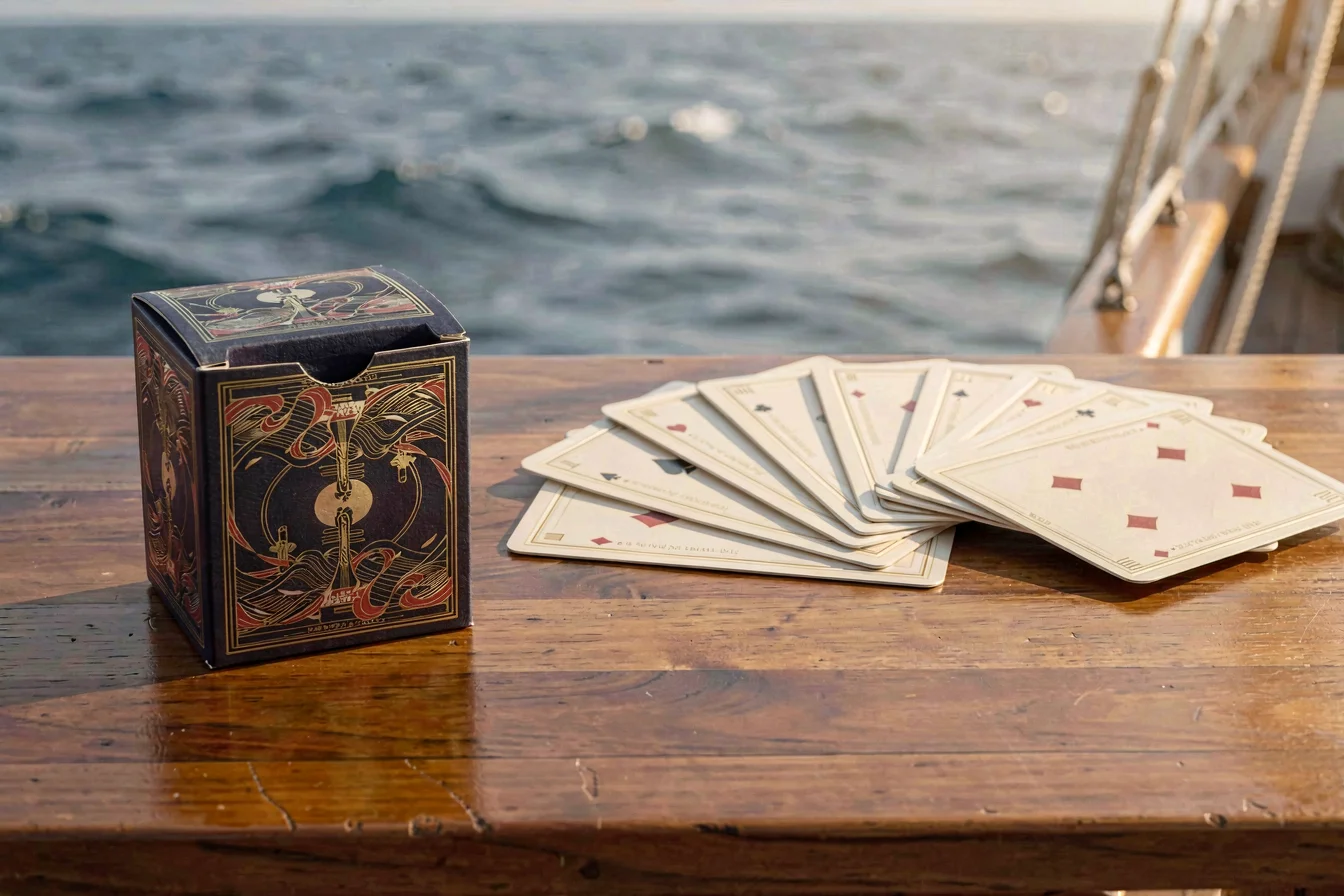
Classic playing cards consistently outperform titanic-themed playing cards in global demand, durability, and broad utility, making them the optimal choice for general procurement and mass-market distribution. Titanic-themed playing cards offer unique collectible appeal and niche gifting opportunities, but are best suited for specialty retail and event-driven sales. Buyers should prioritize classic cards for everyday use and Titanic-themed variants for targeted promotions, leveraging platform data for optimal inventory allocation.
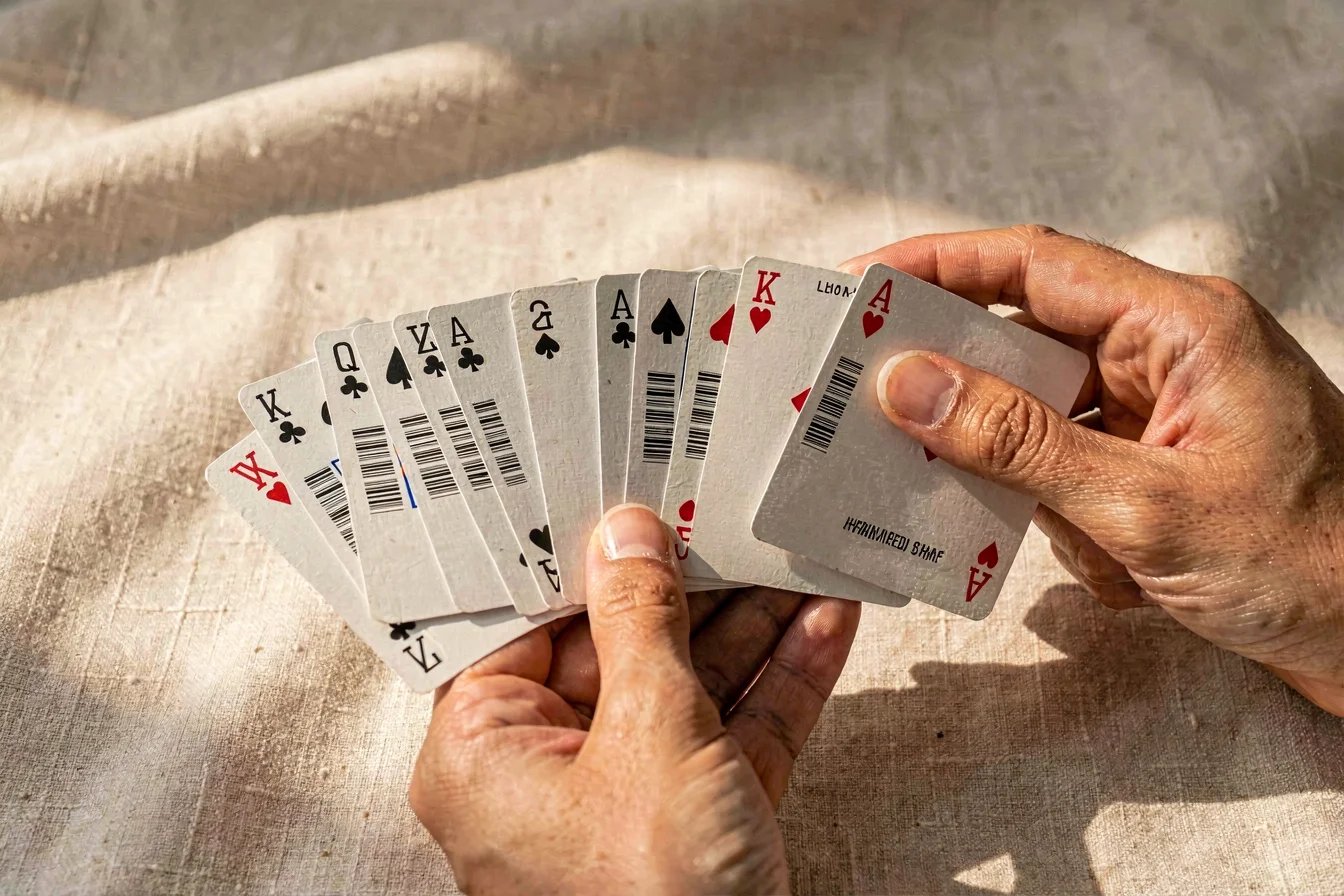
Titanic-themed playing cards and classic playing cards each serve distinct buyer segments, with procurement logic shaped by audience, application, and market trends. Classic decks, such as Bicycle and COPAG, are engineered for durability, playability, and mass-market distribution, meeting the needs of casual players, casinos, and retailers. Titanic-themed playing cards , meanwhile, target collectors, history enthusiasts, and themed events, delivering visual impact and narrative depth but limited functional utility for daily play. The urgency of choosing between these options is driven by supply-chain resilience, seasonal demand spikes, and the evolving role of collectibles in retail.
Core differences arise in material quality, design innovation, and target audience. Classic cards feature standardized sizing, robust construction (cellulose acetate or premium paper), and proven longevity, with a 50x longer lifespan than standard paper decks. Titanic-themed playing cards leverage vintage illustrations, commemorative designs, and limited-edition branding, appealing to collectors but often lacking formal gaming certifications. Technological advances—such as plastic card manufacturing—have solidified classic cards as the global standard, while themed decks rely on emotional resonance and narrative appeal.
Traditional challenges solved by classic cards include consistent quality, ease of use, and broad compatibility with games. Titanic-themed playing cards address nostalgia, collectible value, and event-driven sales, but face limitations in durability and mainstream adoption. The procurement dilemma centers on balancing mass-market reliability with niche appeal, with classic cards dominating search interest and themed decks capturing seasonal spikes.
| Feature | Titanic-Themed Playing Cards | Classic Playing Cards |
|---|---|---|
| Material Quality | Premium paper, vintage illustrations, commemorative design | Cellulose acetate, plastic, or high-grade paper |
| Durability | Moderate, suitable for display and light play | High, designed for frequent use and long lifespan |
| Target Audience | Collectors, themed events, history enthusiasts | Casual players, casinos, mass-market retailers |
| Certifications | Limited, often collectible-only | USPCC, COPAG, gaming standards |
| Price Range | $5–$11 per pack | $1–$3 per pack |
Classic playing cards deliver unmatched durability and utility, making them the procurement standard, while Titanic-themed decks excel in collectible appeal and themed retail.
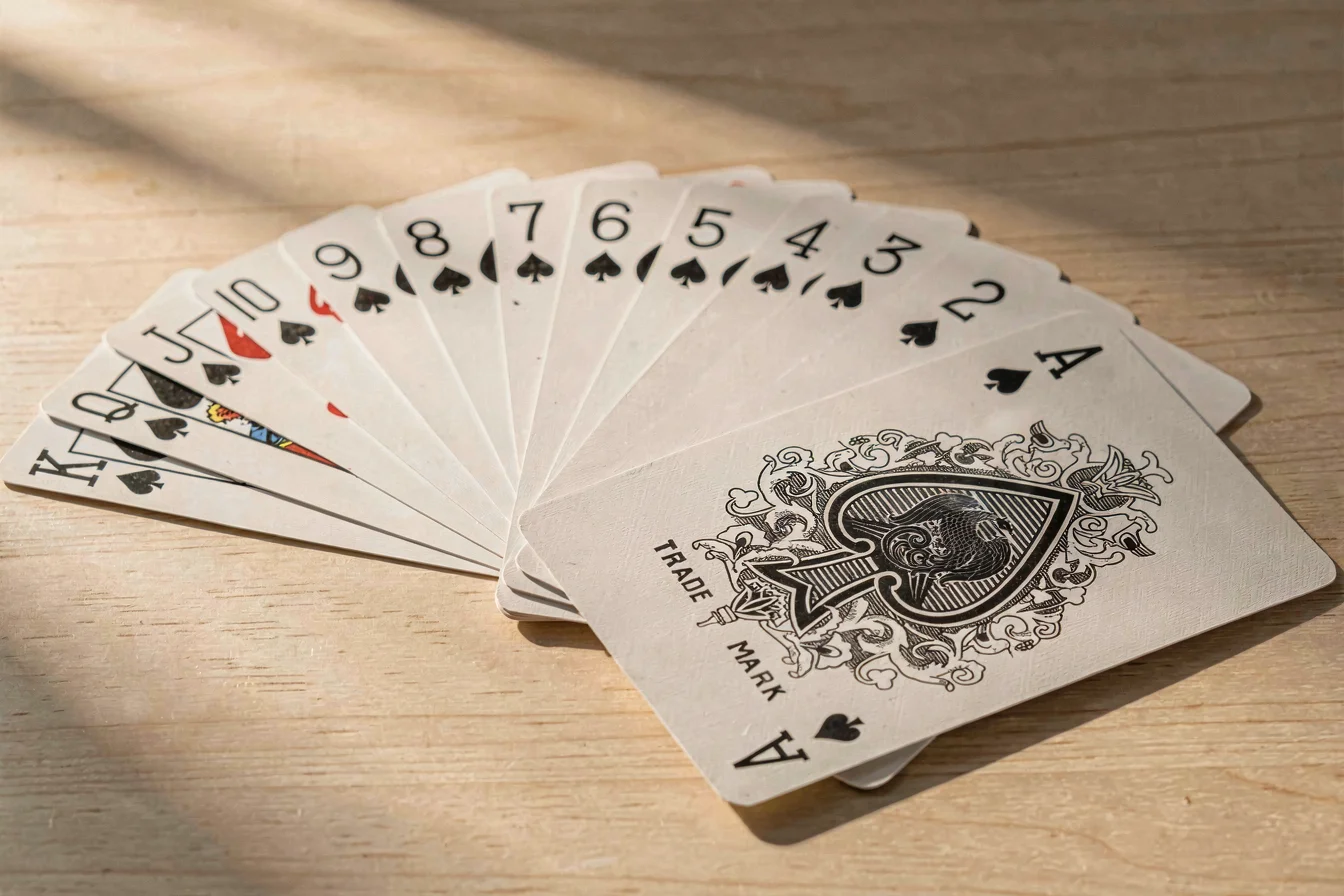
Durability is a decisive factor for procurement, especially for businesses prioritizing cost efficiency and product longevity. Classic playing cards are engineered for high-frequency use, featuring reinforced edges, premium materials, and proven resistance to marking and wear. Plastic decks last up to 50 times longer than paper, minimizing replacement costs and maximizing ROI[6]. Titanic-themed playing cards , while visually striking, are typically made from premium paper or lower-grade plastic, making them less resilient for repeated play and more prone to damage during shipping or handling.
Application scenarios further differentiate these products: classic cards are universally compatible with card games, casinos, and educational settings, while Titanic-themed decks are best suited for display, themed events, or gifting. The latter’s collectible value often outweighs their functional utility, with buyers prioritizing aesthetic impact over durability. In high-traffic environments, classic cards are essential for minimizing downtime and replacement costs, while themed decks are ideal for limited-edition promotions or museum retail.
The long-term cost outlook favors classic cards for businesses seeking stable inventory and predictable replacement cycles. Initial purchase price is significantly lower, and maintenance costs are negligible due to longevity. Titanic-themed playing cards incur higher upfront costs, with limited resale potential and niche demand. Hidden costs include packaging, shipping, and seasonal markdowns, especially if inventory is not sold within peak periods.
| Cost Factor | Titanic-Themed Playing Cards | Classic Playing Cards |
|---|---|---|
| Initial Purchase Price | $5–$11 per pack | $1–$3 per pack |
| Maintenance/Replacement Frequency | High, frequent replacement | Low, long lifespan |
| Hidden Costs | Packaging, shipping, seasonal markdowns | Minimal, stable inventory |
| Resale Value | Limited, collectible only | High, universal demand |
For cost-conscious buyers, classic playing cards are the clear winner; Titanic-themed decks are best reserved for collectible or event-driven sales, where visual impact and limited supply drive value.
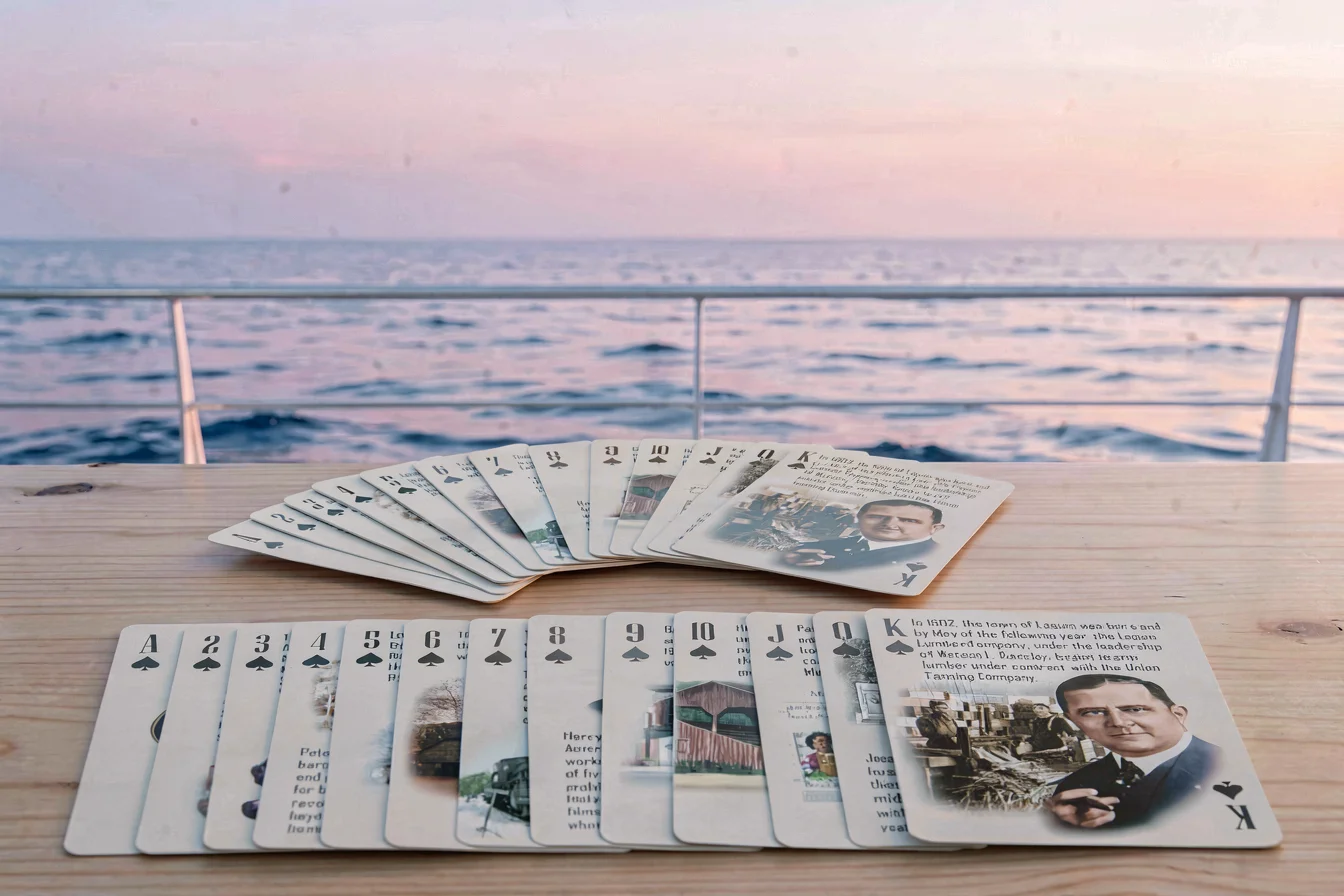
The playing card market is driven by both mass-market utility and specialty retail, with each product type catering to distinct buyer needs. Classic decks maintain universal relevance, supporting casual play, casino operations, and educational institutions. Titanic-themed playing cards thrive in collectible, themed event, and museum retail contexts, capturing seasonal demand around anniversaries and cultural milestones. Market urgency is shaped by e-commerce growth, urbanization, and multi-generational living, with classic cards dominating in everyday settings and themed decks peaking during themed promotions.
Classic playing cards are essential for businesses seeking reliable inventory and broad compatibility, while Titanic-themed decks excel in niche retail and event-driven sales.
Google Trends data reveals consistent dominance of classic playing cards, with periodic spikes for titanic-themed playing cards near anniversaries. Search interest for classic cards (Bicycle, COPAG) is consistently higher, reflecting broader utility and steady demand. Titanic-themed decks see moderate interest but are limited by supply and collector focus.
Search Interest over Time
Classic playing cards maintain dominant search and sales momentum, while Titanic-themed decks see moderate, seasonal spikes—buyers should align inventory to platform trends and event cycles.
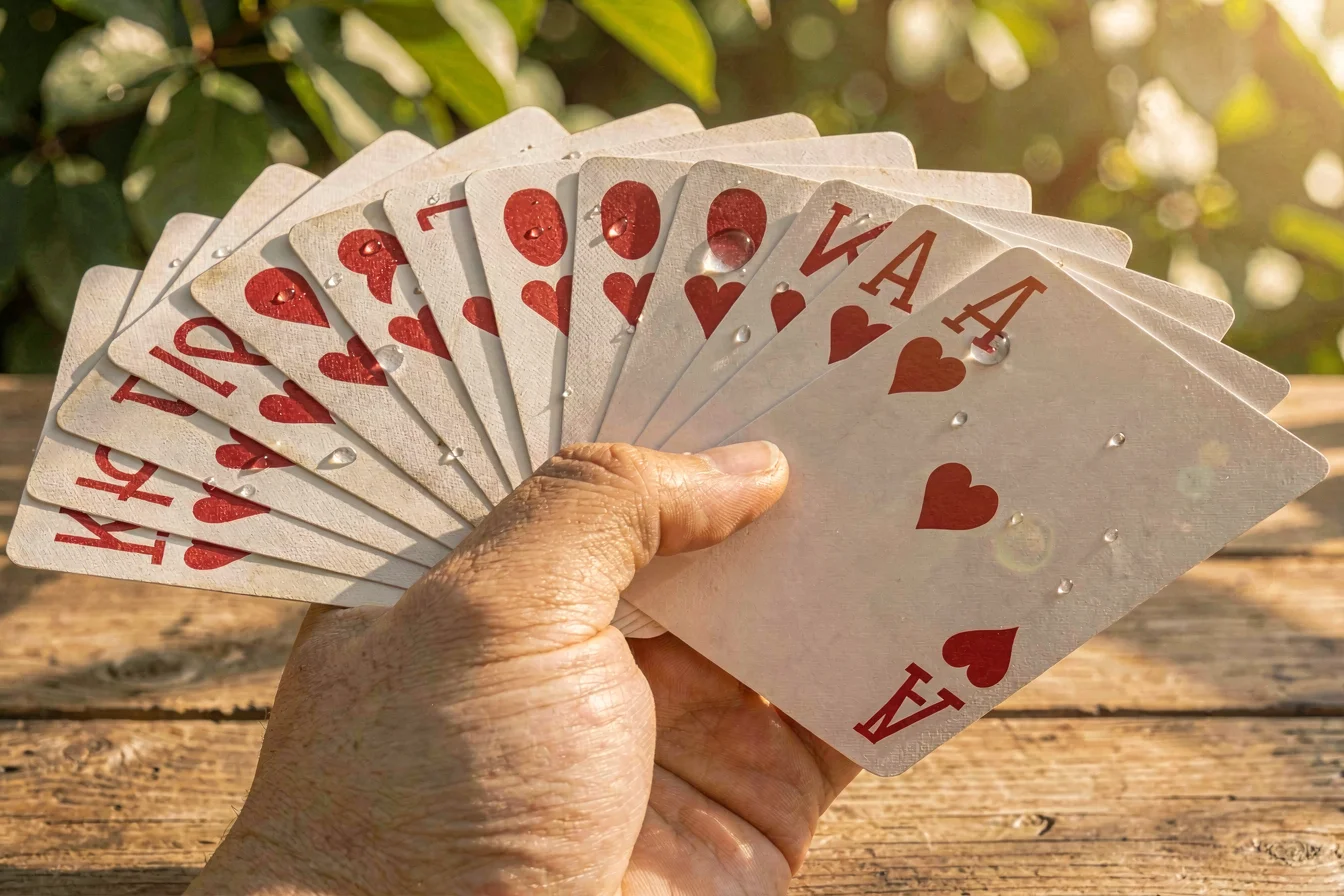
Online communities highlight contrasting experiences with titanic-themed playing cards and classic playing cards . Classic decks are praised for reliability, longevity, and universal appeal, with collectors valuing their archival quality and historical significance. Titanic-themed playing cards generate nostalgia and collectible excitement, especially among history enthusiasts and themed event attendees.
Case Study 1: Collector Perspective (Reddit, r/playingcards) A collector reviews the Bicycle 140th Anniversary deck: “Bicycle has been the backbone of Rummy and Pinochle nights for generations. The 140th Anniversary deck honors that legacy with gold-foil detailing, vintage pips, and a real sense of occasion. Handling is smooth, snappy, and fan-friendly. These cards handle with all the ease of a modern deck, there’s no trade-off for the vintage vibe.”[7]
Case Study 2: Themed Deck Enthusiast (Reddit, r/titanic) A history enthusiast shares: “These commemorative playing cards feature iconic images of the RMS Titanic and her sister ships. They convey the beauty of the doomed ship and a nostalgic world of elegance and confidence that was shattered by an iceberg on a cold, calm April night in 1912.”[2]
“I actually like the guardians. I think they handle pretty well and I always dug the ace of spades. The tuck box I have is different. Just had the regular back on it.” [9]
“These high-quality collectable playing card packs are printed in Vienna by Piatnik. Every pack features unique vintage illustrations, graphics or photographs on each card, with a common design on the reverse.” [3]
| Dimension | Titanic-Themed Playing Cards | Classic Playing Cards |
|---|---|---|
| Overall Satisfaction | High among collectors, moderate among casual users | Very high, universally praised |
| Most Praised Feature | Nostalgia, visual design | Durability, playability |
| Most Common Complaint | Limited durability, niche appeal | None, occasional packaging issues |
| Community Recommendation Rate | Moderate, mostly among themed collectors | Very high, recommended for all users |
Viral content themes center on nostalgia, collectible value, and event-driven sales for titanic-themed playing cards , while classic decks are celebrated for their reliability and archival quality. Recurring debate points include the trade-off between visual impact and durability, and the role of themed decks in retail versus everyday use.
Social communities consistently recommend classic playing cards for broad utility and reliability, with Titanic-themed decks reserved for collectors and themed events.
Buyers should start by clarifying their core needs: Is the primary use case casual play, event-driven retail, or collectible gifting? What is the budget range? Are durability and compatibility essential, or is visual impact and collectible value prioritized? Must-have features include certification, material quality, and packaging, while nice-to-have features include themed designs, limited editions, and commemorative branding.
Tiered recommendations:
| Tier | Recommended Product | Key Reason |
|---|---|---|
| Budget-Friendly | Classic Playing Cards | Low price, universal compatibility |
| Mid-Range | Classic Playing Cards | Durability, archival quality, broad appeal |
| Premium/Collectible | Titanic-Themed Playing Cards | Nostalgia, visual design, limited-edition appeal |
Optimization tips: Buy classic cards during off-peak seasons for best pricing; bundle themed decks with related collectibles for higher margin. Prioritize durability and certification for business use; avoid overstocking themed decks unless tied to event cycles. Common mistakes include underestimating replacement cycles for classic cards and overstocking themed decks outside peak demand periods.
Segmented sourcing should align product selection with buyer priorities, optimizing inventory for both mainstream utility and niche appeal.
Key insights: Classic playing cards are the procurement standard, dominating search interest, durability, and universal compatibility. Titanic-themed playing cards offer niche appeal, excelling in collectible retail and themed events, but require careful inventory management due to limited supply and seasonal demand. Forward-looking trends suggest classic cards will maintain dominance, with themed decks seeing moderate growth during anniversaries and cultural milestones.
Buyers should prioritize classic cards for everyday use and mass-market sales, while leveraging themed decks for specialty retail and event-driven promotions. Share your experiences online to shape future product development, and connect with commercial buyers on Alibaba.com to source the best inventory for your market.
Emotional call-to-action: Confidently choose the playing card type that best aligns with your needs—classic for reliability, themed for nostalgia. Share your stories, recommendations, and feedback to drive innovation, and explore wholesale sourcing on Alibaba.com to optimize your procurement strategy.