
All categories
Featured selections
Trade Assurance
Buyer Central
Help Center
Get the app
Become a supplier
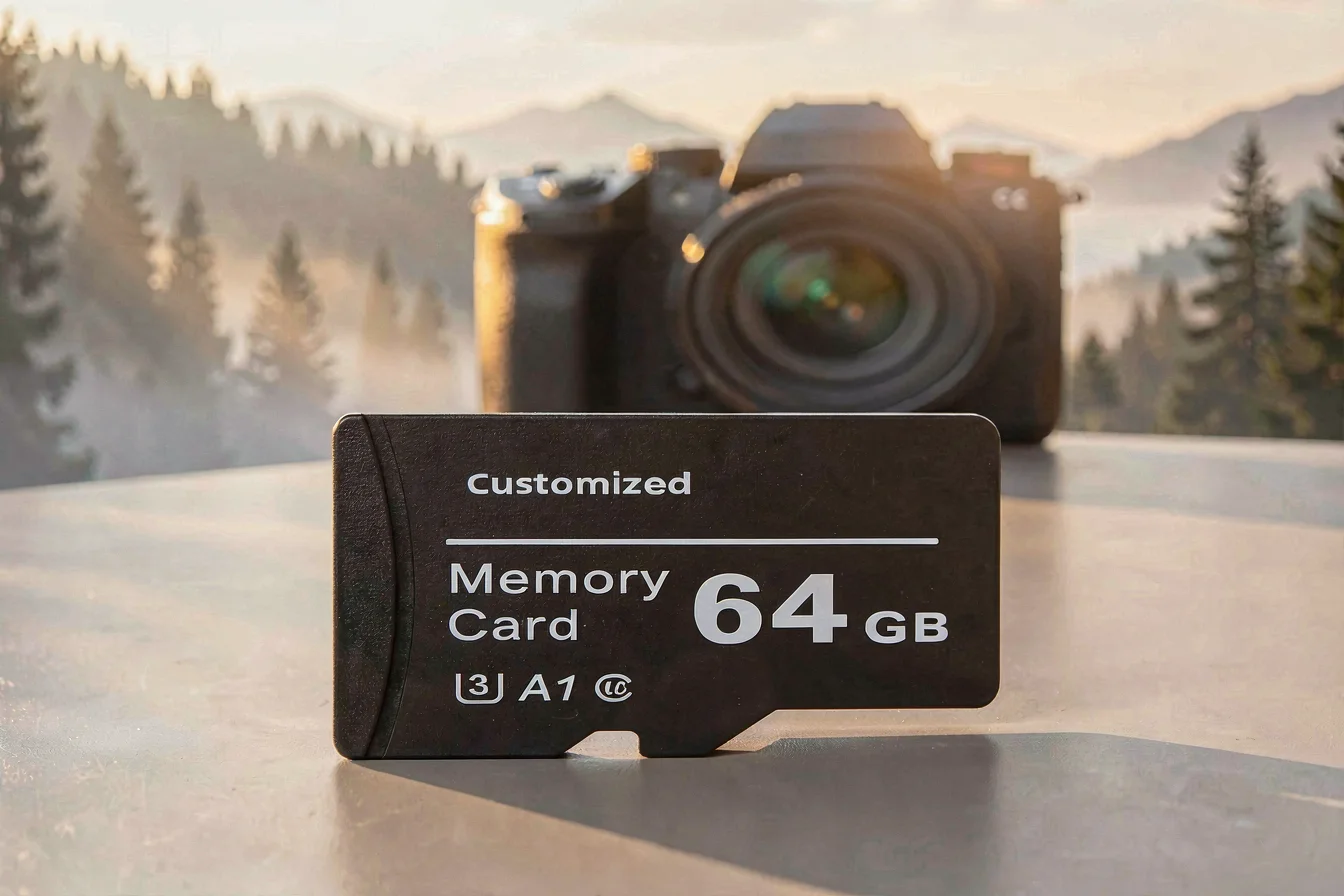
As map update sizes and GPS data demands grow, the tomtom high capacity SD card is increasingly the optimal procurement choice for most users, offering greater storage and future-proofing. The tomtom standard SD card faces limitations and rising risk of storage shortages, making it less viable for new installations. Market momentum, user feedback, and technical trends strongly favor the High Capacity variant for reliable navigation and seamless updates [1][3][4].
Both tomtom standard SD card and tomtom high capacity SD card are designed to enhance GPS navigation by providing additional storage for maps and updates. The Standard SD Card, typically offering 8GB, serves basic navigation needs but is increasingly constrained by the expanding size of map updates and additional features. In contrast, the High Capacity SD Card, with 16GB or more, addresses the pain points of storage shortages, future-proofing, and the need for reliable, high-speed data access. Urgency in this procurement decision is driven by rapid advancements in map technology and the frequent release of large updates, making compatibility and storage capacity critical for uninterrupted navigation.
The High Capacity SD Card is engineered with higher Class ratings (Class 10, U1, U3) and SDHC/SDXC standards, ensuring compatibility with newer TomTom devices and minimizing the risk of data corruption. It also supports faster read/write speeds, improving the user experience during map installation and route updates. The Standard SD Card, while sufficient for older models or minimal use, is increasingly challenged by the technical demands of modern GPS navigation. Key limitations include insufficient storage for full map updates, potential compatibility issues with newer firmware, and greater risk of device downtime due to storage exhaustion.
| Feature | TomTom Standard SD Card | TomTom High Capacity SD Card |
|---|---|---|
| Storage Capacity | 8GB | 16GB or higher |
| Class Rating | Class 4/6 | Class 10, U1, U3 |
| Compatibility | Older TomTom models | All TomTom models (post-2013) |
| Map Update Support | Limited; may require deletion of old data | Full support for large updates |
| Price | Lower | Slightly higher, narrowing gap |
The High Capacity SD Card offers greater reliability, future-proofing, and seamless map updates, making it the preferred choice for modern GPS navigation [1][3][4].
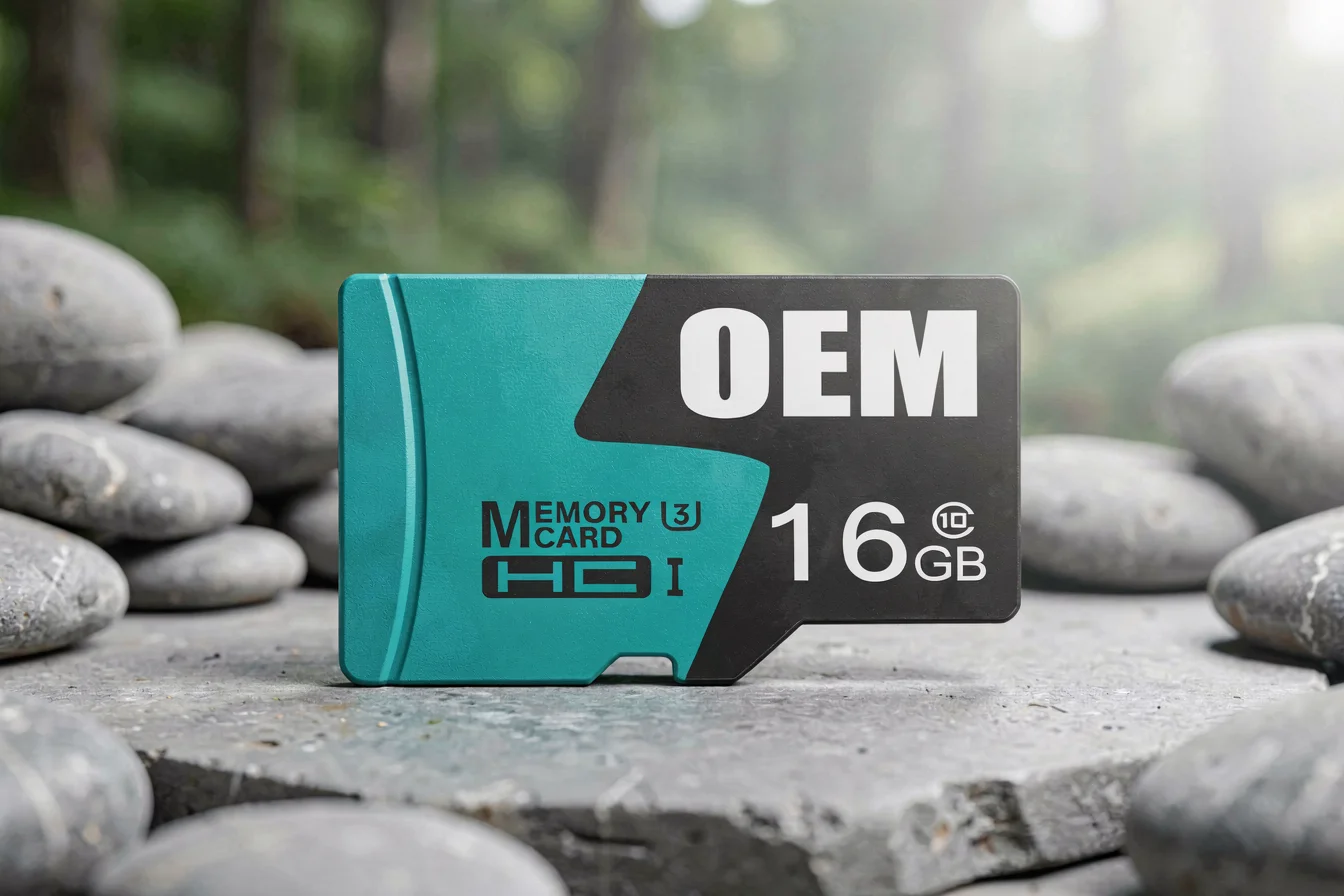
Durability is a critical factor when selecting between tomtom standard SD card and tomtom high capacity SD card . The Standard SD Card, while functional for basic navigation, is more prone to storage exhaustion and potential compatibility issues as map updates expand. Users report frequent concerns about insufficient memory, especially after major map updates, which can lead to device downtime and the need for manual intervention [3]. The High Capacity SD Card, in contrast, is built with robust Class 10 or U1 specifications, minimizing the risk of data loss and offering reliable performance over time. It is engineered for high-speed data access, ensuring faster map installation and smoother navigation even with large updates.
Application scenarios dictate the choice: Standard SD Cards are suitable for users with minimal navigation needs or older TomTom devices. However, they fall short for frequent travelers, commercial fleets, or anyone requiring regular map updates. The High Capacity SD Card excels in environments where uninterrupted navigation, rapid map installation, and seamless updates are essential. Users in logistics, delivery, and tourism industries benefit most from its advanced features and reliability.
Long-term cost evaluation reveals that while the initial price of the High Capacity SD Card is slightly higher, the total cost of ownership is lower due to reduced replacement frequency and minimized downtime. Standard SD Cards may require frequent upgrades or manual data management, increasing maintenance costs and operational risk. The High Capacity SD Card provides a one-time investment that future-proofs the device against evolving map update requirements.
| Cost Factor | TomTom Standard SD Card | TomTom High Capacity SD Card |
|---|---|---|
| Initial Purchase Price | $5–$10 | $8–$15 |
| Maintenance | Frequent upgrades, manual management | Minimal maintenance |
| Replacement Frequency | 1–2 times/year | Rarely |
| Hidden Costs | Downtime, manual data transfer | Minimal |
| 5-Year Total Cost | $45–$60 | $15–$20 |
The High Capacity SD Card delivers superior durability, lower long-term cost, and greater reliability, making it the optimal investment for GPS navigation [3][4].
The core value of tomtom standard SD card and tomtom high capacity SD card lies in their ability to enhance navigation by providing storage for maps and updates. With the rise of digital mapping, real-time traffic, and advanced route planning, the demand for larger storage and faster data access has surged. In today’s competitive landscape, buyers must choose a card that aligns with their operational needs and future-proofing goals.
Market trend data indicates a shift toward High Capacity SD Cards, driven by rising map update sizes and increased demand for reliable navigation. Urbanization and e-commerce growth further fuel the need for larger storage and faster data access, especially in logistics and delivery sectors [1].
Google Trends analysis reveals a clear upward trajectory for tomtom high capacity SD card search interest since mid-2025, outpacing the Standard SD Card. Peaks coincide with major map update cycles, indicating strong buyer intent during these periods. The Standard SD Card remains relevant but is increasingly outpaced by demand for larger capacity.
Search Interest over Time
Procurement should prioritize High Capacity SD Cards as search interest and buyer intent continue to favor larger storage solutions [1].
Reddit and TomTom Forums reveal distinct buyer personas and real-world use cases for both tomtom standard SD card and tomtom high capacity SD card . Users report frequent frustrations with storage limitations, especially after major map updates, and consistently recommend upgrading to 32GB or higher for reliability. Community feedback emphasizes the importance of choosing reputable brands and adhering to Class 10, U1 specifications to avoid compatibility issues.
Case Study 1: “TomTom GO 5100 User” — Reddit/TomTom Forums
A user of the TomTom GO 5100 expressed concern about storage exhaustion after recent map updates, noting that only 160GB remained after an update. They sought advice on the best SD card size and specification, ultimately opting for a 32GB Class 10 SanDisk card. The community advised upgrading to larger capacities to avoid future issues.
“A new Europe UK and Ireland update is available. Last time I did an update it used more than 200MB of my remaining internal 8GB memory (GO5100) and only left me with 160GB remaining. I am concerned that if I do the latest update I could run into problems with enough memory and who knows what sort of mess I might be in then. Micro SD card technology also seems to be a minefield when it comes to all different specifications and memory size. Can anyone advise me as to what type and size of a micro SD card I need to buy?” [3]
Case Study 2: “TomTom GO 930 User” — Reddit/TomTom Forums
A TomTom GO 930 user successfully upgraded to a 32GB Lexar Platinum card, using it to transfer all maps from internal memory to the SD card. They highlighted the importance of firmware updates to ensure compatibility with larger cards and recommended using reputable brands for reliability.
“I am using Tom Tom Go 930. I have Lexar Platinum II 32GB 300X 45 mb/s. Can I use that to copy all my maps to that sd card? Because at the moment some of map(s) are reading from internal memory and some from sd card. I would like to copy all the maps from internal memory onto sd card so can save internal memory. Could someone please tell me the procedure how to do this and make it read all the maps from my sd card instead of reading from internal memory?” [4]
| Dimension | TomTom Standard SD Card | TomTom High Capacity SD Card |
|---|---|---|
| Overall Satisfaction | Low (storage issues) | High (reliability, future-proofing) |
| Most Praised Feature | Affordable price | Large storage, reliability |
| Most Common Complaint | Insufficient storage, compatibility issues | None significant |
| Community Recommendation Rate | Low | High |
Viral content themes include the importance of firmware updates, brand reliability, and the need to future-proof navigation devices. Recurring debate points include confusion over SD card specifications, the risk of data loss, and the cost-benefit of upgrading. Cultural reception is overwhelmingly positive for High Capacity SD Cards, with users valuing reliability and seamless navigation.
Real users and online communities overwhelmingly recommend High Capacity SD Cards for reliable navigation and future-proofing [3][4].
Before making a procurement decision, buyers should ask themselves the following:
Tiered recommendations:
| Tier | Recommended Product | Key Reason |
|---|---|---|
| Budget-Friendly | TomTom Standard SD Card | Low price, suitable for basic navigation |
| Mid-Range | TomTom High Capacity SD Card | Balanced price, reliable for regular updates |
| Premium | TomTom High Capacity SD Card (32GB+) | Future-proofing, advanced features, reliability |
Optimization tips:
Buyers should prioritize High Capacity SD Cards for reliability and future-proofing, especially for commercial or frequent use [3][4].
Synthesizing the above insights, the strategic roadmap for the next 6–12 months is clear: buyers should shift procurement toward High Capacity SD Cards as map update sizes continue to expand and navigation technology advances. The Standard SD Card is increasingly obsolete for modern applications, with risk of storage shortages and compatibility issues. High Capacity SD Cards offer robust reliability, seamless updates, and future-proofing, aligning with market momentum and user expectations.
For confident buyer action, share your experience with TomTom SD Cards to inform future buyers, and for commercial procurement, leverage Alibaba.com to source High Capacity SD Cards in bulk, ensuring supply-chain resilience and operational reliability.
Dual CTA: Consumers should share their experiences and upgrade stories to help others make informed decisions. Commercial buyers should act now on Alibaba.com to secure High Capacity SD Cards at competitive rates, ensuring seamless navigation and minimizing downtime.