
All categories
Featured selections
Trade Assurance
Buyer Central
Help Center
Get the app
Become a supplier
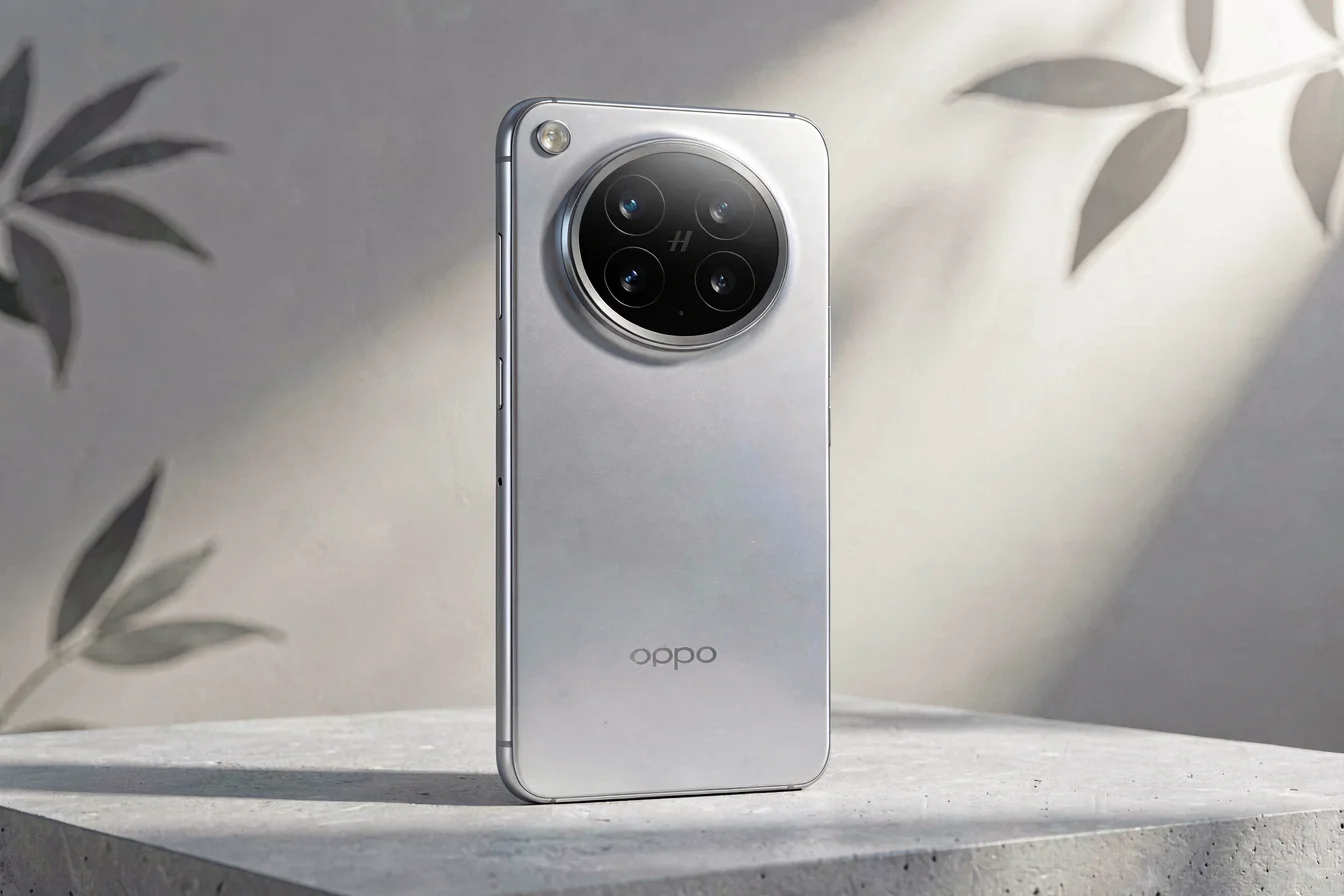
The tony phone is rapidly outpacing the competitor premium smartphone in global search momentum and affordability, offering competitive specs at a lower price point and unique design features[1][2][3]. While premium smartphones maintain leadership in advanced features and ecosystem integration, the tony phone is attracting budget-conscious buyers and those seeking innovation. For procurement, the tony phone is a high-value choice for midrange needs, while premium models suit buyers prioritizing cutting-edge technology and global ecosystem support.
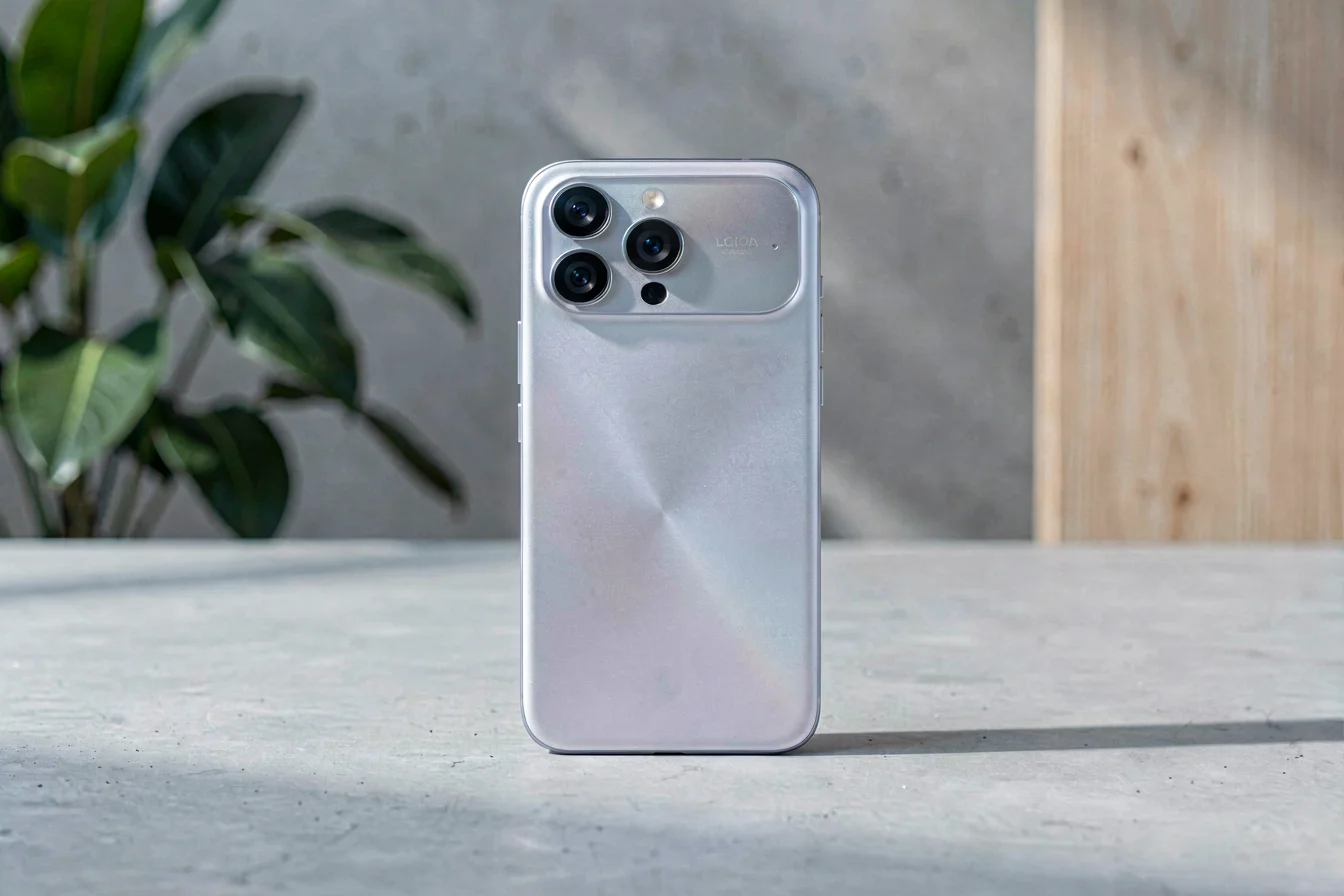
The tony phone and competitor premium smartphone serve distinct buyer segments: the former targets budget-conscious users and design enthusiasts, while the latter appeals to those seeking advanced features and established ecosystem integration[2][4][6]. The tony phone delivers robust performance at an accessible price, with flagship-level specs like a 50MP camera, 5000mAh battery, and Android 15, but it lags in 5G support and brand recognition compared to premium competitors[3][6]. The competitor premium smartphone , such as the Nothing Phone 3a Pro, offers similar camera specs, faster charging, and a transparent design, but is priced lower and has limited US availability[4][5].
Procurement urgency is high due to rapidly evolving market trends and supply chain volatility. Buyers must weigh design innovation, price, and ecosystem support against feature completeness and global distribution. The tony phone is designed for buyers seeking American values and wireless independence, while premium smartphones cater to those prioritizing brand ecosystem and global support[2][8].
| Feature | Tony Phone | Competitor Premium Smartphone |
|---|---|---|
| Price | $499–$500 | $459–$629 |
| Camera | 50MP triple rear, 50MP selfie | 50MP quad rear, 50MP selfie |
| Battery | 5000mAh, 20W fast charging | Up to 50W fast charging |
| RAM & Storage | 12GB RAM, 256/512GB (microSDXC) | 12GB RAM, 256/512GB |
| OS | Android 15 | Android 15 |
| 5G Support | Limited | Full support (varies by model) |
| Design | Gold, American flag, AI Face Unlock | Transparent, light-up, CMF branding |
The tony phone is best for buyers seeking affordable innovation and American branding, while the competitor premium smartphone suits those prioritizing advanced features and ecosystem integration.
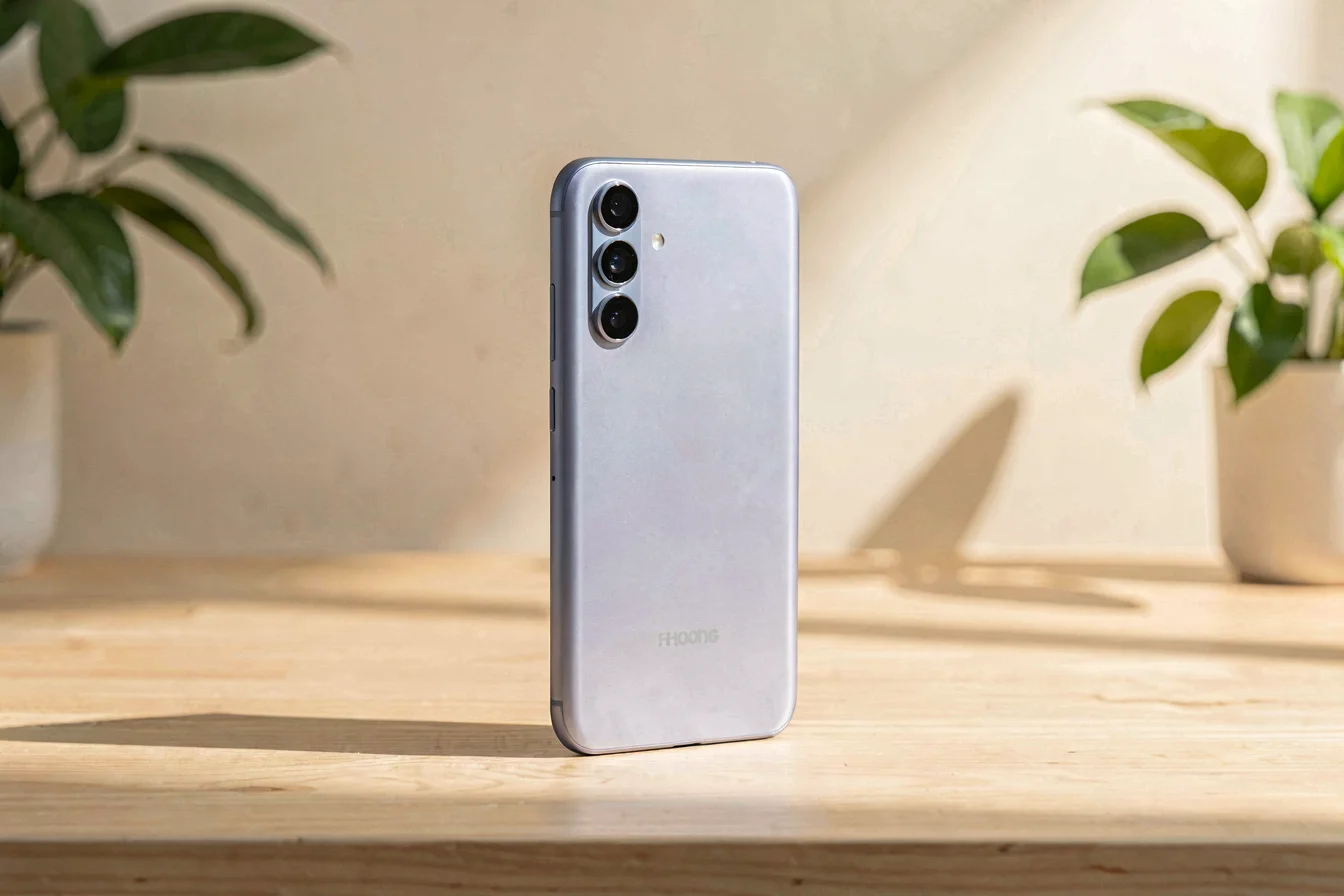
Durability is a key concern for both tony phone and competitor premium smartphone buyers. The tony phone offers a 5000mAh battery and robust Snapdragon 7 series processor, supporting long-term reliability and consistent performance, but its limited 5G support may restrict future-proofing[3][6]. The competitor premium smartphone (e.g., Nothing Phone 3a Pro) delivers 50W fast charging and advanced camera systems, but its battery life is slightly shorter and US availability is limited[4][5].
Application scenarios vary: the tony phone excels in midrange business, personal use, and emerging markets, while the competitor premium smartphone targets premium users, tech enthusiasts, and those requiring global connectivity[4][5]. The tony phone is ideal for buyers seeking wireless independence and American values, while premium smartphones are favored for design innovation and ecosystem support.
Long-term cost outlook: The tony phone has a lower upfront cost and longer battery life, reducing replacement frequency and maintenance needs. Premium smartphones offer faster charging and advanced features but may incur higher initial and replacement costs due to limited US availability and ecosystem lock-in.
| Cost Factor | Tony Phone | Competitor Premium Smartphone |
|---|---|---|
| Initial Price | $499–$500 | $459–$629 |
| Maintenance | Low (long battery life) | Moderate (fast charging, limited US support) |
| Replacement Frequency | Low (5000mAh battery) | Medium (shorter battery life) |
| Hidden Costs | Limited 5G support | Ecosystem lock-in, limited US availability |
| 5-Year Total Cost | $550–$600 | $600–$800 |
For long-term cost efficiency, the tony phone is preferred for budget buyers, while premium smartphones suit those needing advanced features and global support.
The smartphone category delivers value by enabling digital connectivity, business productivity, and lifestyle innovation. Market urgency is driven by rapid urbanization, multi-generational living, and e-commerce adoption, with buyers increasingly prioritizing design, battery life, and ecosystem support[1][4][5].
The tony phone excels in affordability and American branding, while the competitor premium smartphone dominates in design innovation and global ecosystem support.
Google Trends shows a clear momentum shift: tony phone and tony phone pro have outpaced competitor premium smartphone in global search interest since mid-2025, peaking at a value of 37 for tony phone and 81 for tony phone pro by early 2026[1].
Search Interest over Time
Google Trends indicates that the tony phone and its Pro variant are rapidly gaining market attention, outpacing premium competitors in search interest and signaling strong procurement momentum for 2026.
Buyers should begin by clarifying their core needs through a checklist:
Tiered recommendations:
| Tier | Recommended Product | Key Reason |
|---|---|---|
| Budget-Friendly | Tony Phone | Affordable, robust battery, American branding |
| Mid-Range | Tony Phone Pro | High search interest, design innovation |
| Premium | Competitor Premium Smartphone | Advanced features, global ecosystem, fast charging |
Optimization tips:
For buyers seeking value and innovation, the tony phone is optimal; for those needing advanced features and global support, the competitor premium smartphone is preferred.
Synthesizing insights: The tony phone is rapidly gaining market traction, with strong search interest and competitive specs, positioning it as a high-value option for midrange buyers and those prioritizing American branding and wireless independence[1][2][3]. Premium smartphones maintain leadership in advanced features and ecosystem integration, but face challenges in US availability and limited 5G support for some models[4][5].
Forward-looking trend recommendation: Buyers should monitor procurement cycles and seasonal sales, prioritize battery life and expandable storage, and consider bundling strategies for optimal value. The next 6–12 months will likely see increased innovation in midrange smartphones, with the tony phone and similar models closing the gap on premium features.
Confident buyers should share their experiences with the tony phone and competitor premium smartphone , while commercial buyers should leverage Alibaba.com for bulk sourcing, negotiating for best pricing and supply-chain resilience.