
All categories
Featured selections
Trade Assurance
Buyer Central
Help Center
Get the app
Become a supplier
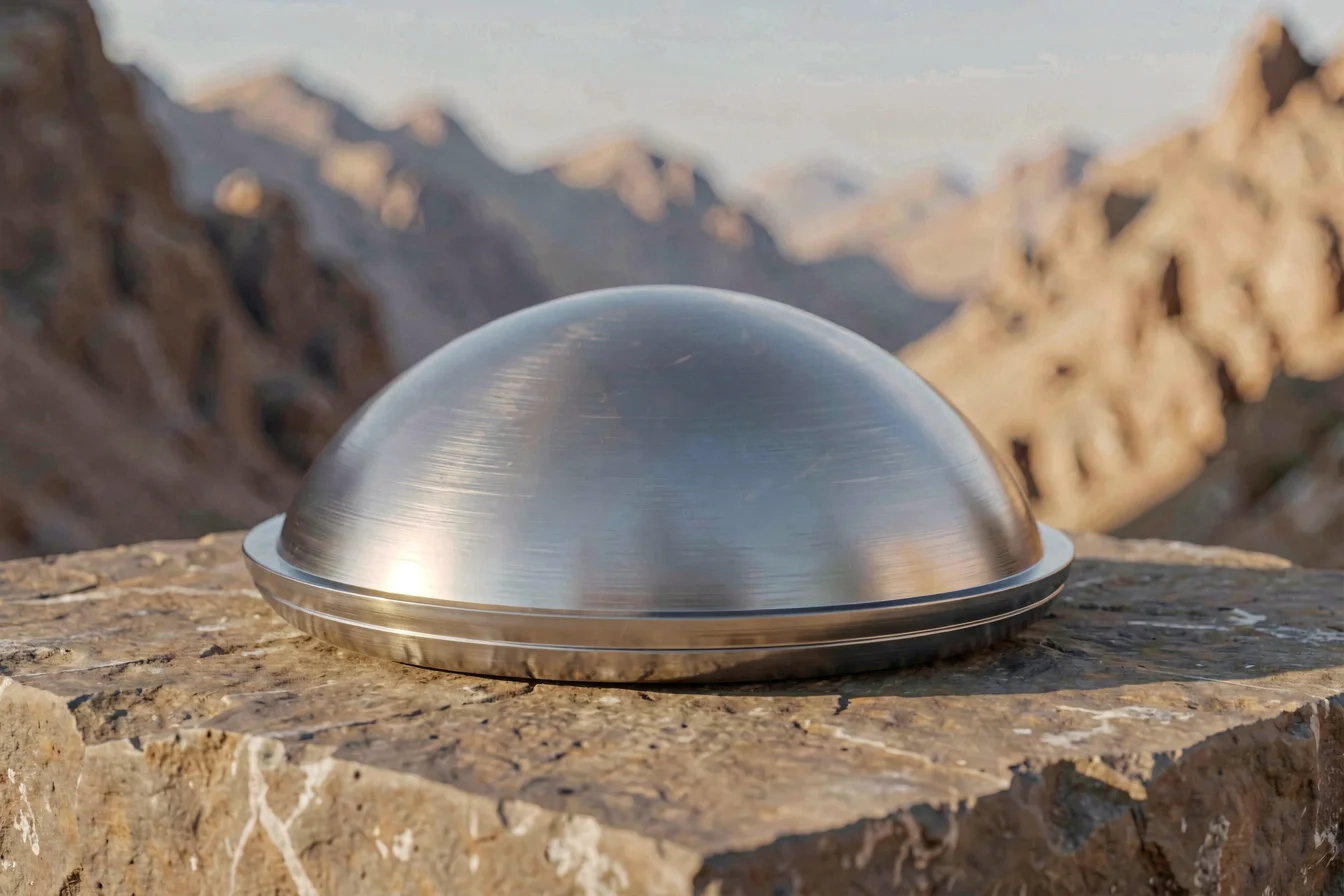
For pressure vessel applications, torispherical head offers cost-efficient, moderate-pressure performance, while dished end delivers superior reliability and structural integrity in demanding, high-pressure environments. Procurement should align selection with operational requirements—Torispherical Heads for cost-sensitive, low-pressure projects and Dished Ends for high-stress, industrial-grade applications. Decisive buyer action is crucial, as head selection directly impacts safety, efficiency, and long-term cost [2][3][4].
Both torispherical head and dished end serve as end closures for pressure vessels, each addressing distinct operational and cost challenges. Torispherical Heads—also known as flanged and dished (F&D) heads—are engineered for moderate-pressure environments, combining a spherical crown and toroidal knuckle to distribute stress efficiently, reduce manufacturing complexity, and lower costs [2][3][4]. Dished Ends (often ellipsoidal or hemispherical) are designed for high-pressure scenarios, offering superior structural integrity and minimal stress concentration, but at the expense of higher fabrication costs and more complex geometry [4][6].
The urgency in procurement arises from the need to balance structural safety, operational efficiency, and budget constraints. Torispherical Heads are favored for their ease of fabrication, compact design, and lower material consumption, making them ideal for industrial storage tanks and moderate-pressure reactors. Dished Ends, particularly ellipsoidal or hemispherical types, are preferred in chemical processing, power generation, and gas storage where pressure resistance and reliability are critical [4][6]. Recent engineering discussions highlight the importance of head geometry in stress distribution and volume calculation, influencing both design and procurement decisions [8][9].
Torispherical Heads are optimal for moderate-pressure, cost-sensitive projects; Dished Ends deliver unmatched performance in high-pressure, demanding environments.
| Feature | Torispherical Head | Dished End |
|---|---|---|
| Stress Distribution | Efficient, but potential concentration at knuckle | Minimal, smooth curvature |
| Fabrication Complexity | Lower, easier stamping | Higher, complex shaping |
| Material Consumption | Lower | Higher |
| Typical Applications | Storage tanks, moderate-pressure reactors | High-pressure vessels, gas storage |
| Cost Efficiency | High | Moderate to High |
| Certifications | ASME, DIN | ASME, EN, DIN |
Durability is a central concern in head selection, as structural integrity directly affects operational safety and maintenance costs. Torispherical head offers reliable performance in moderate-pressure applications, with an expected lifespan of 15–25 years under standard conditions, provided proper welding and material selection are maintained [3][7]. Dished Ends, especially ellipsoidal or hemispherical types, excel in high-pressure environments, with lifespans exceeding 25 years and minimal risk of stress-related failures [4][6].
Key application scenarios highlight the distinct strengths of each design. Torispherical Heads are commonly used in industrial storage tanks, boilers, and distillation columns, where moderate pressure and cost efficiency are priorities [3][7]. Dished Ends dominate chemical processing, power generation, and gas storage, where structural reliability is paramount [4][6].
The long-term cost outlook reveals that Torispherical Heads have lower initial purchase and maintenance costs, but may require more frequent inspection for stress concentration at the knuckle. Dished Ends incur higher upfront costs but deliver lower replacement frequency and reduced risk of catastrophic failure, making them cost-effective for high-pressure applications [4][6].
Torispherical Heads are durable and cost-efficient for moderate-pressure, while Dished Ends offer superior reliability and long-term value in demanding environments.
| Cost Factor | Torispherical Head | Dished End |
|---|---|---|
| Initial Purchase Price | Lower | Higher |
| Maintenance Frequency | Moderate (knuckle inspection) | Low |
| Replacement Frequency | Moderate | Low |
| Hidden Costs | Stress inspection, potential reinforcement | Minimal |
| 5-Year Cost Outlook | Lower total cost, moderate risk | Higher total cost, low risk |
The core value of torispherical head and dished end lies in their ability to balance structural integrity, cost efficiency, and operational flexibility. In today’s competitive industrial landscape, the urgency of selecting the right head design cannot be overstated, as it directly affects safety, maintenance, and procurement costs. Torispherical Heads are favored for their compact geometry and cost-effective manufacturing, making them ideal for moderate-pressure industrial tanks and boilers [3][7]. Dished Ends, especially ellipsoidal and hemispherical, are preferred for high-pressure chemical reactors and gas storage vessels, where reliability and stress resistance are non-negotiable [4][6].
Torispherical Heads excel in cost-sensitive, moderate-pressure projects; Dished Ends dominate high-pressure, reliability-critical applications.
Google Trends data (2025–2026) reveals that dished end consistently outpaces torispherical head in search interest, with values ranging from 70 to 88 for Dished Ends versus 47 to 67 for Torispherical Heads [1]. This indicates stronger buyer intent for high-performance, reliability-focused designs, especially in industrial and chemical sectors.
Search Interest over Time
Actionable insight: Buyers should prioritize Dished Ends for high-pressure, reliability-critical applications, while Torispherical Heads remain viable for moderate-pressure, cost-sensitive projects. Seasonality is less pronounced, but peak interest aligns with industrial expansion and regulatory updates.
Case studies from Reddit and TikTok highlight practical challenges and expectations in head selection. One chemical engineering student developed a vessel volume calculator covering multiple head types—including torispherical head and dished end —emphasizing the need for accurate volume and stress distribution calculations in process design [8][9]. A mechanical engineer discussed the use of offset tools for 3D sketch projection, noting the complexity of modeling torispherical heads in CAD software [10]. These discussions underscore the importance of geometry and stress distribution in procurement decisions.
Torispherical Heads are praised for their cost efficiency and ease of fabrication, but criticized for potential stress concentration. Dished Ends are valued for reliability and minimal stress, but seen as complex and expensive.
“Torispherical heads are much easier to machine. The ellipsoidal head is deformed under pressure, which means it tends to produce opposite radial displacement in the joint. The torispherical head, on the other hand, is formed by the stamping process, which is basically not difficult.” [5]
“The bending radius of ellipsoidal head is continuous and no stress is generated, so it can be used in higher pressure vessels; while the joint of disc-shaped head is discontinuous and stress exists, so this type of head is chosen for low pressure vessels.” [5]
| Dimension | Torispherical Head | Dished End |
|---|---|---|
| Overall Satisfaction | Moderate | High |
| Most Praised Feature | Cost efficiency, ease of fabrication | Reliability, minimal stress |
| Most Common Complaint | Stress concentration at knuckle | Higher cost, complex geometry |
| Community Recommendation Rate | Moderate | High |
Table data sourced from [5][8][9][10].
Viral content themes include volume calculation tools, stress distribution, and CAD modeling challenges. Recurring debate points revolve around head geometry, stress concentration, and cost efficiency. Cultural reception is pragmatic, with engineers and students favoring Dished Ends for reliability and Torispherical Heads for cost savings.
Buyers must assess their core requirements before selecting a head design. Key questions include: What is the primary use case? What pressure and temperature conditions will the vessel face? What is the budget range? Are reliability or cost efficiency the top priorities? Must-have features (e.g., stress resistance, ease of fabrication) should be weighed against nice-to-have features (e.g., compact geometry, volume optimization) [2][3][4].
Tiered recommendations clarify optimal selection:
| Tier | Recommended Product | Key Reason |
|---|---|---|
| Budget-Friendly | Torispherical Head | Lower cost, moderate pressure |
| Mid-Range | Torispherical Head / Ellipsoidal Dished End | Balanced cost, moderate to high pressure |
| Premium | Dished End | Superior reliability, high pressure |
Buyers should match head selection to their operational needs, budget, and risk tolerance, prioritizing reliability for high-pressure projects and cost efficiency for moderate-pressure applications.
Optimization tips: Time purchases to coincide with industrial expansion or regulatory updates for best pricing. Consider bundling heads with vessel bodies for cost savings. Prioritize overlooked features such as stress distribution and certification compliance. Avoid common mistakes like ignoring stress concentration or underestimating replacement frequency. Always verify supplier credentials and certifications before procurement.
Synthesizing insights from technical, market, and social data, torispherical head remains the optimal choice for cost-sensitive, moderate-pressure applications, while dished end delivers unmatched reliability and stress resistance for demanding, high-pressure environments. Forward-looking trends indicate continued demand for Dished Ends in chemical processing, power generation, and gas storage, driven by regulatory tightening and industry expansion [1]. Torispherical Heads will see steady demand in storage tanks and boilers, especially as cost efficiency and ease of fabrication remain procurement priorities.
For the next 6–12 months, buyers should prioritize Dished Ends for high-pressure, reliability-critical projects and Torispherical Heads for cost-sensitive, moderate-pressure applications.
Emotional call-to-action: Share your experiences with head selection and stress distribution challenges in online engineering communities. Commercial buyers should source from Alibaba.com for certified, reliable heads and leverage supplier expertise to optimize procurement decisions. Confident buyer action is essential—align your head selection with operational requirements, budget, and risk tolerance for maximum efficiency and safety.