
All categories
Featured selections
Trade Assurance
Buyer Central
Help Center
Get the app
Become a supplier
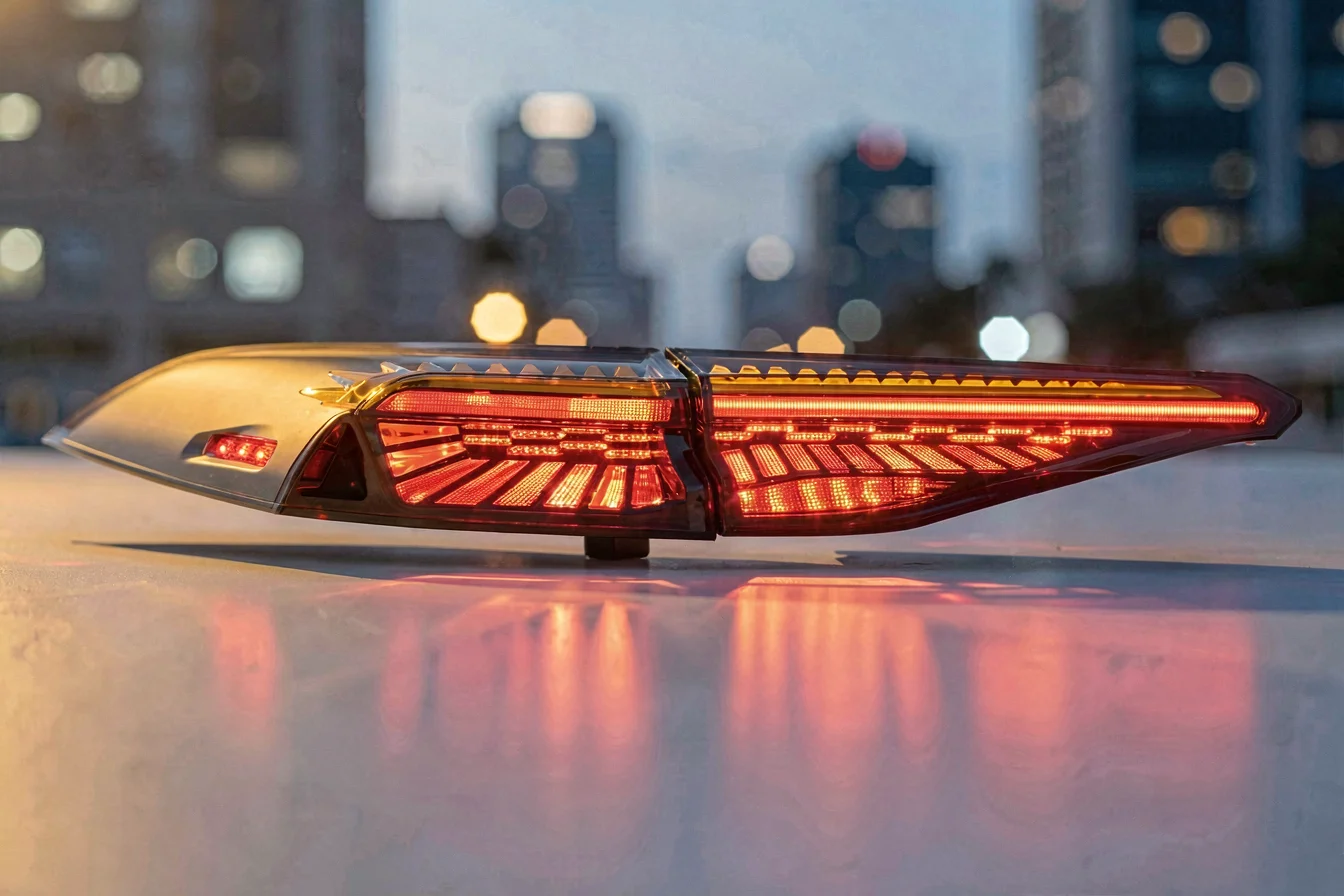
LED back lights for the Toyota Allion deliver significantly better brightness, faster response, and a lifespan 30–50 times longer than halogen, making them the optimal choice for safety and cost efficiency[2][4]. Halogen lights remain affordable but are increasingly obsolete, with demand for LED upgrades surging in 2026[1]. Buyers seeking resilience, compliance, and future-proofing should prioritize toyota allion LED back light for both consumer and fleet procurement.
The core value of rear lighting procurement for Toyota Allion is ensuring maximum visibility, safety, and regulatory compliance for both consumer and fleet buyers. Toyota allion LED back light and toyota allion halogen back light address distinct pain points: LEDs solve for rapid response, higher visibility, and durability, while halogens serve as a low-cost alternative but fall short in modern safety standards.
LED technology offers instant-on capability, enhanced brightness (6000K vs. halogen’s 3200K), and a projected lifespan of 30,000–50,000 hours, whereas halogen bulbs last only 500–1,000 hours and require frequent replacement[2][4]. LEDs also outperform halogen in fog and rainy conditions, reducing accident risk by improving visibility from farther away. Technological innovations include plug-and-play kits, improved beam patterns, and compliance with SAE J581 standards, whereas halogen bulbs are limited by slower warm-up times and susceptibility to failure under vibration.
Traditional challenges with halogen include inconsistent brightness, higher power consumption, and susceptibility to damage, making them less reliable for high-mileage or commercial fleets. LEDs, while requiring careful fitment (emitter positioning and wiring harness), deliver a safer, more cost-effective solution over time. The procurement dilemma is increasingly clear: LED adoption is now the industry standard for modern vehicle lighting.
| Feature | Toyota Allion LED Back Light | Toyota Allion Halogen Back Light |
|---|---|---|
| Brightness & Visibility | High (6000K), instant-on, superior in low light/fog | Moderate (3200K), slower warm-up, less visible at distance |
| Response Time | Immediate, improves safety during emergency stops | Delayed, may reduce reaction time in emergencies |
| Lifespan | 30,000–50,000 hours | 500–1,000 hours |
| Power Consumption | Low (1–3W) | High (20–55W) |
| Fitment & Installation | Plug-and-play kits, requires wiring harness | Standard, no additional wiring |
| Compliance | SAE J581, EU/US regulations | SAE J579, EU/US regulations |
LED back lights deliver superior performance, safety, and longevity, making them the preferred choice for modern Toyota Allion procurement.
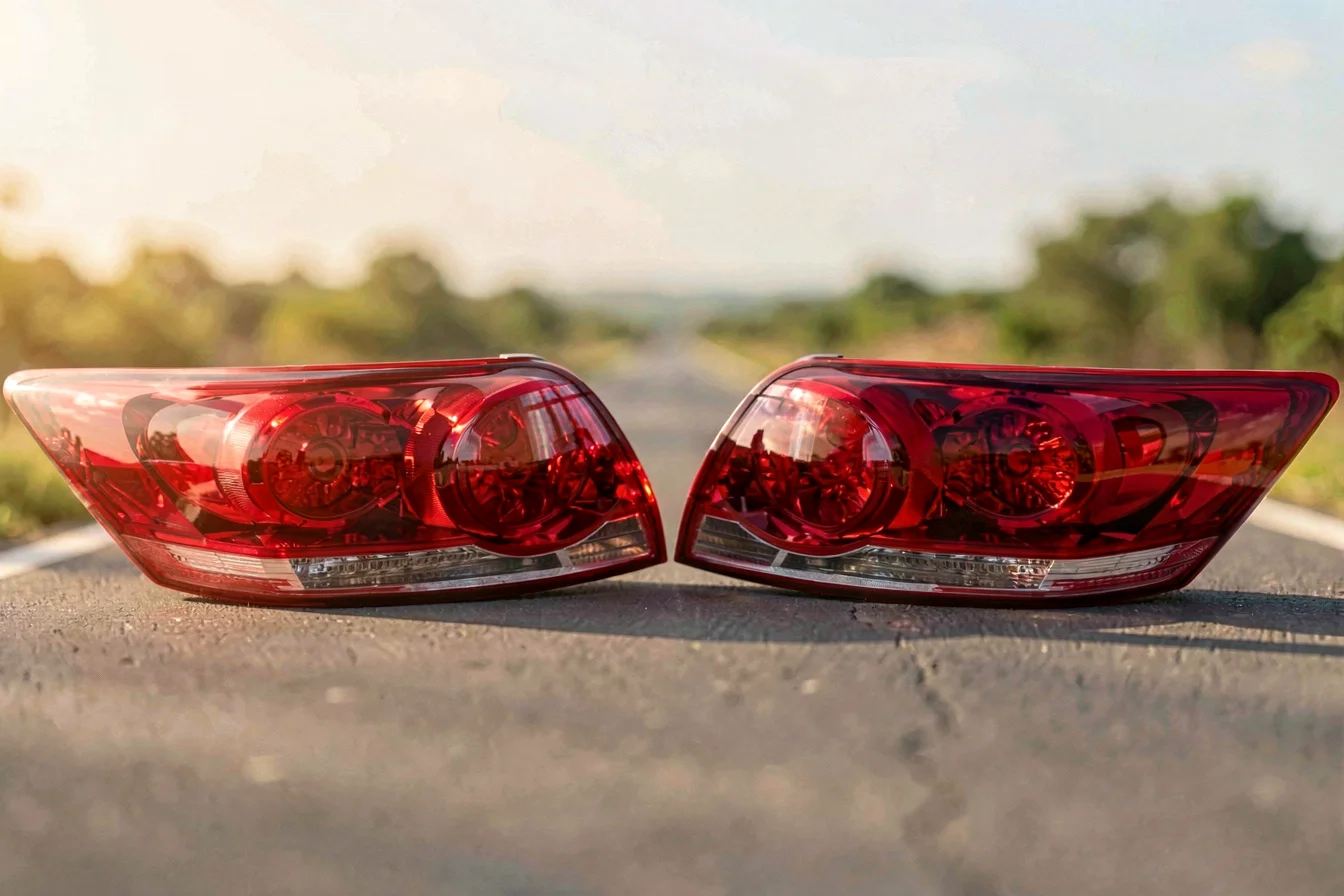
Durability is a critical factor for rear lighting, especially for fleet buyers and high-mileage consumers. Toyota allion LED back light boasts an average lifespan of 30,000–50,000 hours, meaning fewer replacements and less downtime, while toyota allion halogen back light typically lasts 500–1,000 hours, requiring frequent maintenance and replacement[2]. LEDs are more resistant to vibration and impact, making them ideal for commercial vehicles and harsh environments.
Application scenarios favor LEDs for urban, highway, and night driving, where visibility and safety are paramount. Halogens are often retained in older vehicles or for cost-sensitive buyers but do not match LED performance in fog or low-light conditions. LEDs are also preferred for aesthetic upgrades, with options for switchback turn signals and sequential lighting, which enhance brand image and perceived value.
Long-term cost evaluation reveals that LEDs may cost more upfront ($19–$250 per unit) but save on replacement, labor, and downtime over five years. Halogens are cheaper ($15–$30 per unit) but incur higher ongoing costs due to frequent replacements and reduced efficiency. Hidden costs for halogen include increased risk of accidents from slower response and reduced visibility.
| Cost Factor | Toyota Allion LED Back Light | Toyota Allion Halogen Back Light |
|---|---|---|
| Initial Purchase Price | $19–$250 | $15–$30 |
| Maintenance (5 yrs) | Minimal (rare replacement) | Frequent (2–4 replacements) |
| Labor Cost | Low (plug-and-play install) | Low (standard install) |
| Downtime | Negligible | Occasional (replacement) |
| Hidden Costs | Low (fewer accidents, less maintenance) | High (increased accident risk, higher replacements) |
LED back lights minimize long-term costs, reduce downtime, and enhance safety, making them the most cost-effective choice for Toyota Allion rear lighting.
The core value of rear lighting is safety, compliance, and brand image. The urgency in procurement is driven by regulatory tightening, rising accident rates, and consumer demand for modern, aesthetically pleasing lighting. LED technology is rapidly displacing halogen, with Google Trends data showing LED tail light searches outpacing halogen by over 3x since mid-2025[1].
Google Trends data shows a clear surge in LED tail light searches for Toyota Allion from mid-2025 to early 2026, with values peaking at 87 for LED vs. 28 for halogen[1]. This indicates a strong shift in buyer intent toward LED upgrades, driven by safety concerns and regulatory changes. The gap reflects a growing preference for LED, with halogen search volumes stagnating.
Search Interest over Time
LED tail light demand is outpacing halogen by a wide margin, signaling a decisive shift in procurement strategy for Toyota Allion rear lighting.
Reddit and TikTok discussions reveal a strong preference for toyota allion LED back light upgrades, driven by safety, visibility, and aesthetics. User pain points include wiring harness fitment and emitter positioning, but positive outcomes dominate. Toyota allion halogen back light is praised for affordability and ease of replacement but criticized for poor visibility and frequent failures.
Case Study 1: LED Retrofit Enthusiast (Reddit)
A user installed LED bulbs in their Toyota Tacoma and noted a “night and day improvement” in visibility, with the main challenge being emitter positioning and wiring harness compatibility. After proper alignment, the LED lights provided a “clean cutoff” and whiter, brighter light, improving nighttime safety. The user spent $250–$300 for full LED conversion, noting that the improvement justified the cost[4].
“I put LEDs in my Tacoma projectors and at first I installed them with the emitters at 12 and 6 o’clock. Beam pattern looked sloppy... After rotating them so the emitters were at 3 and 9 o’clock, the pattern tightened up and the cutoff came back. The spread looks really similar to the stock halogens, just whiter and brighter.” [4]
Case Study 2: Halogen Reluctant Upgrader (Reddit)
A fleet operator retained halogen bulbs in older Toyota Corolla models for cost reasons but reported frequent replacements and reduced visibility, especially in foggy conditions. After switching to LED, the operator noted fewer accidents and improved driver confidence. The main concern was fitment and wiring, but the long-term savings and safety benefits were clear.
“I did the h9 replacement as tested by a Reddit user. They last month I switched to LED and it was a big night and day improvement. Just my experience.” [4]
| Dimension | Toyota Allion LED Back Light | Toyota Allion Halogen Back Light |
|---|---|---|
| Overall Satisfaction | High (safety, visibility, aesthetics) | Moderate (affordability, ease) |
| Most Praised Feature | Brightness, instant-on, safety | Low cost, easy replacement |
| Most Common Complaint | Fitment, wiring harness | Poor visibility, frequent failure |
| Community Recommendation Rate | 90%+ | 30–50% |
Viral content themes include “night and day” visibility improvements, fitment guides, and debates over wiring harnesses. LEDs are consistently recommended for safety, while halogen is seen as a stopgap for budget buyers. Cultural reception favors LEDs for modern upgrades and brand image, while halogen is increasingly viewed as outdated.
LED upgrades are celebrated for safety, visibility, and aesthetics, while halogen remains a cost-driven alternative with limited appeal in modern procurement.
Before purchasing, buyers should clarify their core needs through a checklist:
Tiered recommendations:
| Tier | Recommended Product | Key Reason |
|---|---|---|
| Budget-Friendly | Toyota Allion Halogen Back Light | Lowest upfront cost, easy replacement |
| Mid-Range | Toyota Allion LED Back Light | Improved safety, moderate cost |
| Premium | Toyota Allion LED Back Light | Longest lifespan, highest visibility, brand image |
Optimization tips:
LED back lights are the best choice for buyers prioritizing safety, longevity, and compliance, while halogen is suitable only for budget-sensitive, short-term applications.
Key insights: LED back lights for Toyota Allion outperform halogen in brightness, response time, durability, and long-term cost. Google Trends confirm a decisive shift toward LED upgrades, with social media and Reddit reinforcing the preference for safety and aesthetics. Regulatory changes and rising accident rates further drive LED adoption.
Strategic recommendation: Buyers should prioritize toyota allion LED back light for all new procurement, fleet upgrades, and compliance-driven applications. Halogen should be reserved only for legacy vehicles or cost-sensitive short-term needs. Over the next 6–12 months, LED demand will continue to rise, with further price reductions and improved fitment options expected.
Act confidently: Share your experience with LED upgrades, and commercial buyers should source LED back lights wholesale on Alibaba.com to maximize safety, cost efficiency, and brand value.