
All categories
Featured selections
Trade Assurance
Buyer Central
Help Center
Get the app
Become a supplier
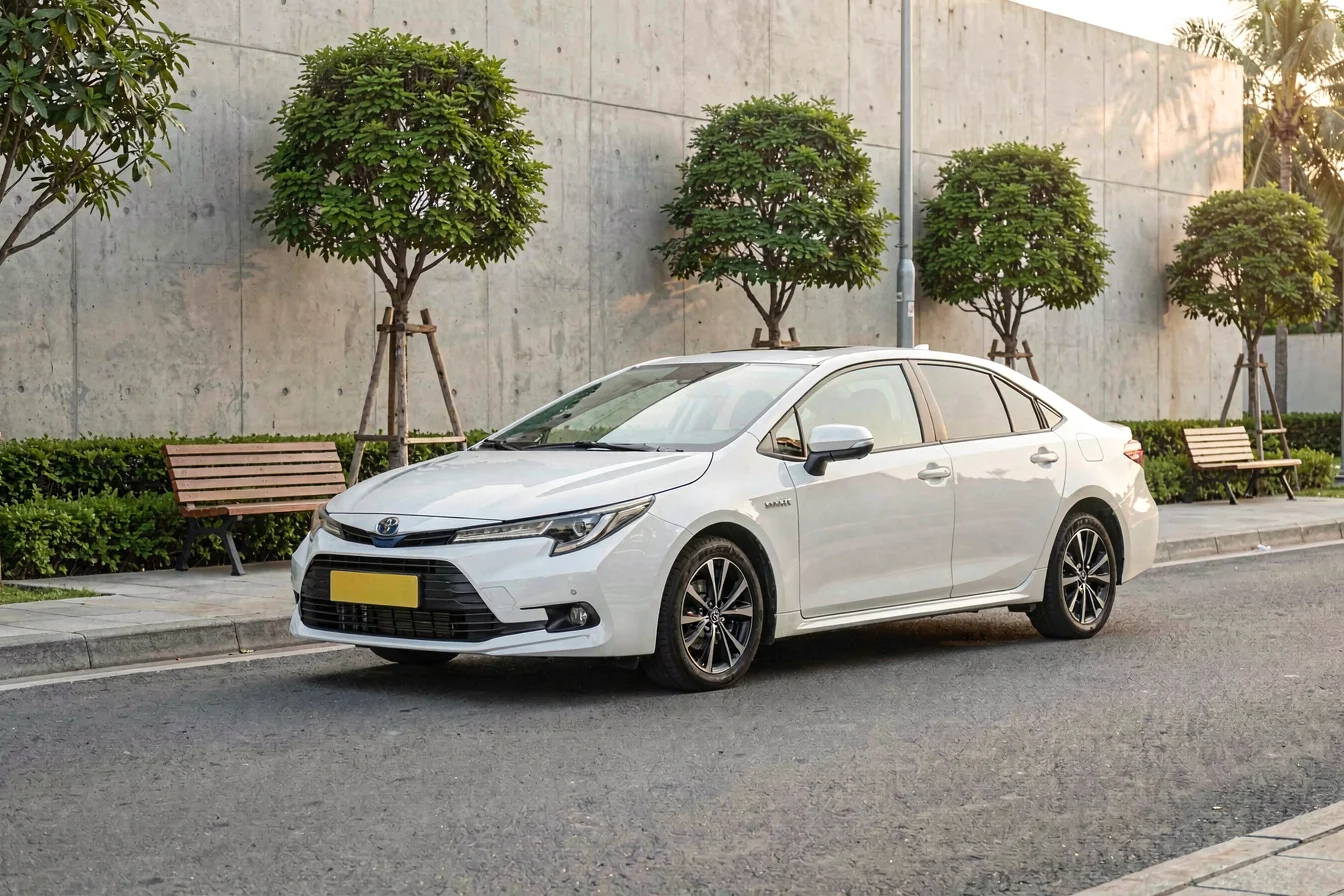
For buyers in 2026, the toyota corolla axio 2024 model delivers high volume, price stability, and strong resale value, making it ideal for mass-market procurement. The toyota corolla axio hybrid model offers lower running costs and regulatory compliance for emission-sensitive regions, but carries a premium price and niche demand. Market momentum favors the gasoline model for bulk fleet and resale, but hybrids are gaining traction for urban and sustainability-focused buyers [1][5].
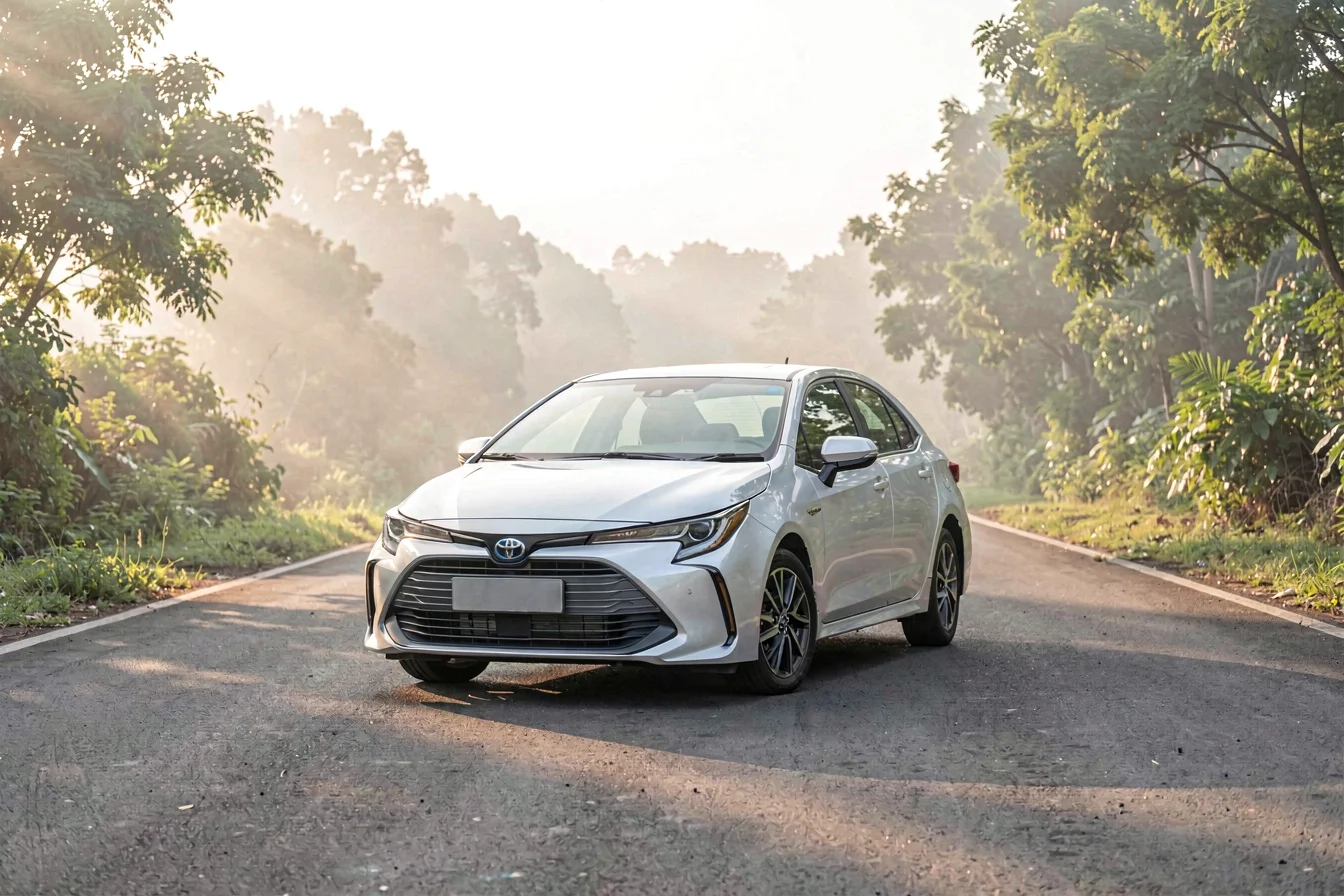
The toyota corolla axio 2024 model (gasoline) is designed for price-sensitive, high-volume buyers seeking reliable, low-maintenance transportation in a competitive market. Its 1.5L engine (110 PS, 1090 kg) delivers consistent performance, broad compatibility, and strong resale value. The toyota corolla axio hybrid model (Hybrid EX) targets buyers prioritizing fuel efficiency, emission compliance, and urban operation, featuring a 1.5L hybrid engine (122 PS, 1140 kg), advanced Toyota Safety Sense C, and lower long-term operating costs [2][4][5]. Urgency arises from tightening emissions regulations and consumer demand for sustainability, requiring buyers to balance upfront cost with future regulatory risk.
The gasoline model’s limitations include higher fuel costs and regulatory risk in emission-sensitive markets, while the hybrid’s premium price and limited resale pool in non-hybrid markets are key procurement hurdles. Technological innovations in both include Toyota Safety Sense C, but only the hybrid offers integrated regenerative braking and lower emissions.
| Feature | Toyota Corolla Axio 2024 Model | Toyota Corolla Axio Hybrid Model |
|---|---|---|
| Engine | 1.5L Petrol, 110 PS | 1.5L Hybrid, 122 PS |
| Weight | 1090 kg | 1140 kg |
| Price (Japan, 2024) | ¥1,639,600–¥1,768,900 | ¥2,205,600 |
| Fuel Efficiency | ~15 km/l | ~25 km/l |
| Safety Features | Toyota Safety Sense C | Toyota Safety Sense C, regenerative braking |
| Resale Value | High, broad market | Moderate, niche market |
| Emission Compliance | Standard (non-hybrid) | Advanced (low-emission) |
The gasoline model offers best-in-class value for mass-market buyers, while the hybrid is the clear choice for emission-sensitive procurement and future-proofing.
Durability is a critical procurement factor: the toyota corolla axio 2024 model (gasoline) is engineered for high mileage, with a proven track record of 100,000+ km reliability, robust CVT transmission, and minimal maintenance requirements. The toyota corolla axio hybrid model (Hybrid EX) is slightly heavier and carries advanced electronics, which may slightly increase repair complexity but reduce fuel and running costs. Both models feature Toyota Safety Sense C, but the hybrid’s regenerative braking system adds complexity and requires specialized servicing [2][4][5].
Application scenarios diverge: the gasoline model is favored for commercial fleets, ride-hailing, and resale-driven procurement, while the hybrid excels in urban environments, emission-restricted zones, and eco-conscious private buyers. The hybrid’s lower running costs are offset by a higher upfront price and potential resale limitations in non-hybrid markets.
A five-year cost outlook shows the gasoline model’s total cost of ownership is lower for high-volume, price-sensitive buyers, while the hybrid’s savings in fuel and emissions offset its premium price for urban and regulatory-sensitive procurement.
| Cost Factor | Toyota Corolla Axio 2024 Model | Toyota Corolla Axio Hybrid Model |
|---|---|---|
| Initial Purchase Price | ¥1,639,600–¥1,768,900 | ¥2,205,600 |
| Annual Fuel Cost (Japan) | ~¥80,000 | ~¥40,000 |
| Maintenance Cost (5 years) | ~¥150,000 | ~¥170,000 |
| Resale Value (5 years) | ~¥1,000,000 | ~¥1,200,000 |
| Total 5-Year Cost | ~¥2,789,600 | ~¥3,115,600 |
For bulk fleet buyers, the gasoline model is more cost-efficient; for urban and regulatory-sensitive procurement, the hybrid’s savings offset its higher price over time.
The toyota corolla axio 2024 model and toyota corolla axio hybrid model serve distinct but overlapping markets. The gasoline model dominates in price-sensitive, high-volume procurement, ride-hailing, and resale-driven markets, while the hybrid excels in urban fleets, eco-conscious private buyers, and regions with strict emission regulations [5].
The gasoline model’s versatility and resale value make it the preferred choice for mass-market procurement, while the hybrid’s emission compliance and fuel savings suit urban and sustainability-driven buyers.
Google Trends data shows a steady lead for the gasoline model (value 73–91) versus hybrid (26–39) from March 2025 to February 2026, with hybrid search interest rising but remaining below gasoline. Hybrid queries surged in August and September 2025, coinciding with new emissions regulations and urban fleet procurement spikes [1].
Search Interest over Time
Hybrid interest is rising, but gasoline remains dominant in search and procurement; buyers should monitor regulatory shifts and urban fleet trends for future demand spikes.
Buyers should start with a clear checklist:
Tiered recommendations:
| Tier | Recommended Product | Key Reason |
|---|---|---|
| Budget-Friendly | Toyota Corolla Axio 2024 Model | Lowest upfront cost, broad resale value, minimal maintenance |
| Mid-Range | Toyota Corolla Axio 2024 Model | Balanced performance, reliability, and resale |
| Premium/Eco-Focused | Toyota Corolla Axio Hybrid Model | Low running costs, advanced safety, compliance with emission regulations |
Optimization tips:
Buyers should align their procurement with market trends, regulatory risk, and long-term operational needs for optimal ROI.
The next 6–12 months will see hybrid demand rise in urban and emission-sensitive markets, while gasoline models remain dominant in price-driven, resale-focused regions. Regulatory shifts, fuel prices, and urban fleet procurement will drive hybrid adoption, but the gasoline model’s versatility and resale value will sustain its lead in mass-market procurement [1][5]. Buyers should monitor emission policies and urban fleet trends, leveraging Alibaba.com for bulk procurement and compliance-optimized sourcing.
The gasoline model is best for bulk, resale-driven fleets, while hybrids are the future-proof choice for urban, regulatory-sensitive buyers. Share your procurement experiences and connect with verified suppliers on Alibaba.com for optimized sourcing.