
All categories
Featured selections
Trade Assurance
Buyer Central
Help Center
Get the app
Become a supplier
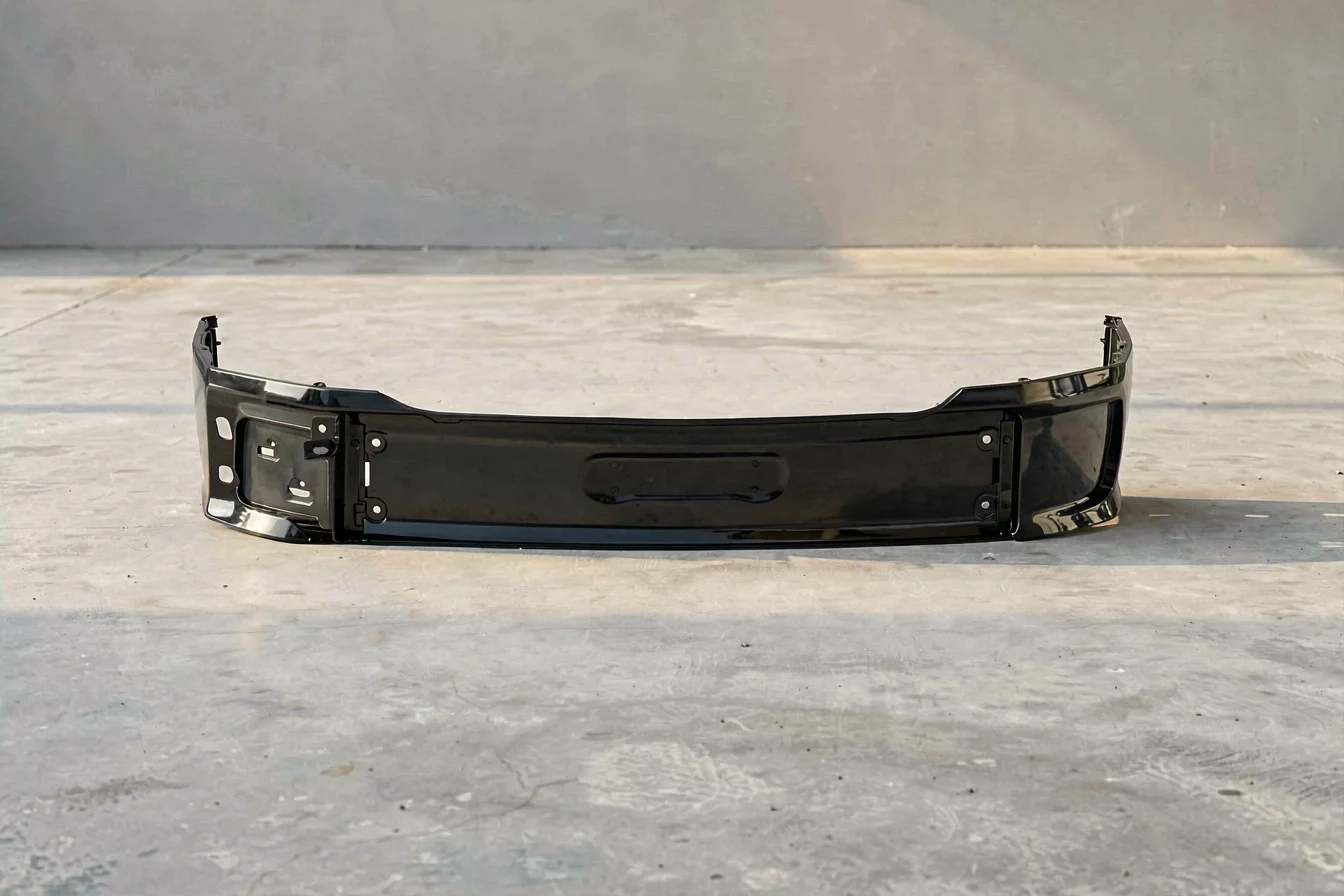
Buyers seeking optimal fit, crash performance, and insurance compatibility should prioritize toyota probox front bumper OEM , while those focused on cost and customization may prefer toyota probox front bumper aftermarket . Google Trends and social sentiment show aftermarket bumpers are increasingly popular for price and flexibility, but OEM remains dominant for safety-critical repairs and insurance claims[1][2][3]. Procurement logic: OEM is best for warranty, insurance, and high-impact durability; aftermarket suits budget buyers and DIY customization.
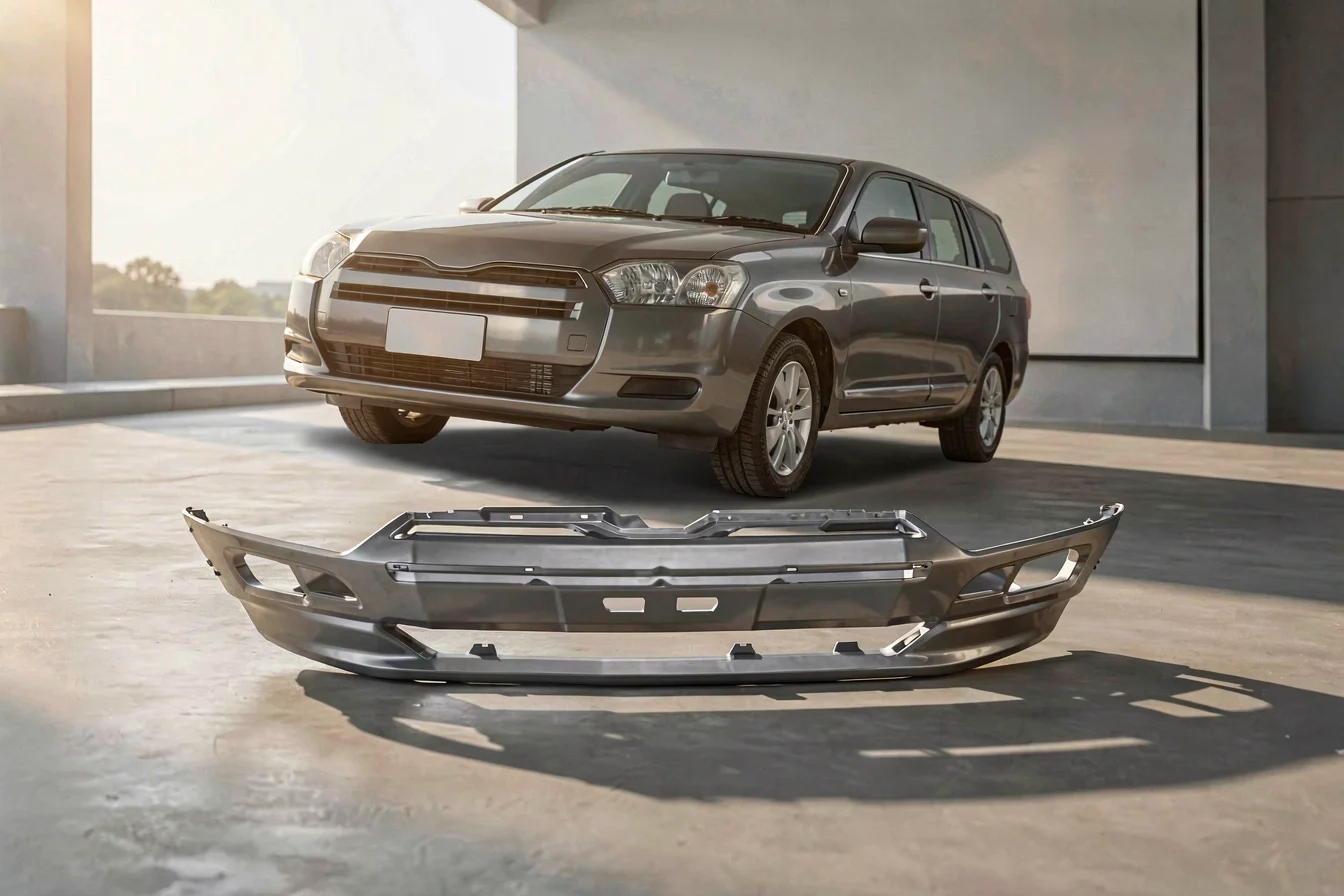
The core value of the Toyota Probox front bumper category is delivering safety, fit, and long-term reliability for fleet, commercial, and private buyers. Toyota probox front bumper OEM is engineered to Toyota’s exacting standards, ensuring seamless integration with sensors, bodywork, and crash energy management. Aftermarket bumpers, meanwhile, offer broader design flexibility and cost savings, but often compromise on fit and insurance compatibility.
Traditional challenges with OEM bumpers include sourcing delays, higher price, and limited customization. Aftermarket bumpers face quality variability, fitment issues, and potential gaps, especially in low-cost brands. Technological innovations in aftermarket include improved materials (ABS, polypropylene) and modular designs, but OEM still dominates crash performance and sensor integration.
| Feature | Toyota Probox Front Bumper OEM | Toyota Probox Front Bumper Aftermarket |
|---|---|---|
| Fit & Integration | Exact fit, seamless integration with sensors, no gaps | Potential fitment gaps, may require modifications |
| Crash Performance | Designed for Toyota safety standards, optimal energy management | Variable; often lower impact resistance |
| Insurance Compatibility | Preferred by insurers, warranty-protected | May not be covered by insurance, less warranty |
| Price | Higher; premium for quality and fit | Lower; wide range from budget to premium |
| Customization | Limited to Toyota designs | Highly customizable, many styles and colors |
| Availability | Dealer stock, sometimes delayed | Wide online and aftermarket channels |
OEM bumpers are the clear winner for insurance, fit, and crash performance, but aftermarket options dominate for price and customization.
Durability is paramount for both commercial and private buyers. Toyota probox front bumper OEM is built to withstand repeated impacts, maintain structural integrity, and resist warping or cracking under harsh conditions. Aftermarket bumpers vary: premium aftermarket brands (Tong Yang, TYG) approach OEM durability, but budget options often suffer from material defects and premature failure, as seen in Reddit complaints about folded, weak tabs, and lack of CAPA certification[6].
Application scenarios diverge: OEM bumpers are essential for fleets, taxis, and insurance-repair shops where fit and safety are critical. Aftermarket bumpers suit DIY enthusiasts, budget fleet upgrades, and custom builds. Real-world reliability depends on brand quality—OEM guarantees longevity and warranty; aftermarket requires careful sourcing and installation.
Long-term cost outlook: While OEM bumpers command a higher upfront price, their lower replacement frequency, insurance compatibility, and fewer hidden costs (e.g., labor for fitment, paintwork) often make them more cost-effective over five years. Aftermarket bumpers save upfront but may incur higher maintenance and replacement costs due to quality variability.
| Cost Factor | Toyota Probox Front Bumper OEM | Toyota Probox Front Bumper Aftermarket |
|---|---|---|
| Initial Purchase Price | $280–$550 (dealer price) | $70–$350 (wide range) |
| Installation Cost | Lower; seamless fit | Higher; potential for fitment labor |
| Replacement Frequency | Rare; durable, long lifespan | Frequent; variable durability |
| Maintenance | Minimal; warranty-covered | Higher; risk of gaps, warping |
| Hidden Costs | Low; insurance and warranty support | High; potential for additional labor, paintwork |
OEM bumpers deliver superior long-term value for safety-critical applications, while aftermarket bumpers suit budget buyers but require careful brand selection.
The Toyota Probox front bumper category delivers value by balancing safety, fit, and price for both commercial and private buyers. Urgency is rising due to increased urban fleet demand, insurance scrutiny, and customization trends.
Google Trends shows aftermarket bumpers outpace OEM in search interest, peaking at normalized value 82 (Feb 2026) versus OEM’s 71[1]. This reflects strong momentum among cost-sensitive and DIY buyers, but OEM remains preferred for insurance and safety.
Search Interest over Time
Aftermarket bumpers are gaining search momentum, but OEM remains preferred for safety-critical repairs and insurance claims.
Reddit and social media reveal contrasting experiences. OEM bumpers are consistently praised for fit, insurance coverage, and crash performance, but buyers lament sourcing delays and high prices. Aftermarket bumpers are favored for price and customization, but quality complaints are common—folded packaging, weak tabs, and lack of certification[6].
Case Study 1: Commercial Fleet Buyer (OEM) A fleet manager in a taxi company reported that toyota probox front bumper OEM was required by insurance for a recent accident. “The person who hit me damaged a Toyota OEM bumper, make them pay for a Toyota OEM bumper. Also don’t skimp on the paint job. OEM parts will be the correct thickness and fit. Your collision shop person said there could be gaps, that alone is enough to go OEM.” This highlights insurance and fit as top priorities[2].
Case Study 2: DIY Enthusiast (Aftermarket) A Reddit user shared their experience with a plastic aftermarket bumper: “He had it shipped to my house, and I personally think the product looks like garbage. It came folded, and several of the attachment tabs are bent. One even looks like it will break with very little effort. THIS IS NORMAL! This type of bumper just needs to gas out in the sun and it WILL unfold in the sun. Heat is the key. The edges and burs are just manufacturing process; it will still need some form of bodyshop work...Pay for the worst, get the worst.” This illustrates quality variability and the need for careful selection[6].
“The person that hit you damaged a Toyota OEM bumper, make them pay for a Toyota OEM bumper. Also don’t skimp on the paint job. OEM parts will be the correct thickness and fit.” [2]
“Pay for the worst, get the worst. This specific bumper doesn’t even look to be CAPA certified. There are better aftermarket options (Tong Yang/TYG) if OEM is not an option for your budget but you will have to put some extra work into finding them.” [6]
| Dimension | Toyota Probox Front Bumper OEM | Toyota Probox Front Bumper Aftermarket |
|---|---|---|
| Overall Satisfaction | High (fit, insurance, warranty) | Mixed (price, customization, quality) |
| Most Praised Feature | Fit, crash performance | Price, customization |
| Most Common Complaint | Sourcing delays, price | Quality variability, fitment gaps |
| Community Recommendation Rate | High (insurance, safety) | Moderate (budget, customization) |
Viral content themes: OEM bumpers dominate insurance and safety debates; aftermarket bumpers spark DIY customization and price discussions. Cultural reception: OEM is seen as premium and safe, aftermarket as affordable but risky.
OEM bumpers are strongly recommended for insurance and safety, while aftermarket bumpers are popular for budget and customization but require careful brand selection.
Buyers must clarify their core needs before purchasing:
Tiered recommendations:
| Tier | Recommended Product | Key Reason |
|---|---|---|
| Budget-Friendly | Toyota Probox Front Bumper Aftermarket | Low price, wide availability, DIY customization |
| Mid-Range | Toyota Probox Front Bumper Aftermarket (premium brands) | Better quality, moderate price, improved fit |
| Premium | Toyota Probox Front Bumper OEM | Superior fit, crash performance, insurance compatibility |
Optimization tips:
Careful sourcing and brand selection are essential—OEM for safety, aftermarket for customization and price.
Key insights: toyota probox front bumper OEM remains the top choice for insurance, crash performance, and warranty coverage, while toyota probox front bumper aftermarket is surging in popularity for price and customization, especially among DIY and budget buyers. Google Trends data confirms aftermarket bumpers are gaining momentum, but OEM retains dominance in safety-critical applications[1].
Forward-looking recommendation: For the next 6–12 months, prioritize OEM bumpers for commercial fleets, insurance repairs, and high-impact environments. For customization, budget upgrades, and off-road builds, select premium aftermarket brands with certification and warranty support.
Emotional call-to-action: Share your experience with Toyota Probox front bumper choices to help others make informed decisions. Commercial buyers should source certified OEM or premium aftermarket bumpers through Alibaba.com for bulk procurement and supply-chain resilience.
Confident buyers will optimize procurement by matching product choice to application, budget, and insurance requirements—OEM for safety, aftermarket for customization and price.