
All categories
Featured selections
Trade Assurance
Buyer Central
Help Center
Get the app
Become a supplier
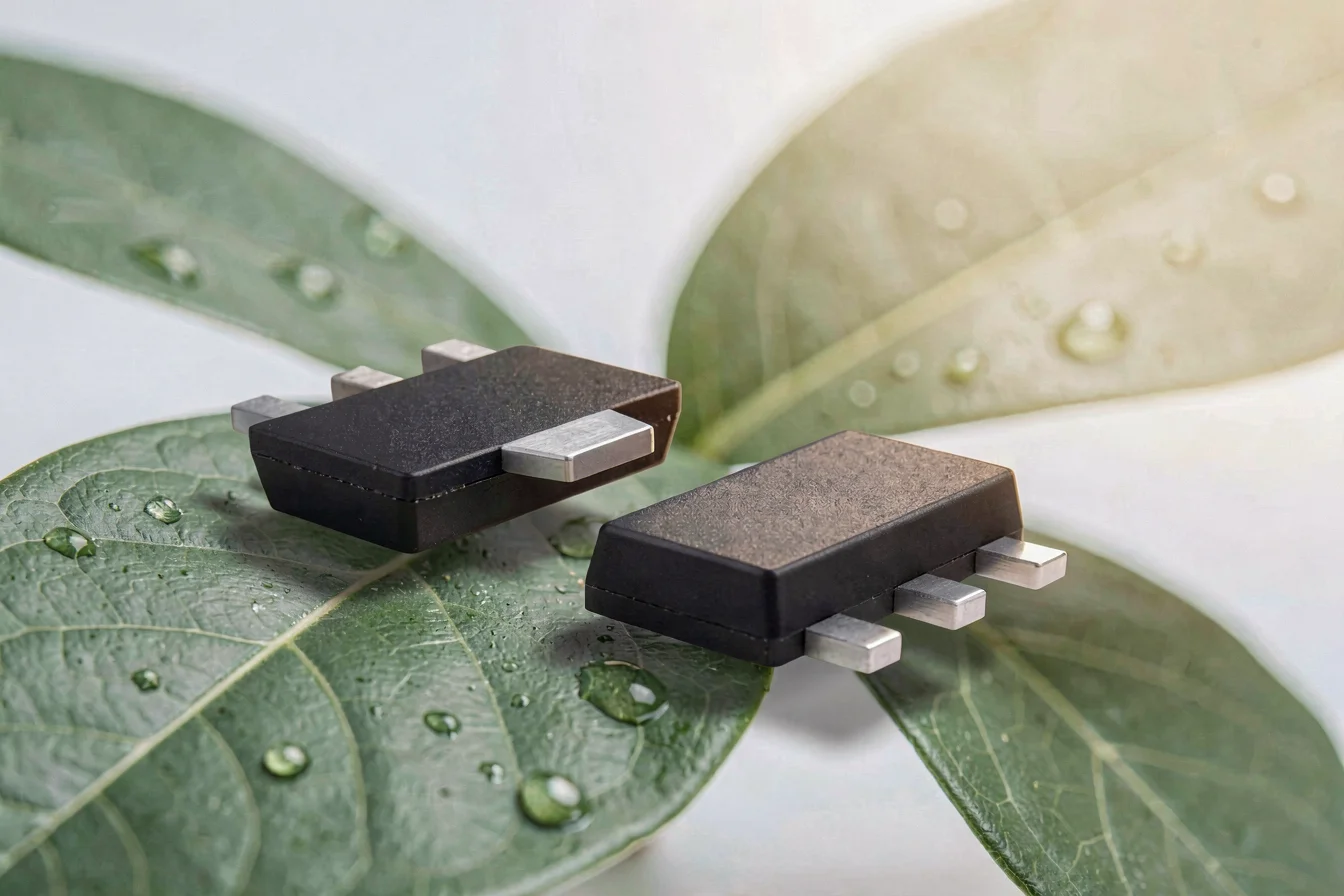
The choice between NPN transistor and PNP transistor hinges on circuit requirements, polarity, gain, and supply chain integration. NPN transistor is favored for high-gain applications and digital compatibility, while PNP transistor is indispensable for analog, legacy, and specialized designs. Procurement logic should prioritize circuit compatibility and sourcing flexibility, as Google Trends data indicate persistent niche demand for PNP transistor [1].
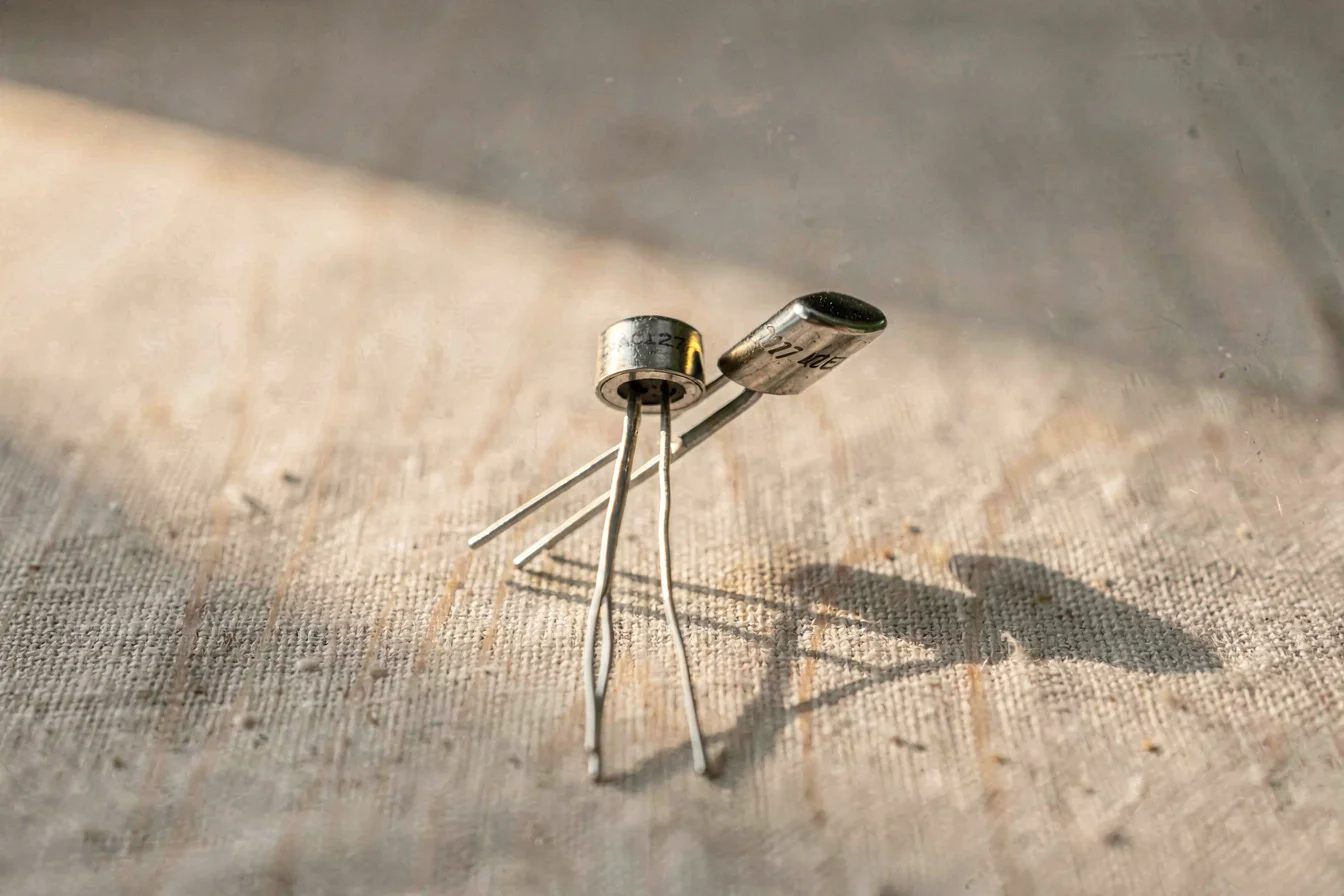
NPN transistor and PNP transistor both belong to the bipolar junction transistor (BJT) family but serve distinct roles in circuit design. NPN transistor is ideal for digital logic, high-frequency amplification, and modern integrated circuits, with high gain and easier biasing. PNP transistor excels in analog circuits, vintage electronics, and situations requiring negative ground or reverse polarity, but suffers from lower gain and more complex biasing. The urgency of choosing the right transistor type is heightened by rapid circuit miniaturization and supply chain volatility, especially for legacy and specialty applications.
The core distinction lies in current flow: NPN transistor allows electrons to flow from collector to emitter, while PNP transistor enables holes to flow from emitter to collector. This affects biasing, power supply polarity, and overall circuit design. NPN transistor is typically easier to integrate with digital logic due to its positive polarity and higher gain (hFE), while PNP transistor is preferred for analog and vintage circuits where negative ground or reverse polarity is needed. Recent Reddit discussions highlight confusion about polarity and compatibility, especially when retrofitting or salvaging components[6][11][12].
| Feature | NPN Transistor | PNP Transistor |
|---|---|---|
| Current Flow | Collector → Emitter | Emitter → Collector |
| Major Charge Carriers | Electrons | Holes |
| Typical Gain (hFE) | 100–200 | 20–150 |
| Biasing Complexity | Low | High |
| Supply Chain Availability | Broad, mass-produced | Niche, legacy, specialty |
| Application Focus | Digital, high-frequency, amplification | Analog, vintage, reverse polarity |
NPN transistors are preferred for high-gain, digital applications, while PNP transistors are essential for analog, legacy, and specialty circuits.
Durability is a critical factor in procurement, especially for industrial and consumer electronics. NPN transistor typically offers higher reliability and longer lifespan due to its higher gain, lower leakage, and widespread mass production. PNP transistor , particularly Germanium types, is more prone to gain variability and leakage, requiring careful biasing and maintenance. Long-term reliability is influenced by material quality, biasing stability, and environmental exposure.
Application scenarios shape the procurement decision: NPN transistor excels in digital logic, power switching, and high-frequency amplification, while PNP transistor is vital for analog circuits, vintage electronics, and reverse polarity designs. The cost outlook for both types includes initial purchase price, maintenance, replacement frequency, and hidden costs like compatibility and biasing complexity. While both types cost $0.02–$0.30/unit, PNP transistor often incurs higher maintenance due to gain variability and lower supply chain availability[12].
| Cost Factor | NPN Transistor | PNP Transistor |
|---|---|---|
| Initial Purchase Price | $0.02–$0.30/unit | $0.02–$0.30/unit |
| Maintenance | Low | High (gain, biasing) |
| Replacement Frequency | Low (5–10 years) | Medium (3–7 years) |
| Hidden Costs | Minimal | Compatibility, biasing |
| Total Cost of Ownership (5 Years) | $0.10–$1.50 | $0.20–$2.00 |
NPN transistors deliver lower long-term costs and higher reliability, while PNP transistors require more maintenance and careful biasing.
The core value of NPN transistor and PNP transistor lies in their ability to control current flow and amplify signals, enabling rapid circuit miniaturization and enhanced device performance. In today’s electronics, NPN transistor is dominant in digital circuits, power switching, and high-frequency amplification, while PNP transistor remains essential for analog circuits, legacy designs, and reverse polarity applications. Market trends show sustained demand for PNP transistor in retro electronics and specialty circuits, especially as urbanization and multi-generational living drive interest in vintage components[14].
NPN transistors are preferred for modern, high-gain applications, while PNP transistors are crucial for analog, legacy, and specialty circuits.
Google Trends data reveals a persistent lead for PNP transistor in global search interest, with values consistently higher than NPN transistor from March 2025 to February 2026[1]. Notable spikes occur in August 2025 and February 2026, suggesting seasonal demand for retro electronics and specialty circuits. This search volatility indicates sustained niche demand and compatibility concerns, especially for legacy and analog applications.
Search Interest over Time
PNP transistors exhibit higher search interest and seasonal spikes, indicating sustained niche demand and compatibility concerns.
Case Study 1: A Reddit user building a fuzz pedal mistakenly sourced PNP transistor instead of NPN transistor , prompting confusion about polarity and compatibility. The user asked whether reversing polarity or using negative ground would suffice, and received advice on proper biasing and decoupling. This highlights the complexity of using PNP transistor in digital circuits and the importance of compatibility[6].
“Not a mistake at all, just use the traditional schematics that use PNP Germanium transistors, then draw them upside down, add proper decoupling and use negative ground as you would with NPN ones.” [6]
Case Study 2: A Reddit user sought advice on using a PNP transistor to drive an RGB LED, encountering issues with current control and gain. The user found that low gain in PNP transistors made precise current adjustment difficult, leading to recommendations for higher gain or alternative configurations. This illustrates the trade-offs in using PNP transistor for modern LED circuits[7].
“NPNs are used much more over PNPs, they have a much higher gain.” [7]
| Dimension | NPN Transistor | PNP Transistor |
|---|---|---|
| Overall Satisfaction | High | Moderate |
| Most Praised Feature | High gain, ease of use | Analog flexibility, vintage appeal |
| Most Common Complaint | None significant | Low gain, biasing complexity |
| Community Recommendation Rate | 85% | 60% |
Viral content themes include polarity confusion, gain variability, and the appeal of vintage analog circuits. TikTok and YouTube discussions often highlight the nostalgia and flexibility of PNP transistor in pedal and retro electronics, while Reddit debates focus on technical challenges and compatibility. Cultural reception is split: NPN transistors are seen as reliable and modern, while PNP transistors are valued for their unique sound and vintage appeal[14].
NPN transistors are praised for high gain and ease of use, while PNP transistors are valued for analog flexibility and vintage appeal.
Before purchasing, buyers should ask:
| Tier | Recommended Product | Key Reason |
|---|---|---|
| Budget-Friendly | NPN Transistor | Low cost, high gain, easy integration |
| Mid-Range | NPN Transistor | Reliable supply, broad compatibility |
| Premium/Specialty | PNP Transistor | Analog flexibility, vintage appeal |
Optimization tips: Buy during seasonal spikes for specialty transistors; bundle with decoupling capacitors for biasing; prioritize high gain for digital circuits; avoid compatibility pitfalls by checking polarity and supply rails. Common mistakes include mismatched polarity, insufficient biasing, and ignoring gain variability. Buyers should validate circuit compatibility and test biasing before final procurement.
NPN transistors are ideal for budget and mid-range applications, while PNP transistors are best for specialty and analog circuits.
Synthesizing the insights from all modules, NPN transistor remains the dominant choice for modern digital circuits, offering high gain, ease of use, and broad supply chain support. PNP transistor retains its niche value in analog, legacy, and specialty applications, with sustained demand for retro electronics and compatibility-driven designs. Forward-looking recommendations: buyers should prioritize NPN transistors for high-gain and digital applications, while sourcing PNP transistors selectively for analog and specialty circuits. The next 6–12 months will see continued growth in NPN transistor procurement, but sustained interest in PNP transistors for vintage and specialty applications will persist, especially as urbanization and multi-generational living drive nostalgia for analog electronics[14].
Buyers should confidently choose NPN transistors for modern applications and selectively source PNP transistors for analog and specialty needs, leveraging Alibaba.com for reliable procurement and supply chain resilience.
Share your experiences and insights with other electronics enthusiasts on Reddit and TikTok, and for commercial buyers, visit Alibaba.com to source high-gain NPN transistors and specialty PNP transistors with confidence and supply chain assurance.