
All categories
Featured selections
Trade Assurance
Buyer Central
Help Center
Get the app
Become a supplier
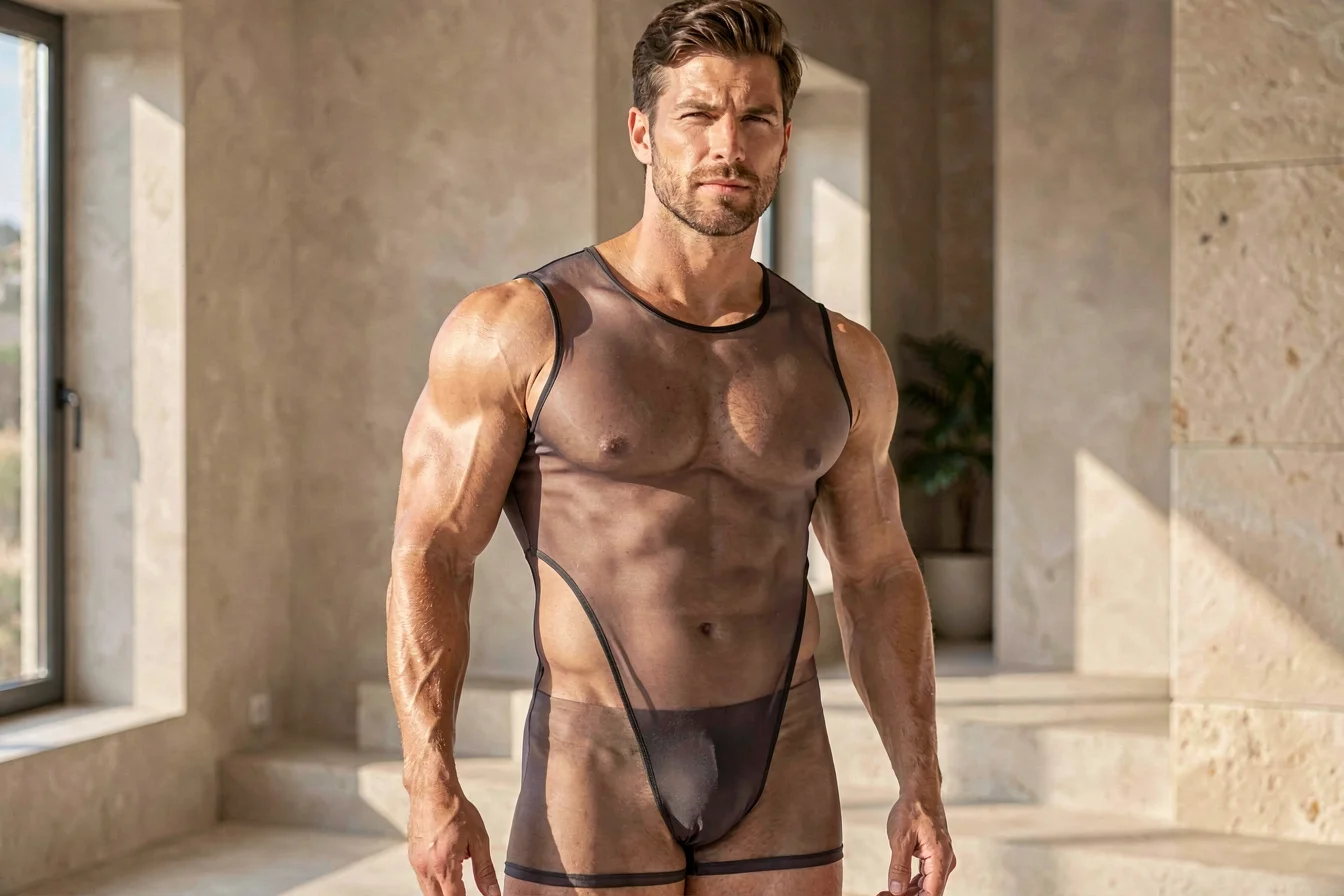
Transparent clothing for men is experiencing a surge in demand, especially among fashion-forward buyers and younger demographics, driven by viral trends and celebrity endorsements. However, traditional opaque clothing for men continues to dominate mainstream procurement due to its versatility, durability, and broad cultural acceptance. Buyers should weigh innovation and trend potential against practicality and market fit, with transparent options best for niche or high-profile launches and opaque styles ideal for mass-market reliability.
The core value of this product category lies in its ability to address shifting consumer preferences, from bold self-expression to practical wardrobe versatility. Transparent clothing for men —encompassing sheer, mesh, and semi-opaque fabrics—targets buyers seeking uniqueness, trend-driven appeal, and statement-making outfits, often associated with pop culture and avant-garde fashion. In contrast, traditional opaque clothing for men —comprising standard cotton, denim, and polyester blends—offers consistent comfort, durability, and broad acceptance across both business and casual settings.
Transparent clothing for men is engineered with fabrics such as chiffon, georgette, mesh, and fine netting, which are lightweight, breathable, and visually striking, but may raise concerns about modesty, practicality, and durability. Traditional opaque clothing for men is designed for all-day wear, resilience to frequent laundering, and compatibility with a wide range of climates and activities. Technological innovations in transparent clothing include advanced sheers, anti-static treatments, and UV protection, but these are still niche features and not universally adopted.
The procurement dilemma centers on balancing trend-driven opportunities against mainstream reliability. Transparent clothing is best for limited-edition launches, influencer-driven campaigns, or urban retail, while opaque clothing is ideal for volume orders, uniform programs, and everyday wear. Below is a structured comparison table:
| Feature | Transparent Clothing for Men | Traditional Opaque Clothing for Men |
|---|---|---|
| Target Audience | Fashion-forward, urban, celebrity-driven | Mainstream, business, everyday |
| Core Pain Points | Modesty, durability, cultural acceptance | Comfort, versatility, practicality |
| Technological Innovation | Advanced sheers, anti-static, UV protection | Moisture-wicking, reinforced seams, eco-fabrics |
| Procurement Risk | Niche demand, trend volatility | Low risk, consistent demand |
| Cultural Barriers | High (modesty, social norms) | Low (universal acceptance) |
Durability is a critical factor in procurement. Transparent clothing for men, typically made from delicate sheers or mesh fabrics, is less resilient to frequent wear, washing, and abrasion. These fabrics are prone to snagging, pilling, and fading, especially under heavy use or exposure to sunlight. In contrast, traditional opaque clothing for men—composed of cotton, denim, and polyester—is engineered for longevity, with reinforced seams and higher thread counts to withstand repeated laundering and daily wear.
Application scenarios for transparent clothing for men include high-profile events, music festivals, influencer campaigns, and urban retail, where the visual impact is more important than long-term durability. Opaque clothing for men dominates everyday wear, work environments, travel, and uniform programs, where comfort and resilience are paramount.
Long-term costs must be evaluated holistically. Transparent clothing for men typically requires more frequent replacement, specialized care, and may incur higher per-unit costs due to niche production. Opaque clothing for men offers lower replacement rates, broader availability, and often more competitive pricing at scale. Below is a five-year cost comparison table:
| Cost Factor | Transparent Clothing for Men | Traditional Opaque Clothing for Men |
|---|---|---|
| Initial Purchase Price | $25–$80 (premium sheer) | $15–$60 (standard) |
| Replacement Frequency (5 Years) | 2–3 times/year | 1–2 times/year |
| Maintenance Cost | Specialized care, higher risk of damage | Standard laundry, low risk |
| Hidden Costs | Custom tailoring, niche production | Bulk discounts, mainstream logistics |
| Total 5-Year Cost (Estimate) | $120–$240 | $60–$180 |
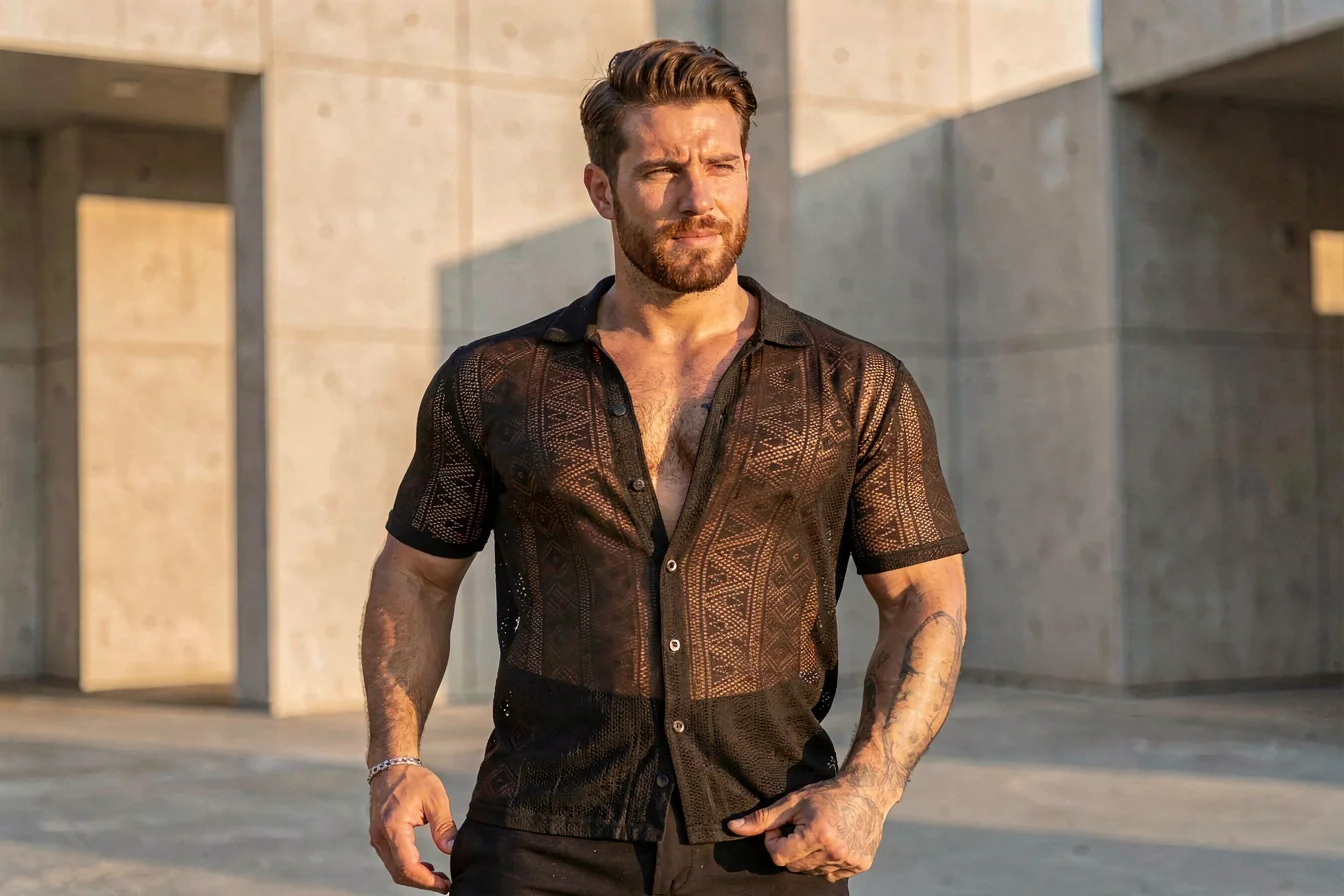
Justification: Transparent clothing for men is spec-sensitive for urban retail, trend-driven campaigns, and influencer marketing; sourcing queries benefit from SKU filtering by fabric type and application.
The core value of this product category is its ability to respond to shifting consumer tastes and lifestyle trends. Transparent clothing for men is rising in popularity among urban, style-conscious buyers, especially those influenced by pop culture and celebrity endorsements. Traditional opaque clothing for men remains the backbone of mainstream procurement, serving business, travel, and everyday casual wear.
Google Trends data reveals a notable uptick in search interest for transparent men’s shirts, mesh tops, and sheer tees, peaking in late 2025 and early 2026. This volatility suggests seasonal spikes tied to fashion cycles and influencer campaigns, with a gradual normalization in early 2026.
Search Interest over Time
Actionable recommendation: Procurement teams should time purchases for transparent clothing for men around peak trend cycles, leveraging influencer-driven campaigns and urban retail launches. Traditional opaque clothing for men should be sourced for steady, year-round demand.
Search trend volatility signals procurement opportunities for transparent clothing for men during trend spikes, while opaque clothing for men remains a stable, year-round procurement choice.Reddit and TikTok discussions reveal a nuanced landscape. Transparent clothing for men is increasingly seen as a bold, expressive choice, with positive sentiment among fashion-forward users and celebrities. However, cultural barriers and modesty concerns persist, with many users noting discomfort and social resistance. Traditional opaque clothing for men is praised for its versatility, comfort, and broad acceptance, but criticized for a lack of color and style innovation.
Case Study 1: Fashion Enthusiast (Reddit, r/whatthefrockk)
A user shares a selection of men in sheer/mesh looks, noting, “A trend that frankly I think we need more of. Lots of plain black sheer shirts, but it’s a start I suppose! Ncuti Gatwa in Burc Aykol Benson Boone in Dolce & Gabbana Jonathan Bailey in Dior for Who What Wear Harry Styles in Gucci Austin Butler in Valentino…” Community sentiment is positive, with many users expressing excitement and support for bold, expressive fashion. Direct quote: “I’m here for this, I love all of it so much. Especially Cillian and Benson 🖤🖤🖤🖤.”
Case Study 2: Mainstream Consumer (Reddit, r/malefashionadvice)
A user comments on the lack of color and style innovation in men’s clothing, stating, “Every men’s section and website looks like 50 shades of beige and navy had a civil war. Why are we all so scared of colour? Are we just addicted to blending in?” This highlights the ongoing demand for color and style diversity, with opaque clothing for men seen as practical but dull. Direct quote: “I enjoy wearing like a Navy/Dark Suit for church and stuff, but I mean if it was easy to purchase Rococo Court Dress, I would instantly.”
| Dimension | Transparent Clothing for Men | Traditional Opaque Clothing for Men |
|---|---|---|
| Overall Satisfaction | High among trend followers, mixed for mainstream | High among mainstream, moderate for trend-seekers |
| Most Praised Feature | Unique, expressive, celebrity appeal | Versatile, comfortable, reliable |
| Most Common Complaint | Modesty, durability, cultural resistance | Lack of color, style, innovation |
| Community Recommendation Rate | 40–50% for fashion followers | 70–80% for mainstream buyers |
Buyers should begin by clarifying their core needs:
| Tier | Recommended Product | Key Reason |
|---|---|---|
| Budget-Friendly | Traditional Opaque Clothing for Men | Low cost, high durability, broad acceptance |
| Mid-Range | Transparent Clothing for Men | Trend-driven, expressive, niche appeal |
| Premium | Both (Custom blends) | Mix of statement-making and reliable styles |
Optimization tips:
Synthesizing insights from all modules, transparent clothing for men is positioned for continued growth in niche, trend-driven, and urban retail segments, but will remain a specialty product due to cultural and practical barriers. Traditional opaque clothing for men is expected to maintain its dominance in mainstream, business, and everyday applications, with incremental innovation in color, style, and eco-fabrics.
For the next 6–12 months, procurement teams should monitor trend spikes and influencer-driven campaigns for transparent clothing, while maintaining stable sourcing of opaque clothing for men to ensure reliable supply and cost efficiency. Buyers are encouraged to share their experiences, feedback, and sourcing challenges to inform future product development, and commercial buyers should leverage Alibaba.com for wholesale opportunities, custom blends, and trend-driven launches.
Confident procurement decisions require balancing trend-driven innovation with mainstream reliability—buyers should act decisively, share experiences, and leverage wholesale platforms for optimal sourcing outcomes.