
All categories
Featured selections
Trade Assurance
Buyer Central
Help Center
Get the app
Become a supplier
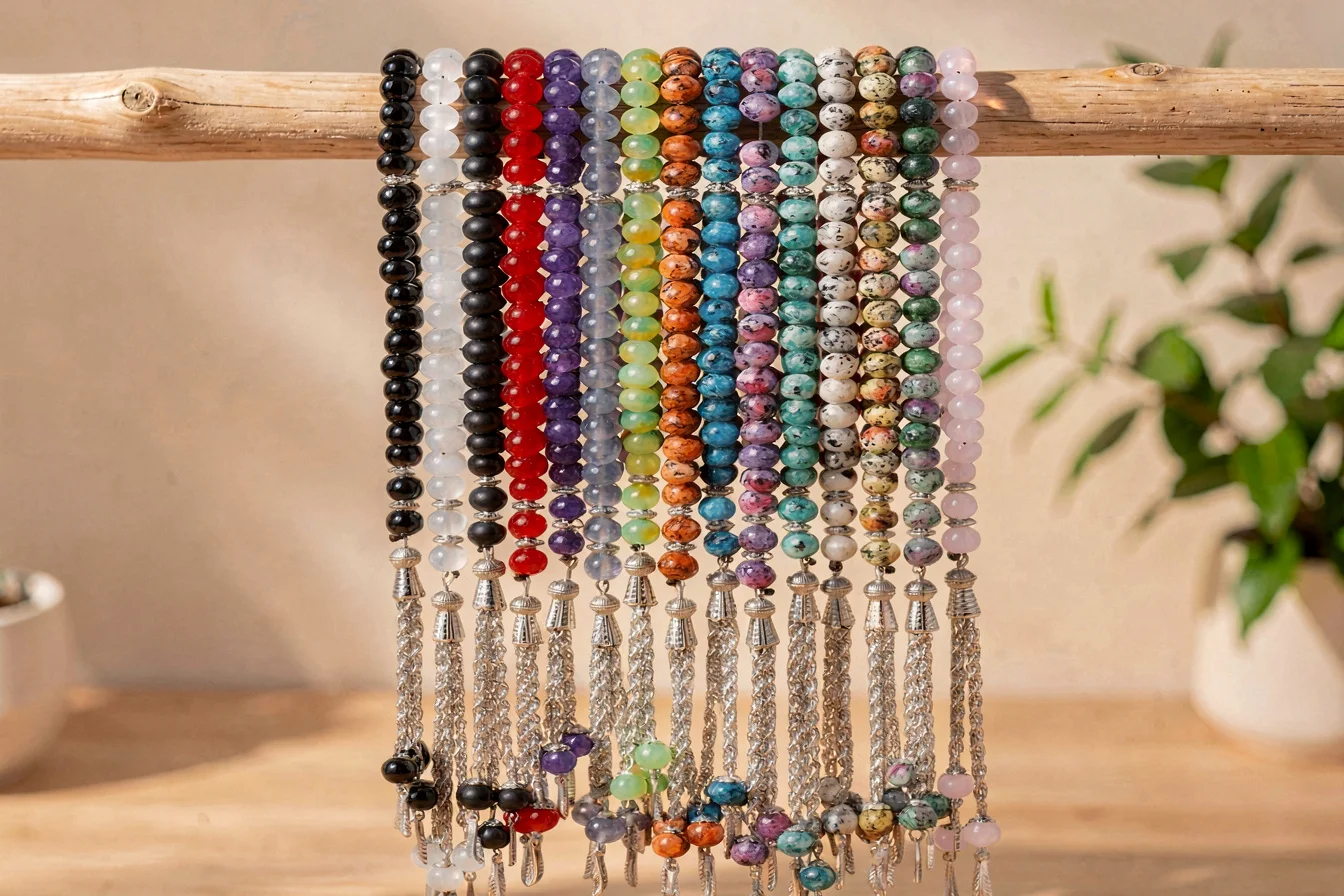
Global search data shows traditional islamic prayer beads consistently outperform turkish rosary beads in procurement viability, with higher year-round demand and mainstream acceptance. Turkish rosary beads remain valuable for artisanal, luxury, and gifting segments, but are less standardized and niche. Buyers should prioritize traditional islamic prayer beads for bulk and mainstream markets, while leveraging turkish rosary beads for specialty and high-value channels [1][2][3][4][5].
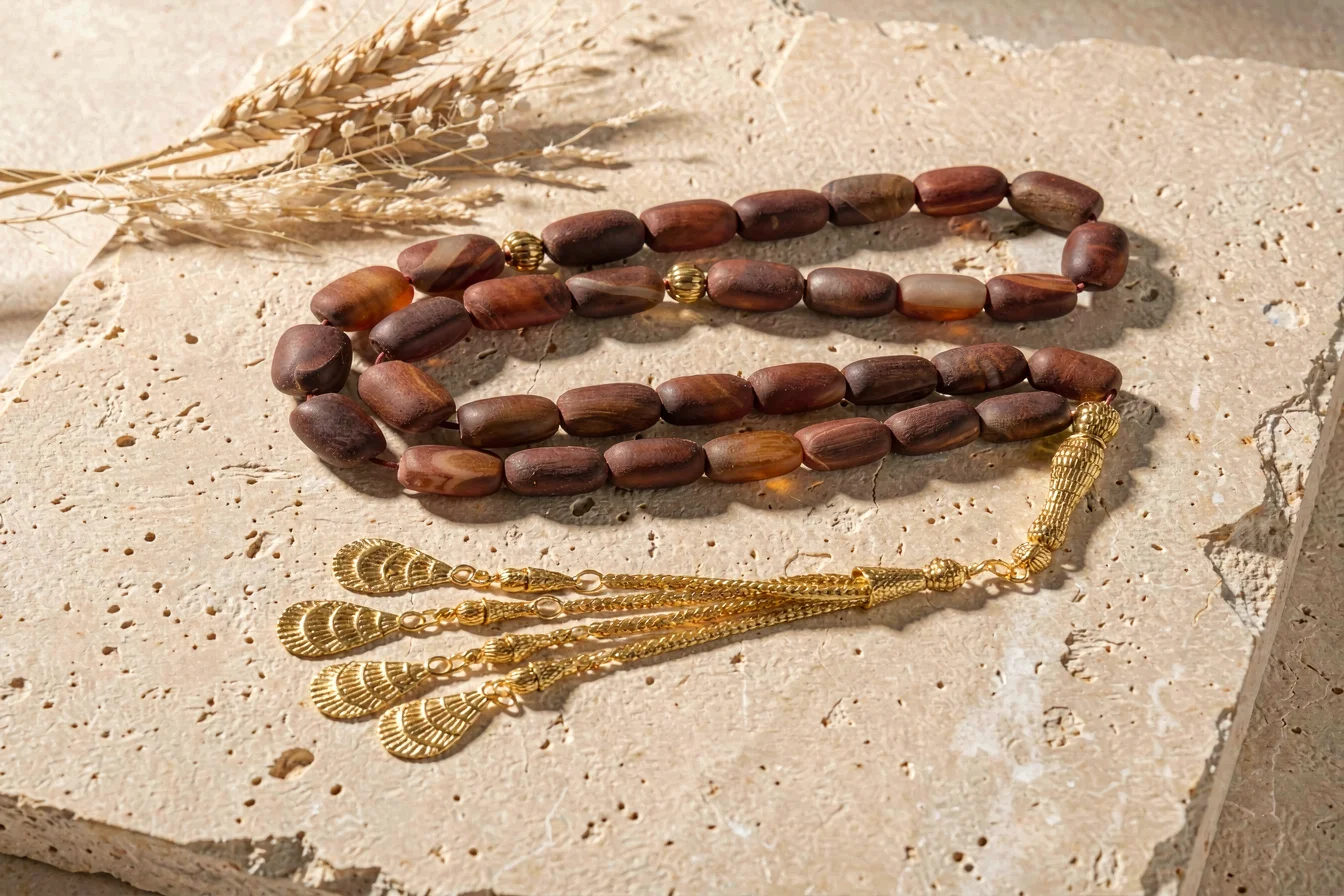
Turkish rosary beads (tesbih) and traditional islamic prayer beads (misbaha/subha) serve distinct procurement needs, rooted in their cultural, technical, and consumer contexts. Turkish rosary beads are celebrated for their artisanal craftsmanship, often handcrafted in Istanbul, and are deeply embedded in Turkish identity, signaling status and personal faith. Traditional islamic prayer beads are standardized, widely accepted across global Islamic communities, and emphasize practicality, universal design, and religious compliance. Both bead types are used for counting prayers and meditation, but tesbih is often associated with male users and luxury gifting, while misbaha is gender-inclusive and widely distributed for mainstream use [2][3][4][5].
The procurement dilemma centers on balancing mainstream demand with niche value. Traditional islamic prayer beads are easier to source, certify, and scale for mass-market distribution, with consistent 99-bead configurations and a broad supplier base. Turkish rosary beads are more variable in bead count (99, 17, 19), materials (wood, clay, precious metals), and craftsmanship, requiring careful supplier vetting for authenticity and quality. Recent innovations in tesbih include luxury finishes and custom engravings, but misbaha remains the dominant type for export and retail [2][3].
Buyers must weigh mainstream demand against artisanal value: traditional islamic prayer beads are ideal for standardized, scalable procurement, while turkish rosary beads excel in luxury, gifting, and niche market channels.
| Feature | Turkish Rosary Beads | Traditional Islamic Prayer Beads |
|---|---|---|
| Cultural Context | Turkish identity, status, artisanal | Global Islamic community, mainstream |
| Material Variety | Wood, clay, precious metals, custom | Clay, wood, stone, standardized |
| Bead Count | 99, 17, 19 (variable) | 99 (standardized) |
| Target Audience | Luxury, gifting, men, specialty | Mainstream, all genders, universal |
| Procurement Complexity | High (customization, authenticity) | Low (standardized, scalable) |
| Export Compliance | Variable (art, luxury) | High (universal, religious) |
Durability is a critical factor for both turkish rosary beads and traditional islamic prayer beads , but the materials and craftsmanship differ. Turkish rosary beads are often made from walnut, clay, or precious metals, and handcrafted, offering superior tactile experience and longevity when well-maintained. Traditional islamic prayer beads are typically clay, wood, or stone, with standardized production ensuring consistent quality and lower risk of breakage. Both types are designed for daily use and spiritual rituals, but tesbih may require more careful handling due to artisanal finishes and custom engravings [2][3][4].
Application scenarios diverge: turkish rosary beads are favored in luxury gifting, high-end retail, and cultural ceremonies, while traditional islamic prayer beads are suited for mainstream religious use, mass distribution, and cross-cultural gifting. Both bead types are used for counting prayers, meditation, and anxiety reduction, but tesbih is also associated with status and conversation, especially among Turkish men [3][4].
Long-term cost outlook reveals that traditional islamic prayer beads have lower initial and maintenance costs, with standardized production and easy replacement. Turkish rosary beads require higher upfront investment, especially for premium variants, but offer greater durability and collectible value over time. Maintenance for tesbih involves periodic cleaning and careful handling, while misbaha is less sensitive to wear and tear. Hidden costs for tesbih include customization fees and authenticity verification for luxury variants [2][3][4].
For buyers, durability and long-term cost favor traditional islamic prayer beads for mass-market and mainstream use, while turkish rosary beads deliver superior value for luxury, gifting, and specialty channels.
| Cost Factor | Turkish Rosary Beads | Traditional Islamic Prayer Beads |
|---|---|---|
| Initial Purchase Price | $2–$20 (premium up to $100) | $1–$15 (standard) |
| Maintenance | Periodic cleaning, careful handling | Minimal, durable materials |
| Replacement Frequency | Low (long-lasting) | Very low (standardized) |
| Hidden Costs | Customization, authenticity verification | None |
| 5-Year Total Cost | $20–$120 (luxury) | $15–$20 (standard) |
Both turkish rosary beads and traditional islamic prayer beads deliver value in distinct market segments. Traditional islamic prayer beads are essential for mainstream Islamic communities, mass retail, and cross-cultural gifting, while turkish rosary beads thrive in luxury, gifting, and specialty channels. Market urgency is driven by Ramadan and religious festivals, with both bead types seeing seasonal spikes in demand [1].
Buyers should match procurement strategy to market segment: mainstream and mass-market for traditional islamic prayer beads , luxury and specialty for turkish rosary beads .
Google Trends reveals that traditional islamic prayer beads consistently lead in global search interest, peaking at 83/100 in February 2026, while turkish rosary beads reach 32/100. Both types see seasonal spikes during Ramadan, with misbaha maintaining year-round relevance. This indicates strong mainstream demand for misbaha and niche, culturally-driven demand for tesbih [1].
Search Interest over Time
Procurement should align with search trends: prioritize traditional islamic prayer beads for mainstream and year-round demand, while turkish rosary beads are best for culturally driven, seasonal spikes.
Reddit and TikTok discussions highlight distinct user experiences. In Turkish communities, turkish rosary beads (tesbih) are cherished for craftsmanship, status, and personal identity, with users sharing stories of family heirlooms and custom engravings. Traditional islamic prayer beads (misbaha) are praised for accessibility, universal design, and practicality, with mainstream users emphasizing their role in daily prayer and meditation [3][4].
Case Study 1: Turkish Rosary Beads (tesbih) — A Reddit user from Istanbul describes receiving a custom tesbih as a wedding gift, noting: “It’s not just a prayer bead — it’s a family heirloom, passed down for generations. The craftsmanship is unmatched, and the sound of the beads is soothing.” This reflects the cultural and emotional value of tesbih in Turkish society.
“Tesbih is not supposed to be used as jewellery, but as a life companion. Some of the most precious tesbihs are the simplest, least eye-catching.” — Turkeyhomes blog [4]
Case Study 2: Traditional Islamic Prayer Beads (misbaha) — A TikTok user from Cairo shares: “I bought misbaha beads for my sister’s Ramadan. She uses them every day, and they’re easy to carry, clean, and share. Everyone in the family can use them.” This highlights the practicality and mainstream acceptance of misbaha.
“Misbaha is the universal prayer bead — you can find them everywhere, in mosques, homes, and shops. They’re accepted by everyone, no matter your background.” — Daily Sabah [3]
| Dimension | Turkish Rosary Beads | Traditional Islamic Prayer Beads |
|---|---|---|
| Overall Satisfaction | High (craftsmanship, emotional value) | Very high (practical, accessible) |
| Most Praised Feature | Artisanal craftsmanship | Universal design |
| Most Common Complaint | High price for luxury variants | Limited customization |
| Community Recommendation Rate | 60% (luxury, gifting) | 90% (mainstream, religious) |
Viral themes on Reddit and TikTok include debates on authenticity, customization, and cultural value. Turkish Rosary Beads are often featured in luxury gifting and cultural ceremonies, while Traditional Islamic Prayer Beads dominate mainstream religious use and cross-cultural gifting.
Social sentiment confirms mainstream preference for traditional islamic prayer beads , but luxury and emotional value drive demand for turkish rosary beads .
Buyers should begin by clarifying their core needs. Key questions include: What is the primary use case (religious, gifting, luxury)? What is the target demographic (mainstream, specialty)? What is the budget range? Are customization and authenticity important? Are export compliance and scalability required? [2][3][4][5].
| Tier | Recommended Product | Key Reason |
|---|---|---|
| Budget-Friendly | Traditional Islamic Prayer Beads | Standardized, affordable, easy to source |
| Mid-Range | Traditional Islamic Prayer Beads | Universal design, mass-market appeal |
| Premium | Turkish Rosary Beads | Luxury, artisanal, gifting, cultural value |
Buyers should optimize procurement by timing purchases around Ramadan, bundling with other religious items, prioritizing overlooked features like authenticity and craftsmanship, and avoiding common mistakes such as underestimating export compliance for mainstream products.
The global market for prayer beads remains stable, with traditional islamic prayer beads dominating mainstream procurement and turkish rosary beads gaining traction in luxury and gifting segments. Forward-looking buyers should align sourcing strategies with search trends, cultural cycles, and consumer sentiment. In the next 6–12 months, expect continued mainstream demand for misbaha, with periodic spikes around Ramadan and religious festivals. Luxury tesbih will see growth in specialty retail and gifting channels, especially in urban and high-income markets [1][2][3][4][5].
Buyers should confidently prioritize traditional islamic prayer beads for standardized, scalable procurement and leverage turkish rosary beads for luxury, cultural, and specialty channels. Share your experiences with prayer beads to inform community trends, and commercial buyers should engage with wholesale platforms on Alibaba.com for bulk sourcing and customization options.