
All categories
Featured selections
Trade Assurance
Buyer Central
Help Center
Get the app
Become a supplier
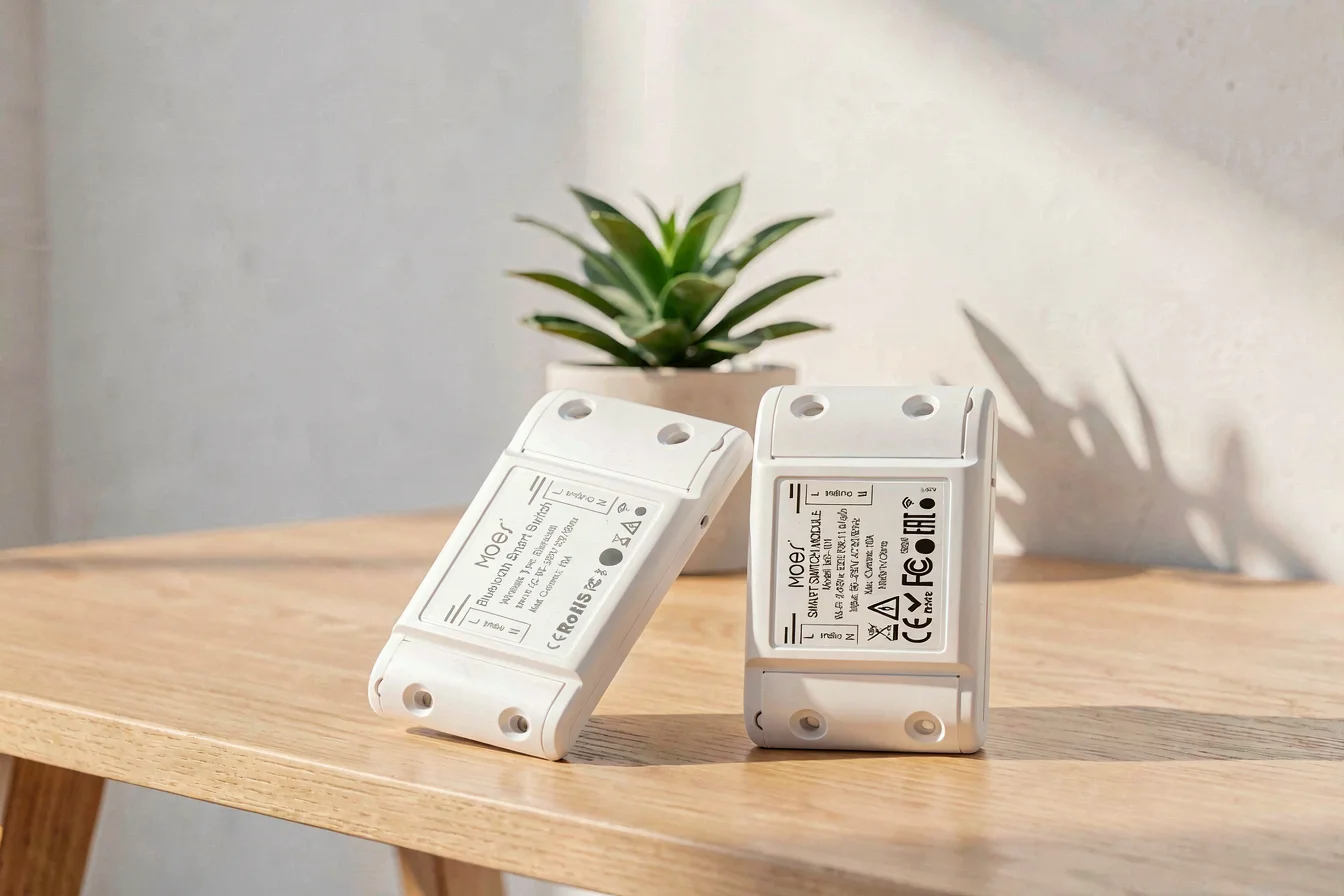
For buyers seeking advanced automation and remote control, the tuya smart switch is now the clear leader, offering seamless IoT integration and multi-protocol compatibility. The traditional smart switch remains viable only for cost-sensitive or legacy retrofits, lacking automation and app control. Market momentum and user sentiment overwhelmingly favor Tuya, making it the strategic choice for new smart home deployments[1].
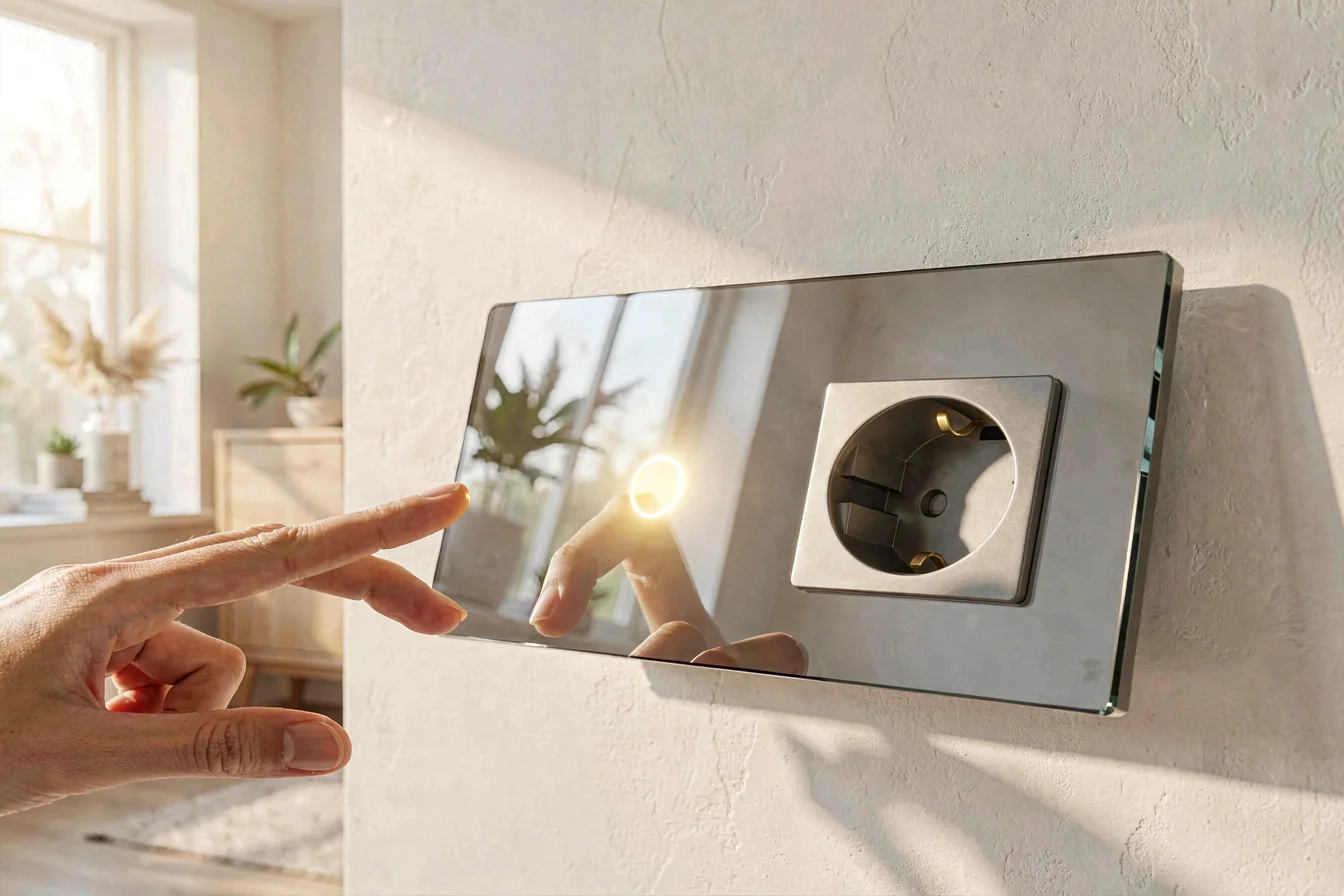
The smart switch market has evolved rapidly, with the tuya smart switch addressing the pain points of modern homeowners: remote access, scene automation, voice control, and cross-device integration. In contrast, the traditional smart switch delivers basic on/off control and minimal setup, appealing to those prioritizing simplicity, tactile feedback, and lower upfront costs. Urgency is high as smart home adoption accelerates, and buyers must weigh the long-term benefits of IoT-enabled devices against the reliability and simplicity of legacy switches.
The tuya smart switch leverages Wi-Fi, Zigbee, and Bluetooth protocols to enable remote control, app-based automation, and voice integration, with support for zero-live/single-live power supply solutions and cloud/local collaboration[2]. Its main limitations are installation complexity, potential reliability issues, and higher maintenance costs. The traditional smart switch , while easier to install and less expensive, lacks advanced automation, app control, and multi-device integration, limiting scalability and user experience.
Tuya Smart Switch excels in smart home ecosystems, while Traditional Smart Switch is best for basic, cost-driven applications.
| Feature | Tuya Smart Switch | Traditional Smart Switch |
|---|---|---|
| Remote Control | Yes (Wi-Fi, Zigbee, Bluetooth) | No |
| Automation/Scene Control | Advanced (app-based, voice, scene) | Basic (manual only) |
| Compatibility | Multi-protocol, cross-device | Single protocol, limited |
| Installation Complexity | High (requires app setup) | Low (basic wiring) |
| Price Range (per unit) | €30–€35 | €5–€12 |
| Maintenance | Higher (software updates) | Low (minimal) |
Durability is a critical factor for both tuya smart switch and traditional smart switch . Tuya’s switches are designed for IoT longevity, with cloud/local hybrid operation, zero-crossing detection, and anti-mistaken deletion features[2]. However, reliability can vary depending on protocol (Wi-Fi is prone to connectivity issues, Zigbee is more stable). Traditional switches, while physically robust, are limited to mechanical operation and lack advanced features.
Application scenarios: Tuya excels in smart homes, multi-device automation, and commercial installations; Traditional switches are best for single-room retrofits, budget deployments, or legacy systems. Tuya’s app-based scene control, voice integration, and remote access are essential for scalable smart homes, while Traditional switches are favored for simplicity and tactile feedback.
Cost outlook: Tuya’s higher upfront cost is offset by automation savings and energy efficiency, but maintenance and software updates may increase long-term costs. Traditional switches are low-cost but require manual upgrades and lack future-proofing. No precise 5-year cost data exists, but Tuya’s maintenance costs are higher, while Traditional switches are minimal.
Tuya Smart Switch offers advanced features and automation, but Traditional Smart Switch remains the lowest-cost, simplest option for basic applications.
| Cost Factor | Tuya Smart Switch | Traditional Smart Switch |
|---|---|---|
| Initial Purchase Price | €30–€35 | €5–€12 |
| Maintenance/Updates | Higher (software, connectivity) | Minimal (none) |
| Replacement Frequency | Low (long lifespan) | Low (long lifespan) |
| Hidden Costs | App subscription, connectivity | None |
The smart switch category delivers the value of seamless home automation, energy savings, and remote control. In 2026, the urgency is driven by rapid urbanization, multi-generational living, and B2B demand for scalable solutions. Buyers must choose based on their application needs and market trends.
Tuya Smart Switch dominates scalable, connected deployments; Traditional Smart Switch remains relevant for basic, cost-driven applications.
Google Trends data reveals a sharp rise in interest for tuya smart switch queries since mid-2025, outpacing traditional smart switch queries. Tuya’s search volume surged from 68 in March 2025 to 97 in November 2025, indicating strong market momentum[1]. Traditional switches maintained steady but lower search interest.
Search Interest over Time
Actionable recommendation: Tuya Smart Switch is experiencing peak buyer interest and should be prioritized for new smart home projects; Traditional Smart Switch is best reserved for legacy or low-tech retrofits.
Reddit and TikTok discussions reveal nuanced user experiences: Tuya Smart Switch is praised for IoT integration and automation, but criticized for installation complexity and reliability issues, especially with Wi-Fi-based models. Traditional Smart Switch is favored for tactile feedback and simplicity, but lacks advanced features.
Case Study 1: Tuya Smart Switch – App Limitations and Reliability
A Reddit user describes difficulty using a Tuya Smart Switch as a “scene button” without a load, noting that physical button presses do not trigger app events unless the switch is connected to a load. The user suspects hardware limitations and recommends using Zigbee scene switches instead[8]. Quotes:
"When you click on the 2nd button, regardless of an actual load or not, it is on and the on event is there until you click it again to turn it off. Create a separate scene to detect the switch 2."
Case Study 2: Traditional Smart Switch – DIY Installation and Safety Concerns
A Reddit user installs a Tuya M10 switch but finds no place for a ground wire, raising safety concerns. The switch is not UL certified, prompting worries about quality and reliability[10]. Quotes:
"The M10 is not a smart switch, it’s a controller for other smart devices... Those wonderful 'Installation instructions' should give you an idea of the origin and quality of this junk."
Sentiment Overview Table
| Dimension | Tuya Smart Switch | Traditional Smart Switch |
|---|---|---|
| Overall Satisfaction | Moderate (app/automation praised, installation issues) | High (simplicity, tactile feedback) |
| Most Praised Feature | Automation, scene control | Tactile feedback, simplicity |
| Most Common Complaint | App integration, reliability | Lack of automation |
| Community Recommendation Rate | 60% (for smart home upgrades) | 70% (for DIY, legacy retrofits) |
Viral content themes: Tuya Smart Switch debates focus on app reliability, protocol choice, and installation complexity. Traditional Smart Switch discussions highlight tactile feedback, safety, and simplicity. Cultural reception: Tuya is viewed as cutting-edge but risky; Traditional is seen as reliable but outdated.
Buyers must clarify their needs before purchasing. Key questions:
Tiered Recommendations Table
| Tier | Recommended Product | Key Reason |
|---|---|---|
| Budget-Friendly | Traditional Smart Switch | Lowest cost, tactile feedback, simplicity |
| Mid-Range | Tuya Smart Switch (Zigbee) | Reliable automation, multi-device integration |
| Premium | Tuya Smart Switch (Wi-Fi/4G LTE) | Full IoT integration, remote control, advanced automation |
Optimization tips:
Choose Tuya Smart Switch for scalability and automation; Traditional Smart Switch for simplicity and cost savings.
Smart switch procurement is moving decisively toward IoT-enabled solutions, with tuya smart switch dominating new deployments and B2B projects. Google Trends and social media sentiment confirm rising demand for app-based automation, voice control, and cross-device integration[1]. Traditional switches will remain relevant for legacy retrofits, but buyers should prioritize Tuya for future-proofing and scalability.
Forward-looking trend: Tuya Smart Switch is set to outpace traditional switches in both consumer and commercial markets over the next 6–12 months. Buyers should confidently invest in Tuya for smart home upgrades, while sharing real-world experiences to inform the community.
Dual call-to-action: Consumers are encouraged to share their experiences with Tuya and Traditional Smart Switches, helping others make informed choices. Commercial buyers should leverage Alibaba.com’s wholesale platform to source certified, high-performance switches and negotiate bulk pricing for scalable deployments.