
All categories
Featured selections
Trade Assurance
Buyer Central
Help Center
Get the app
Become a supplier
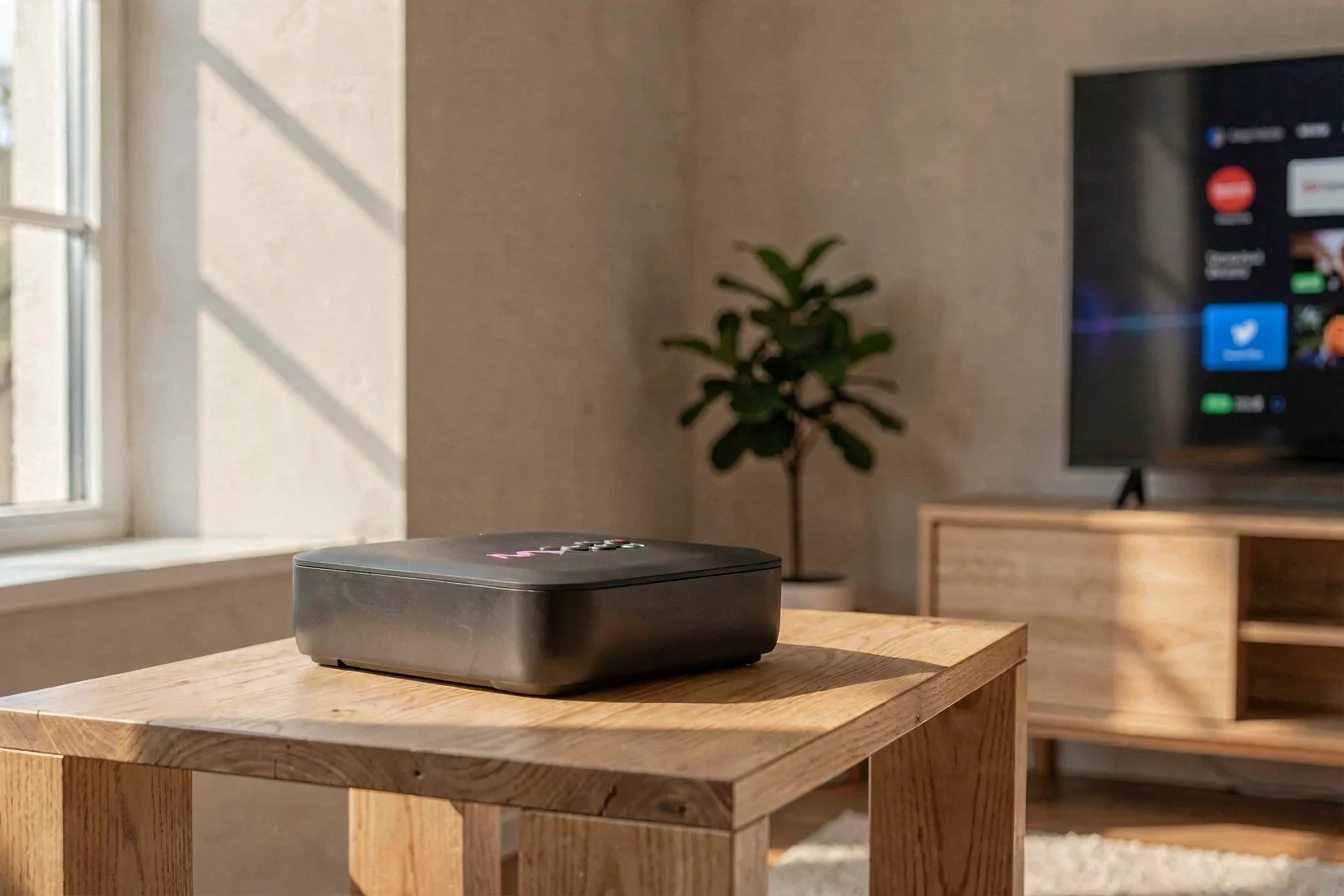
Both android TV box and apple TV box offer distinct advantages—Android TV Box excels in flexibility and device variety at lower costs, while Apple TV Box delivers unmatched user experience and integration for Apple-centric environments. Buyers should align their procurement with ecosystem compatibility, content access, and long-term support, as market trends show Apple TV Box gaining momentum for premium segments, while Android TV Box remains dominant in price-sensitive and customizable deployments[1][2][3].
The android TV box category provides buyers with a highly flexible, open-source platform, supporting a broad range of apps, streaming services, and hardware options. Its target audience includes price-sensitive consumers, commercial operators, and buyers seeking customization and regional content access. In contrast, the apple TV box targets premium users and Apple ecosystem buyers, offering seamless integration, high-end hardware, and an optimized streaming experience. The urgency to choose the right product stems from evolving streaming habits, increasing demand for high-resolution content, and the need for compatibility with existing devices.
Key differences include: Android TV Box offers Google Play Store access, manual APK installation, Dolby Vision/Atmos support on select models, and wide hardware diversity. Apple TV Box delivers Apple App Store exclusivity, tight integration with iOS/macOS, 4K HDR/Dolby Vision, and premium reliability. Android TV Box’s limitations are software fragmentation, hardware quality variance, and limited support for advanced codecs. Apple TV Box’s limitations are higher cost, closed ecosystem, and fewer third-party app options. Technological innovations include AV1 support for Android TV Box and improved HDMI 2.1, Wi-Fi 6, and software updates for Apple TV Box[3][4][8][12].
| Feature | Android TV Box | Apple TV Box |
|---|---|---|
| Operating System | Open-source Android TV OS | Closed tvOS |
| App Ecosystem | Google Play Store, APK install | Apple App Store |
| Content Access | Regional, flexible, third-party | Streaming services, Apple-centric |
| Hardware Variety | Wide range, $30–$200 | Premium, $200–$300 |
| Certifications | HDMI 2.1, AV1, Dolby Vision/Atmos | HDMI 2.1, Dolby Vision |
| Integration | Google Assistant, third-party devices | Apple ecosystem, Siri |
The core procurement logic is to match device selection to ecosystem needs, price sensitivity, and content access, with Android TV Box dominating price-driven and flexible deployments, and Apple TV Box excelling in premium, Apple-centric environments.
Durability is a key concern for buyers. Android TV box devices vary in reliability—premium models like Nvidia Shield Pro and Google-certified boxes offer robust performance and longevity, while budget models may suffer from hardware and software issues. Apple TV box devices, particularly the Apple TV 4K, are renowned for their reliability, minimal software fragmentation, and long-term support from Apple, ensuring smooth performance and frequent updates.
Application scenarios: Android TV Box excels in commercial deployments (hotels, offices), streaming diverse content, and supporting local/regional apps. Apple TV Box is ideal for premium home entertainment, Apple ecosystem integration, and high-end streaming requirements. Maintenance costs for Android TV Box include potential software updates, hardware replacement, and occasional app compatibility fixes. Apple TV Box maintenance is minimal, with most updates handled by Apple and fewer hardware issues reported.
5-year cost outlook: Initial purchase price for Android TV Box is $30–$200; Apple TV Box is $200–$300. Maintenance and replacement costs for Android TV Box can be higher due to software fragmentation and hardware variance. Apple TV Box maintenance is low, with rare hardware issues and minimal software costs. Hidden costs include content subscription fees, app purchases, and ecosystem lock-in.
| Cost Factor | Android TV Box | Apple TV Box |
|---|---|---|
| Initial Purchase Price | $30–$200 | $200–$300 |
| Maintenance | Medium (software/hardware) | Low (software updates) |
| Replacement Frequency | 2–5 years (varies) | 5+ years |
| Hidden Costs | Content subscriptions, app fees | Content subscriptions, app fees |
Long-term cost evaluation favors Apple TV Box for premium buyers seeking minimal maintenance, while Android TV Box is optimal for price-sensitive and flexible deployments with higher maintenance potential.
The android TV box and apple TV box categories deliver distinct value in today’s competitive streaming landscape. Android TV Box excels in price-driven, flexible deployments, supporting diverse content, regional apps, and commercial use cases. Apple TV Box dominates premium home entertainment, Apple ecosystem integration, and high-resolution streaming. Urgency is driven by rising demand for 4K, HDR, and Dolby Vision, with Apple TV Box gaining momentum for premium segments.
Google Trends data (2025–2026) shows Apple TV Box search interest rising, especially in late 2025 and early 2026, indicating a shift toward premium devices[1]. Android TV Box maintains steady interest, but lags behind Apple TV Box in premium segments. Amazon Fire TV Stick remains dominant in price-sensitive segments.
Search Interest over Time
Apple TV Box is trending upward in search interest, reflecting growing demand for premium streaming solutions, while Android TV Box remains steady for flexible, price-sensitive deployments.
Reddit and TikTok reveal contrasting user experiences. Android TV box users praise customization, price, and flexibility, but report hardware limitations and software fragmentation. Apple TV box users highlight seamless integration, reliability, and premium streaming, but complain about high cost and limited app selection. Social pulse shows Android TV Box is favored for commercial and price-driven use, while Apple TV Box is preferred for premium home entertainment.
Case Study 1 (Android TV Box): A Reddit user shares, "I purchased the Google TV streamer 4k, but it has a known bug with HDMI audio that causes a 1+ second delay in audio on all streaming apps (steam link, moonlight, Artemis) Everyone recommends the Nvidia Shield, but I wanted to check and see what you guys are actually using before dropping $200 on an Android TV box"[6]. Another user adds, "I’m still using an Nvidia Shield Pro on my main TV and, honestly, it’s old but rock solid. No audio sync issues, great for Moonlight / Steam Link, and it just works. The price hurts, but stability is why people keep recommending it. That said, if you don’t want to drop $200, a lot of users are perfectly fine with mid-range Android TV boxes as long as the software is clean. The key isn’t raw power, it’s reliability and codec handling"[6].
Case Study 2 (Apple TV Box): A Reddit user states, "If you have other Apple products and Apple services, yes. If not, still might be worth having. If you are fine with what you are using now, it’s probably not worth it. I just bought one 2 weeks ago and very happy I did. I felt the same way as you but decided to buy on any way. If a new one comes out I will just hook the old one up to my bedroom TV"[10]. Another user adds, "Everyone should have an Apple TV, especially if you have Apple devices. We've got 7 of them lol. Works SO much faster an better than any TV. It's also a lot better than any Firestick or Chromecast, and the only thing I'd ever consider otherwise would be a Shield Pro if I was an Android guy or wanted to output Atmos to a HT system"[10].
"I’m still using an Nvidia Shield Pro on my main TV and, honestly, it’s old but rock solid. No audio sync issues, great for Moonlight / Steam Link, and it just works." — Reddit [6]
"Everyone should have an Apple TV, especially if you have Apple devices. Works SO much faster an better than any TV." — Reddit [10]
| Dimension | Android TV Box | Apple TV Box |
|---|---|---|
| Overall Satisfaction | Medium-High | High |
| Most Praised Feature | Flexibility, price | Reliability, integration |
| Most Common Complaint | Hardware/software issues | High cost, app selection |
| Community Recommendation Rate | Moderate | High |
Viral content themes include debates on hardware reliability, software updates, app flexibility, and ecosystem integration. Cultural reception shows Android TV Box as the go-to for price-driven and flexible deployments, while Apple TV Box is viewed as the premium choice for seamless integration and reliability.
User sentiment favors Apple TV Box for reliability and premium experience, while Android TV Box is preferred for flexibility and price, with community debates centering on hardware/software and ecosystem compatibility.
Buyers should begin by identifying their core needs: primary use case, budget range, must-have vs. nice-to-have features, ecosystem compatibility, and desired content access. Key questions include: Is ecosystem integration essential? Is price sensitivity a priority? Is app flexibility or content variety required?
Tiered recommendations:
| Tier | Recommended Product | Key Reason |
|---|---|---|
| Budget-Friendly | Android TV Box | Price, flexibility, wide device options |
| Mid-Range | Android TV Box (premium models) | Reliability, codec support, commercial use |
| Premium | Apple TV Box | Reliability, integration, premium streaming |
Optimization tips: Buy during seasonal sales, bundle with content subscriptions, prioritize codec support (AV1, Dolby Vision), avoid low-end Android TV Box models with software fragmentation, and verify ecosystem compatibility before purchase.
Buyers should align procurement with ecosystem needs, price sensitivity, and content access, with tiered recommendations favoring Android TV Box for budget and flexibility, and Apple TV Box for premium and reliability.
Key insights: Both android TV box and apple TV box deliver distinct value—Android TV Box excels in price-driven, flexible deployments, while Apple TV Box dominates premium, reliability-driven environments. Market trends indicate Apple TV Box gaining momentum in premium segments, with rising search interest and user satisfaction. Android TV Box remains dominant in commercial and price-sensitive deployments, with steady demand and wide device variety.
Forward-looking recommendation: Over the next 6–12 months, buyers should expect continued innovation in codec support (AV1, Dolby Vision), ecosystem integration, and device reliability. Premium buyers should prioritize Apple TV Box for seamless integration and reliability, while commercial and price-sensitive buyers should focus on Android TV Box for flexibility and cost savings. Buyers are encouraged to share their experiences, optimize procurement timing, and leverage wholesale platforms for bulk sourcing.
Confident buyer action is essential—share your experience to help others, and commercial buyers should leverage Alibaba.com for bulk procurement, optimizing device selection based on ecosystem compatibility, price sensitivity, and content access.