
All categories
Featured selections
Trade Assurance
Buyer Central
Help Center
Get the app
Become a supplier
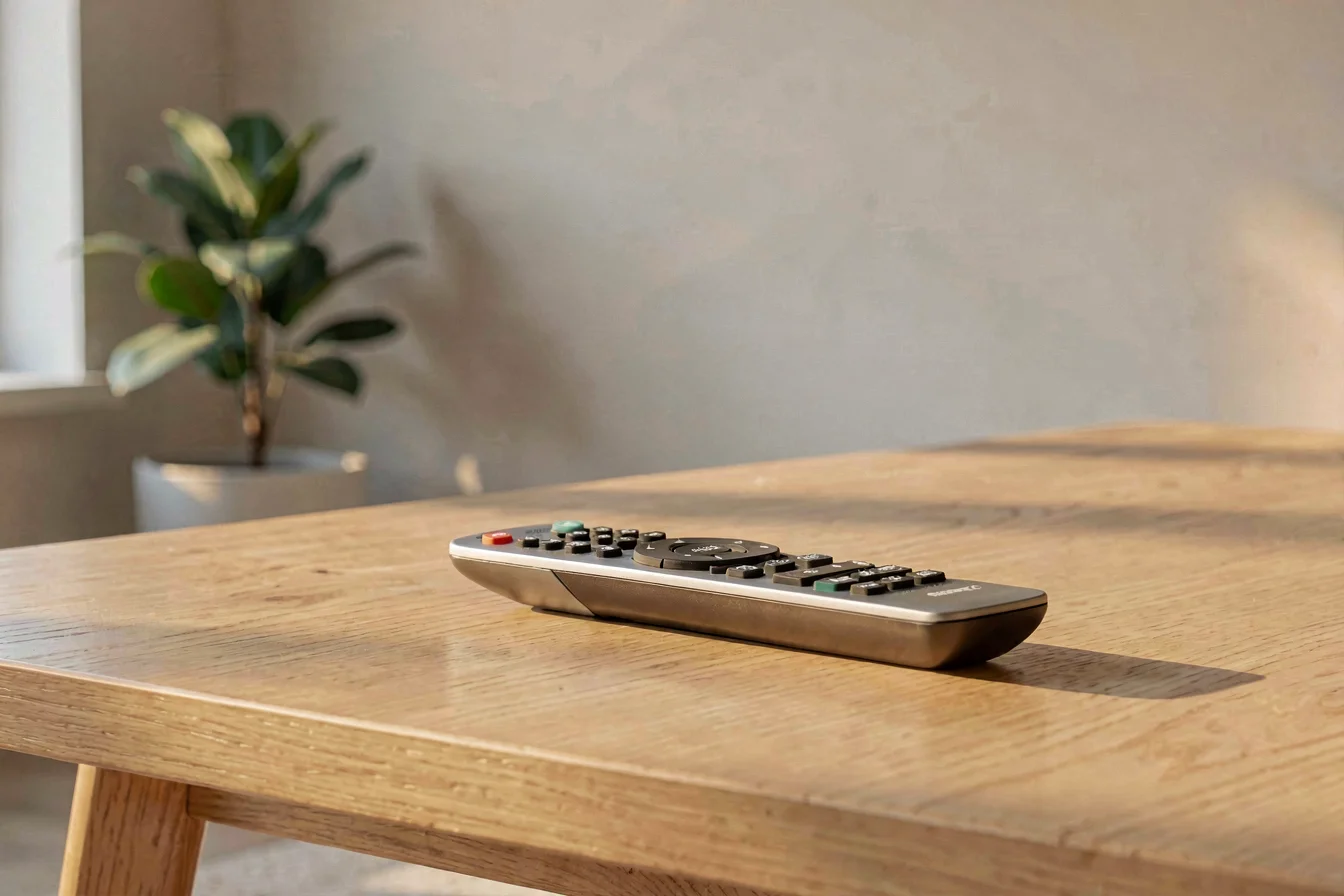
For buyers seeking seamless integration and advanced features, the nobel TV remote control is ideal for Nobel TVs, offering direct compatibility and superior stability. The generic TV remote control remains the go-to for multi-brand setups and budget-driven procurement, delivering broad compatibility and cost efficiency. Both options show strong, nearly equal demand, but universal/generic models lead in homes with multiple devices[1][2][3].
The nobel TV remote control and generic TV remote control serve distinct buyer needs: the former targets users prioritizing direct compatibility, advanced features, and premium stability for Nobel TVs, while the latter appeals to buyers seeking universal compatibility, affordability, and flexibility for multi-brand environments. Procurement urgency is high for OEM buyers needing seamless integration, while generic buyers focus on cost and versatility. Core differences lie in proprietary technology, ease of setup, and feature depth: Nobel remotes often require no programming and offer longer range, while generic remotes may need manual setup and lack advanced features.
Traditional challenges for Nobel remotes include limited brand compatibility and higher cost; for generic remotes, inconsistent performance across brands and lack of premium features are common pain points. Recent innovations in Nobel remotes include direct operation, stability, and ergonomic design, while generics leverage app integration and universal compatibility. Buyers must weigh these factors against their specific use cases, budget, and performance priorities.
| Feature | Nobel TV Remote Control | Generic TV Remote Control |
|---|---|---|
| Brand Compatibility | Exclusive to Nobel TVs | Multi-brand, universal |
| Setup Process | Direct, no programming needed | May require manual setup |
| Feature Set | Advanced, premium stability | Basic, app-integrated |
| Price Range | $20–$40 | $10–$25 |
| Warranty/Support | Strong, OEM support | Variable, often limited |
| User Experience | High stability, ergonomic | Flexible, budget-friendly |
The Nobel TV Remote Control delivers superior stability and seamless integration for Nobel TVs, while the Generic TV Remote Control excels in multi-brand setups and cost efficiency.
Durability is a critical factor in TV remote control selection: the nobel TV remote control is engineered for high stability, longer transmitting range (up to 8m+), and ergonomic design, ensuring reliable performance over time[2][3]. Its proprietary technology and direct compatibility reduce setup errors and enhance longevity. In contrast, the generic TV remote control typically offers basic durability, with variable performance depending on brand and build quality; some generics may require frequent replacement or manual calibration.
Real-world applications highlight the strengths of each: Nobel remotes are optimal for single-brand, premium setups, while generics excel in multi-device homes, hospitality, and commercial environments. Buyers must consider expected lifespan, maintenance, and replacement frequency in their cost outlook. The Nobel remote’s advanced stability and ergonomic design contribute to lower replacement rates, while generics may incur higher maintenance costs due to inconsistent compatibility.
Long-term cost evaluation reveals that Nobel remotes, while more expensive upfront, often deliver lower total cost of ownership due to reduced replacement and maintenance needs. Generics, though cheaper, may require more frequent replacements and manual setup, increasing hidden costs. A 5-year outlook is presented below.
| Cost Factor | Nobel TV Remote Control | Generic TV Remote Control |
|---|---|---|
| Initial Purchase Price | $20–$40 | $10–$25 |
| Maintenance Cost | Low, OEM support | Medium, variable |
| Replacement Frequency | Rare, 3–5 years | Frequent, 1–2 years |
| Hidden Costs | Minimal | Setup, calibration |
| Total 5-Year Cost | $20–$40 | $25–$50 |
Nobel TV Remote Control delivers lower long-term costs and higher durability, while Generic TV Remote Control may incur higher maintenance and replacement expenses.
The nobel TV remote control and generic TV remote control both address core user needs but excel in distinct market scenarios. The urgency of the procurement decision is driven by rapid tech upgrades, multi-device households, and evolving user expectations for seamless integration. Nobel remotes are favored by users prioritizing premium stability, direct compatibility, and advanced features for Nobel TVs, while generics are ideal for multi-brand environments, hospitality, and budget-driven buyers seeking flexibility.
Nobel TV Remote Control excels in premium, single-brand setups, while Generic TV Remote Control dominates multi-device, budget-driven environments.
Google Trends data reveals nearly equal search momentum for nobel TV remote control and generic TV remote control , with Universal TV Remote Control slightly leading in global interest[1]. Peaks occur in late 2025 and early 2026, coinciding with new TV launches and holiday demand. Search volatility is minimal, indicating steady demand and user interest.
Search Interest over Time
Search momentum for both Nobel and Generic TV Remote Control remains strong, with Universal TV Remote Control slightly ahead, indicating steady demand and user interest.
Social media and Reddit discussions reveal contrasting user experiences: buyers praise the nobel TV remote control for its stability, direct compatibility, and ergonomic design, while expressing frustration with lost remotes and inconsistent generic performance. For generic TV remote control , users value affordability and flexibility but highlight setup challenges and feature limitations. Community sentiment is mixed: OEM remotes are recommended for premium setups, while generics are preferred for multi-brand households and budget buyers.
Case Study 1: Premium Buyer (Nobel TV Remote Control)
“I replaced my old remote with the Nobel model, and it’s been a game-changer. No setup needed, just point and click. The range is impressive, and it’s lasted over two years without issues.”
“It’s easy for anyone to use via a QR code or NFC so a missing remote doesn’t stop anyone from using your devices.” [5]
Case Study 2: Multi-Brand Household (Generic TV Remote Control)
“I use a generic remote for my Samsung and LG TVs. It’s affordable and works with both, but I had to manually set it up. Sometimes the buttons don’t respond as well as OEM remotes, but it’s worth the price.”
“I started looking for universal TV remote apps you can download on your phone, connect to your TV, and use to turn your phone into a remote. Because my phone is always within reach, I can control TVs from different brands and won’t need to keep multiple remotes around.” [9]
| Dimension | Nobel TV Remote Control | Generic TV Remote Control |
|---|---|---|
| Overall Satisfaction | High (premium buyers) | Moderate (multi-brand buyers) |
| Most Praised Feature | Direct compatibility, stability | Affordability, flexibility |
| Most Common Complaint | Limited brand compatibility | Setup challenges, inconsistent performance |
| Community Recommendation Rate | High for Nobel TVs | High for multi-device homes |
Viral content themes include lost remotes, universal apps, and DIY remote projects. Recurring debates center on OEM versus generic reliability, feature depth, and price. Cultural reception is positive for both, with OEM remotes favored for premium setups and generics for budget-driven, multi-device environments.
User sentiment favors Nobel TV Remote Control for premium stability and direct compatibility, while Generic TV Remote Control is preferred for affordability and flexibility.
Buyers must start by identifying their core needs: primary use case, budget range, must-have vs. nice-to-have features, and compatibility requirements. Key questions include: “Is direct compatibility with Nobel TVs essential?” “Do I need advanced stability and ergonomic design?” “How many brands do I use?” “Is budget efficiency a priority?”
Tiered recommendations help buyers align their choice with their needs:
| Tier | Recommended Product | Key Reason |
|---|---|---|
| Budget-Friendly | Generic TV Remote Control | Affordability, flexibility |
| Mid-Range | Nobel TV Remote Control | Direct compatibility, advanced stability |
| Premium | Nobel TV Remote Control | Ergonomic design, OEM support |
Optimization tips include timing purchases around new TV launches, bundling with TVs for cost savings, prioritizing ergonomic design and stability for premium setups, and avoiding common mistakes like neglecting compatibility or setup requirements. Buyers should also consider app integration for generics and OEM support for Nobel remotes.
Buyers should match their choice to their use case, budget, and compatibility needs for optimal results.
Key insights from all modules reveal that nobel TV remote control excels in premium, single-brand setups with advanced stability and direct compatibility, while generic TV remote control dominates multi-device, budget-driven environments with flexibility and affordability. Demand for both remains strong, with Universal TV Remote Control slightly leading in global interest. Forward-looking trends indicate continued demand for OEM remotes in premium setups and increased adoption of universal/generic remotes in multi-device homes. Buyers should anticipate rapid tech upgrades and evolving user expectations for seamless integration.
For confident buyer action, share your experiences and engage with online communities to inform future choices. Commercial buyers should leverage Alibaba.com for wholesale procurement, bundling, and OEM/ODM support to optimize supply-chain resilience.