
All categories
Featured selections
Trade Assurance
Buyer Central
Help Center
Get the app
Become a supplier
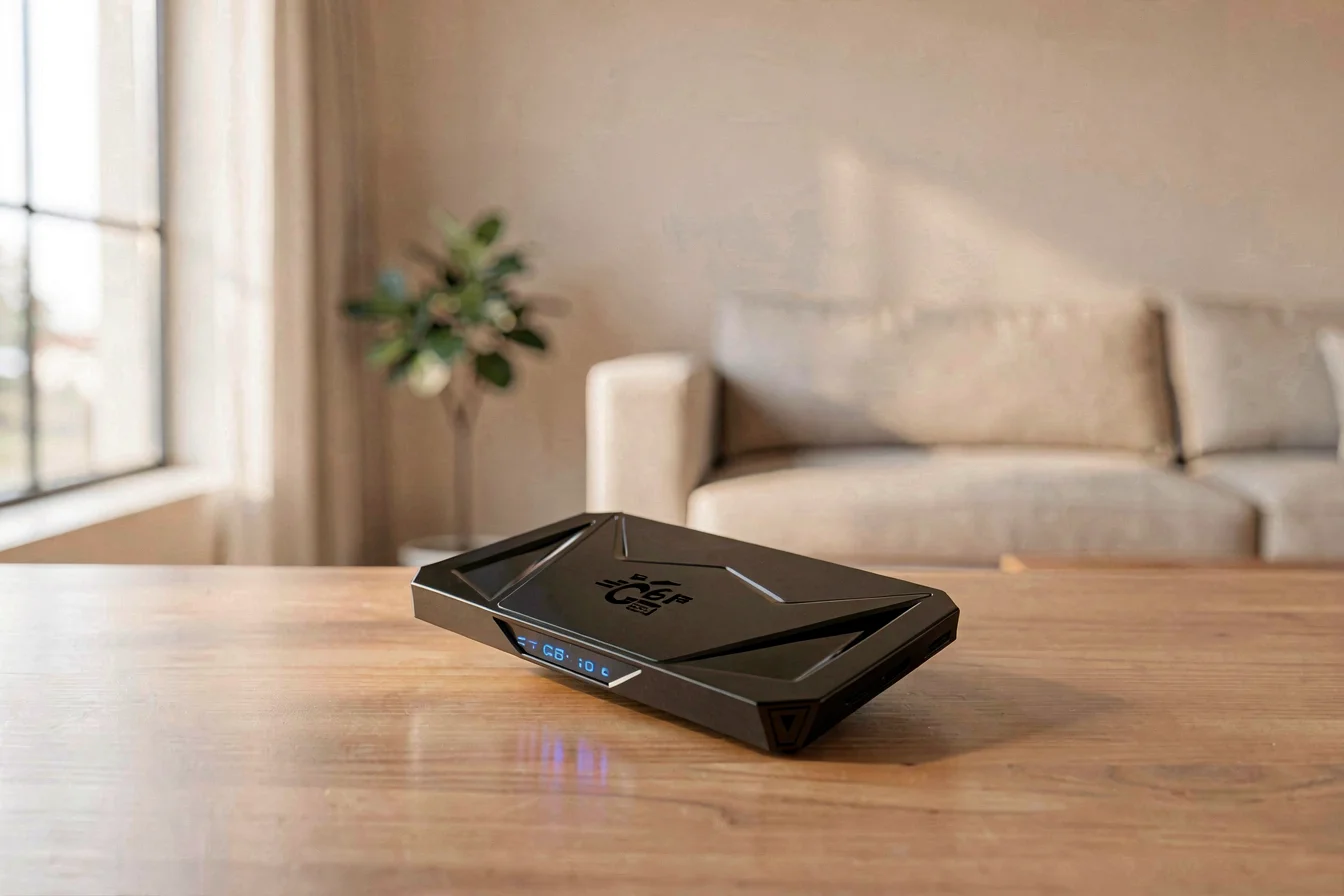
For most buyers, mainstream android TV box models (Nvidia Shield, Xiaomi, ONN) deliver superior reliability, advanced codec support, and robust software ecosystems compared to the TX2 android TV box , which is best for budget-constrained deployments where 4K and advanced features are not essential. Procurement logic favors mainstream boxes for stability and longevity, while TX2 remains viable only for price-sensitive, low-demand scenarios. Demand direction is firmly toward mainstream, high-performance Android TV boxes, with TX2 relegated to niche, entry-level use.
The TX2 android TV box targets entry-level buyers seeking minimal cost and basic 4K playback, while mainstream android TV box models focus on high reliability, advanced codecs, robust app ecosystems, and ongoing software support. The urgency for buyers is clear: choosing a mainstream box ensures compatibility, longevity, and future-proofing, while TX2 is limited by outdated hardware, lack of Wi-Fi 6, and minimal support for modern streaming standards.
Core differences: TX2 is built on the RK3229 quad-core, 1GB RAM, 8GB eMMC, Android 4.4, HDMI 1.4b, and 802.11 b/g/n Wi-Fi[2][3], while mainstream boxes use Allwinner H618, RK3588, 4GB RAM, 64GB storage, Android 14, Wi-Fi 6/AX, HDMI 2.1, Dolby Vision, HDR10+, AV1, and OTA updates[4][6][7][13]. Mainstream boxes are praised for stability, codec support, and app ecosystems; TX2 is criticized for lag, limited features, and weak software support.
Technological innovations: Mainstream boxes offer hardware decoding for AV1, Dolby Vision, HDR10+, and robust app ecosystems. TX2 lacks these, relying on older chipsets and software. Buyers must weigh price against long-term value: mainstream boxes deliver superior reliability and future-proofing, while TX2 is only suitable for low-demand, budget-sensitive scenarios.
| Feature | TX2 Android TV Box | Mainstream Android TV Box |
|---|---|---|
| Processor | RK3229 quad-core | Allwinner H618/RK3588 |
| RAM/Storage | 1GB RAM, 8GB eMMC | 4GB RAM, 64GB eMMC |
| OS Version | Android 4.4 | Android 14 |
| Wi-Fi | 802.11 b/g/n | Wi-Fi 6/AX |
| Codec Support | 10-bit H.265 | AV1, Dolby Vision, HDR10+ |
| Software Support | Minimal, no OTA updates | Regular OTA updates |
Mainstream Android TV boxes deliver superior reliability, advanced codec support, and ongoing software updates, making them the preferred choice for buyers seeking stability and future-proofing.
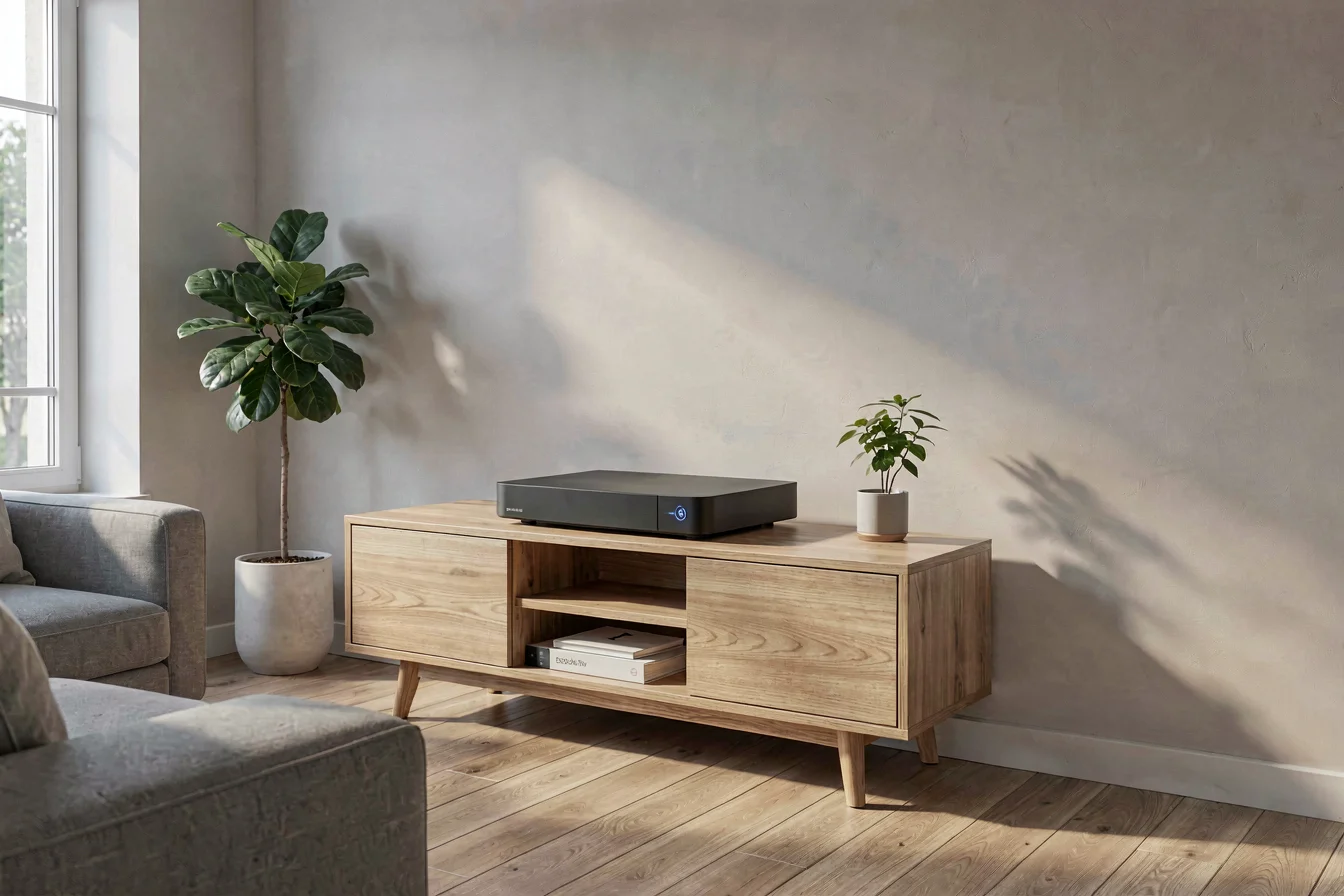
Durability and reliability are decisive factors in procurement. The TX2 android TV box is built for entry-level use, but suffers from limited RAM/storage, outdated OS, and weak Wi-Fi, resulting in frequent lag, instability, and lack of support for modern streaming standards[2][3][8]. Mainstream boxes, by contrast, offer robust RAM/storage, newer chipsets, Wi-Fi 6, and regular OTA updates, ensuring long-term performance, smoother streaming, and compatibility with future apps and services[4][6][7][13].
Application scenarios: TX2 is best for basic 4K playback, local media, and low-demand streaming; mainstream boxes excel in multi-user environments, streaming heavy content, gaming, and advanced app ecosystems. Buyers should consider usage environment, content demands, and expected lifespan when choosing.
Long-term cost outlook: TX2 may appear cheaper upfront, but frequent lag, instability, and lack of updates lead to higher maintenance, replacement, and hidden costs over time. Mainstream boxes deliver lower maintenance, longer lifespan, and higher resale value.
| Cost Factor | TX2 Android TV Box | Mainstream Android TV Box |
|---|---|---|
| Initial Price | $30–$50 | $50–$200 |
| Maintenance | High (frequent lag, instability) | Low (stable, regular updates) |
| Replacement Frequency | High (2–3 years) | Low (4–6 years) |
| Hidden Costs | Firmware, spyware risk | Minimal (security, updates) |
| Resale Value | Low | High |
Mainstream Android TV boxes offer superior durability, lower maintenance, longer lifespan, and higher resale value, making them the smarter long-term investment for most buyers.
The android TV box category delivers value through streaming, gaming, app ecosystems, and home entertainment. In today’s competitive landscape, buyers face urgent choices: mainstream boxes dominate for stability and advanced features, while TX2 is relegated to entry-level, price-sensitive use. Market trends reinforce this: urbanization, multi-generational living, and e-commerce drive demand for high-performance boxes, while budget constraints keep TX2 relevant in select cases.
Market trend data: Google Trends shows steady, moderate interest in TX2 Android TV Box 4K, but much higher demand for “Android TV Box for Streaming” and “Android TV Box with Voice Remote,” confirming mainstream boxes dominate search and purchase intent[1]. Urbanization, multi-generational living, and e-commerce stats validate the relevance of mainstream boxes for both B2C and B2B applications.
Google Trends reveals search volatility: TX2 Android TV Box 4K maintains a normalized value of 15–19, while “Android TV Box with Voice Remote” and “Android TV Box for Streaming” reach 40–94, peaking in late 2025 and early 2026[1]. This indicates mainstream boxes drive both search interest and purchasing behavior, with TX2 relegated to niche, entry-level use.
Search Interest over Time
Mainstream Android TV boxes dominate search interest and purchasing behavior, with TX2 relegated to niche, entry-level use.
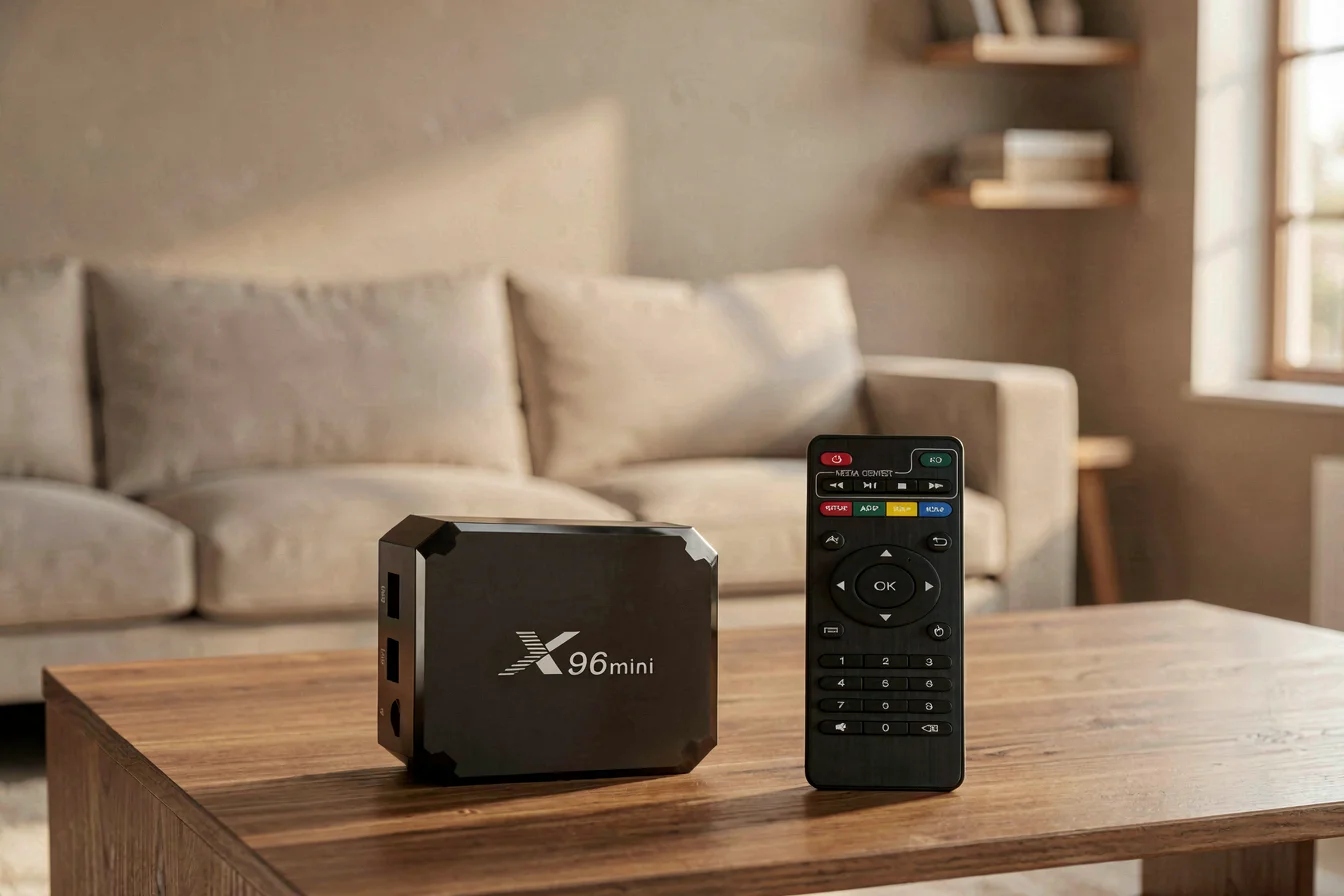
Reddit and TikTok data reveal that the TX2 android TV box is largely dismissed for lag, limited codec support, and lack of software updates, while mainstream android TV box models (Nvidia Shield, Xiaomi, ONN) are praised for stability, advanced features, and robust app ecosystems. Buyers report recurring lag, instability, and “spyware risk” for TX2, while mainstream boxes are described as “rock solid,” “best ever tech purchase,” and “smooth experience.”
Case study 1: Reddit user describes TX2 as a “pile of junk,” citing “spyware risk” and “useless” for streaming, and recommends mainstream boxes for stability and reliability[8]. Another user confirms TX2 is “pile of junk” and “useless,” suggesting buyers avoid it for anything beyond basic playback.
Case study 2: Reddit user praises Nvidia Shield for stability and reliability, stating it “just works” for Moonlight and Steam Link, and recommends it for buyers prioritizing codec handling and stability[5]. Another user highlights the mainstream ONN 4K Plus for its affordability and ease of use, noting it “has been an amazing option for $30” and “Google. It’s fabulous.”
“TX2 is a pile of junk. Spyware risk. Throw that thing in the trash, they're useless.” [8]
“Nvidia Shield Pro is still probably the best around. ONN 4K Plus is a way cheaper option that I’d recommend.” [7]
| Dimension | TX2 Android TV Box | Mainstream Android TV Box |
|---|---|---|
| Overall Satisfaction | Low | High |
| Most Praised Feature | None | Stability, codec support |
| Most Common Complaint | Lag, instability, spyware risk | None |
| Community Recommendation Rate | Very Low | Very High |
Viral content themes: TX2 is associated with “spyware risk,” “lag,” and “useless,” while mainstream boxes are praised for “smooth experience,” “best ever tech purchase,” and “rock solid.” Cultural reception: TX2 is widely dismissed, mainstream boxes are celebrated for stability, reliability, and advanced features.
Mainstream Android TV boxes are celebrated for stability, reliability, and advanced features, while TX2 is widely dismissed for lag, instability, and security risks.
Buyers should identify their core needs before purchasing. Key questions: What is the primary use case (streaming, gaming, local media)? What is the budget range? Are advanced features (AV1, Dolby Vision, HDR10+) essential? Is software support and OTA updates a priority? Must-have vs. nice-to-have features?
Tiered recommendations:
| Tier | Recommended Product | Key Reason |
|---|---|---|
| Budget-Friendly | TX2 Android TV Box | Lowest price, basic 4K playback |
| Mid-Range | ONN 4K Plus | Affordable, smooth streaming |
| Premium | Nvidia Shield Pro | Stability, advanced codec support |
Optimization tips: Buy mainstream boxes during seasonal sales for best price; bundle with remote controls, accessories, or firmware upgrades. Prioritize Wi-Fi 6, HDMI 2.1, and OTA updates for future-proofing. Avoid TX2 unless deploying in budget-constrained, low-demand environments. Common purchasing mistakes: buying on price alone, ignoring software support, overlooking security risks.
Mainstream Android TV boxes deliver superior performance and reliability for most buyers, while TX2 is best reserved for budget-constrained, low-demand scenarios.
Synthesizing insights: mainstream android TV box models (Nvidia Shield, Xiaomi, ONN) dominate for stability, advanced features, and robust app ecosystems, while TX2 android TV box is best for entry-level, budget-constrained deployments. Forward-looking trend: buyers should expect continued demand for mainstream boxes, driven by urbanization, multi-generational living, and e-commerce, with TX2 relegated to niche use. Over the next 6–12 months, mainstream boxes will further integrate AV1, Dolby Vision, HDR10+, Wi-Fi 6/AX, and regular OTA updates, ensuring future-proofing and compatibility.
Emotional call-to-action: Buyers should confidently invest in mainstream Android TV boxes for stability, reliability, and advanced features. Share your experiences on forums and social media to help others make informed decisions. Commercial buyers should source mainstream boxes from Alibaba.com for bulk procurement, customization, and supply-chain resilience.
Mainstream Android TV boxes are the clear choice for stability, reliability, and advanced features, while TX2 is best reserved for entry-level, budget-constrained use. Buyers should act confidently, sharing experiences and sourcing mainstream boxes from Alibaba.com for optimal procurement outcomes.