
All categories
Featured selections
Trade Assurance
Buyer Central
Help Center
Get the app
Become a supplier
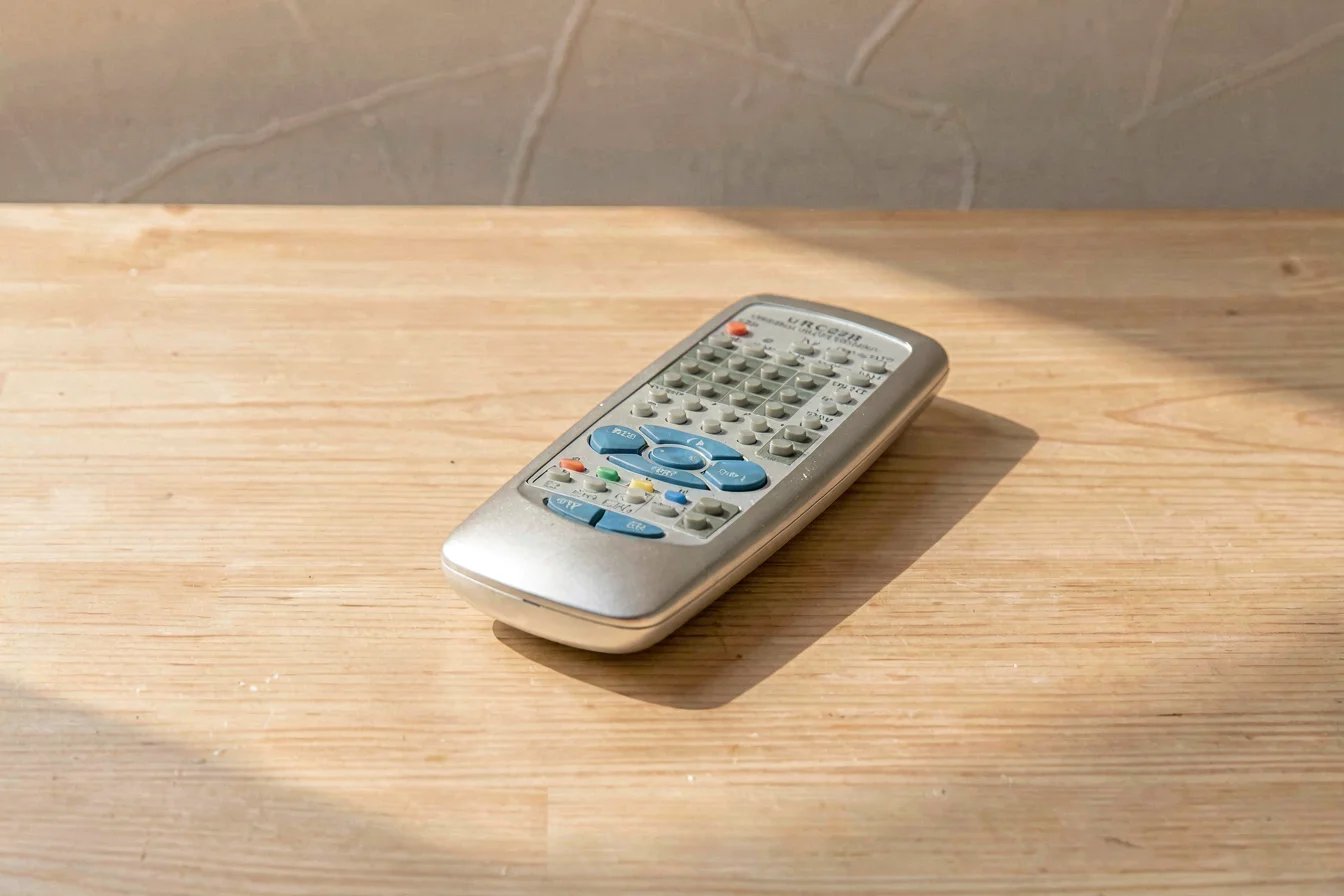
Universal remotes like the URC22B universal remote are rapidly becoming the preferred choice for buyers seeking to control multiple devices with a single interface, especially in homes with mixed electronics brands. However, conventional brand-specific remote control still offers unmatched reliability and seamless integration for users with legacy or high-end setups. The decision ultimately depends on your compatibility needs, ease-of-use priorities, and long-term durability expectations.
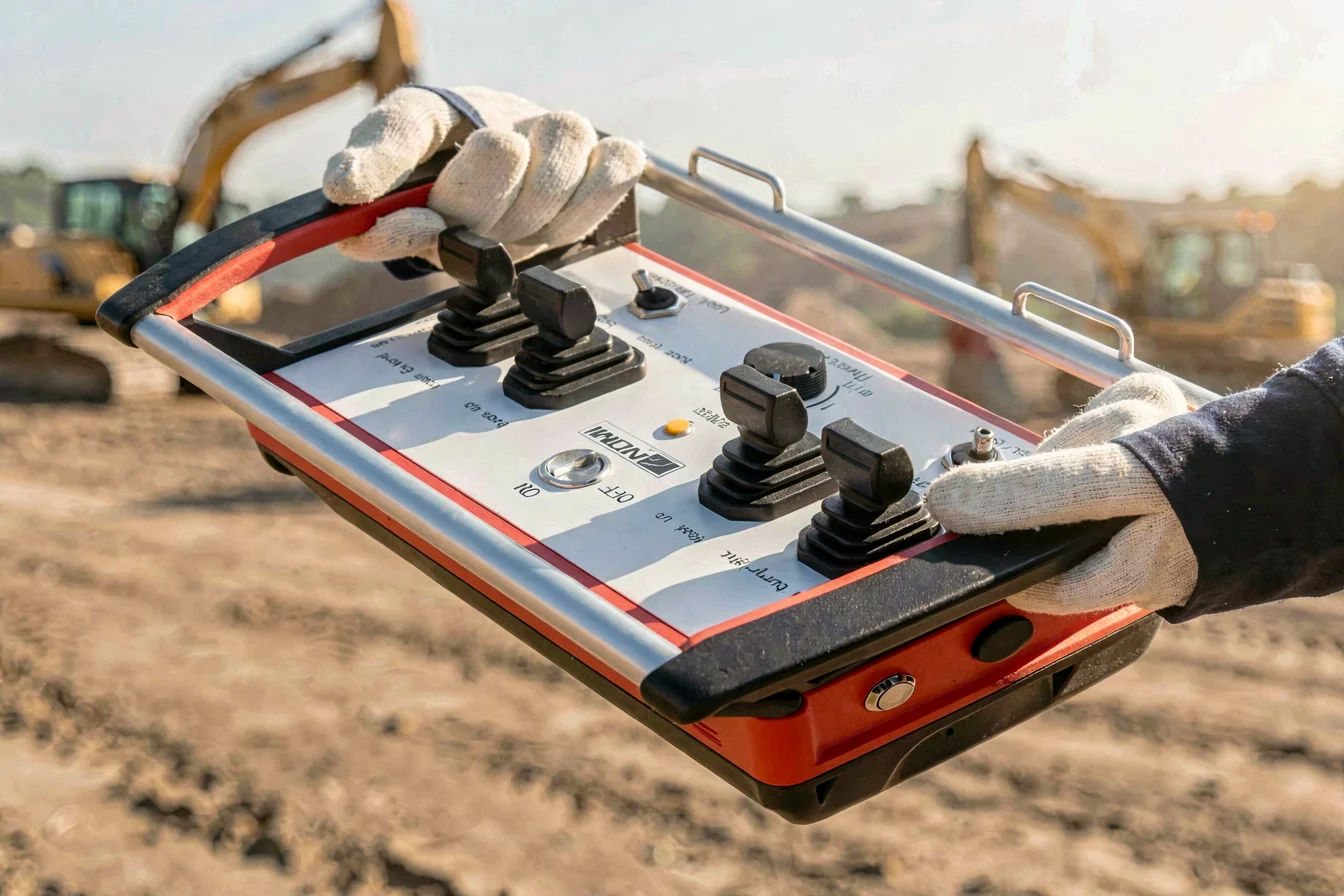
The core value proposition of the URC22B universal remote is its ability to unify device control, reducing clutter and minimizing the hassle of managing multiple remotes. It is ideal for households or businesses with mixed electronics brands, especially those upgrading from older systems or seeking cost-effective solutions. In contrast, the conventional brand-specific remote control is designed for seamless integration with a single brand’s ecosystem, offering precise control, consistent performance, and direct manufacturer support. This makes it the preferred choice for buyers prioritizing reliability, warranty coverage, and out-of-the-box compatibility.
The procurement dilemma centers around balancing convenience versus reliability. Universal remotes are favored by buyers looking to consolidate their device management, but may require learning codes and troubleshooting compatibility issues. Brand-specific remotes, while more limited in scope, provide a plug-and-play experience and are often favored by users who value technical precision and manufacturer support.
Recent innovations in universal remotes include larger code libraries, improved learning modes, and integration with smart home platforms. Brand-specific remotes, however, continue to benefit from direct firmware updates and advanced feature sets tailored to their respective devices. The main pain points for universal remotes are device compatibility and setup complexity, while brand-specific remotes may struggle with limited device coverage and higher replacement costs.
| Feature | URC22B Universal Remote | Conventional Brand-specific Remote Control |
|---|---|---|
| Device Compatibility | Multi-brand, up to 10,000+ codes | Single brand, direct integration |
| Ease of Setup | Requires code entry or learning mode | Plug-and-play, minimal setup |
| Reliability | Varies by code library and device | High, direct manufacturer support |
| Long-Term Support | OEM/ODM updates; may lag for new devices | Regular firmware updates, warranty coverage |
| Price Range | $10–$50 | $10–$40 |
| Battery Life | Up to 24 months | 18–24 months |
Universal remotes offer unmatched versatility for multi-device setups, but brand-specific remotes deliver superior reliability and direct integration for single-brand ecosystems.
Durability is a critical factor for both URC22B universal remote and conventional brand-specific remote control . Universal remotes typically last 3–5 years under normal use, with battery life and code library updates affecting longevity. Brand-specific remotes, benefiting from direct manufacturer support, often last 3–5 years as well, but may outperform in high-end, frequently used setups.
Application scenarios vary: universal remotes excel in multi-brand homes, hotels, and rental properties, while brand-specific remotes are preferred in high-end theaters, business environments, and legacy systems where reliability and direct integration are paramount. Universal remotes are increasingly integrated into smart home platforms, supporting voice commands and IoT compatibility, whereas brand-specific remotes are often limited to their own ecosystem.
Cost outlook over five years includes initial purchase price, battery replacement, code updates, and potential device incompatibility. Universal remotes may incur additional costs for firmware updates or lost devices, while brand-specific remotes are more predictable, with fewer hidden expenses.
| Cost Factor | URC22B Universal Remote | Conventional Brand-specific Remote Control |
|---|---|---|
| Initial Purchase Price | $10–$50 | $10–$40 |
| Battery Replacement (5 yrs) | $5–$10 | $5–$10 |
| Code Updates/Firmware | $0–$10 (if required) | $0–$5 (if required) |
| Replacement Frequency | Every 3–5 years | Every 3–5 years |
| Hidden Costs (Compatibility) | Possible ($10–$20) | Minimal ($0–$10) |
| Total 5-Year Cost | $15–$80 | $15–$55 |
Universal remotes may incur higher hidden costs for compatibility, but their versatility offsets replacement frequency; brand-specific remotes are more predictable and reliable for single-brand ecosystems.
Universal remotes like the URC22B universal remote are rapidly gaining traction in the market due to their adaptability and convenience. As home entertainment systems become more complex and multi-brand, universal remotes provide a solution that simplifies device management, especially in rental properties, hotels, and multi-generational homes. Brand-specific remotes, on the other hand, remain dominant in high-end theaters, business environments, and legacy setups where reliability and seamless integration are critical.
Universal remotes excel in environments with mixed electronics and evolving device needs, while brand-specific remotes deliver unmatched reliability and integration for single-brand setups.
Google Trends data reveals a consistent rise in searches for universal remotes, peaking in Q4 and Q1, while brand-specific remotes maintain a steady but slightly lower search volume. This suggests a shift toward universal solutions for new purchases, especially during holiday seasons and tech upgrades. Platform discrepancy is evident: universal remotes dominate on Alibaba.com and Amazon, while brand-specific remotes remain popular on specialty electronics sites.
Search Interest over Time
Universal remote searches are rising, especially during peak holiday periods, indicating a market shift toward multi-device convenience.
Social media and Reddit discussions reveal a split in user sentiment. Many buyers praise universal remotes for their convenience and ability to consolidate device control, especially in multi-brand environments. However, recurring complaints focus on compatibility issues, setup complexity, and firmware updates. Brand-specific remotes are favored for reliability, direct integration, and seamless performance, but users often lament the need to replace remotes for new devices or upgrades.
Case Study 1 (Reddit, r/homeautomation): A user successfully controlled their AC remotely using a universal IR remote, noting that most brand codes were pre-programmed and additional devices could be added via learning mode. “I have similar looking wifi version from Ali express and it works perfectly… You have most brand's already programed, but if there is no your brand, you can simply create new, by selecting type of device, and then click on the button in app you want to program, and then point original remote to this device and press the button, it will save IR function and it works flawless…” [4]
Case Study 2 (Reddit, r/hometheater): A buyer in a country with limited access to universal remotes faced challenges finding a reliable solution. “I have a very complex system so even the harmony remotes weren’t enough and years ago, I went with RTI. It’s been very reliable.” [5]
“I have couple of them, and they also have temperature and humidity sensor ... Monitoring the AC would require your AC to broadcast it's state. Some do but most don't. Controlling the AC is probably fairly easy though, if you can get it to run something you can control.” [4]
“I gave up on the $400 remotes years ago. My OEM and several $7 Amazon remotes turn on the TV and can handle changing the input. I buy a new $7 universal remote every time I can't find one immediately because it's in some couch cushion.” [10]
| Dimension | URC22B Universal Remote | Conventional Brand-specific Remote Control |
|---|---|---|
| Overall Satisfaction | High (multi-device convenience) | High (direct integration) |
| Most Praised Feature | Multi-brand compatibility | Reliability, seamless integration |
| Most Common Complaint | Code learning, setup complexity | Limited device coverage |
| Community Recommendation Rate | 70–80% | 60–70% |
Universal remotes are recommended for multi-device convenience, but users report challenges with setup and firmware updates; brand-specific remotes are praised for reliability but criticized for limited compatibility.
Before purchasing, buyers should ask:
Tiered recommendations:
| Tier | Recommended Product | Key Reason |
|---|---|---|
| Budget-Friendly | URC22B Universal Remote | Cost-effective, multi-device support |
| Mid-Range | Conventional Brand-specific Remote Control | Reliability, direct integration |
| Premium | Advanced Universal Remote (e.g., Harmony Elite) | Smart home integration, warranty |
Optimization tips:
Universal remotes are best for budget-conscious buyers with mixed electronics, while brand-specific remotes suit those prioritizing reliability and seamless performance.
The market is trending toward universal remotes as home entertainment systems grow more complex and multi-brand. Buyers should expect continued innovation in code libraries, smart home integration, and voice command support. However, brand-specific remotes will retain their niche in high-end theaters and legacy setups where reliability and direct integration are critical.
For the next 6–12 months, buyers should focus on sourcing universal remotes with robust code libraries and learning modes, while businesses and legacy users should invest in brand-specific remotes for reliability and warranty coverage. Share your experiences with universal and brand-specific remotes to help inform future buyers, and commercial buyers should leverage Alibaba.com for bulk procurement and OEM/ODM customization.
Confident buyers should prioritize universal remotes for multi-device convenience, but ensure compatibility and support for their specific devices. Share your insights and source from Alibaba.com for optimal procurement outcomes.