
All categories
Featured selections
Trade Assurance
Buyer Central
Help Center
Get the app
Become a supplier
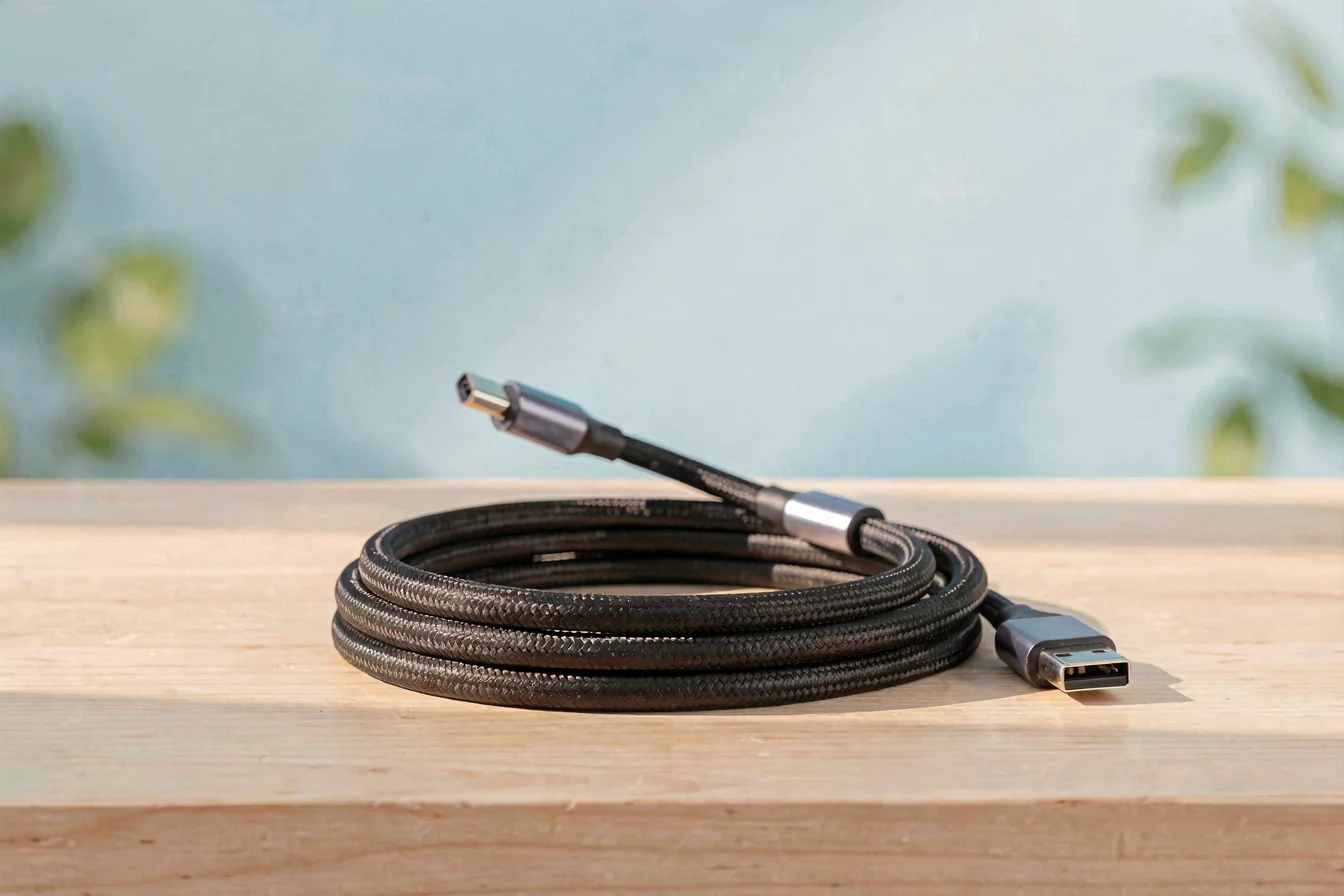
For mainstream buyers, universal USB data cables for smartphones offer unmatched compatibility, speed, and cost efficiency, making them the preferred procurement choice. USB data cable for nokia 2760 remains viable only for legacy device support or collector markets. As universal cables dominate both search interest and market momentum, buyers should prioritize universal variants for all new and multi-device setups.
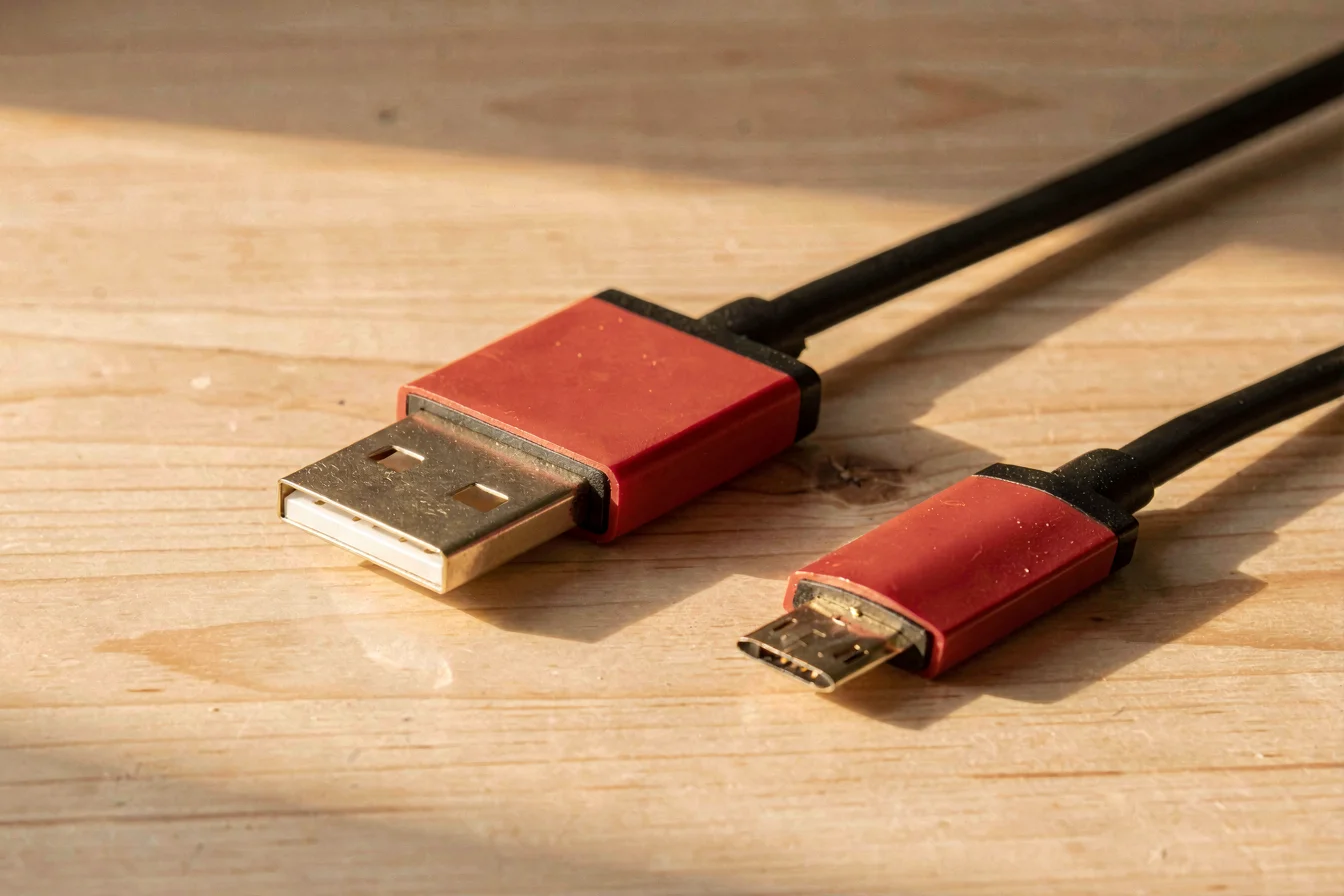
The USB data cable for nokia 2760 delivers essential connectivity for legacy Nokia devices, prized for its robust build and compatibility with older models. Meanwhile, universal USB data cables for smartphones provide seamless integration across multiple brands and modern features like fast charging and high-speed data transfer. The procurement dilemma hinges on balancing legacy device support with the benefits of universal compatibility, speed, and lower cost.
Universal cables address pain points such as cross-brand compatibility, frequent upgrades, and reduced downtime for device owners. USB data cable for nokia 2760 solves the need for reliable, durable connections for older, niche devices, but lacks support for modern standards and features. Technological innovations in universal cables include USB-C, Power Delivery, and enhanced shielding, while legacy Nokia cables remain largely unchanged since their introduction in the late 2000s.
Universal USB data cables are the optimal choice for mainstream buyers seeking cross-compatibility and future-proofing, while legacy Nokia cables cater to collectors and those maintaining older devices.
| Feature | USB Data Cable for Nokia 2760 | Universal USB Data Cable for Smartphones |
|---|---|---|
| Compatibility | Nokia 2760 only | All major smartphone brands (Android, iOS, etc.) |
| Build Quality | Durable, copper, shielded | High-quality, copper, shielded, often USB-C/USB-A |
| Speed & Features | Basic data transfer, no fast charging | Fast charging, high-speed data, Power Delivery |
| Price | $7–$8 (with discounts) | $1–$5 |
| Certifications | Limited; may lack modern standards | CE, RoHS, FCC |
| Target Audience | Collectors, legacy device users | Mainstream, multi-device buyers |
Durability is a key differentiator: Reddit users praise legacy Nokia cables for their indestructibility, with anecdotal evidence that even severely worn cables can function after minor repairs [9]. Universal cables, while not as “indestructible,” are engineered for frequent use and rapid replacement, supporting the latest standards and high-speed charging. Long-term reliability is critical for commercial buyers and collectors, while mainstream users value ease of replacement and upgrade.
Application scenarios: USB data cable for nokia 2760 is indispensable for maintaining older devices or restoring vintage phones, but offers limited utility in modern settings. Universal cables excel in environments requiring cross-device connectivity, fast charging, and frequent upgrades. Hidden costs for universal cables include higher replacement frequency, but lower per-unit costs offset this over time.
Universal cables deliver superior long-term value for mainstream buyers, while legacy Nokia cables are cost-effective for niche, low-frequency use.
| Cost Factor | USB Data Cable for Nokia 2760 | Universal USB Data Cable for Smartphones |
|---|---|---|
| Initial Purchase Price | $7–$8 | $1–$5 |
| Replacement Frequency | Low (legacy device, infrequent use) | Medium–High (frequent upgrades) |
| Maintenance | Minimal | Minimal |
| Hidden Costs | None (limited use) | Replacement, compatibility issues |
| Total 5-Year Cost | $7–$8 | $5–$15 |
The core value of USB data cables lies in reliable device connectivity, rapid charging, and seamless data transfer. In today’s competitive landscape, universal cables are the backbone of modern device ecosystems, supporting rapid innovation and cross-brand compatibility. Legacy Nokia cables are indispensable for collectors and those maintaining older devices, but their relevance is shrinking in mainstream procurement.
Universal cables dominate both B2B and B2C markets, while legacy Nokia cables serve niche, low-frequency use cases.
Google Trends data reveals that universal USB data cables for smartphones consistently outpace legacy Nokia cables in search interest, with recent peaks for USB-C variants and universal compatibility [1]. Search volatility shows universal cables trend upward, while legacy Nokia cables remain steady but low. This signals strong demand for universal cables in both consumer and business procurement.
Search Interest over Time
Universal USB data cables are trending upward, while legacy Nokia cables remain steady but niche.
Reddit and TikTok discussions highlight nostalgia for durable legacy Nokia cables, but universal cables are praised for their versatility and reliability. Universal cables are favored by mainstream buyers, while legacy cables are celebrated for their indestructibility and collector appeal. User pain points include compatibility issues, lack of fast charging, and the need for frequent replacements.
Case Study 1: Collector Use (Legacy Nokia Cable)
A collector on r/mildlyinteresting shared a story about a severely worn Nokia micro-USB cable that still functions after minor repairs:
“My USB just broke in 2 pieces and I can still use it 😅 just a bit of wiggling is needed.”
“Of course it still works. It was forged in the fires of Mount Doom from the exact same indestructible material as the legendary Nokia 3310.”
Case Study 2: Mainstream Use (Universal Cable)
On r/BadUSB, a user discusses the trend of smartphones not including USB cables:
“As long as my other twelve still work it's fine.”
“It's just cost cutting under the guise of being 'eco friendly.' Cables save brands millions of dollars despite weighing nothing. Offer an optional bundle, and everyone benefits.”
Universal cables dominate mainstream sentiment, while legacy Nokia cables are cherished for durability and nostalgia.
| Dimension | USB Data Cable for Nokia 2760 | Universal USB Data Cable for Smartphones |
|---|---|---|
| Overall Satisfaction | High (collectors, legacy users) | High (mainstream, multi-device users) |
| Most Praised Feature | Durability, indestructibility | Compatibility, fast charging |
| Most Common Complaint | Limited compatibility, outdated features | Frequent replacements, compatibility issues |
| Community Recommendation Rate | Low (niche audience) | High (mainstream audience) |
Table data sourced from Reddit discussions [4][9].
Viral content themes include nostalgia for Nokia cables, debates over eco-friendly cable inclusion, and frequent praise for universal cables in mainstream use. Cultural reception is polarized: collectors celebrate legacy cables, while mainstream buyers favor universal cables for convenience and future-proofing.
Buyers should start by identifying their core needs through a checklist:
Tiered recommendations:
| Tier | Recommended Product | Key Reason |
|---|---|---|
| Budget-Friendly | Universal USB Data Cable for Smartphones | Lowest price, widest compatibility |
| Mid-Range | Universal USB Data Cable for Smartphones | Fast charging, high-speed data |
| Premium/Niche | USB Data Cable for Nokia 2760 | Durability, legacy device support |
Optimization tips:
Mainstream buyers should prioritize universal cables for compatibility and cost efficiency; legacy users should select Nokia-specific cables for durability and nostalgia.
Universal USB data cables for smartphones will continue to dominate the market, driven by innovation, cross-compatibility, and rising demand for fast charging and high-speed data transfer. Legacy Nokia cables will remain relevant for collectors and those maintaining older devices, but their market share is expected to shrink further in the next 6–12 months as mainstream procurement shifts toward universal standards.
Buyers should confidently select universal USB data cables for mainstream use, while niche buyers should continue supporting legacy Nokia cables for specific applications.
Call-to-action: Share your experiences with both cable types in online communities and help shape future procurement trends. Commercial buyers should leverage wholesale platforms like Alibaba.com to source bulk universal cables and ensure supply-chain resilience for all device ecosystems.