
All categories
Featured selections
Trade Assurance
Buyer Central
Help Center
Get the app
Become a supplier
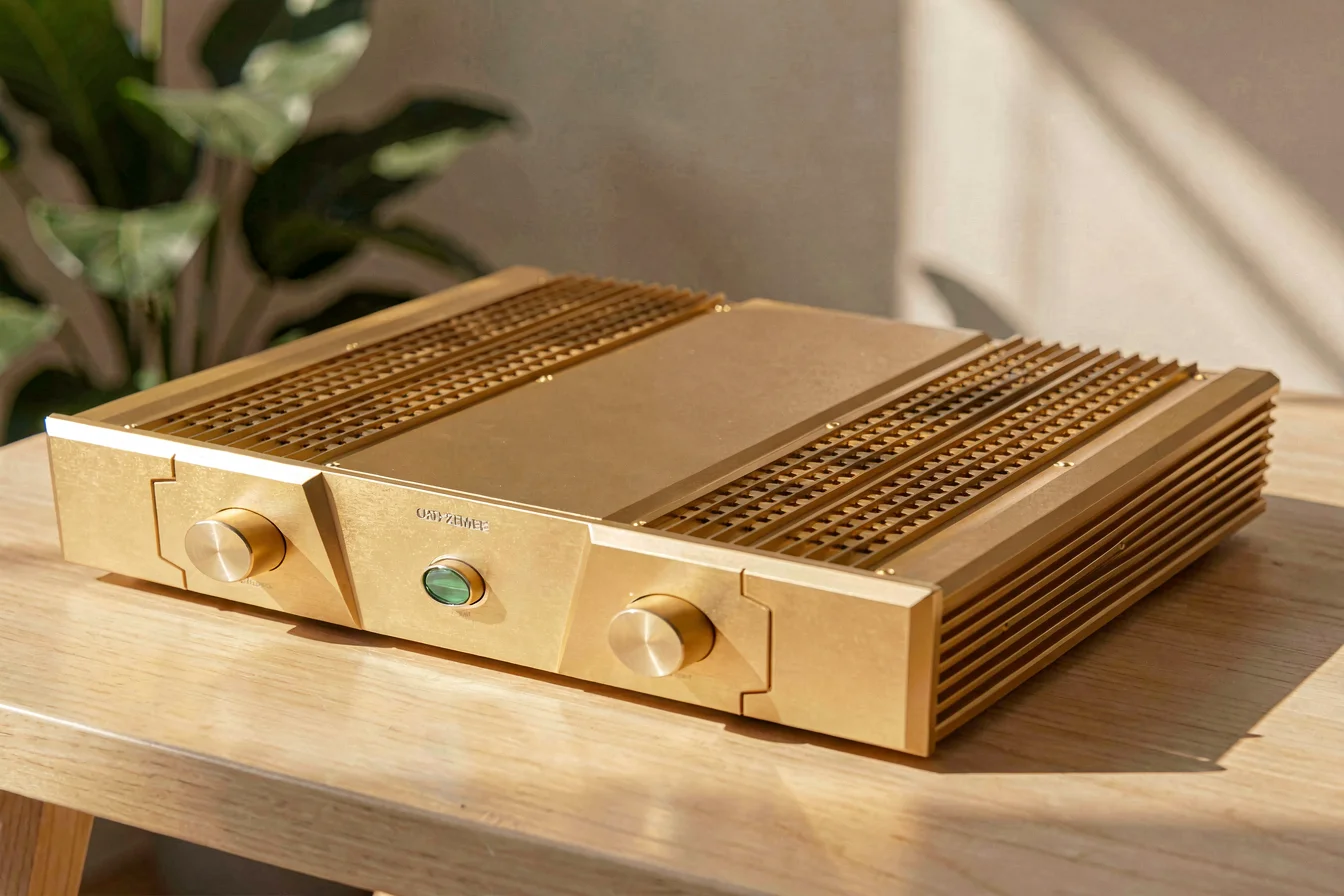
Choosing between a USB FM tuner and an internal PC FM tuner hinges on your priorities: plug-and-play flexibility and affordability favor the USB option, while desktop integration and audiophile-grade performance favor internal tuners. Recent trends show USB FM tuners gaining popularity for their ease of upgrade and low cost, but internal PC FM tuners maintain a niche for legacy setups and high-fidelity reception. Buyers should weigh integration, long-term reliability, and evolving FM radio alternatives when making procurement decisions[1][2][3].
The USB FM tuner and internal PC FM tuner both serve the core need of integrating FM radio reception into computing environments, but their target audiences and pain points differ. USB FM tuners appeal to users seeking plug-and-play convenience, low entry price, and easy upgrades, especially those in mobile or multi-device setups. Internal PC FM tuners cater to desktop users, audiophiles, and legacy system integrators who prioritize seamless integration, stable performance, and high-fidelity signal reception.
Technological innovation has enabled USB FM tuners to match internal tuners in signal sensitivity and DSP processing (Silabs SI4700/01), but internal tuners often offer superior build quality and dedicated hardware for audiophile-grade reception[2]. USB tuners excel in flexibility and rapid deployment, but internal tuners are harder to upgrade and may require system disassembly. Both types face challenges with antenna placement and signal interference, but USB tuners are less affected by motherboard obsolescence.
The USB FM tuner delivers unmatched convenience and affordability, while the internal PC FM tuner offers stable, high-fidelity performance for desktop-centric use cases.
| Feature | USB FM Tuner | Internal PC FM Tuner |
|---|---|---|
| Integration | Plug-and-play, works with any USB port | Dedicated slot, integrated with motherboard |
| Performance | Comparable sensitivity, lower build quality | High-fidelity, stable reception |
| Upgradability | Easy to replace or upgrade | Difficult to upgrade; often obsolete |
| Cost | $17–$49 (entry-level to mid-tier) | $20–$100 (entry to audiophile) |
| Target Audience | Mobile users, entry-level, multi-device | Desktop, audiophiles, legacy systems |
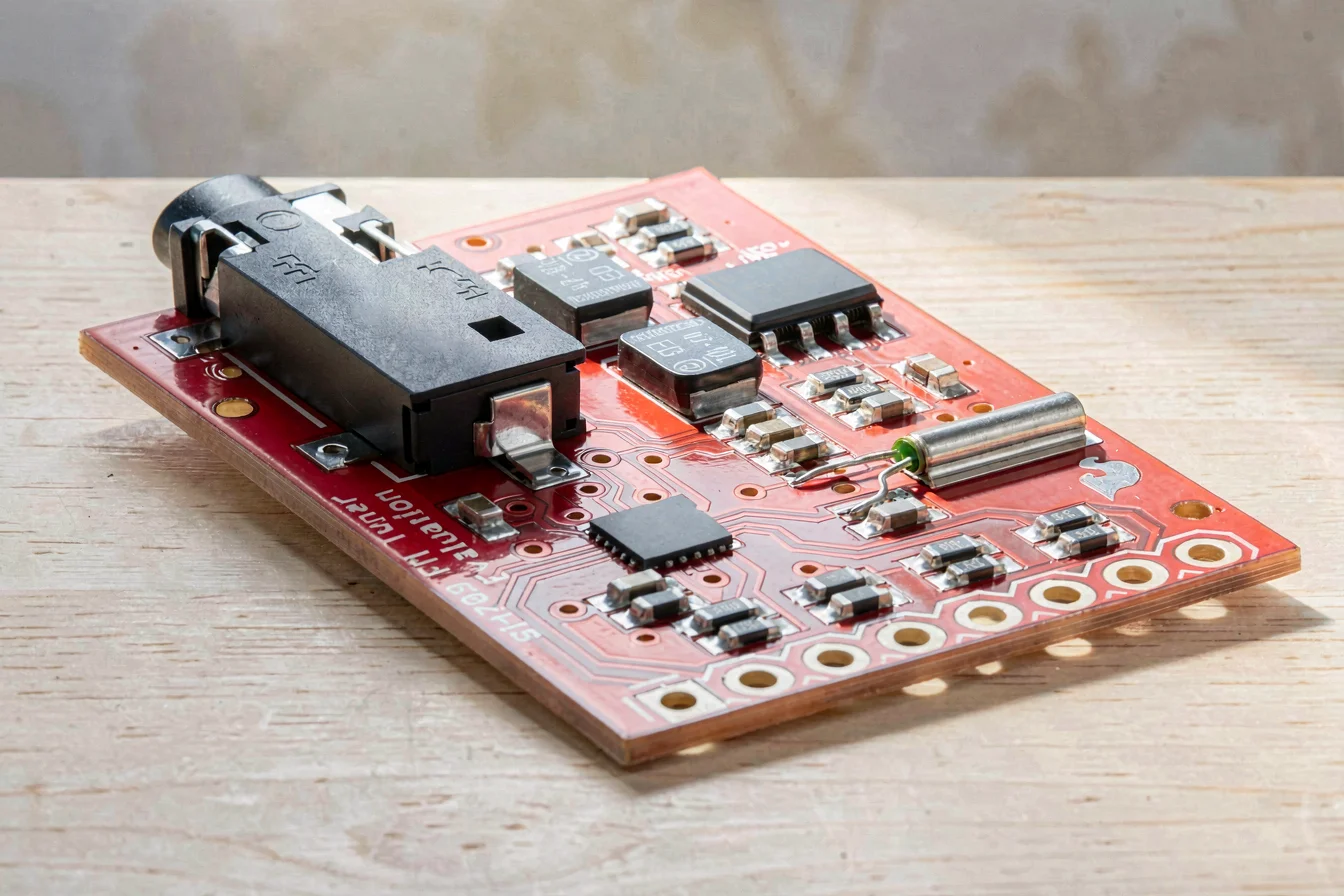
Durability and long-term cost are critical factors when choosing between a USB FM tuner and an internal PC FM tuner . USB FM tuners are generally more durable in mobile settings, with fewer mechanical failures and easier replacement, but internal tuners offer better longevity in stable desktop environments. Performance consistency over time depends on antenna placement and signal interference, not the tuner type itself.
Application scenarios vary: USB tuners are ideal for laptops, portable setups, and multi-device environments, while internal tuners excel in desktops, audiophile setups, and legacy systems requiring integrated hardware. The total cost of ownership (TCO) for USB tuners is lower due to easy replacement and minimal maintenance, but internal tuners may incur higher costs for repairs or upgrades due to motherboard compatibility issues.
USB FM tuners minimize long-term costs and maximize flexibility, while internal PC FM tuners offer greater reliability and performance in dedicated desktop setups.
| Cost Factor | USB FM Tuner | Internal PC FM Tuner |
|---|---|---|
| Initial Purchase Price | $17–$49 | $20–$100 |
| Maintenance | Low (easy to replace) | Moderate to high (requires system disassembly) |
| Replacement Frequency | Every 3–5 years | Every 5–10 years |
| Hidden Costs | Minimal, mostly antenna upgrades | Motherboard compatibility, repair labor |
| 5-Year TCO | $20–$60 | $40–$100 |
The USB FM tuner and internal PC FM tuner deliver unique value in today’s competitive landscape. USB FM tuners excel in mobile, multi-device, and entry-level use cases, while internal tuners remain relevant in desktop-centric, audiophile, and legacy integration environments. Market trends show growing demand for USB tuners as digital radio and streaming alternatives rise, but internal tuners maintain a niche for users who prioritize high-fidelity reception and seamless integration.
USB FM tuners dominate mobile and entry-level markets, while internal tuners hold steady in desktop and audiophile segments.
Google Trends data reveals that search interest for internal PC FM tuner has consistently outpaced USB FM tuner since March 2025, but USB FM tuners are experiencing a steady uptick as digital radio alternatives rise[1]. This gap reflects a shift toward plug-and-play convenience and affordability, but internal tuners retain a strong presence in legacy and audiophile markets.
Search Interest over Time
Internal PC FM tuners retain higher search interest, but USB FM tuners are gaining traction as digital radio adoption rises.
Online communities reveal nuanced perspectives on USB FM tuner and internal PC FM tuner . Reddit and TikTok discussions highlight USB tuners for their affordability and plug-and-play convenience, but internal tuners are praised for audiophile-grade reception and legacy compatibility. Users report antenna placement and signal interference as recurring pain points, regardless of tuner type.
Case Study 1: A Reddit user in r/BudgetAudiophile discusses the disappearance of FM tuners, noting that “FM radio is on the way out... DAB+ and even more internet radio are its replacement. Its quality is subpar, it is prone to disturbances. And virtually everybody carries around a small supercomputer with almost unlimited data to stream 10000+ stations at a far superior quality.”[8] Despite this, the user values vintage tuners for their sound quality and recommends used or refurbished units for legacy integration.
Case Study 2: In r/cordcutters, a user seeks advice on the best tuner for TV on PC, with replies highlighting USB tuners as the cheapest and most flexible option, while HD Homerun and Hauppauge tuners are praised for advanced features and network flexibility[9]. The consensus is that USB tuners are ideal for entry-level and mobile use, but internal tuners offer better performance for desktop-centric setups.
“Cheapest would be a USB tuner - new single channel tuner for $30-40. HD Homerun would provide a lot more flexibility... I'm going to wait until the major retailers sales tomorrow to see if I can get one a little cheaper, but even at msrp it looks amazing.” [9]
“I have the Hauppage dual tuner for years. Combined with my Emby server, I can have live tv anywhere, and the DVR function paired with MCEBuddy to remove commercials and convert the TS files to MP4 is the cat's ass.” [9]
USB FM tuners are praised for affordability and flexibility, while internal tuners are valued for audiophile-grade reception and legacy integration.
| Dimension | USB FM Tuner | Internal PC FM Tuner |
|---|---|---|
| Overall Satisfaction | High for affordability, moderate for audiophiles | High for audiophiles, moderate for entry-level |
| Most Praised Feature | Plug-and-play, low cost | High-fidelity, stable integration |
| Most Common Complaint | Signal interference, antenna placement | Difficult to upgrade, compatibility issues |
| Community Recommendation Rate | High for entry-level, moderate for audiophiles | High for audiophiles, moderate for entry-level |
Table data sourced from [8][9].
Viral content themes include antenna placement tips, signal interference debates, and the rise of digital radio alternatives. Cultural reception is mixed: USB tuners are seen as a pragmatic solution for modern, mobile users, while internal tuners are valued for their legacy and audiophile credentials.
Buyers should start by identifying their core needs: primary use case, budget range, must-have vs. nice-to-have features, and future compatibility. Key questions to ask:
Tiered recommendations:
| Tier | Recommended Product | Key Reason |
|---|---|---|
| Budget-Friendly | USB FM Tuner | Lowest price, easy upgrade |
| Mid-Range | USB FM Tuner (premium model) | Better signal, plug-and-play convenience |
| Premium | Internal PC FM Tuner | Audiophile-grade, stable integration |
Table data sourced from [2][3].
Optimization tips:
For budget and flexibility, choose a USB FM tuner; for audiophile-grade and desktop integration, choose an internal PC FM tuner.
Key insights: USB FM tuners are gaining momentum due to their plug-and-play convenience, affordability, and compatibility with modern devices. Internal PC FM tuners remain relevant for audiophiles and legacy desktop setups but face declining demand as digital radio and streaming alternatives rise. For the next 6–12 months, buyers should expect further innovation in USB tuner designs and increased integration with multi-device ecosystems.
Confidently choose your FM tuner based on your use case and future needs. Share your experience online to help the community, and commercial buyers should source directly from Alibaba.com for bulk procurement and OEM/ODM customization.