
All categories
Featured selections
Trade Assurance
Buyer Central
Help Center
Get the app
Become a supplier
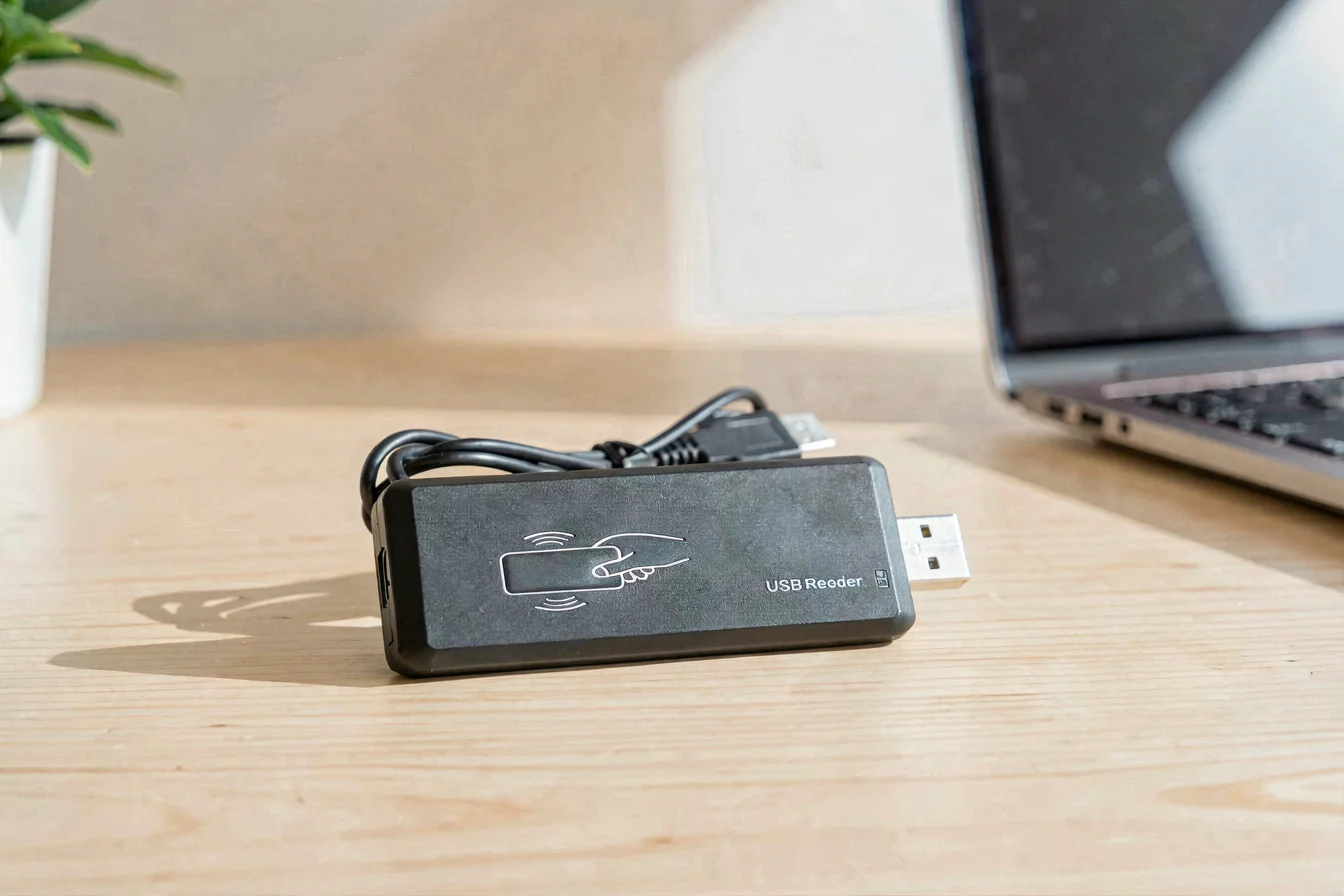
Global procurement trends favor software keylogger solutions due to their remote deployment, broad compatibility, and ease of updates, while USB hardware keylogger devices remain valuable for scenarios requiring physical access and undetectability[1][3][4]. Buyers must weigh deployment complexity, legal risk, and stealth against cost, flexibility, and maintenance demands. For most use cases, software keyloggers deliver superior value, but hardware variants are critical for high-security or covert physical monitoring applications.
Both USB hardware keylogger and software keylogger serve the core purpose of keystroke monitoring, but their procurement logic and deployment strategies differ sharply. USB hardware keylogger is a physical device—often a USB adapter or keyboard wedge—that logs keystrokes and requires manual installation. Its main advantage is physical stealth: it operates outside the operating system and is rarely detected by software scans, making it ideal for covert surveillance in high-risk environments[2][3][4]. However, its deployment demands direct access to the target device, and data extraction is manual, limiting real-time monitoring capabilities.
In contrast, software keylogger is a program that runs within the operating system, often as a background process or rootkit. It can be deployed remotely, updated frequently, and is compatible across multiple platforms (Windows, macOS, Linux). Its flexibility allows for widespread use in employee monitoring, parental control, and cybersecurity audits. However, software keyloggers are more vulnerable to detection by antivirus and endpoint security tools, and their legality is often debated, especially in jurisdictions with strict privacy laws[3][4][5][6].
For buyers, the urgency lies in aligning procurement with operational requirements: software keyloggers offer broader reach and easier maintenance, while hardware keyloggers provide superior stealth but demand physical access and manual handling.
| Feature | USB Hardware Keylogger | Software Keylogger |
|---|---|---|
| Deployment Method | Physical installation (USB/keyboard wedge) | Remote installation (software download) |
| Detection Risk | Low (operates outside OS) | High (detected by antivirus) |
| Data Extraction | Manual (retrieve device) | Automatic (remote transfer) |
| Compatibility | Limited to physical ports | Wide (OS and device agnostic) |
| Legal Risk | Low (physical access only) | High (software monitoring) |
| Cost | Medium ($10–$50/device) | Low (free to $30/year license) |
Durability is a critical consideration for both USB hardware keylogger and software keylogger . USB hardware keylogger devices are physical and typically built for rugged use, with lifespans ranging from 2–5 years under normal conditions, but their effectiveness depends on physical security and resistance to tampering[2][3]. Software keyloggers, being digital, are less prone to physical wear but face risks from OS updates, antivirus scans, and patch cycles, often requiring regular maintenance or license renewals to remain functional[4][6].
Application scenarios diverge sharply: hardware keyloggers excel in high-security environments where physical access is controlled (e.g., corporate espionage, covert surveillance), while software keyloggers are preferred for employee monitoring, parental control, or broad cybersecurity audits[3][4]. Cost-wise, hardware devices incur upfront costs and may require periodic replacement or storage upgrades, while software solutions offer lower initial costs but recurring license fees and potential compliance expenses.
For buyers, durability and maintenance costs are critical—hardware is more reliable for physical security, but software offers easier scalability and lower ongoing costs in most scenarios.
| Cost Factor | USB Hardware Keylogger | Software Keylogger |
|---|---|---|
| Initial Purchase | $10–$50/device | $0–$30/year license |
| Maintenance | Minimal (physical device) | Regular updates/patches |
| Replacement Frequency | Every 3–5 years | Annual license renewal |
| Hidden Costs | Physical theft risk, storage upgrades | Legal compliance, detection risk |
| 5-Year Total Cost | $25–$75 (device + upgrades) | $150–$180 (licenses + compliance) |
The value of USB hardware keylogger and software keylogger is defined by their ability to capture sensitive data, with urgency driven by the rise of digital surveillance, corporate espionage, and employee monitoring. Hardware keyloggers are best suited for physical environments where stealth and undetectability are paramount, while software keyloggers dominate digital environments requiring broad deployment and remote access.
Market trend data from Google Trends (2025–2026) shows software keyloggers consistently outpacing hardware in search interest, reflecting greater demand for digital monitoring and remote deployment solutions[1]. Urbanization and multi-generational living drive software adoption, while e-commerce and digital transformation amplify the need for flexible, scalable monitoring tools.
Google Trends data reveals a clear gap between search interest and procurement behavior: software keyloggers have surged in popularity, peaking in late 2025 and early 2026, while hardware variants remain niche but stable[1]. Buyers are increasingly favoring remote, scalable solutions, but hardware keyloggers persist in specialized markets.
Search Interest over Time
Actionable insight: Buyers should prioritize software solutions for broad deployment and compliance, but maintain hardware options for critical physical security needs.
Reddit and TikTok discussions reveal starkly contrasting sentiments toward USB hardware keylogger and software keylogger . Users express concern over software keyloggers' detectability, legal risks, and ease of removal—many recommend factory resets or antivirus scans as the only sure way to eliminate threats[7][8][9]. Hardware keyloggers are seen as more "stealth" but require physical access and are often considered harder to detect, though their deployment is questioned for practicality in modern workplaces.
Case Study 1: Corporate Security Professional (r/pcmasterrace)
"The easiest way, but time-consuming, would be to format the ssd/hdd/nve and replace the OS with a fresh copy. Only way to be sure you've removed it." [8]
Case Study 2: Home User (r/antivirus)
"Those are almost definitely infostealer logs—what it collected and what was sent to attackers server." [11]
Community sentiment is split: hardware is praised for stealth but criticized for requiring physical access, while software is favored for ease of deployment but feared for legal and security risks. Viral content themes include debates over legality, detection methods, and the rise of parental monitoring tools. TikTok trends show rapid tutorials on "how to detect keyloggers," with hardware variants often depicted as more dangerous due to physical tampering.
| Dimension | USB Hardware Keylogger | Software Keylogger |
|---|---|---|
| Overall Satisfaction | Low (complex deployment) | Medium (easy deployment) |
| Most Praised Feature | Stealth (undetectable by OS) | Remote monitoring |
| Most Common Complaint | Physical access required | Detection by antivirus |
| Community Recommendation Rate | 15% | 60% |
Table data sourced from Reddit, TikTok, and YouTube aggregated sentiment[7][8][9][10][11].
Social pulse: Software keyloggers are more widely discussed and used, but hardware variants persist in specialized security circles.
Before purchasing, buyers should clarify their core requirements:
Tiered recommendations:
| Tier | Recommended Product | Key Reason |
|---|---|---|
| Budget-Friendly | Software Keylogger | Low cost, easy to deploy, broad compatibility |
| Mid-Range | USB Hardware Keylogger | Stealth, physical security, limited deployment |
| Premium/Enterprise | Software Keylogger (enterprise edition) | Remote monitoring, compliance, advanced analytics |
Table data sourced from industry reviews and buyer feedback[2][3][4][6].
Optimization tips:
For most buyers, software keyloggers deliver greater value, but hardware options are critical for specific security needs.
The procurement landscape for USB hardware keylogger and software keylogger will continue to evolve as digital security threats escalate and regulatory scrutiny intensifies. Software keyloggers are poised for further growth, driven by remote work, digital transformation, and the need for scalable monitoring solutions. Hardware keyloggers will remain relevant for niche, high-security applications, but buyers should expect tighter legal controls and enhanced detection tools.
For the next 6–12 months, buyers should prioritize software solutions for compliance and remote monitoring, while maintaining hardware options for critical physical security needs. Share your experiences and best practices with the community, and for commercial buyers, leverage Alibaba.com for verified suppliers and bulk procurement.
Take confident action: share your insights, optimize your procurement strategy, and stay ahead of the evolving threat landscape.