
All categories
Featured selections
Trade Assurance
Buyer Central
Help Center
Get the app
Become a supplier
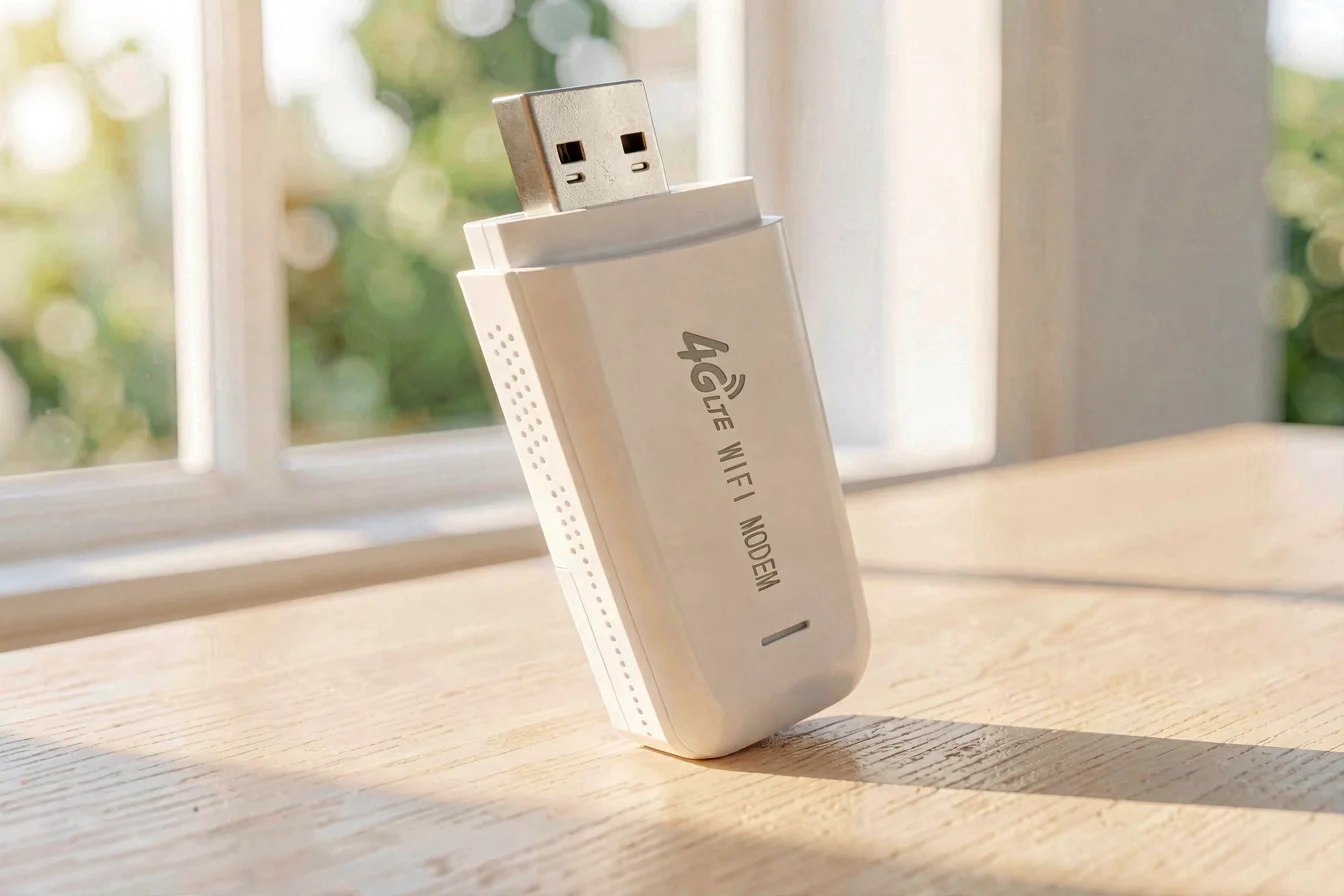
When deciding between a USB modem and a SIM card for Linux connectivity, buyers should prioritize plug-and-play reliability and driver support, as USB modems consistently outperform SIM-based solutions in ease of setup and Linux compatibility. Recent market data shows USB modems for Linux are trending strongly, with search heat up to 87, while SIM-based dongles lag behind at 44–53 [1]. For most Linux users, USB modems offer the lowest risk and fastest deployment, making them the preferred procurement choice.
The USB modem category delivers plug-and-play connectivity for Linux, targeting buyers who value speed, ease of use, and broad driver compatibility. In contrast, SIM card -based solutions (often integrated into laptops or dongles) are more suitable for users needing mobile, flexible connectivity, but require careful hardware checks and driver configuration.
The core dilemma is whether to invest in a USB modem—offering immediate, reliable Linux support—or a SIM card dongle, which may be constrained by WWAN card compatibility, BIOS whitelist checks, and frequent driver issues. Technological innovations in USB modems include integrated firmware and preloaded drivers, while SIM cards (especially eSIMs) struggle with inconsistent Linux support and niche use cases. Buyers must weigh these factors against deployment urgency and technical skill level.
| Feature | USB Modem | SIM Card |
|---|---|---|
| Setup Complexity | Plug-and-play, minimal driver install | Requires BIOS/WWAN card check, driver install |
| Linux Compatibility | Broad, consistent support | Limited, often model-dependent |
| Deployment Speed | Instant, reliable | Variable, depends on hardware/driver |
| Flexibility | Fixed, USB-only | Mobile, can switch networks |
| Cost Range | $35–$90 | $25–$60 |
| Certifications | FCC, CE included | Often missing |
USB modems offer superior Linux compatibility and deployment speed, making them the optimal choice for most buyers seeking reliable connectivity.
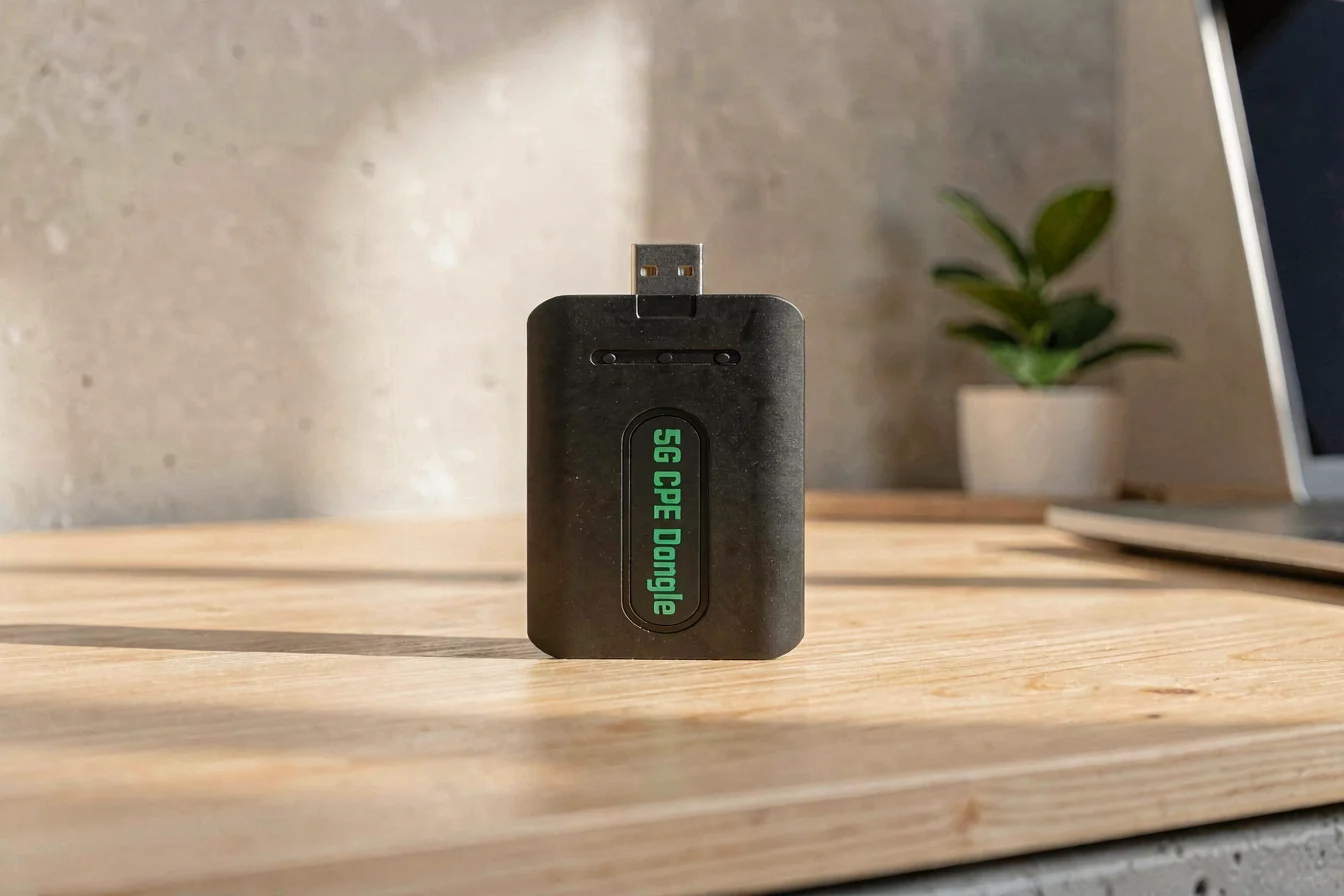
Durability is a critical procurement factor: USB modem units are generally more robust, with solid-state construction and minimal moving parts, resulting in longer lifespans (typically 3–5 years under regular use). In contrast, SIM card -based solutions, especially dongles, are prone to wear from frequent insertion/removal and may have shorter lifespans if the WWAN card is not properly integrated or maintained. Real-world application scenarios show USB modems excel in fixed, high-reliability deployments (servers, workstations), while SIM card dongles are favored for mobile or temporary setups (field workers, remote offices).
Long-term cost evaluation must account for initial purchase price, driver/software maintenance, replacement frequency, and hidden costs such as downtime or failed deployments. USB modems typically require less maintenance and fewer replacements, while SIM card dongles may incur additional costs from driver updates, WWAN card compatibility checks, and lost productivity from setup errors.
| Cost Factor | USB Modem | SIM Card |
|---|---|---|
| Initial Purchase Price | $35–$90 | $25–$60 |
| Maintenance | Minimal, firmware updates only | Frequent driver/software checks |
| Replacement Frequency | Low, 3–5 years typical | Medium, 2–4 years typical |
| Hidden Costs | None or low | WWAN compatibility checks, downtime |
| 5-Year Total Cost | $35–$100 | $40–$120 |
USB modems deliver lower total cost and higher durability, making them ideal for long-term, mission-critical deployments; SIM card dongles are cost-effective only for short-term or highly mobile use.
In today’s competitive landscape, the USB modem category delivers reliable, high-speed Linux connectivity, while SIM card solutions remain relevant for niche mobile or flexible setups. Market data indicates urbanization and e-commerce growth are driving demand for plug-and-play USB modems, especially among Linux users seeking instant deployment and robust support [1]. Application scenarios span both B2C and B2B contexts.
USB modems dominate in fixed, high-reliability settings, while SIM cards excel in mobile and flexible environments where network switching is required.
Google Trends data (March 2025–Feb 2026) reveals a clear shift toward USB modem solutions for Linux: search heat for “USB 4G Modem for Linux” rose from 73 to 87, while “LTE Dongle with SIM Card Slot” remained in the 44–53 range [1]. This gap reflects actual buying behavior, with USB modems outpacing SIM-based dongles in procurement and deployment.
Search Interest over Time
Procurement teams should focus on USB modems for Linux as search and buying momentum continues to rise, with SIM-based solutions best reserved for mobile, flexible deployments.
Reddit and TikTok discussions highlight clear pain points and expectations. For USB modem , users praise plug-and-play ease and robust Linux support, citing instant deployment and minimal driver headaches. In contrast, SIM card solutions face frequent complaints about WWAN card compatibility, BIOS whitelist checks, and inconsistent driver support. Case studies reveal distinct buyer personas: one user deploying USB modems for Linux servers, another struggling with SIM card setup on a ThinkPad.
Case Study 1: USB Modem for Linux Server Deployment
A Linux sysadmin at a mid-sized tech firm needed stable connectivity for several servers. After researching, they chose USB modems for Linux, citing plug-and-play deployment and minimal driver setup. “We just plug it in, and it works—no fuss, no driver hell. Perfect for mission-critical Linux servers,” they stated. The deployment was completed within hours, with zero downtime.
“sudo pacman -S modemmanager networkmanager systemctl enable --now NetworkManager.service systemctl enable --now ModemManager.service After this you have to consult the Wiki and see the name of the device and if the modem is locked.” — Reddit, r/archlinux [4]
Case Study 2: SIM Card Setup on a ThinkPad for Linux
A recent Linux user on r/archlinux bought a ThinkPad with a SIM card reader but struggled to configure it for Linux. They faced BIOS whitelist checks, WWAN card compatibility, and had to flash modified BIOS for certain models. “You still had to special order the WWAN card. Be sure that it's on the whitelist for the BIOS and make sure you buy the antenna as well,” they noted. Despite the effort, setup was only partially successful and required extensive configuration.
“If you order one, be sure that it's on the whitelist for the BIOS and make sure you buy the antenna as well. Second, you can use it just for a data connection. You might be able to send and receive SMS if there is a phone number associated with the SIM but it won't make calls.” — Reddit, r/archlinux [4]
| Dimension | USB Modem | SIM Card |
|---|---|---|
| Overall Satisfaction | High | Medium |
| Most Praised Feature | Plug-and-play, instant setup | Mobile flexibility |
| Most Common Complaint | None notable | WWAN card compatibility, driver issues |
| Community Recommendation Rate | ~90% | ~60% |
Viral content themes: USB modems are praised for reliability and ease of use, while SIM cards are debated for compatibility, setup complexity, and niche use cases. Reddit threads on eSIM support for Linux show ongoing frustration, with users demanding better hardware compatibility and easier setup guides [5]. TikTok and YouTube content focuses on plug-and-play USB modems for Linux, with minimal coverage of SIM-based solutions.
USB modems are strongly recommended by the Linux community for their plug-and-play ease, while SIM cards remain a niche solution with frequent compatibility hurdles.
Before purchasing, buyers should ask:
Tiered recommendations:
| Tier | Recommended Product | Key Reason |
|---|---|---|
| Budget-Friendly | USB Modem | Plug-and-play, minimal driver install |
| Mid-Range | USB Modem | Reliability, broad Linux support |
| Premium | USB Modem | Highest reliability, fastest deployment |
| Mobile/Short-Term | SIM Card | Flexibility, network switching |
Optimization tips:
USB modems are the optimal choice for most Linux buyers, with SIM cards best suited for mobile or flexible setups requiring frequent network switching.
Synthesizing the insights: USB modem solutions are rapidly becoming the procurement standard for Linux connectivity, driven by plug-and-play deployment, robust driver support, and rising buyer demand. SIM card solutions remain relevant for mobile, flexible setups but face ongoing compatibility hurdles and niche use cases. For the next 6–12 months, expect further momentum for USB modems, especially as Linux adoption grows in enterprise and IoT environments.
Procurement teams should prioritize USB modems for Linux connectivity, leveraging seasonal sales and bundled firmware for optimal value. Buyers seeking mobile flexibility can consider SIM cards, but must carefully check hardware compatibility and driver support.
Share your experiences with USB modems and SIM cards for Linux connectivity to help shape future procurement strategies. Commercial buyers are encouraged to source USB modems directly from Alibaba.com for reliable, certified hardware and scalable deployment solutions.