
All categories
Featured selections
Trade Assurance
Buyer Central
Help Center
Get the app
Become a supplier
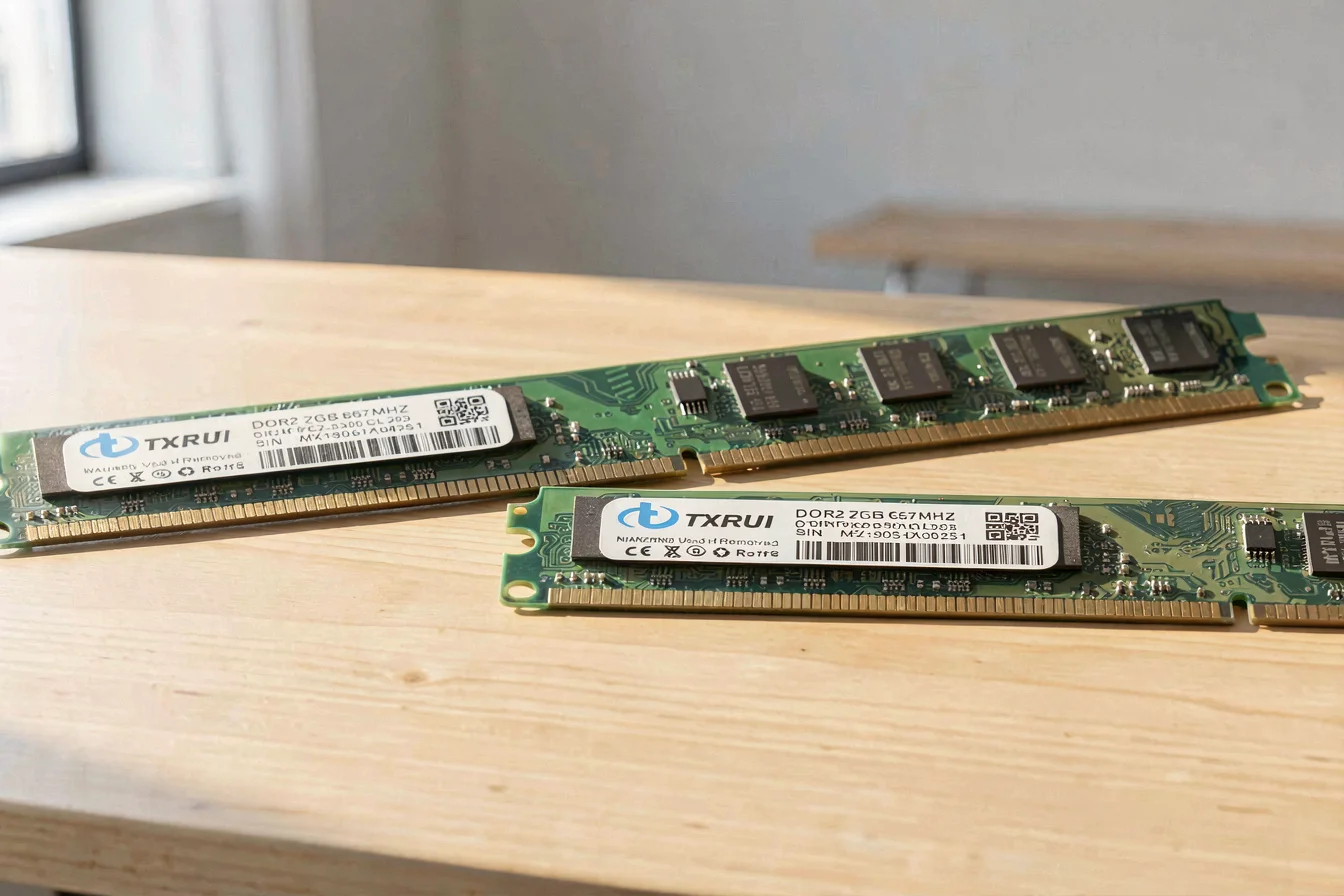
For most legacy and budget applications, used DDR2 RAM 4GB delivers significantly better performance, multitasking, and future-proofing than used DDR2 RAM 2GB , making it the preferred choice for buyers seeking value and longevity. However, both are obsolete for mainstream use, and compatibility with modern hardware remains a critical challenge. Procurement logic favors 4GB for its practical advantages, but careful consideration of system requirements and workload is essential.
The core value of DDR2 RAM procurement lies in supporting legacy systems, budget upgrades, and niche applications where cost and compatibility matter most. Used DDR2 RAM 2GB is widely available and inexpensive, ideal for basic tasks and minimal workloads, but its performance limitations quickly become apparent in multitasking or modern operating environments. In contrast, used DDR2 RAM 4GB offers a substantial leap in capacity, supporting smoother operation, better multitasking, and compatibility with a broader range of legacy operating systems and software. The urgency for informed decision-making is heightened by the fact that both options are obsolete for mainstream applications, with new motherboards and CPUs supporting DDR3, DDR4, or DDR5.
Traditional challenges addressed by DDR2 RAM include enabling budget upgrades for older systems, supporting lightweight tasks, and facilitating reuse in educational or home environments. Technological innovations distinguishing the two include increased memory density and improved compatibility with 32-bit and early 64-bit operating systems. However, both face limitations: 2GB is increasingly inadequate for modern workflows, while 4GB is rare, expensive, and not always compatible with older boards.
| Feature | Used DDR2 RAM 2GB | Used DDR2 RAM 4GB |
|---|---|---|
| Availability | Very common, low cost | Rare, expensive |
| Performance | Basic, limited multitasking | Improved, better multitasking |
| Compatibility | Wide, but obsolete for new systems | Limited, not always compatible with older boards |
| Future-proofing | Minimal, quickly outdated | Better, supports more advanced OS/software |
| Use Cases | Very basic tasks, legacy systems | Light multitasking, legacy OS upgrades |
The procurement dilemma is clear: 2GB is good for very basic needs but limits future growth, while 4GB offers better value and longevity for legacy systems.
Durability is a key concern for used DDR2 RAM 2GB and used DDR2 RAM 4GB due to their age and the likelihood of wear and tear in used modules. Both are generally reliable for their intended use cases, but physical degradation and compatibility issues can affect performance over time. 2GB sticks are more readily available and less prone to compatibility issues, while 4GB sticks, though rarer, can offer better performance and longevity when matched with compatible hardware.
Real-world applications for 2GB include very basic tasks such as light browsing, word processing, and legacy software, while 4GB supports more demanding multitasking, light gaming, and running modern operating systems in legacy environments. Buyers should consider the environment and workload: 2GB suffices for minimal tasks, but 4GB is strongly recommended for anything beyond that. Hidden costs include potential compatibility issues, the need for additional upgrades (motherboard, OS), and the risk of obsolescence.
| Cost Factor | Used DDR2 RAM 2GB | Used DDR2 RAM 4GB |
|---|---|---|
| Initial Purchase Price | Low ($5–$20) | High ($20–$50+) |
| Maintenance/Replacement Frequency | Low; rarely needed | Low; rarely needed |
| Hidden Costs (Compatibility) | Minimal | High (may require motherboard or OS upgrade) |
| Total Cost of Ownership (5-Year Outlook) | $10–$30 | $40–$70+ |
Long-term cost and durability favor 4GB, but buyers must weigh compatibility risks and hidden costs against the improved performance and value.
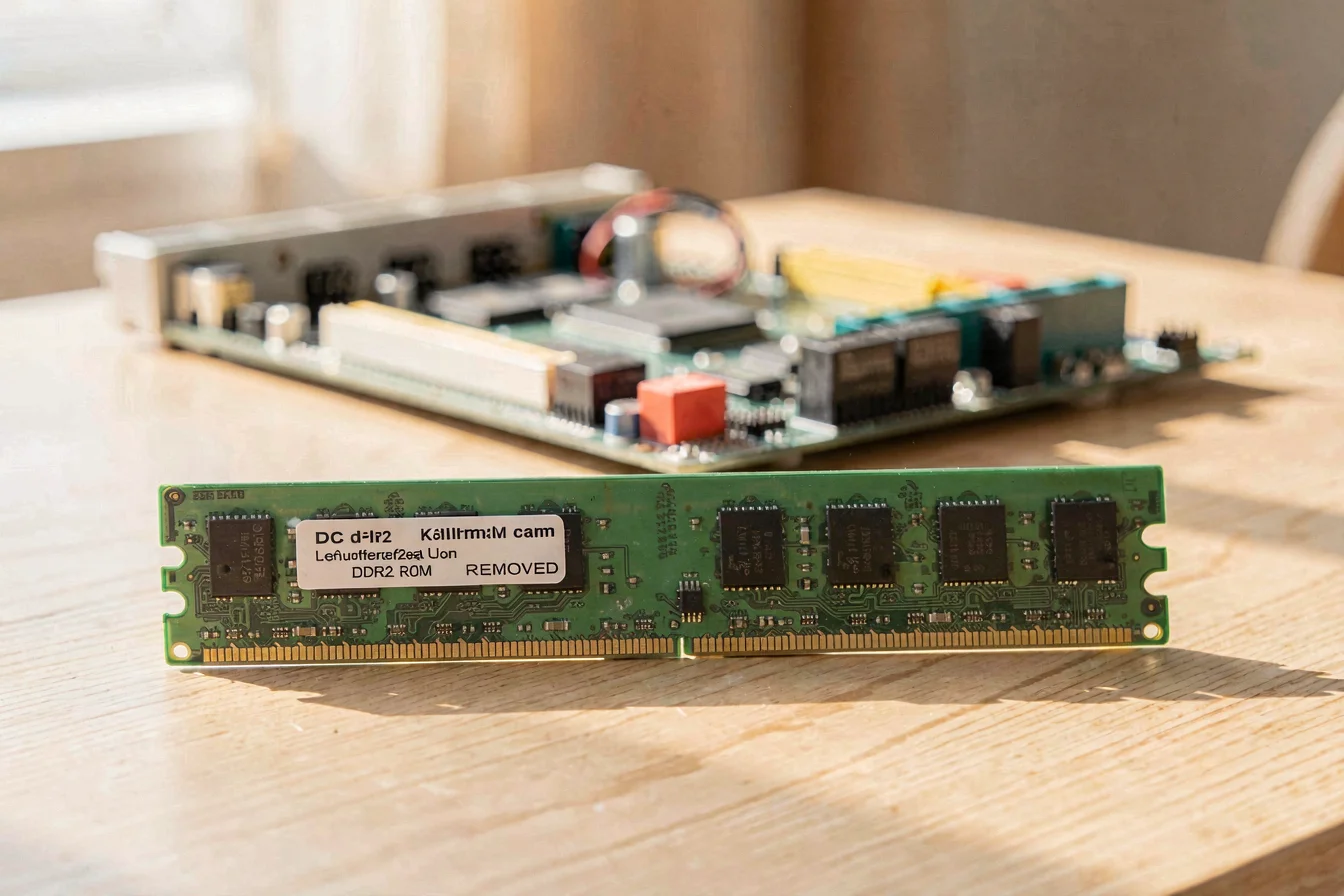
The core value of DDR2 RAM procurement is enabling budget upgrades, supporting legacy systems, and facilitating reuse in environments where cost and compatibility matter most. In today’s competitive landscape, demand for used DDR2 RAM 2GB and used DDR2 RAM 4GB persists in niche markets, including educational institutions, home users, and retro computing communities. Both options are obsolete for mainstream applications, but they remain relevant for specific use cases and legacy hardware.
Market trend data validates the relevance of DDR2 RAM combos, with steady search interest and periodic spikes, especially in late 2025 and early 2026. B2B buyers may target 4GB for legacy system upgrades, while B2C buyers often opt for 2GB due to price and availability.
Google Trends data shows consistent search interest for DDR2 RAM combos, with notable peaks in late 2025 and early 2026, indicating continued demand for both 2GB and 4GB options. Search volatility reflects ongoing interest in legacy hardware and budget upgrades, but purchasing behavior is driven by compatibility and performance needs.
Search Interest over Time
Google Trends data shows steady demand for DDR2 RAM combos, with spikes in late 2025 and early 2026, validating ongoing niche interest for both 2GB and 4GB options.
Case studies from Reddit and TikTok reveal contrasting experiences and expectations for used DDR2 RAM 2GB and used DDR2 RAM 4GB . One buyer persona is a family member seeking to reuse old hardware for basic tasks, while another is a retro computing enthusiast attempting to upgrade legacy systems for better performance.
Case Study 1: Family Use – “I use it on my old Toshiba for Flstudio purposes only, that I use daily for hrs on end it never sleeps or turns off, upgraded to dual 4s and Fl 12 runs better on there than fl21 on my build pc. If you’re using it for anything else I’d say it’s a waste, better and cheaper out there.” (r/pcmasterrace)
Case Study 2: Retro Computing – “I have an Acer desktop dated 2006/7. Any chance? I've gotta know why. Please tell.” (r/computers) “4GB sticks of DDR2 are rare, very rare. They do exist, but the price was never cheap. You seem to be asking for a 16 module stick with each chip being 256Mbit. From what I have seen here, you would better asking tin the retro subs or old hardware subs.” (r/computers)
“Go on somewhere like Newegg and show them that no new motherboards accept RAM that old, it's all either DDR4 or DDR5.” (r/pcmasterrace)
“4gb ram should be the standard. Alot of times there's other apps running in the background that eat up ram. Example vpn apps, custom kodi launchers, and sometimes you have multiple apps running in the background without noticing like netflix might be open while your on kodi or internet browser.” (r/AndroidTV)
| Dimension | Used DDR2 RAM 2GB | Used DDR2 RAM 4GB |
|---|---|---|
| Overall Satisfaction | Low for modern tasks, moderate for legacy | High for legacy upgrades, moderate for budget |
| Most Praised Feature | Low cost, availability | Improved performance, multitasking |
| Most Common Complaint | Limited multitasking, obsolescence | High price, compatibility issues |
| Community Recommendation Rate | Low for modern use, moderate for legacy | Moderate for legacy upgrades, low for budget |
Viral content themes include debates over obsolescence, compatibility, and the value of upgrading legacy systems. Cultural reception is mixed: 2GB is seen as “good enough” for very basic tasks, but 4GB is strongly recommended for anything beyond minimal use. Common debate points include the cost of upgrading versus buying new hardware, the risk of compatibility issues, and the practical value of DDR2 RAM in today’s market.
Social media sentiment shows clear preference for 4GB in legacy upgrades, but buyers should weigh compatibility and future-proofing against price and availability.
Buyers should begin by identifying their core needs through a checklist:
Tiered recommendations:
| Tier | Recommended Product | Key Reason |
|---|---|---|
| Budget-Friendly | Used DDR2 RAM 2GB | Low cost, wide availability, basic tasks |
| Mid-Range | Used DDR2 RAM 4GB | Improved performance, better multitasking |
| Premium | DDR3/DDR4/DDR5 RAM | Future-proofing, compatibility with new hardware |
Optimization tips:
Tiered recommendations and optimization tips help buyers make informed decisions based on their specific needs, budget, and priorities.
Synthesizing insights from all sections, the strategic roadmap for used DDR2 RAM 2GB
and
Buyers should confidently choose 4GB for value and longevity, but always verify compatibility and workload requirements before purchasing.
Share your experiences with DDR2 RAM upgrades in online communities to help others navigate the legacy hardware landscape. Commercial buyers should leverage Alibaba.com for wholesale sourcing, optimizing procurement by prioritizing compatibility, performance, and future-proofing.