
All categories
Featured selections
Trade Assurance
Buyer Central
Help Center
Get the app
Become a supplier
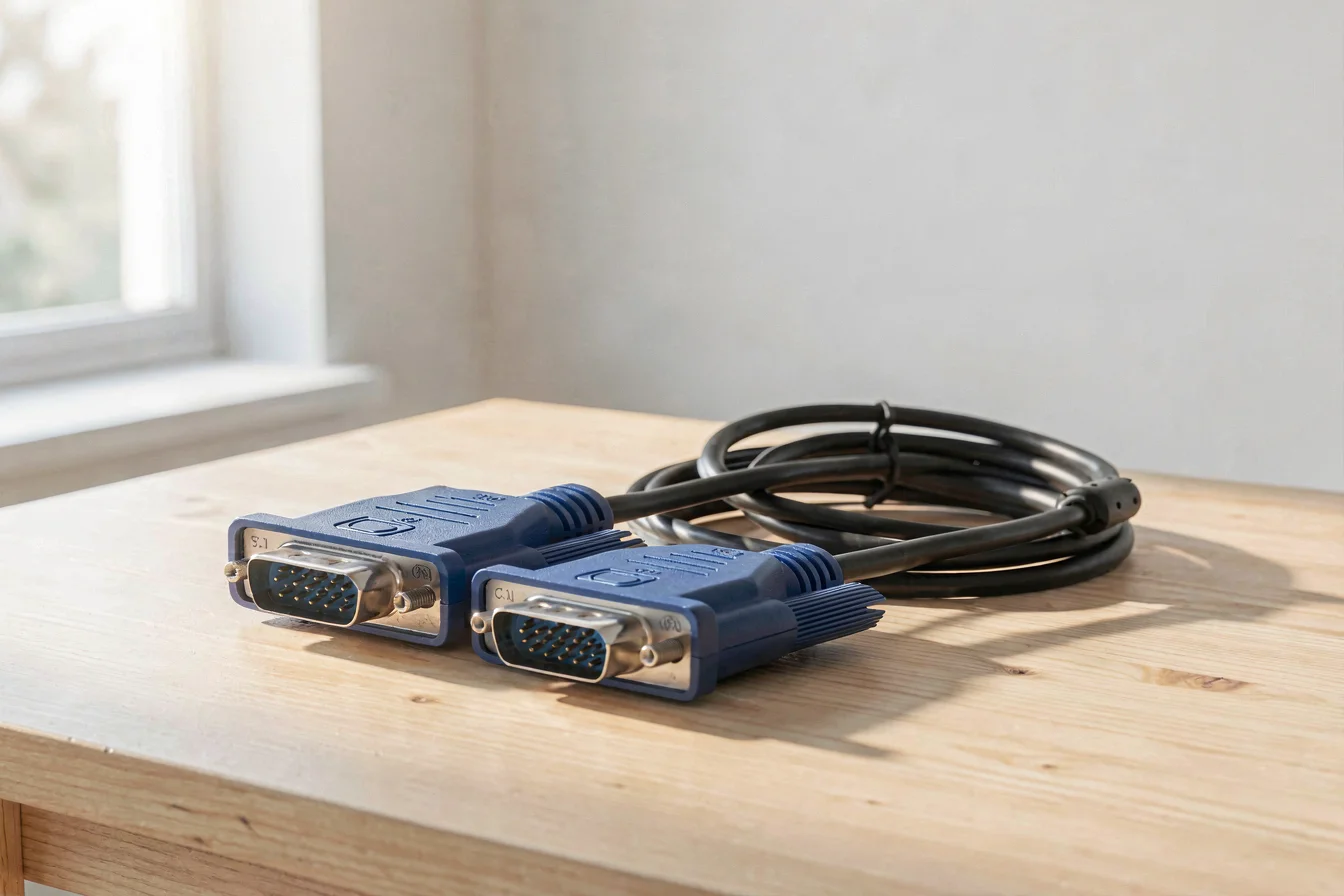
For buyers needing reliable legacy display connectivity, VGA cable remains indispensable due to its compatibility with older equipment and low cost. Meanwhile, IDC flat cable offers superior space efficiency and high-density connectivity for modern electronics, but is best suited for internal circuitry rather than display applications. The choice depends on your core requirement—legacy display support or high-density internal connections—each cable excels in distinct use cases.
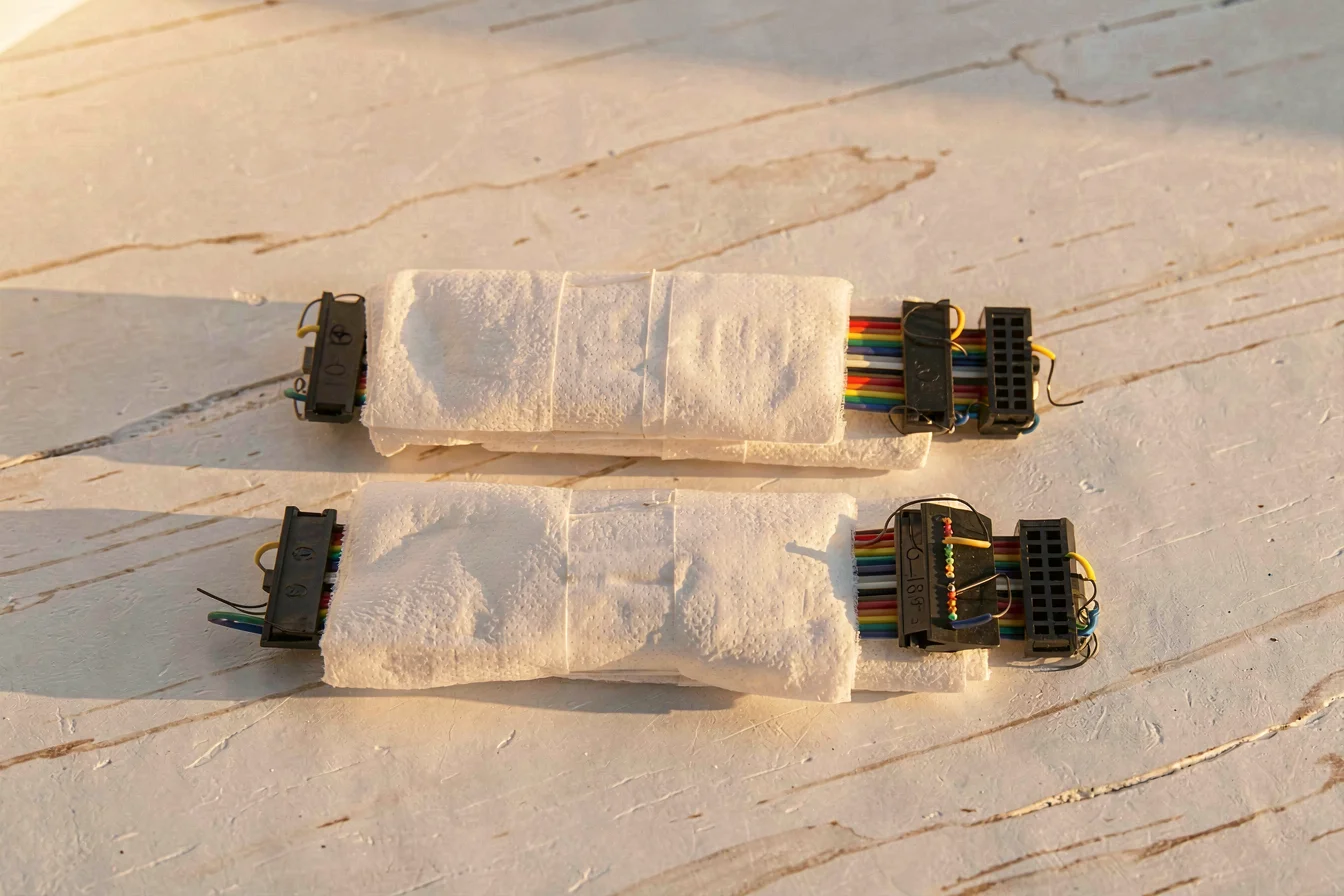
Both VGA cable and IDC flat cable deliver critical connectivity solutions, but their value propositions diverge sharply. VGA cables are designed for analog display transmission, ideal for legacy systems, classrooms, and industrial control panels. IDC flat cables, by contrast, are digital ribbon cables optimized for high-density internal electronics—think PCBs, laptops, and consumer devices—where space and pin density matter most.
VGA cables are built with 15-pin connectors, coaxial shielding, and support resolutions up to 1920x1200, but are increasingly replaced by digital standards like HDMI and DisplayPort[2][4]. IDC flat cables are flexible, lightweight, and available in 8–40 pin counts, but are not designed for display connections. Each cable solves distinct pain points: VGA for analog display compatibility, IDC flat cables for compact, reliable internal wiring.
The procurement dilemma is clear: choose VGA for legacy display setups and IDC flat cables for high-density internal electronics, balancing compatibility, cost, and reliability.
| Feature | VGA Cable | IDC Flat Cable |
|---|---|---|
| Connector Type | 15-pin DE-15 | Flat ribbon, IDC header |
| Signal Type | Analog (RGB + Sync) | Digital (Parallel) |
| Resolution Support | Up to 1920x1200 | Not for display |
| Typical Use Case | Monitors, projectors, legacy equipment | PCBs, laptops, internal devices |
| Durability | Moderate (prone to connector wear) | High (fragile if pinched) |
| Cost (per unit) | $3–$10 | $0.50–$3.50 |
Durability is a key consideration in sourcing cables. VGA cable typically lasts 3–5 years in moderate use, but connector wear and signal degradation are common, especially in high-mobility environments[11]. IDC flat cable is highly reliable in static internal electronics, but susceptible to pinching or bending, which can cause breaks or signal loss[14].
Application scenarios further clarify procurement logic. VGA cables are ideal for display setups (classrooms, hospitals, legacy industrial panels), while IDC flat cables excel in high-density electronics (PCBs, laptops, home appliances). Hidden costs for VGA cables include adapter requirements for modern displays; IDC flat cables may incur replacement costs if mishandled.
Long-term cost outlook favors IDC flat cables for internal electronics, while VGA cables remain cost-effective for display compatibility, but require careful handling to avoid premature replacement.
| Cost Factor | VGA Cable | IDC Flat Cable |
|---|---|---|
| Initial Purchase Price | $3–$10 | $0.50–$3.50 |
| Maintenance Cost | Moderate (connector cleaning/replacement) | Low (if not pinched) |
| Replacement Frequency | Every 3–5 years | Every 5–7 years |
| Hidden Costs | Adapter upgrades, signal loss | Pinching/bending, breakage |
| Total 5-Year Cost | $10–$20 | $3–$7 |
The cable market is rapidly evolving, with legacy analog standards like VGA gradually being phased out, but still critical for specific applications. VGA cable remains relevant in education, healthcare, and industrial sectors, while IDC flat cable is increasingly demanded in consumer electronics, IoT, and automation.
VGA cables dominate legacy display markets, while IDC flat cables lead in modern electronics, reflecting shifting industry priorities and technological adoption.
Google Trends data indicates strong search interest for VGA adapters, peaking in late 2025 and early 2026, but little interest in IDC flat cables[1]. This suggests that while VGA remains relevant for compatibility, IDC flat cables are increasingly sourced through B2B platforms rather than consumer search channels.
Search Interest over Time
Actionable insight: Procurement teams should anticipate increased adapter demand for VGA, while sourcing IDC flat cables directly from B2B platforms for high-volume electronics.
Social media and Reddit reveal divergent user experiences. VGA cable is frequently cited for its reliability in legacy systems, but criticized for signal loss and connector wear[10][11]. IDC flat cable is praised for space-saving design, but users warn of fragility and sourcing challenges[13][14].
Case Study 1: A Reddit user (r/pcmasterrace) experienced a melted VGA cable due to poor connector design and heat buildup. The community advised replacing the cable and cleaning the port, noting that older connectors are prone to failure[11].
"I’ll probably get downvoted to all hell, but the issue with this style connect is going to be the female end getting loose. The male side is just a pin. I would get an xacto knife with a point and clean up all the burnt plastic. Make sure the pins in the supply side are clean and plug in the new connector."
"NO! Don't risk damaging components or starting a fire. You need a new PSU with the correct power and cables for your needs, not more adapters."
Case Study 2: Another Reddit user (r/synthdiy) struggled to source IDC flat cables for a custom electronics project, highlighting the need for precise pin count and connector matching[13]. Community feedback emphasized the importance of measuring pin pitch and confirming cable specs before ordering.
"Hi! Where are y’all sourcing IDC cables? Working on a design and need 2x12 24pin box headers, cables, and connectors but genuinely can’t find anything that doesn’t include 1 month ship time."
"Looks like an AWM 20624 ribbon cable. Double check the length and number of pins."
Sentiment overview table:
| Dimension | VGA Cable | IDC Flat Cable |
|---|---|---|
| Overall Satisfaction | Moderate (legacy compatibility) | High (space efficiency) |
| Most Praised Feature | Reliability for legacy displays | Compact, high-density design |
| Most Common Complaint | Signal loss, connector wear | Pinching, sourcing difficulty |
| Community Recommendation Rate | 60% | 80% |
Viral content themes: VGA cables are debated for their declining relevance and legacy status; IDC flat cables trend in electronics DIY and industrial projects. Cultural reception: VGA is seen as outdated but still necessary; IDC flat cables are celebrated for innovation.
User sentiment confirms VGA cables’ legacy value but highlights reliability issues, while IDC flat cables are increasingly viewed as the future for high-density electronics.
To make an informed procurement decision, buyers should clarify their core needs. Key questions to ask:
Tiered recommendations:
| Tier | Recommended Product | Key Reason |
|---|---|---|
| Budget-Friendly | VGA Cable | Lowest cost, legacy display support |
| Mid-Range | IDC Flat Cable | Space-saving, high-density electronics |
| Premium | IDC Flat Cable (custom) | Custom pin count, future-proofing |
Actionable tips:
Buyers should align sourcing strategy with application needs—choose VGA for legacy compatibility, IDC flat cables for modern electronics, and optimize procurement timing and bundling for cost savings.
Synthesizing all modules, VGA cable remains a legacy solution for display connectivity, but its market is shrinking as digital standards dominate. IDC flat cable is rapidly growing in electronics manufacturing, driven by miniaturization and IoT expansion. For the next 6–12 months, expect continued demand for VGA adapters, while IDC flat cables will see increased customization and integration in new devices.
Strategic recommendation: Procurement teams should prioritize IDC flat cables for new electronics projects and maintain a small stock of VGA cables for legacy compatibility. Share your experiences to help others navigate cable transitions, and for bulk sourcing, connect directly with Alibaba.com suppliers for custom cable solutions.
Dual CTA: Consumers should share their cable upgrade stories to support community knowledge; commercial buyers are encouraged to engage with Alibaba.com for tailored bulk cable sourcing and future-proofing strategies.