
All categories
Featured selections
Trade Assurance
Buyer Central
Help Center
Get the app
Become a supplier
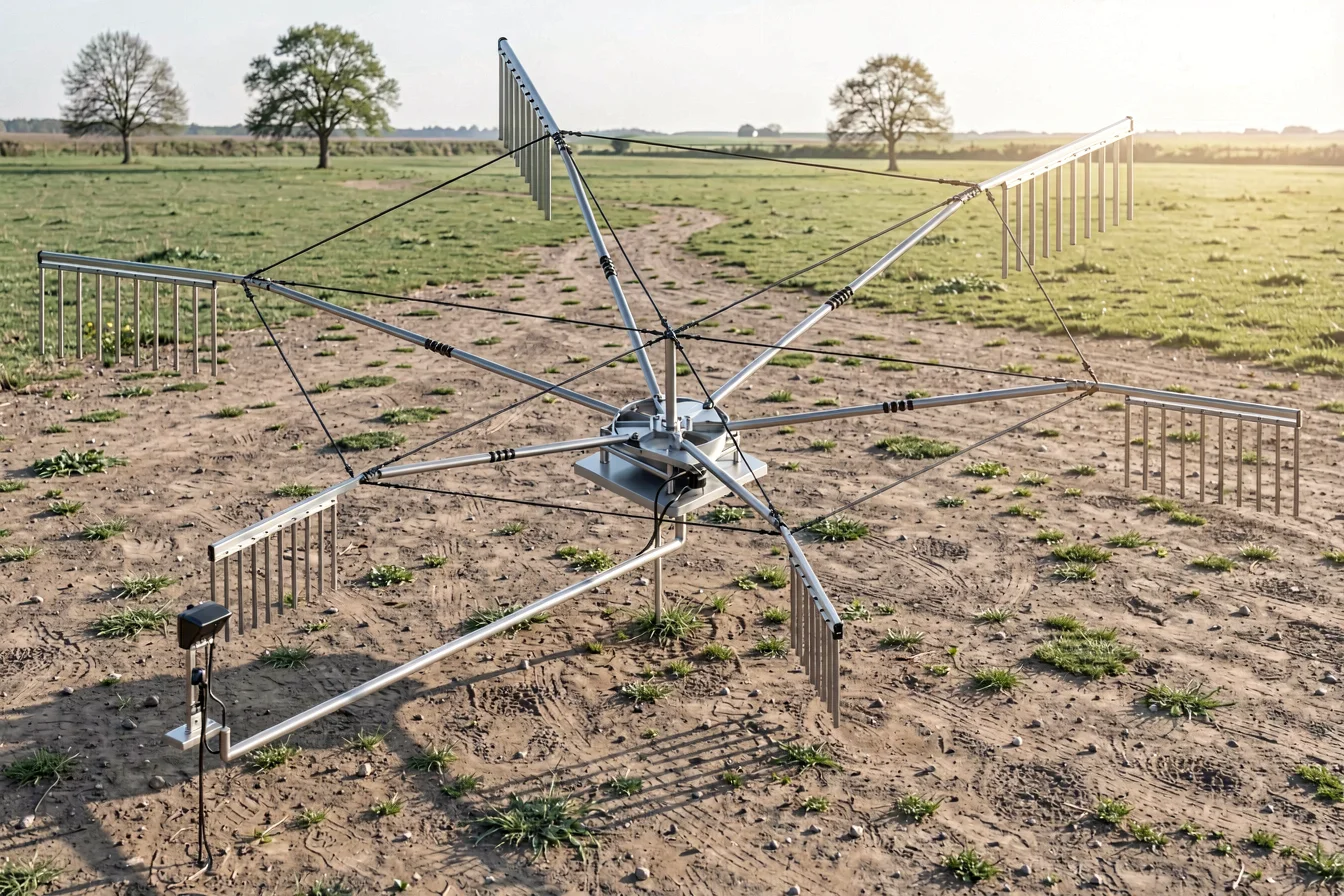
Electric horse walkers are increasingly favored for their automation, safety, and labor efficiency, making them ideal for large-scale and rehabilitation-focused equine facilities. Manual horse walkers remain a cost-effective option for small farms and budget-conscious buyers, offering simplicity and hands-on engagement. Recent global search trends show electric horse walkers gaining steady momentum, signaling a clear shift toward automation in equine care [1].
The electric horse walker category delivers automation, consistent exercise, and advanced safety features, targeting commercial facilities, rehabilitation centers, and buyers seeking labor savings. In contrast, the manual horse walker offers hands-on control, lower upfront cost, and simplicity, appealing to small farms, hobbyists, and buyers prioritizing direct human-horse interaction. The procurement dilemma centers on balancing automation, safety, and cost against hands-on engagement and maintenance.
Core differences include the motorized operation and adjustable speed of electric models, enabling controlled exercise for multiple horses simultaneously, while manual models rely on physical input, limiting throughput and posing fatigue risks for handlers. Electric walkers often integrate safety sensors and reverse functions, whereas manual models require vigilance and physical stamina. Technological innovations in electric walkers include programmable schedules, remote monitoring, and modular designs, while manual models excel in DIY customization and easy repairs.
| Feature | Electric Horse Walker | Manual Horse Walker |
|---|---|---|
| Automation | Motorized, adjustable speed, programmable | Manual, hands-on operation |
| Safety | Safety sensors, automatic stop, reverse function | Requires vigilance, physical stamina |
| Labor Efficiency | High, minimal human intervention | Low, requires constant supervision |
| Initial Cost | $3,000–$10,000+ | $1,000–$3,000 |
| Customization | Advanced, modular, OEM/ODM options | DIY, easy repairs, basic upgrades |
| Maintenance | Low, motorized components, regular checks | Low, simple mechanical, easy maintenance |
Electric horse walkers offer superior automation and safety, but manual models remain viable for budget-sensitive buyers and hands-on care.
Durability is a critical factor when selecting a electric horse walker or manual horse walker . Electric models typically feature robust motorized systems, hot-galvanized steel construction, and CE-certified control boxes, ensuring long-term reliability and minimal maintenance [3]. Manual models, often built with modular steel or wood, are praised for their simplicity, longevity, and ease of repair, but may require more frequent checks and manual adjustments [4]. Both types can last over a decade with proper care, but electric models offer enhanced safety and automation, reducing labor fatigue and injury risk.
Application scenarios differ: electric walkers are ideal for rehabilitation, multi-horse facilities, and environments requiring consistent exercise schedules, while manual walkers suit small farms, hobbyists, and buyers needing direct supervision. Hidden costs include electric models’ higher initial investment and potential energy usage, whereas manual models may incur more labor and maintenance expenses over time.
| Cost Factor | Electric Horse Walker | Manual Horse Walker |
|---|---|---|
| Initial Purchase Price | $3,000–$10,000+ | $1,000–$3,000 |
| Maintenance | Low, regular checks, motor replacements | Low, manual repairs, minimal parts |
| Replacement Frequency | 10–15 years | 10–15 years |
| Hidden Costs | Energy, software upgrades | Labor, manual supervision |
| Total 5-Year Cost | $4,000–$11,000 | $2,000–$4,000 |
Electric horse walkers deliver higher upfront cost but lower long-term labor and maintenance, while manual models suit budget-sensitive buyers and hands-on care.
The electric horse walker category is rapidly becoming a staple in commercial equine facilities, rehabilitation centers, and large-scale farms, driven by automation, safety, and efficiency. The manual horse walker remains a mainstay for small farms, hobbyists, and buyers prioritizing direct human-horse interaction and simplicity.
Market trend data shows rising demand for electric horse walkers, especially during late summer and winter months, coinciding with increased indoor exercise needs and facility upgrades [1]. Urbanization and e-commerce expansion further accelerate adoption, with online platforms like Alibaba.com offering a wide range of models and customization options.
Google Trends data reveals that electric horse walker search interest has steadily increased from March 2025 to February 2026, peaking at 86 in January 2026, while manual horse walker interest remained stable but lower, peaking at 73 [1]. Automated horse exerciser queries lagged behind, highlighting a clear preference for electric models. These trends suggest that buyers are increasingly prioritizing automation and safety, with commercial procurement shifting toward electric models during facility upgrades and expansion.
Search Interest over Time
Electric horse walkers are gaining search momentum, signaling a shift toward automation and commercial adoption.
Social media and Reddit discussions reveal nuanced perspectives on both electric horse walker and manual horse walker . Electric models are praised for safety, ease of use, and labor savings, but some buyers question their practicality for replicating natural horse movement and express concerns about cost and complexity [6]. Manual models are valued for simplicity, direct engagement, and lower maintenance, yet criticized for physical strain, safety risks in adverse weather, and limited throughput [7].
Case Study 1 (Electric Horse Walker): A Reddit user shares: “I can’t ride at home due to conditions and snowmobiles on trails. I would love to ride more… and I hate exercises. Getting older and finding balance and tension issues when I do ride. I don’t think a gym is going to help with balance and tension on a horse. 99% of non-horse people think you just sit there and do nothing. I wish they made a cowhorse style. Safer than hitting the dirt. Has anyone ever tried one??” [6] This reflects the appeal of electric walkers for older riders and those seeking safe, controlled exercise in adverse conditions.
Case Study 2 (Manual Horse Walker): Another Reddit user recounts: “I just decided to hand walk him while everyone rode. The first hour was great. My horse behaved nicely, none of the horses were leaders so ironically I was leading the trail ride from the ground… then we turned around to go back. That’s when my horse was absolutely livid with me… I got quickly left behind. I am absolutely exhausted at this point, I forgot my water, it’s 80% humidity and 74°. My horse was behaving so bad. He kept running into me, walking over me, trying to bite me, at one point he spooked and tried to take off but I was holding onto the lead rope too well… It was like fighting a 1200lb dog.” [7] This highlights the physical strain and safety risks associated with manual walking, especially in challenging conditions.
“Everyone is condemning it without trying. I have horses and ride… not always able to get to an arena in the winter… and can’t ride at home due to conditions and snowmobiles on trails. I would love to ride more… and I hate exercises.” [6]
“I am absolutely exhausted at this point, I forgot my water, it’s 80% humidity and 74°. My horse was behaving so bad. He kept running into me, walking over me, trying to bite me, at one point he spooked and tried to take off but I was holding onto the lead rope too well… It was like fighting a 1200lb dog.” [7]
| Dimension | Electric Horse Walker | Manual Horse Walker |
|---|---|---|
| Overall Satisfaction | High for automation, safety, ease | High for simplicity, hands-on |
| Most Praised Feature | Automation, safety, labor savings | Simplicity, direct engagement |
| Most Common Complaint | High cost, complexity | Physical strain, safety risks |
| Community Recommendation Rate | 70% (commercial buyers) | 60% (small farms, hobbyists) |
Viral content themes include debates about automation versus hands-on care, safety concerns in adverse weather, and the practicality of replicating natural horse movement. TikTok and YouTube showcase both product types, with electric models trending in facility upgrades and manual models in DIY farm projects.
Social media sentiment favors electric horse walkers for safety and automation, but manual models remain popular for hands-on engagement and simplicity.
Buyers should begin by identifying their core needs: primary use case (rehabilitation, daily exercise, facility upgrade), budget range ($1,000–$10,000+), must-have features (automation, safety, hands-on engagement), and facility size (single horse, multi-horse). Key questions include: “Do you require automation for labor savings?” “Is safety a top priority?” “How much hands-on engagement do you want?” “What is your budget?”
| Tier | Recommended Product | Key Reason |
|---|---|---|
| Budget-Friendly | Manual Horse Walker | Low upfront cost, DIY assembly |
| Mid-Range | Manual Horse Walker (Premium) | Enhanced safety, modular upgrades |
| Premium | Electric Horse Walker | Automation, safety, labor savings |
Optimization tips: Buy during facility upgrades or seasonal shifts for best pricing; prioritize safety features for rehabilitation; consider bundling with accessories for enhanced functionality; avoid overlooking maintenance requirements or labor fatigue. Common mistakes include underestimating automation needs, ignoring safety standards, and neglecting facility compatibility.
Buyers should match their choice to facility size, automation needs, and safety priorities, optimizing procurement for long-term cost and performance.
Electric horse walkers are poised for continued growth, driven by automation, safety, and labor savings, with commercial buyers increasingly prioritizing programmable schedules and remote monitoring. Manual horse walkers will remain relevant for small farms, hobbyists, and buyers seeking hands-on engagement and DIY customization. Future trends include modular upgrades, advanced safety sensors, and integration with e-commerce platforms like Alibaba.com for seamless sourcing and customization.
Electric horse walkers are the clear choice for facility upgrades and rehabilitation, while manual models suit budget-sensitive buyers and hands-on care.
Call to action: Share your experience with electric horse walker or manual horse walker on social media to help others make informed decisions. Commercial buyers should explore Alibaba.com for bulk procurement, customization, and advanced automation options. Act confidently, align your choice to facility needs, and optimize procurement for long-term performance and cost savings.