
All categories
Featured selections
Trade Assurance
Buyer Central
Help Center
Get the app
Become a supplier
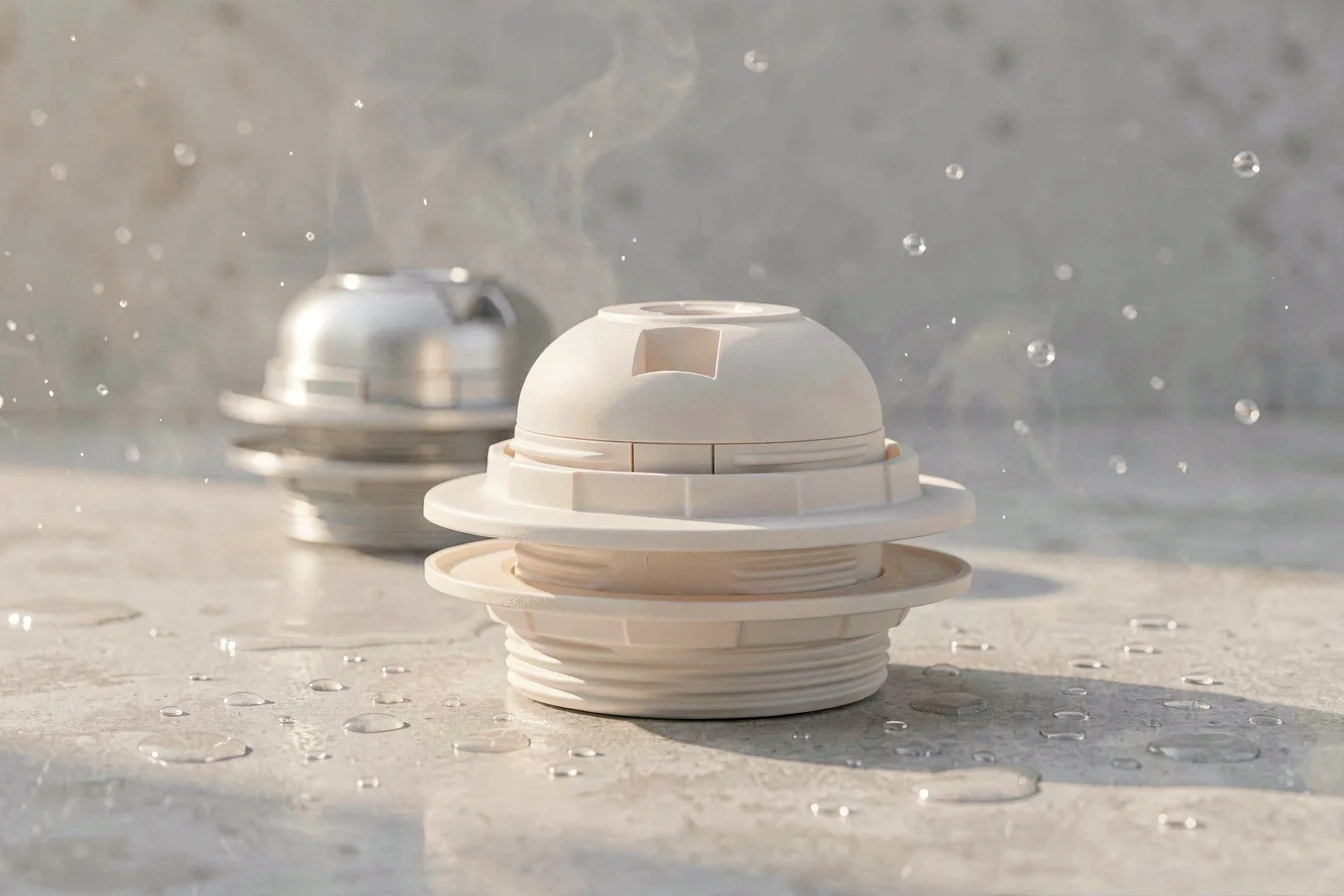
Metal waterproof bulb holders lead in durability and reliability, especially for outdoor, industrial, or high-heat scenarios, while plastic waterproof bulb holders are optimal for cost-sensitive, indoor, and low-maintenance installations. Buyers must weigh longevity versus upfront cost: search data and online communities show increasing preference for metal holders when long-term performance is essential. For most residential buyers or frequent replacement cycles, plastic holders deliver fast, affordable solutions.
This product category primarily serves facilities managers, electrical contractors, and DIY renovators needing safe, weatherproof connections for lighting installations. Plastic waterproof bulb holder types target cost-conscious, indoor, and moderate-use buyers—delivering lightweight, corrosion-proof, electrically insulated solutions. By contrast, metal waterproof bulb holder variants appeal to industrial, outdoor, and high-stress environments demanding resilience to heat, impact, and vandalism. Both solve the core challenge of moisture and dust ingress, but diverge sharply in long-term reliability, user safety, and installation complexity.
Traditional pain points—such as broken plastic clips, failed seals, corrosion, or overheating—drive innovation in waterproof bulb holder designs. Metal holders integrate grounded fittings and IP66/IP67 weatherproof gaskets, greatly reducing replacement frequency. Plastic holders, typically ABS or polycarbonate, are easier to mount, but susceptible to UV, heat, and physical damage. Emerging trends include flame-retardant coatings and modular connection systems for rapid swap-outs.
| Feature | Plastic Waterproof Bulb Holder | Metal Waterproof Bulb Holder |
|---|---|---|
| Material | ABS/polycarbonate (non-conductive) | Steel/brass/aluminum (conductive, must be grounded) |
| Weight | 60–120g, very light | 150–350g, heavy-duty |
| Durability | 3–8 years, prone to cracking/warping | 10–25 years, rust-resistant if treated, highly impact-resistant |
| Electrical Safety | Fully insulated, no grounding required | Must be grounded, shields against EM interference |
| Weather Resistance | IP65–IP67 (degrades under UV/very high heat) | IP66–IP67 (excellent in extreme weather, stable under UV/heat) |
| Typical Price (Unit) | $0.6–$2 USD | $2.5–$8 USD |
Metal waterproof bulb holders are the strategic choice for environments requiring maximum longevity and resistance, while plastic holders deliver best value for frequent light installations or quick retrofit jobs.
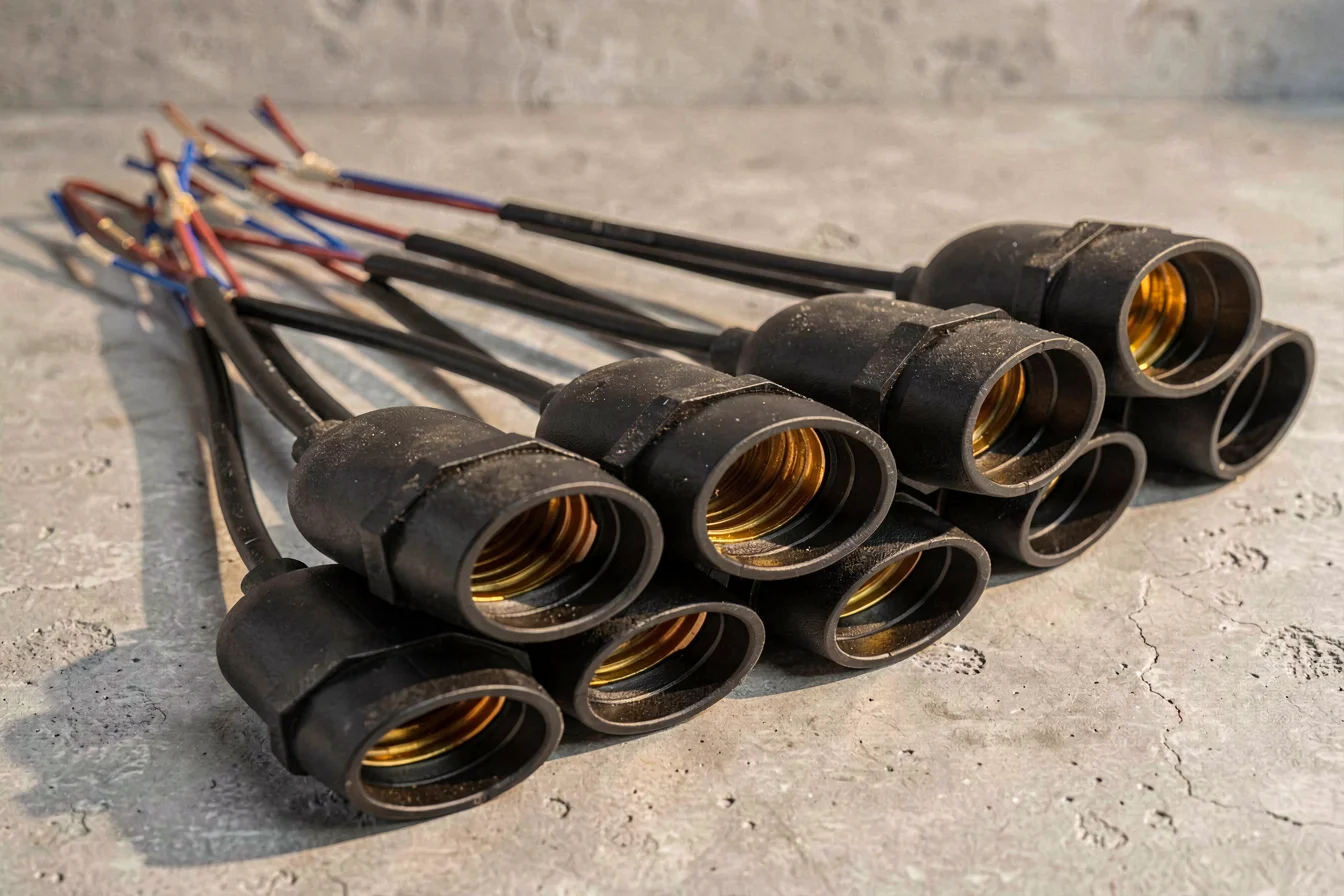
Durability is a critical consideration for electrical safety and total cost of ownership. Plastic waterproof bulb holder units, made from ABS or polycarbonate, are lightweight and corrosion-free, but can warp or degrade under high temperature and UV exposure. For installations in kitchens, bathrooms, or protected indoor environments, plastic is both sufficient and cost-efficient. But plastic often fails under heavy bulbs (e.g., grow lamps or high-wattage LEDs), requiring frequent replacements—many Reddit users report breakdowns after 3–5 years [13][14].
Metal waterproof bulb holder units, manufactured from steel, brass, or aluminum, are engineered for outdoor, industrial, and high-heat use. They excel in garages, warehouses, and outdoor fixtures exposed to rain, snow, or direct sunlight. Metal housing handles impact, vibration, and large bulb weights without cracking. Professional buyers investing in facility upgrades or durable infrastructure report lifespans between 10 and 25 years, with minimal maintenance beyond rust prevention (when using stainless steel or treated brass). Installation is more complex—requires grounding—but yields lower replacement risk and increased safety [4][5][7].
Long-term cost must account for initial purchase price, installation, recurring maintenance, and replacement cycles. Plastic holders are less expensive upfront—ideal for large-scale retrofits and short-term projects, but ongoing replacement burdens drive up total expense in heavy-use scenarios. Metal holders, though pricier, amortize over time due to reduced downtime and fewer failures.
| Cost Factor | Plastic Waterproof Bulb Holder | Metal Waterproof Bulb Holder |
|---|---|---|
| Initial Purchase ($) | $0.6–$2 | $2.5–$8 |
| Installation Cost ($) | Low (easy DIY) | Medium (requires grounding) |
| Maintenance ($) | Minimal, but frequent replacement | Minimal, rare replacement |
| Expected Lifespan (years) | 3–8 (indoor) | 10–25 (outdoor/high-impact) |
| Total 5-Year Outlay ($) | $6–$14 (including replacements) | $2.5–$8 (single installation) |
Selecting metal holders is more cost-competitive for long-term and outdoor installations, while plastic holders minimize upfront expense, ideal for quick fixes and low-traffic zones.
As demand for resilient lighting grows in mixed-use developments and industrial expansions, the core value of waterproof bulb holders is minimizing hazards, downtime, and installation complexity. Market trends show spikes in interest and purchases during renovation seasons (Spring/Fall), outdoor upgrade periods, and facility compliance cycles. Metal waterproof holders dominate industrial, hospitality, and infrastructure projects—construction managers and commercial buyers increasingly select metal to ensure compliance and reduce liability [1]. Plastic waterproof bulb holders maintain strong market share in residential and small business setups, particularly in rental units and quick retrofits.
Google Trends data shows steady rise in searches for metal waterproof bulb holders versus plastic waterproof bulb holders, with spikes during major renovation months. Notably, “waterproof light socket” ranks highest and acts as a gateway search—suggesting buyers may be less brand- or material-loyal and more focused on functional attributes.
Search Interest over Time
Metal waterproof bulb holders are trending upward in search and purchase intent as buyers grow more risk-averse and prioritize long-term asset value, while plastic holders maintain steady interest for cost-driven, quick-install projects.
Trend chart and insights sourced from [1].
Reddit, TikTok, and DIY forums reflect the pain points most buyers face: plastic waterproof bulb holder is frequently mentioned in DIY or home repair posts, often relating to broken clips or fixtures. Community advice is nearly unanimous—replacement is quick, but repeated failures are common. For metal waterproof bulb holder , sentiments trend positive, focusing on durability, "premium look," and fewer issues under heavy bulbs and high heat. Real-world cases further highlight how buyer expectations and installation environments shape product satisfaction.
Case Study 1: Plastic Holder – DIY Apartment Lighting Upgrade (r/ukelectricians, r/whatisthisthing)
A renter breaks a plastic waterproof bulb holder clip during a routine bulb change and posts for advice. Community consensus: "Just buy a replacement at B&Q or Screwfix—cheap and easy." Most suggest calling an electrician only if uncomfortable with wiring. The fixture is replaced the same day. Buyer admits, "This happens often, but it's not expensive, so I keep a few spares." However, cautions reappear: "Plastic sockets warp when using high-wattage bulbs; best to keep wattage low and avoid heavy bulbs." [13][12]
"Plastic fittings break all the time—get a replacement, it's a quick fix." — r/ukelectricians [13]
"Plastic bulb holders need frequent swapping for bigger bulbs, especially if they get hot." — r/houseplants [14]
Case Study 2: Metal Holder – Outdoor Industrial Facility Renovation (r/Whatisthis, r/fixit)
A plant manager oversees lighting upgrades in a warehouse exposed to moisture and vibration. Metal waterproof bulb holders are spec'd for new high-output LED fixtures. Reddit comments highlight: "Metal socket is way sturdier—even when hit or exposed." Installers note higher complexity due to grounding, but boss is pleased: "No failures in five years. Looks and feels solid. Won't crack or bend." Community recommends metal for any space with heat, humidity, or physical impact concerns.[10][18]
"Metal holders handle heavy bulbs, heat, and vibration—a must outdoors." — r/fixit [18]
"Metal bulb holders last forever with high-watt LEDs, but be sure to ground them." — r/Whatisthis [10]
| Dimension | Plastic Waterproof Bulb Holder | Metal Waterproof Bulb Holder |
|---|---|---|
| Overall Satisfaction | Mixed, quick install but frequent breakage | Very High, robust and trusted |
| Most Praised Feature | Ease of DIY replacement | Long-term durability and premium look |
| Most Common Complaint | Prone to cracking, heat damage | Grounding complexity, higher upfront cost |
| Community Recommendation Rate | Medium (budget-dependent) | High (industrial/outdoor) |
Viral themes and recurring debate points center on two ideas: "plastic for quick fixes, metal for peace of mind." DIYers share viral TikTok tips for swapping out plastic holders, but facility managers and electricians increasingly prefer metal holders for any installation facing heat, wet, or high-traffic. Metal holders are celebrated for their longevity, while plastic holders are defended by renters and short-term project managers looking for quick, affordable upgrades.
Key considerations for sourcing include application environment, expected lifespan, safety requirements, and budget. Buyers must ask:
Tiered recommendations help match the holder to each buyer segment:
| Tier | Recommended Product | Key Reason |
|---|---|---|
| Budget-Friendly | Plastic Waterproof Bulb Holder | Low installation cost, rapid replacement, ideal for residential/light commercial |
| Mid-Range | Metal Waterproof Bulb Holder | Lasts longer, handles mid-range bulb wattage, suitable for indoor/outdoor |
| Premium/Industrial | Metal Waterproof Bulb Holder (brass/stainless) | Maximum durability, safety, and compliance; ideal for facilities, high-volume, outdoor use |
Optimization tips:
Sourcing success depends on matching holder type to real-world use—prioritize metal for investment longevity, plastic for rapid, repeat installations.
As electrical safety standards and weatherproofing requirements tighten, buyer preference for metal waterproof bulb holders is forecast to rise, fueled by shifts in commercial and industrial development. In the next 6–12 months, procurement strategy should emphasize audit of installation environments and lifecycle planning—building a tiered approach that leverages plastic holders for rapid, budget installs and metal holders for legacy asset protection.
Both holder types are evolving: expect improved plastics with flame-retardant, UV-stable coatings, and next-generation metal holders with anti-rust technologies. Buyer education is critical—platforms like Alibaba.com provide comprehensive supplier vetting, bulk deal access, and custom OEM/ODM solutions for both variants. Buyers should document experiential feedback (DIY vs. pro install), share best practices in online communities, and evaluate suppliers for quality certifications.
Make your sourcing decision with confidence: choose metal waterproof bulb holders for high-heat, outdoor, and facility-driven projects, and plastic waterproof bulb holders for rapid, budget installations—wholesale buyers should request sample lots, prioritize certified suppliers, and engage in feedback sharing to build market-leading procurement intelligence. Share your install stories in online forums and reach out to Alibaba.com to secure bulk deals and tailored sourcing support.