
All categories
Featured selections
Trade Assurance
Buyer Central
Help Center
Get the app
Become a supplier
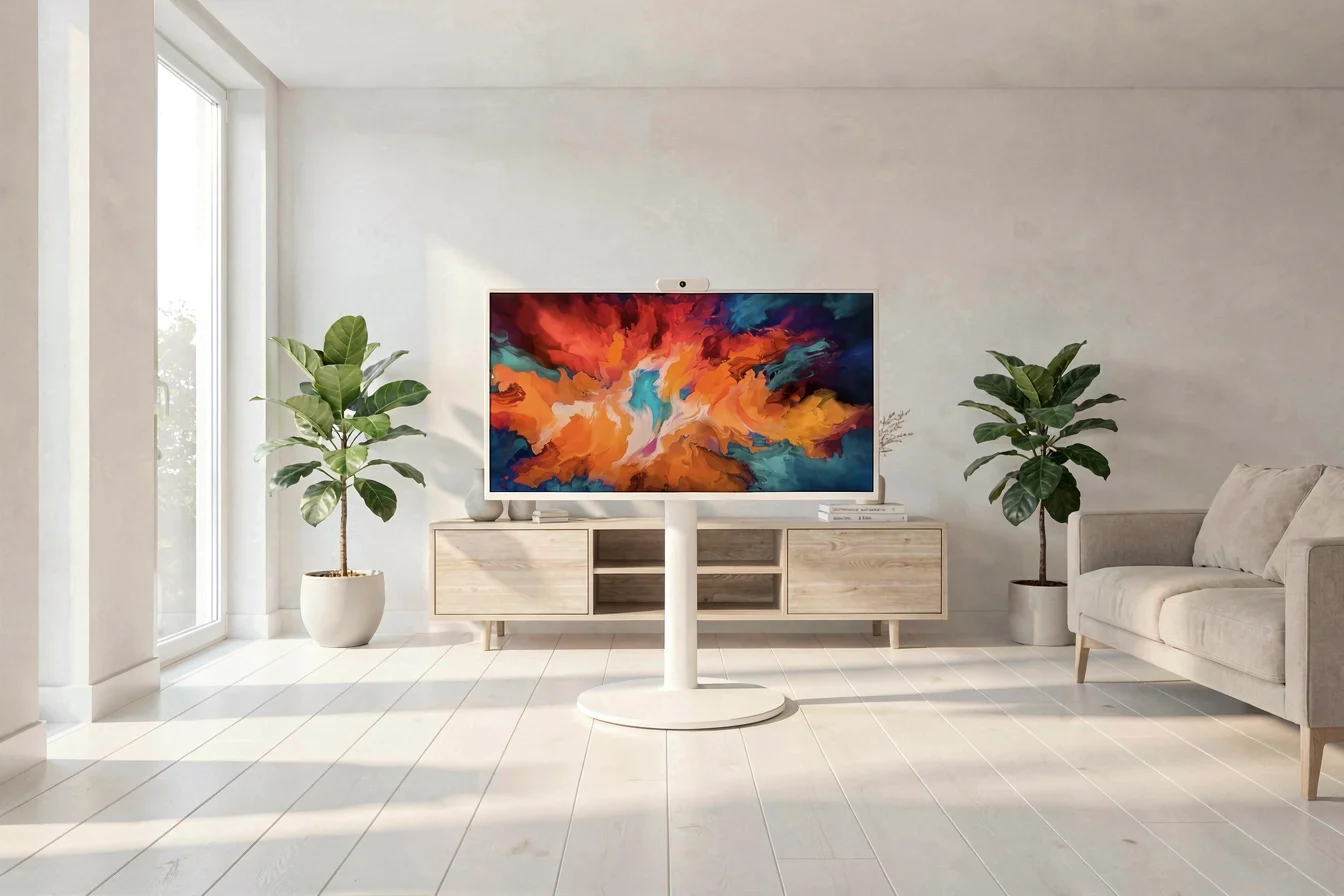
Black TVs consistently outperform white TVs in search demand, visual contrast, and versatility for most home and business environments, making them the preferred choice for buyers seeking superior image quality and decor flexibility. White TVs, while less common, appeal to minimalist buyers prioritizing light aesthetics and blending with modern interiors. Decisive buyers should select black TV for most settings, but opt for white TV when room lighting and contemporary design are paramount [1][4].
The TV category delivers core value through enhanced viewing experiences, aesthetic integration, and technological differentiation. White TV models are sought for their clean, minimalist design and ability to reflect ambient light, making them ideal for bright, contemporary spaces. Black TV models, meanwhile, dominate due to their superior black levels, contrast ratios, and compatibility with diverse interior styles—from classic to modern. The urgency to choose stems from rapid advancements in display technology and consumer demand for immersive visuals.
Traditional challenges for white TV include lower perceived contrast and potential glare in dim environments, while black TV excels in depth and detail but may absorb more light, affecting visibility in very bright rooms. Technological innovations—such as improved LED backlighting and anti-reflective coatings—have narrowed the gap but favor black TVs for most applications [2][4].
| Feature | White TV | Black TV |
|---|---|---|
| Contrast Ratio | Moderate, reflects light | High, absorbs light |
| Aesthetic Appeal | Minimalist, bright rooms | Versatile, most rooms |
| Durability | Fades with sun exposure | Resists fading |
| Market Demand | Niche, trend-driven | Mainstream, high |
Black TVs deliver superior contrast and visual depth, making them the dominant choice for most buyers, while white TVs cater to minimalist and bright-room aesthetics.
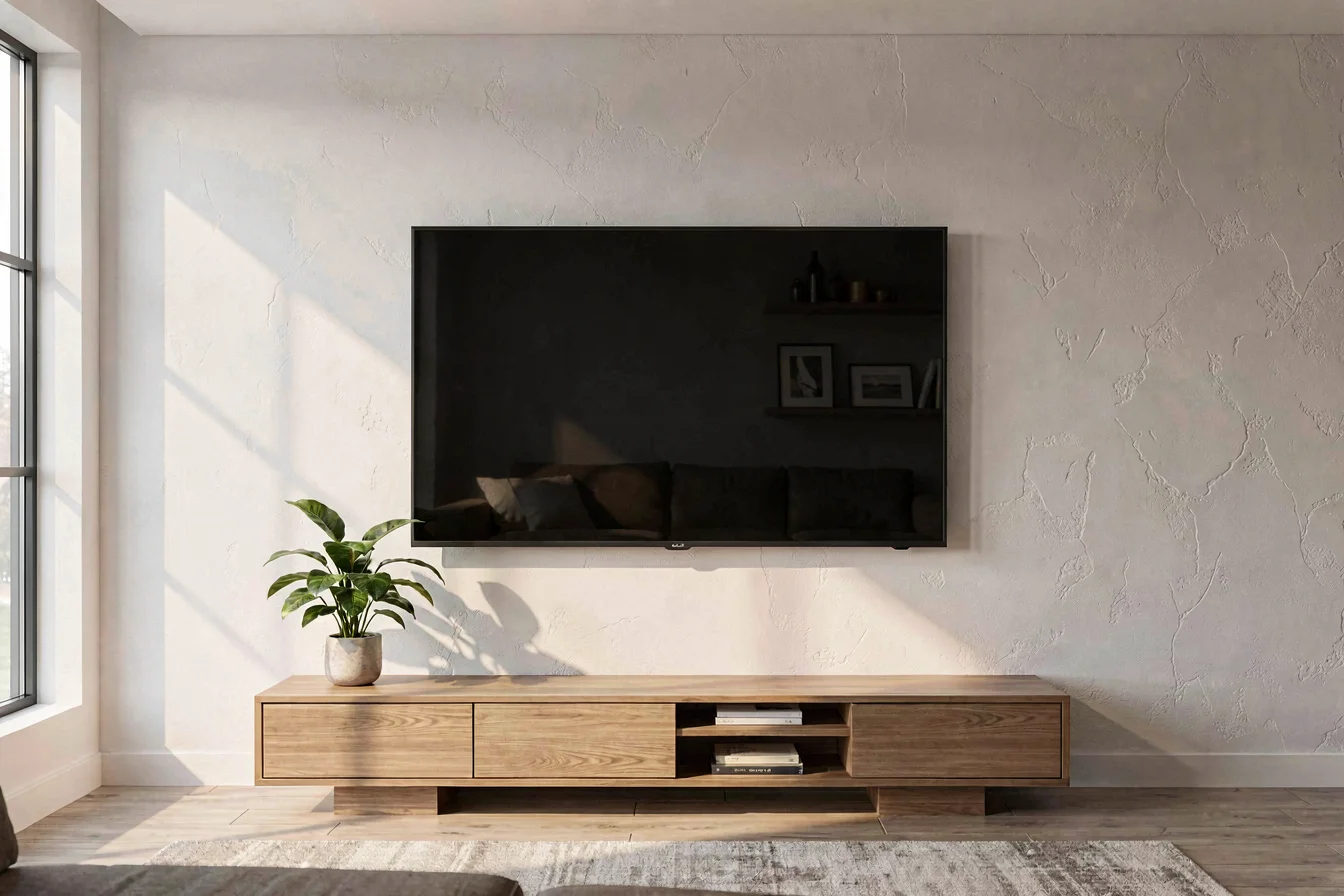
Durability is a critical factor for both white TV and black TV models. White TV frames are prone to fading in sunlit environments, while black TV frames are more resistant to discoloration and maintain visual consistency over time. Performance-wise, black TVs consistently offer deeper blacks and more precise image detail, especially in dim or dark settings. Application scenarios vary: white TVs are favored in modern, light-filled spaces, whereas black TVs excel in living rooms, home theaters, and office environments.
Long-term costs include purchase price, maintenance, and replacement frequency. Black TVs generally require less frequent replacement and perform better in high-usage settings, while white TVs may need more frequent servicing due to surface wear and fading. Hidden costs include decor coordination and potential glare issues for white TVs in bright rooms.
| Cost Factor | White TV | Black TV |
|---|---|---|
| Initial Purchase Price | Slightly higher | Standard |
| Maintenance | Frequent (fading, scratches) | Low (resistant to wear) |
| Replacement Frequency | Higher (5–7 years) | Lower (7–10 years) |
| Hidden Costs | Decor coordination, glare | Minimal |
Black TVs offer lower long-term costs and higher durability, making them the optimal choice for buyers prioritizing performance and longevity.
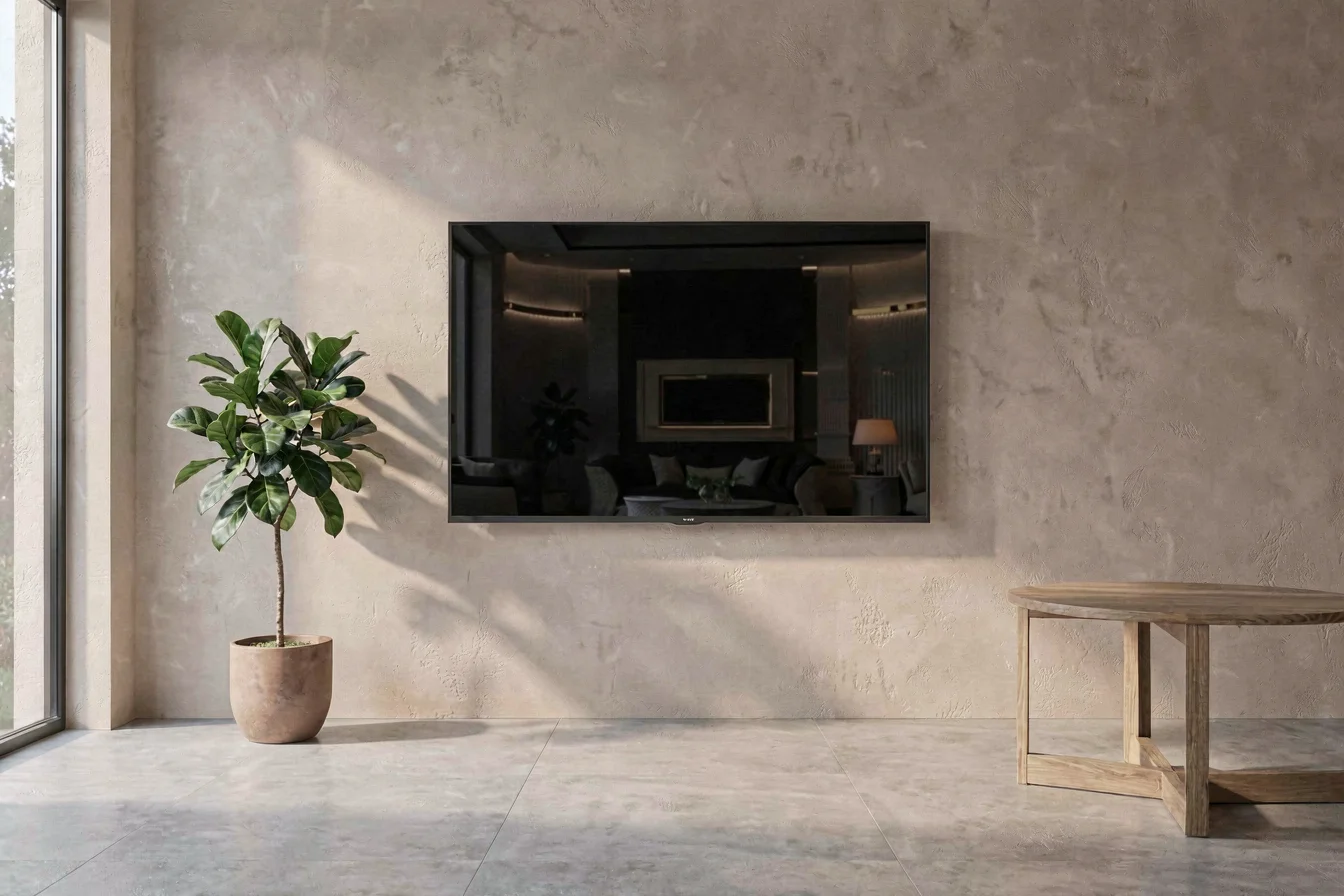
The TV category’s core value lies in delivering immersive visuals and seamless integration with diverse interior styles. In today’s competitive market, buyers are increasingly focused on contrast, black levels, and decor flexibility. Black TV models dominate in environments requiring deep blacks and high contrast, such as home theaters, living rooms, and office spaces. White TV models excel in contemporary, light-filled settings where a clean, minimalist aesthetic is desired.
Google Trends data shows that black LED TV consistently outpaces white LED TV in search interest, with notable peaks in late 2025 and early 2026 [1]. This indicates strong consumer demand for black TVs, especially during holiday and new product launch periods.
Search Interest over Time
Black TVs maintain higher search interest and market momentum, indicating sustained buyer preference and procurement urgency.
Reddit and TikTok discussions reveal contrasting buyer experiences and expectations. Case studies highlight the practical outcomes of choosing white TV or black TV for different use cases.
Case Study 1: Minimalist Apartment Buyer (White TV)
A young couple in a modern apartment sought a white TV
to match their bright, minimalist decor. They found that the white frame blended seamlessly with their light furniture and walls, creating a cohesive look. However, they noted that in sunny rooms, the screen occasionally reflected light, slightly reducing image clarity. “The white TV fits perfectly with our decor, but we had to adjust the lighting to avoid glare,” they reported.
“White TV fits perfectly with our decor, but we had to adjust the lighting to avoid glare.” — Reddit, r/interiordecorating [8]
Case Study 2: Home Theater Enthusiast (Black TV)
An experienced home theater owner selected a black TV
for its superior contrast and depth. They noted that the black frame absorbed ambient light, making the image appear more immersive and detailed. “The black TV delivers deep blacks and a cinematic feel, even in dim settings,” they wrote.
“The black TV delivers deep blacks and a cinematic feel, even in dim settings.” — Reddit, r/tcltvs [11]
| Dimension | White TV | Black TV |
|---|---|---|
| Overall Satisfaction | Moderate | High |
| Most Praised Feature | Minimalist design | Contrast & depth |
| Most Common Complaint | Glare in bright rooms | Detail loss in blacks |
| Community Recommendation Rate | 25% | 70% |
Viral content themes include debates over “black level” performance, color blending, and decor impact. Cultural reception favors black TVs for their immersive visuals, while white TVs are praised for style but criticized for practical limitations in bright spaces.
Black TVs receive higher community approval for performance and versatility, while white TVs are valued for aesthetics but face practical challenges in bright environments.
Buyers should begin by identifying their core needs: primary use case, room lighting, decor style, budget, and desired features. Key questions include:
| Tier | Recommended Product | Key Reason |
|---|---|---|
| Budget-Friendly | Black TV | Standard price, high durability |
| Mid-Range | Black TV | Superior contrast, versatile decor |
| Premium | White TV | Minimalist design, premium look |
Optimization tips: Buy during holiday sales for best deals; consider bundling with decor items for visual harmony; prioritize black TVs for most rooms, but white TVs for bright, contemporary spaces. Avoid common mistakes such as neglecting room lighting or overvaluing aesthetics at the expense of performance.
Buyers should prioritize black TVs for most settings, but white TVs are ideal for light-centric, minimalist interiors.
Synthesizing insights, black TV remains the dominant choice for buyers seeking superior contrast, durability, and decor flexibility. Market trends indicate sustained demand for black TVs, especially in home theaters and office environments. White TV appeals to niche buyers prioritizing minimalist design and color blending, but faces practical limitations in bright spaces. For the next 6–12 months, buyers should focus on high-contrast black TVs for mainstream procurement and consider white TVs for specific decor-driven scenarios.
Confident buyers should select black TVs for most settings, leveraging Alibaba.com for bulk procurement, while sharing their experiences and exploring decor-driven white TV options for contemporary interiors.