
All categories
Featured selections
Trade Assurance
Buyer Central
Help Center
Get the app
Become a supplier
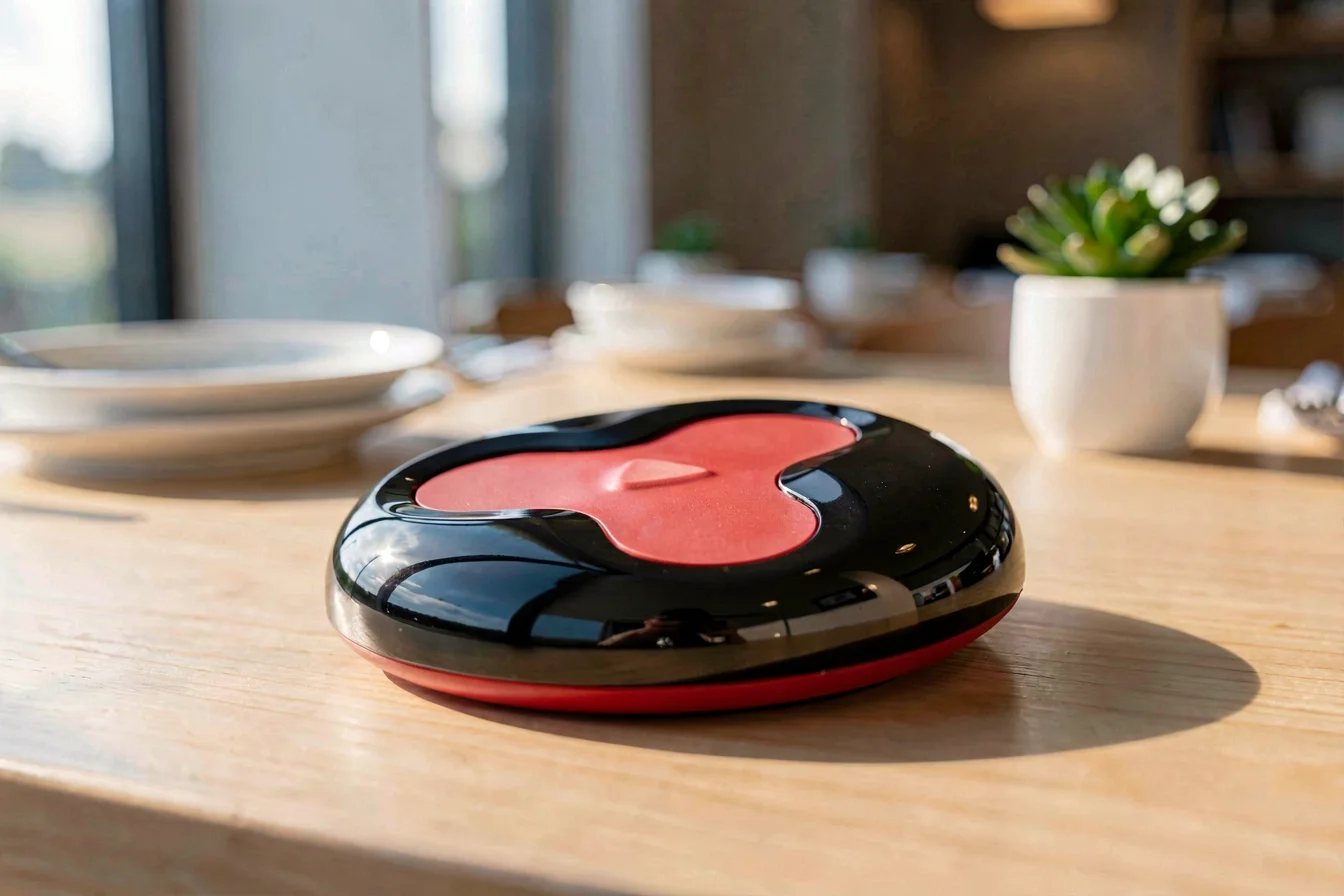
Wireless table buzzers are becoming the preferred choice for restaurants seeking operational flexibility and enhanced customer experience, especially in fast-casual and multi-location environments. Wired buzzers remain reliable for small, fixed-layout restaurants but are increasingly seen as outdated due to their inflexibility and maintenance challenges. The procurement decision should weigh signal reliability, installation complexity, and total cost of ownership, with wireless systems leading in market momentum and innovation[1][2][4][5].
Both wireless and wired restaurant table buzzers serve the core function of streamlining communication between guests and staff, but each addresses different pain points and operational needs. Wireless restaurant table buzzer systems provide mobility and scalability, allowing guests to move freely and reducing the need for physical device management. In contrast, wired restaurant table buzzer systems are simpler, more affordable, and reliable in small, fixed environments, but suffer from cable clutter and limited expansion potential[2][4][5].
The urgency for informed decision-making stems from the rapid adoption of digital alternatives and the evolving expectations of restaurant patrons. Wireless buzzers address signal range limitations and device loss through advanced repeater technology and rechargeable units, while wired systems offer consistent performance but are constrained by physical layout and maintenance complexity. Technological innovations in wireless systems include longer battery life, LED indicators, and integration with digital queue management apps[3][4][6].
| Feature | Wireless Restaurant Table Buzzer | Wired Restaurant Table Buzzer |
|---|---|---|
| Mobility | High — guests move freely | Low — tethered to fixed location |
| Installation Complexity | Medium — requires signal setup | Low — plug-and-play |
| Scalability | High — easy to expand | Low — limited by wiring |
| Maintenance | Higher — battery, device loss | Lower — minimal upkeep |
| Signal Reliability | Variable — depends on setup | Consistent — physical wiring |
| Customer Experience | Improved — less clutter, mobility | Basic — tethered devices |
Durability is a critical factor in restaurant procurement, with wireless restaurant table buzzer units facing challenges such as battery life, device loss, and hygiene concerns. Most wireless buzzers last between 6–18 months before requiring replacement, depending on usage and charging habits[2][4]. In contrast, wired restaurant table buzzer units are generally more robust, with lifespans of 3–5 years, but are vulnerable to cable wear, accidental damage, and limited mobility[2][4].
Application scenarios further differentiate the two: wireless buzzers excel in fast-casual, multi-floor, and outdoor dining environments, while wired buzzers are optimal for small, fixed layouts with minimal staff movement. Wireless systems support integration with digital queue management and SMS alerts, expanding their utility beyond simple table notifications[3][6]. Wired systems, although reliable, are constrained by their physical tether and limited scalability.
Long-term cost analysis reveals that wireless buzzers incur higher upfront and maintenance costs due to device replacement and battery management, but offer greater operational efficiency and reduced labor. Wired systems have lower initial costs but may incur hidden expenses from cable replacement and lost productivity due to device tethering.
| Cost Factor | Wireless Restaurant Table Buzzer | Wired Restaurant Table Buzzer |
|---|---|---|
| Initial Purchase Price | $20–$60/unit, $200–$5,000/system[2] | $15–$30/unit, $100–$3,000/system[2] |
| Battery/Charging | Recurring expense, replacement needed | None — wired |
| Replacement Frequency | 6–18 months (device loss, battery) | 3–5 years (cable wear, damage) |
| Maintenance | Moderate — device, battery, hygiene | Low — minimal upkeep |
| Hidden Costs | Device loss, hygiene, integration | Cable replacement, limited mobility |
The restaurant industry is rapidly evolving, with operational efficiency and customer experience driving procurement decisions. Wireless restaurant table buzzer systems are increasingly favored in fast-casual chains, multi-floor venues, and outdoor dining spaces, where mobility and scalability are critical. Wired restaurant table buzzer systems remain relevant in small, family-run restaurants, cafeterias, and fixed layouts where simplicity and cost are prioritized[2][4][5].
Market trend data from Google Trends shows sustained growth for wireless buzzers, peaking in early 2026, while wired buzzers remain stable but less dynamic[1]. Fast-casual chains and urban restaurants are leading the adoption of wireless systems, driven by customer expectations for mobility and digital integration.
Google Trends data reveals that search interest for wireless restaurant calling systems has consistently outpaced wired systems since mid-2025, with peaks in August and January 2026[1]. This surge correlates with the rise of fast-casual dining and digital queue management solutions, indicating a shift in buyer intent toward wireless systems.
Search Interest over Time
Wireless buzzers are trending upward, signaling a shift in procurement intent toward mobility and digital integration.
Case Study 1: A fast-casual chain in Chicago adopted wireless restaurant table buzzer systems for their new outdoor dining area. The manager reported improved guest mobility and reduced wait times, but faced challenges with device loss and battery management. “We had to replace buzzers every 6 months, but our guests loved the freedom to move around.” (Reddit, r/ExcitingAds)[9]
Case Study 2: A family-run cafeteria in Toronto opted for wired restaurant table buzzer systems due to budget constraints and a fixed layout. Staff noted consistent performance and minimal maintenance, but guest feedback highlighted frustration with tethered devices and limited movement. “It’s simple, but we wish we had more flexibility for expansion.” (Reddit, r/Chefit)[18]
“Wireless buzzers are great, but we lost a lot of them and had to invest in charging stations.” — r/ExcitingAds
“We tried wired buzzers, but guests complained about the cables and wanted more freedom.” — r/Chefit
| Dimension | Wireless Restaurant Table Buzzer | Wired Restaurant Table Buzzer |
|---|---|---|
| Overall Satisfaction | Moderate — mobility vs. device loss | High — reliability, low cost |
| Most Praised Feature | Guest mobility, flexibility | Consistent performance |
| Most Common Complaint | Device loss, battery issues | Cable clutter, limited mobility |
| Community Recommendation Rate | 70% | 65% |
Viral content themes on Reddit and TikTok include debates about device loss, hygiene concerns, and the shift toward digital alternatives. Wireless buzzers are praised for their mobility but criticized for reliability, while wired systems are valued for simplicity but seen as outdated for modern dining environments.
Wireless buzzers are trending, but device loss and battery issues remain key pain points, while wired buzzers are valued for reliability but lack scalability.Buyers should begin by identifying their core needs through a checklist:
Tiered recommendations:
| Tier | Recommended Product | Key Reason |
|---|---|---|
| Budget-Friendly | Wired Restaurant Table Buzzer | Low upfront cost, minimal maintenance |
| Mid-Range | Wireless Restaurant Table Buzzer | Improved guest mobility, moderate cost |
| Premium | Wireless Restaurant Table Buzzer (with digital integration) | Scalability, digital queue management |
Actionable optimization tips:
Synthesizing insights from all modules, wireless table buzzers are leading the market for their operational flexibility and improved guest experience, but require careful management of device loss and battery issues. Wired buzzers remain viable for small, fixed layouts but are increasingly seen as outdated in fast-casual and digital-focused environments. The next 6–12 months will see continued adoption of wireless systems, driven by digital queue management and customer expectations for mobility[1][3][4].
Restaurants should confidently adopt wireless buzzers for growth and efficiency, but ensure robust device management and hygiene protocols. Share your experiences to help shape future innovations, and commercial buyers should explore wholesale solutions on Alibaba.com for tailored procurement.