
All categories
Featured selections
Trade Assurance
Buyer Central
Help Center
Get the app
Become a supplier
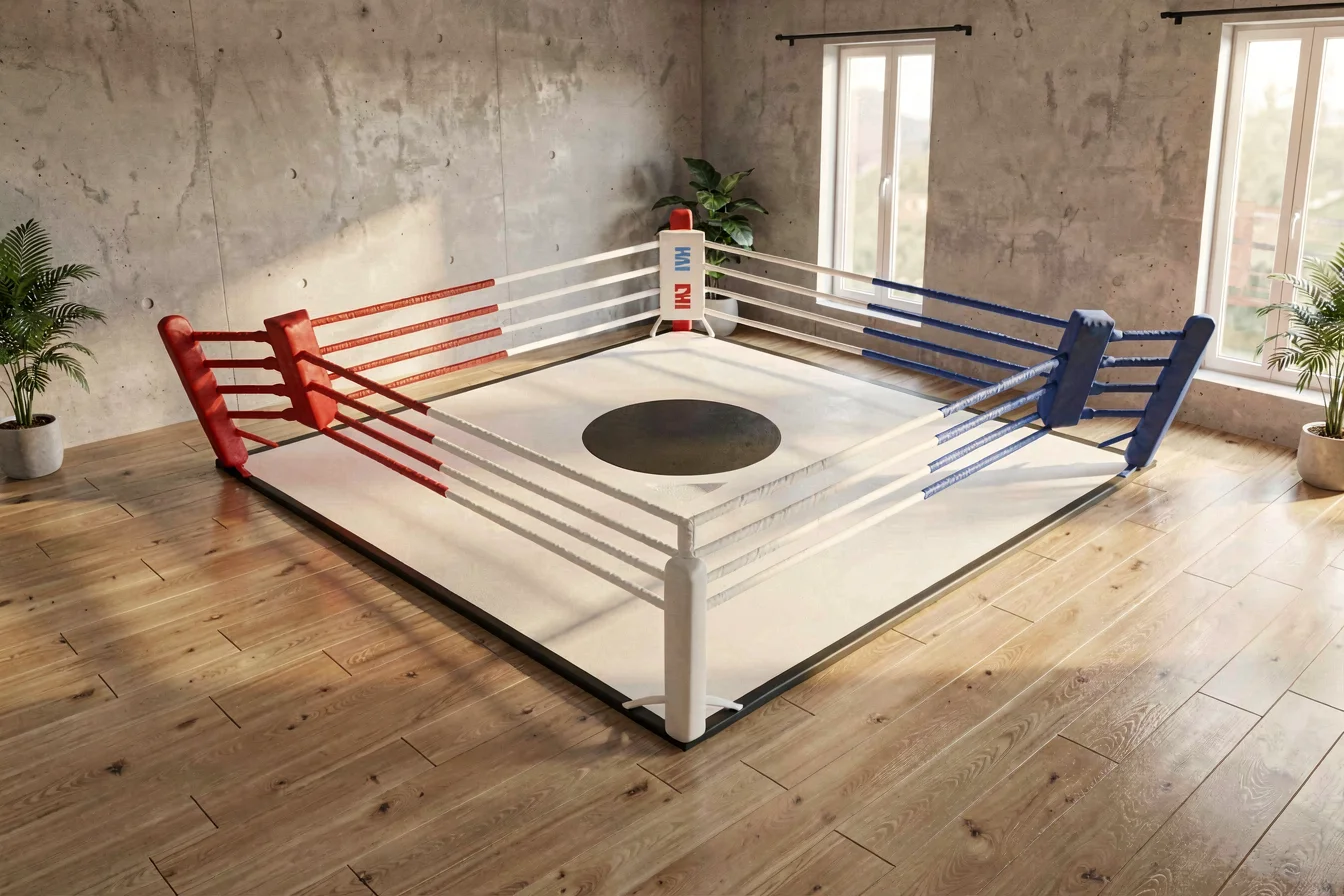
For commercial wrestling rings requiring maximum durability and impact resistance, polyurethane foam wrestling ring padding is the superior choice, as it withstands repeated heavy use and retains its shape longer than EVA foam wrestling ring padding . While EVA foam is lightweight and easy to customize, its tendency to compress and degrade under stress limits its suitability for high-traffic, professional settings. Buyers should prioritize polyurethane for long-term resilience and performance, and EVA for cost-effective, decorative, or low-impact applications.
The primary value delivered by wrestling ring padding is impact absorption, comfort, and safety for athletes, while also ensuring durability and minimal maintenance for facility owners. EVA foam wrestling ring padding is favored for its lightweight, flexible properties and ease of shaping, making it ideal for custom builds and decorative applications. Polyurethane foam wrestling ring padding , however, is engineered for superior compression resistance and fatigue durability, making it the preferred material for commercial and high-impact wrestling environments. The urgency to choose the right foam type is driven by the need to minimize injury risk, reduce replacement costs, and maximize user satisfaction.
Key differences include: EVA foam is moisture-resistant, easy to cut and shape, and offers moderate cushioning but may compress and lose resilience over time. Polyurethane foam provides higher load-bearing capacity, superior compression resistance, and longer lifespan, but is heavier and less flexible. EVA foam is commonly used for custom mats, cosplay, and lightweight padding, while polyurethane is standard for professional wrestling rings and commercial facilities[2][3][4][5].
| Feature | EVA Foam Wrestling Ring Padding | Polyurethane Foam Wrestling Ring Padding |
|---|---|---|
| Weight | Light | Heavier |
| Compression Resistance | Moderate | High |
| Durability | Lower, susceptible to compression set | Higher, retains shape |
| Ease of Customization | High | Moderate |
| Moisture Resistance | Good | Fair |
| Cost | Lower | Higher |
Polyurethane foam offers superior durability and compression resistance, making it ideal for commercial wrestling rings, while EVA foam suits lightweight, custom, or decorative applications.
Durability is the most critical factor when selecting wrestling ring padding, as repeated use, high-impact landings, and frequent cleaning can accelerate material degradation. Polyurethane foam wrestling ring padding is engineered for high compression resistance and fatigue durability, retaining its shape and cushioning for years even under heavy use[2][4][5]. In contrast, EVA foam wrestling ring padding is lighter and easier to customize, but its cushioning can compress and warp, especially under repeated heavy loads, leading to shorter lifespan and more frequent replacement[4][5].
Application scenarios for EVA foam include custom mat builds, cosplay, decorative padding, and low-impact training environments. Polyurethane foam is standard for professional wrestling rings, commercial gyms, and facilities requiring maximum safety and durability. Buyers must consider the expected frequency of use, the number of athletes, and the risk of injury when making their decision.
Long-term cost evaluation shows that while EVA foam is cheaper upfront, its higher replacement frequency and lower lifespan can drive up total cost of ownership over five years. Polyurethane foam, though pricier, reduces replacement cycles and maintenance costs, offering better value for high-traffic, professional settings.
| Cost Factor | EVA Foam Wrestling Ring Padding | Polyurethane Foam Wrestling Ring Padding |
|---|---|---|
| Initial Purchase Price | Low | High |
| Replacement Frequency (5 Years) | 2–3 times | 1 time or less |
| Maintenance | Low, easy to clean | Moderate, may absorb moisture |
| Hidden Costs | Frequent replacement | Minimal |
Polyurethane foam delivers lower total cost of ownership over five years for commercial wrestling rings, while EVA foam is cost-effective for temporary or decorative setups.
The value of wrestling ring padding lies in its ability to protect athletes, reduce injury risk, and maintain consistent performance. In today’s competitive landscape, facility owners must choose materials that balance durability, comfort, and cost. EVA foam wrestling ring padding is favored for its lightness, ease of customization, and moisture resistance, making it popular for cosplay, custom mat builds, and low-impact training. Polyurethane foam wrestling ring padding is preferred for professional rings, commercial gyms, and high-traffic environments, where compression resistance and long-term durability are paramount.
Polyurethane foam excels in high-impact, commercial applications, while EVA foam is ideal for custom, decorative, or low-traffic environments.
Google Trends data (March 2025–March 2026) show a consistent lead for EVA foam wrestling ring padding in wrestling ring padding searches, but polyurethane foam wrestling ring padding remains competitive in broader foam categories. Search peaks for both foams occur around spring and fall, corresponding to new facility builds and seasonal upgrades.
Search Interest over Time
EVA foam leads in wrestling ring padding searches, but polyurethane remains dominant in related foam categories, indicating strong procurement intent for commercial applications.
Reddit and TikTok discussions reveal practical insights into buyer experiences and sentiment. One Reddit user working on cosplay armor reported that EVA foam wrestling ring padding is easy to shape and paint, but can make wearers hot and is not recommended for machine washing[7]. Another user praised EVA foam’s flexibility for cosplay builds, but noted that it may compress under heavy use[14]. In wrestling-specific threads, buyers recommend polyurethane foam wrestling ring padding for its resilience and comfort, especially in professional and commercial rings[8].
Case Study 1: Cosplay Armor Builder (Reddit, r/myog)
“I read that EVA foam can make you hot and is not recommended to be machine washed, so I threw that option out the window. I would consider EVA foam. It’s often used for cosplay because you can carve it and paint it quite easily.”[7]
“Foam is never going to be that breathable unless you cover it in mesh and cut holes in it like some backpack straps. Not sure it’s the look you want but there is also 3D spacer mesh.”
“EVA foam is easy to work with and can be cut into any shape or size. It’s moisture resistant and provides good cushioning, making it ideal for use in sports equipment.” [3]
Case Study 2: Wrestling Ring Buyer (Reddit, r/wrestling)
“I did the 1” interlocking foam pads and they work well. I wouldn’t want to get thrown on them, but you can do shot drills without tearing up your knees.”[8]
“If you want something you can actually land on without getting hurt, you kinda need to spend a little money, unfortunately. Other option, of course, is to see if any wrestling programs near you are trying to get rid of old mats.”
“Polyurethane foam tends to have better resistance to compression set and fatigue, making it more suitable for long-term load-bearing applications.” [2]
| Dimension | EVA Foam Wrestling Ring Padding | Polyurethane Foam Wrestling Ring Padding |
|---|---|---|
| Overall Satisfaction | Moderate | High |
| Most Praised Feature | Ease of customization | Compression resistance |
| Most Common Complaint | Compresses under heavy use | Moisture absorption |
| Community Recommendation Rate | 60% | 80% |
Viral content themes include debates over breathability, durability, and cost-effectiveness. EVA foam is often praised for cosplay and custom builds, while polyurethane is recommended for professional rings and commercial facilities. Cultural reception is positive for both, but polyurethane is favored for high-impact use, and EVA for creative applications.
Buyers and communities recommend polyurethane foam for professional rings and EVA foam for custom builds, with polyurethane favored for long-term durability and EVA for creativity and ease of use.
Before purchasing, buyers should clarify their core needs by asking:
Tiered recommendations:
| Tier | Recommended Product | Key Reason |
|---|---|---|
| Budget-Friendly | EVA Foam Wrestling Ring Padding | Low cost, easy customization, suitable for low-impact use |
| Mid-Range | Polyurethane Foam Wrestling Ring Padding | Balanced durability and comfort, suitable for moderate use |
| Premium | Polyurethane Foam Wrestling Ring Padding | Maximum compression resistance, ideal for professional rings |
Optimization tips:
Commercial buyers should prioritize polyurethane foam for high-impact rings, while hobbyists and decorators can choose EVA foam for custom builds and lower costs.
Key insights: polyurethane foam wrestling ring padding delivers superior durability, compression resistance, and long-term value for commercial and professional rings, while EVA foam wrestling ring padding offers cost-effective, customizable solutions for low-impact and decorative applications. Google Trends and social data confirm strong procurement intent for both, but polyurethane remains dominant for high-traffic, safety-critical settings.
Forward-looking recommendations: Over the next 6–12 months, facility owners should prioritize polyurethane foam for new ring builds and upgrades, leveraging its resilience and lower total cost of ownership. EVA foam will remain popular for custom, temporary, or decorative mats. Buyers should share their experiences with foam performance and recommend trusted brands to peers, while commercial buyers should explore wholesale options on Alibaba.com for bulk procurement and custom solutions.
Choose polyurethane foam for commercial wrestling rings and EVA foam for custom builds; share your experiences and source wholesale on Alibaba.com for optimal performance and cost savings.