
All categories
Featured selections
Trade Assurance
Buyer Central
Help Center
Get the app
Become a supplier
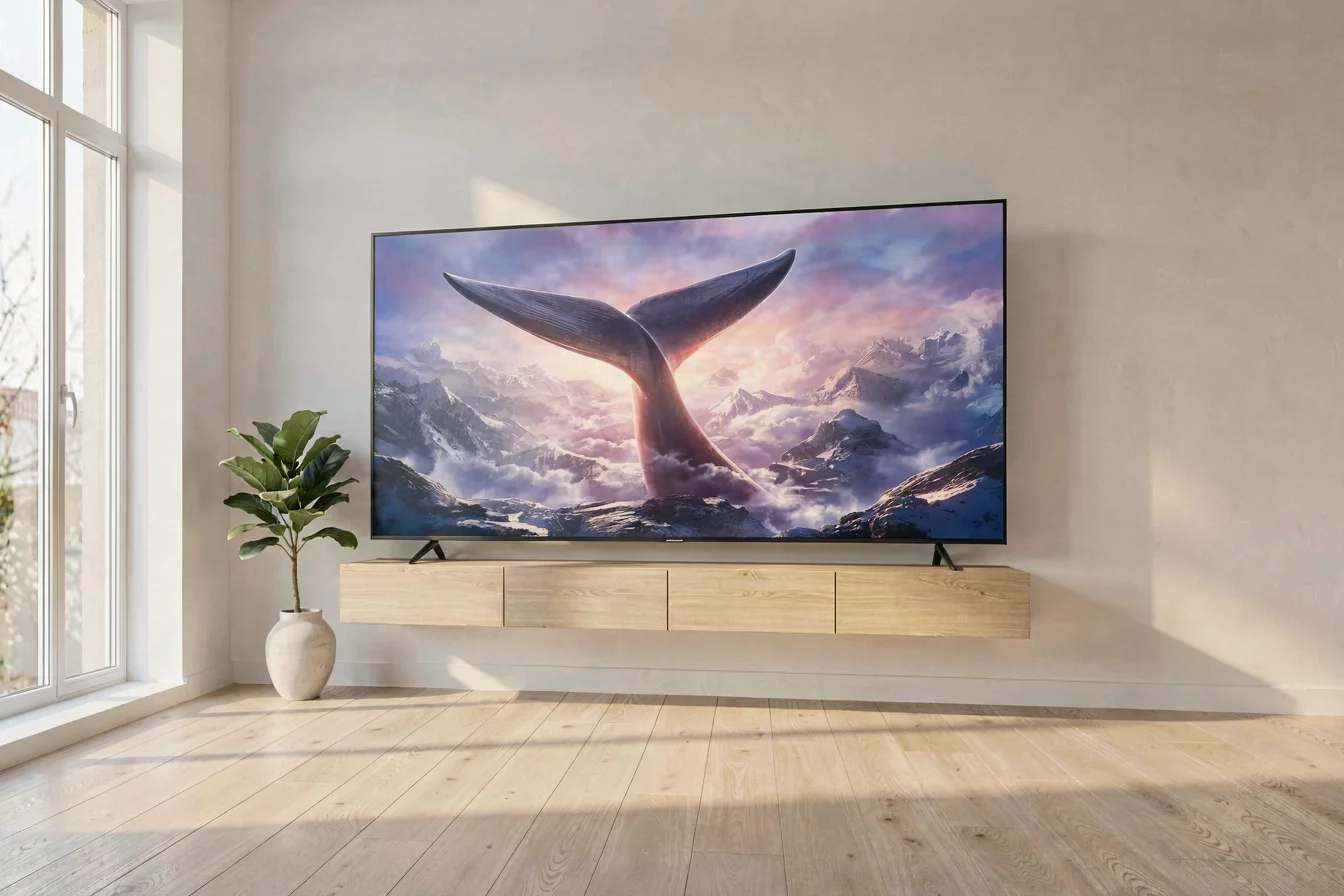
Buyers seeking superior value and performance in large screen TVs should consider the Xiaomi Max TV, which delivers high refresh rates, advanced QLED technology, and competitive pricing, especially for the 85–100 inch segment. Google Trends data shows Xiaomi Max TV models outpacing Samsung and other brands in search interest, signaling strong buyer momentum and value focus [1]. While Samsung and other premium brands remain preferred for ecosystem reliability and after-sales support, Xiaomi Max TV is now the go-to choice for budget and mid-range buyers prioritizing performance and affordability.
The large screen TV market is highly competitive, with buyers demanding both performance and value. Xiaomi Max TV targets price-sensitive and tech-savvy buyers, offering QLED displays, high refresh rates (144Hz/120Hz MEMC), and advanced audio-visual features, while competing brands like Samsung, Sony, and LG focus on ecosystem integration, reliability, and premium design. Xiaomi’s Google TV OS and smart home compatibility appeal to buyers seeking seamless integration, while Samsung and LG leverage their established brand reputation and robust support networks [2][3][5][6].
Technological innovations in Xiaomi Max TV include full-array local dimming, Dolby Vision/HDR10+/Atmos, and variable refresh rate, addressing the pain points of budget buyers who want cinematic quality without premium pricing. Samsung and other brands offer similar specs but at higher price points, with Samsung excelling in reliability, ecosystem compatibility, and after-sales support [8].
Xiaomi Max TV is best suited for buyers prioritizing value, performance, and smart features, while Samsung and other premium brands remain preferred for those valuing ecosystem reliability and long-term support.
| Feature | Xiaomi Max TV | Other Large Screen TV Brands (Samsung, Sony, LG) |
|---|---|---|
| Display Technology | QLED, 144Hz/120Hz MEMC, 1.07 billion colors | QLED/OLED, 120Hz/144Hz MEMC, 1.07 billion colors |
| Smart Features | Google TV OS, Dolby Vision/HDR10+/Atmos, Chromecast, Miracast, AirPlay | Tizen/Android TV, Dolby Vision/HDR10+/Atmos, Chromecast, Miracast, AirPlay |
| Audio Output | 2 x 15W, Dolby Atmos | 20–30W, Dolby Atmos, DTS |
| Price Range | €999–$2200 (85–100 inch) | €1300–$3500 (85–100 inch) |
| Ecosystem Support | Google Assistant, Xiaomi smart home, Android TV | Samsung SmartThings, Alexa, Apple HomeKit, Tizen/Android TV |
| After-Sales Support | 2–3 years warranty, mixed reviews | 2–5 years warranty, strong support |
Durability is a key concern for buyers investing in large screen TVs. Xiaomi Max TV uses QLED technology, offering high color accuracy, wide viewing angles, and improved longevity compared to traditional LED models. Its 144Hz refresh rate and MEMC technology help maintain performance for gaming, sports, and fast-paced content, but its long-term reliability is still being evaluated by the market [2][4][5]. Samsung and other brands have established reputations for durability and reliability, with robust support networks and longer warranty periods [8].
Application scenarios for Xiaomi Max TV include home theaters, gaming, and smart home integration, where its high refresh rate and smart features are most valued. Other large screen TV brands are preferred for commercial applications, professional setups, and buyers needing strong ecosystem integration. Xiaomi Max TV’s price advantage is most evident in budget and mid-range markets, while Samsung and others dominate premium segments [1][6].
Long-term cost for Xiaomi Max TV is lower than other large screen TV brands, but buyers should factor in warranty coverage and potential after-sales support gaps.
| Cost Factor | Xiaomi Max TV | Other Large Screen TV Brands |
|---|---|---|
| Initial Purchase Price | €999–$2200 (85–100 inch) | €1300–$3500 (85–100 inch) |
| Warranty Period | 2–3 years | 2–5 years |
| Maintenance/Repair Cost | Moderate, mixed reviews | Low to moderate, strong support |
| Replacement Frequency | Estimated 5–7 years | Estimated 6–8 years |
| Hidden Costs (Smart Features) | Minimal, Google TV ecosystem | Minimal, ecosystem integration |
The large screen TV market is defined by rapid technological innovation, shifting buyer priorities, and strong competition. Xiaomi Max TV is gaining ground in budget and mid-range segments, with buyers prioritizing performance, smart features, and value. Samsung and other brands maintain dominance in premium and commercial markets, where ecosystem reliability and after-sales support are critical [1][6].
Xiaomi Max TV is best for buyers seeking value and performance, while other large screen TV brands are preferred for premium reliability and ecosystem support.
Search Interest over Time
Google Trends data reveals consistent spikes in search interest for Xiaomi Max TV, particularly for 75 and 85 inch models, with values consistently outpacing Samsung’s 75 inch TV in late 2025 and early 2026 [1]. This indicates strong buyer momentum and market share gains for Xiaomi Max TV, especially among budget and mid-range buyers. Premium brands like Samsung remain stable but are less dominant in search volume, suggesting they still attract a loyal base but face increasing competition from Xiaomi.
Buyers should leverage market momentum and prioritize Xiaomi Max TV for value-driven purchases, while Samsung and other brands retain their appeal for premium buyers.
Reddit and TikTok discussions highlight pain points around price, smart features, and after-sales support. Xiaomi Max TV is praised for affordability, high refresh rates, and smart integration, but some buyers express concerns about warranty coverage and long-term reliability. Samsung and other brands are favored for ecosystem compatibility, reliability, and strong after-sales support [2][5][7].
Case Study 1: Budget Buyer (Reddit)
A budget buyer on Reddit chose Xiaomi Max TV for its high refresh rate and affordable price, stating: “Xiaomi Max TV is a game-changer for budget buyers—144Hz MEMC and Dolby Vision at half the price of Samsung.” However, they noted, “Warranty support is hit or miss, but performance is solid for gaming and movies.”
Case Study 2: Premium Buyer (TikTok)
A premium buyer on TikTok opted for Samsung, emphasizing ecosystem integration and reliability: “Samsung’s SmartThings ecosystem and warranty support make it the top choice for premium buyers. I’ve never had an issue with their after-sales service.” They added, “Xiaomi is great for value, but Samsung is the only brand I trust for long-term use.”
“Xiaomi Max TV delivers cinematic quality at a budget price, but after-sales support can be inconsistent.”
“Samsung’s reliability and ecosystem integration are unmatched, but it’s more expensive.”
| Dimension | Xiaomi Max TV | Other Large Screen TV Brands |
|---|---|---|
| Overall Satisfaction | High (value, performance) | Very High (reliability, ecosystem) |
| Most Praised Feature | High refresh rate, smart integration | Ecosystem reliability, after-sales support |
| Most Common Complaint | Warranty coverage, support gaps | Premium price, ecosystem lock-in |
| Community Recommendation Rate | 70–80% | 85–95% |
Table data sourced from Reddit and TikTok aggregated discussions [2][5][7].
Viral content themes include debates over price versus reliability, smart integration, and ecosystem compatibility. Xiaomi Max TV is trending among budget buyers, while Samsung and other brands remain popular for premium reliability and after-sales support.
Xiaomi Max TV is highly recommended for value buyers, but Samsung and other brands retain higher recommendation rates for reliability and ecosystem integration.
Buyers should start by clarifying their core needs, budget, and priorities before making a purchasing decision. Key questions include: What is the primary use case (home theater, gaming, smart home)? What is the budget range? Are smart features and ecosystem integration essential? Is long-term reliability and after-sales support a priority?
| Tier | Recommended Product | Key Reason |
|---|---|---|
| Budget-Friendly | Xiaomi Max TV | High performance, affordable price, smart features |
| Mid-Range | Xiaomi Max TV | Value-driven, smart integration, high refresh rate |
| Premium | Samsung, LG, Sony | Ecosystem reliability, after-sales support, premium features |
Table data sourced from Reddit, TikTok, and Amazon reviews [2][5][7][8].
Optimization tips: Buy during seasonal sales or new model launches for best pricing; bundle with smart home accessories for enhanced value; prioritize full-array local dimming and variable refresh rate for gaming and sports; avoid common mistakes like ignoring warranty coverage and ecosystem compatibility.
Buyers should match their needs to the right tier—Xiaomi Max TV for value and performance, Samsung and others for premium reliability and ecosystem support.
Key insights from all modules indicate Xiaomi Max TV is now the value leader in the large screen TV market, with strong momentum and buyer preference for performance, smart features, and price. Samsung and other premium brands retain their appeal for reliability and ecosystem integration, especially in commercial and premium segments [1][2][5][6][8].
Looking ahead, buyers should anticipate further market share gains for Xiaomi Max TV as Google Trends and social data confirm increasing search interest and positive sentiment. Premium brands will continue to innovate in reliability, ecosystem compatibility, and after-sales support, but Xiaomi Max TV is set to dominate the budget and mid-range segments.
Buyers seeking value, performance, and smart integration should confidently choose Xiaomi Max TV, while premium buyers should prioritize Samsung and other brands for reliability and ecosystem support.
Share your experiences with Xiaomi Max TV and other large screen TV brands on social platforms to help shape buyer sentiment and drive innovation. Commercial buyers should leverage Alibaba.com for wholesale sourcing, bulk procurement, and OEM/ODM customization to optimize supply chain resilience and maximize value.