
All categories
Featured selections
Trade Assurance
Buyer Central
Help Center
Get the app
Become a supplier
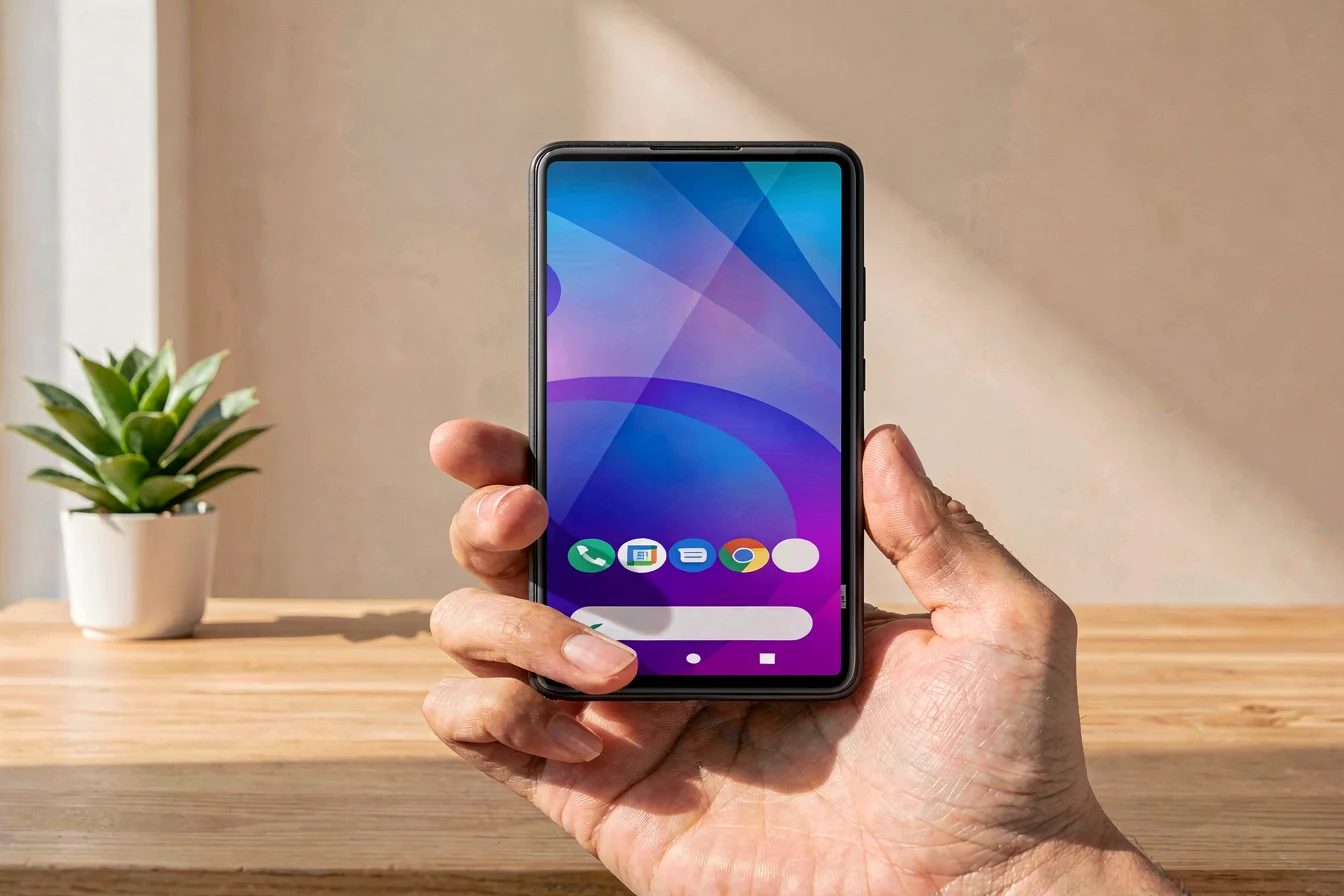
For buyers seeking advanced features and long-term reliability, the xiaomi qin 2 outperforms the xiaomi qin with a larger screen, more memory, and superior battery life. Google Trends data shows the Qin 2 Pro variant consistently outpaces the standard Xiaomi Qin in search interest, reflecting stronger market momentum[1]. Buyers should prioritize the Qin 2 for demanding use cases, while the Xiaomi Qin suits basic feature phone needs.

The xiaomi qin 2 targets buyers needing more screen size, RAM, and storage, while the xiaomi qin is ideal for minimalistic feature phone users. The Qin 2 Pro offers a 5-inch display, 2GB RAM, 64GB storage, and a 2100 mAh battery, making it suitable for light smartphone tasks[3][4]. The Xiaomi Qin, with a 2.8-inch screen, 8MB RAM, and 16MB storage, is best for voice and SMS-only usage. Procurement urgency is high, as buyers increasingly demand larger screens and more memory for social apps and basic multitasking, especially in emerging markets.
Technological innovation in the Qin 2 includes USB-C, quad-core processor, and support for 4G networks, while the Xiaomi Qin remains a basic feature phone with limited software flexibility. Key pain points for both include bloatware and inconsistent software updates; however, the Qin 2 Pro’s higher specs allow for more customization via third-party OSes like Dumbdroid[8][14].
| Feature | Xiaomi Qin 2 | Xiaomi Qin |
|---|---|---|
| Display Size | 5 inches | 2.8 inches |
| RAM | 2 GB | 8 MB |
| Storage | 64 GB | 16 MB |
| Battery | 2100 mAh | 1480 mAh |
| Network Support | 4G, Dual Sim | GSM, Dual Sim |
| Price (India) | ₹9,990 | ₹1,799 |
| OS | Android 9 | Nucleus |
The Xiaomi Qin 2’s superior hardware and connectivity make it the logical choice for buyers needing more advanced functionality, while the Xiaomi Qin remains best for ultra-basic, low-cost use cases.
Durability is critical in feature phones, with buyers prioritizing battery life, build quality, and software longevity. The xiaomi qin 2 offers a 2100 mAh battery and plastic body, while the xiaomi qin has a 1480 mAh battery and lightweight build. Application scenarios: the Qin 2 Pro is ideal for light smartphone tasks—social media, messaging, and basic apps—while the Xiaomi Qin is best for SMS, voice, and emergency use. Long-term cost includes initial price, maintenance, and replacement frequency.
Buyers should consider the 5-year cost outlook: the Qin 2 Pro’s higher upfront cost is offset by longer battery life and less frequent upgrades, whereas the Xiaomi Qin’s low price may lead to more frequent replacements. Hidden costs include software bloatware, potential privacy concerns, and app compatibility issues[9][12].
| Cost Factor | Xiaomi Qin 2 | Xiaomi Qin |
|---|---|---|
| Initial Purchase Price | ₹9,990 | ₹1,799 |
| Maintenance (5 years) | Low (software tweaks, battery replacement) | Low (minimal maintenance) |
| Replacement Frequency | Rare (due to robust specs) | Frequent (limited lifespan) |
| Hidden Costs | Bloatware, privacy concerns | Minimal |
| Total 5-Year Cost | ₹10,500–₹11,000 | ₹2,000–₹3,000 |
Long-term value favors the Xiaomi Qin 2 for buyers needing advanced features and fewer replacements, despite its higher upfront cost.
The xiaomi qin 2 and xiaomi qin cater to distinct user segments, with the Qin 2 Pro excelling in emerging markets where larger screens, app support, and connectivity are essential. The Xiaomi Qin appeals to cost-sensitive buyers needing only voice and SMS. Market urgency is driven by urbanization and rising smartphone app usage, with buyers shifting toward devices that offer basic smartphone features at low cost.
Google Trends data shows the xiaomi qin 2 pro consistently outpaces the xiaomi qin in search interest, peaking at 82 vs. 40 in late 2025[1]. This indicates stronger consumer intent for upgraded models, especially as app usage and social media penetration rise. Actionable recommendation: buyers should prioritize sourcing upgraded variants as demand shifts toward larger screens and higher memory.
Search Interest over Time
Search momentum for the Xiaomi Qin 2 Pro confirms growing demand for upgraded models, with buyers favoring larger screens and advanced features.
Reddit and TikTok discussions reveal mixed sentiment for Xiaomi devices, with buyers praising hardware but criticizing bloatware, ads, and inconsistent software. Case studies highlight real-world outcomes for different buyer personas:
Case Study 1: Xiaomi Qin 2 Pro Buyer (Reddit, r/dumbphones)
A European buyer daily drives the xiaomi qin 2 pro for 6 months, using it for social media, messaging, and basic apps. The buyer notes that the small screen and T9 keyboard reduce smartphone dependency, and recommends the device for those seeking a smartphone alternative. However, the buyer mentions privacy concerns and the need for custom OSes like Dumbdroid to remove bloatware[10][14].
“Great/best alternative for a smartphone. The small screen and T9 keyboard WILL make you use it drastically less than a normal smartphone. It still is very usable and can do pretty much anything a normal smartphone will do. Definitely recommend it if you're in the market for a dumbphone/alternative to a smartphone and live in Europe.” [10]
Case Study 2: Xiaomi Qin Buyer (Reddit, r/TechNook)
A GenZ buyer transitions from iPhones to xiaomi qin for basic use, noting that Xiaomi hardware is “good” but software is “inconsistent,” with bloatware and ads as recurring complaints. The buyer recommends disabling ads and bloatware for a smoother experience, but cautions that updates and app compatibility are hit or miss[9][12].
“Every time I try a Xiaomi phone, I'm impressed by the hardware. Good screen, strong specs, battery is usually solid, cameras are decent for the price too. But the software side always feels a bit messy... the amount of bloatware. You set up the phone and there’s already a bunch of random apps you didn’t ask for.” [9]
| Dimension | Xiaomi Qin 2 | Xiaomi Qin |
|---|---|---|
| Overall Satisfaction | Moderate–High (hardware praised, software criticized) | Low–Moderate (basic use, privacy concerns) |
| Most Praised Feature | Large screen, app support | Low price, simplicity |
| Most Common Complaint | Bloatware, ads, privacy issues | Limited functionality, short lifespan |
| Community Recommendation Rate | High for advanced use, moderate for privacy | Low for advanced use, moderate for basic needs |
Viral content themes: buyers debate privacy, app customization, and software bloatware. Cultural reception is mixed—hardware is praised, but software is a recurring pain point. Buyers in Europe and Asia recommend the Xiaomi Qin 2 Pro for smartphone alternatives and privacy, while the Xiaomi Qin appeals to budget buyers and minimalists.
User sentiment favors the Xiaomi Qin 2 for advanced use and privacy, but buyers should expect software bloatware and prioritize app customization.
Buyers should identify their core needs through the following checklist:
Tiered recommendations:
| Tier | Recommended Product | Key Reason |
|---|---|---|
| Budget-Friendly | Xiaomi Qin | Lowest price, basic voice/SMS use |
| Mid-Range | Xiaomi Qin 2 Pro | Better screen, RAM, and app support |
| Premium | Xiaomi Qin 2 Pro (with custom OS) | Privacy, customization, advanced features |
Optimization tips:
Buyers should prioritize the Xiaomi Qin 2 for advanced use and future-proofing, while the Xiaomi Qin suits ultra-budget needs.
Key insights: demand for upgraded feature phones with larger screens and more memory is rising, driven by app usage and privacy concerns. The Xiaomi Qin 2 Pro is the preferred choice for buyers seeking advanced functionality, while the Xiaomi Qin remains viable for basic voice/SMS use. Forward-looking recommendation: buyers should prioritize sourcing upgraded models, customize OS for privacy, and monitor regional trends for optimal procurement timing.
Confident buyers should share their experiences online to inform the community, while commercial buyers should source from Alibaba.com for bulk procurement, leveraging platform discounts and OEM/ODM support.