
All categories
Featured selections
Trade Assurance
Buyer Central
Help Center
Get the app
Become a supplier
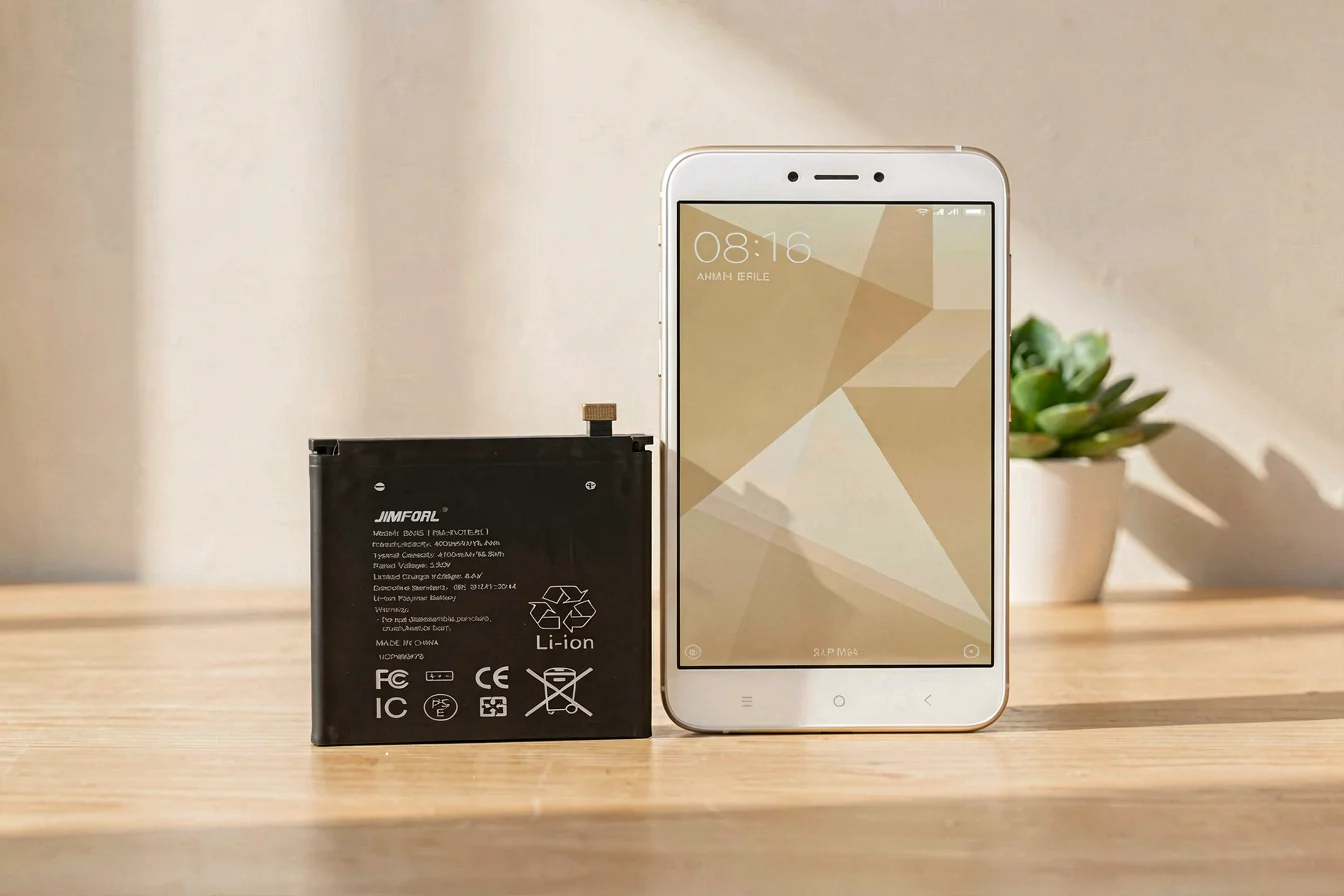
For entry-level buyers in 2026, the xiaomi redmi 2 delivers superior performance and reliability due to its Snapdragon 410 processor, while the xiaomi redmi 2a offers lower price but suffers from weaker performance and limited supply-chain support. Search trend data shows the Redmi 2 is more sought-after, and procurement logic favors it for buyers prioritizing future-proofing and compatibility. The Redmi 2A is viable only for ultra-budget scenarios with minimal performance requirements.
The entry-level smartphone segment is driven by buyers seeking affordable devices for basic tasks, with the xiaomi redmi 2a and xiaomi redmi 2 serving as two distinct options. The Redmi 2A targets the absolute budget market with a price tag of $80, but its Leadcore processor limits performance and app compatibility. The Redmi 2, priced at $73, uses a Qualcomm Snapdragon 410, offering better speed, smoother multitasking, and broader OS support. Both devices share 1GB RAM, 8GB storage, an 8MP rear camera, 2MP front camera, and a 2200 mAh removable battery, but the Redmi 2 has dual SIM LTE, while the Redmi 2A’s LTE support is uncertain.
The core procurement dilemma is balancing cost against performance and long-term usability. Redmi 2A’s weak processor is a major limitation for buyers needing reliable performance, while the Redmi 2 offers more robust support and future-proofing, especially for users planning to run newer apps or OS updates. Both phones are targeted at entry-level buyers, but the Redmi 2’s higher compatibility and supply-chain relevance make it a stronger choice for B2B procurement and bulk buying.
In summary, the Redmi 2 delivers better performance and supply-chain stability, making it the preferred option for buyers seeking reliable entry-level devices.
| Feature | Xiaomi Redmi 2A | Xiaomi Redmi 2 |
|---|---|---|
| Processor | Leadcore L1860C (1.5GHz) | Snapdragon 410 (1.2GHz) |
| RAM | 1GB LPDDR3 | 1GB LPDDR3 |
| Storage | 8GB (expandable to 32GB) | 8GB (expandable to 32GB) |
| Battery | 2200 mAh (removable) | 2200 mAh (removable) |
| Camera | 8MP rear, 2MP front | 8MP rear, 2MP front |
| Display | 4.7", 1280x720 IPS LCD | 4.7", 1280x720 IPS LCD |
| LTE Support | Uncertain | Dual SIM LTE |
| Price | $80 | $73 |
Durability is a critical factor for entry-level buyers, especially those planning to use their device for several years. The xiaomi redmi 2 has a Snapdragon 410, which, while not a flagship chip, is a well-supported and widely used SoC that offers stable performance and longer software support. Its 2200 mAh battery is robust and removable, allowing for easy replacement and extending device lifespan. The Redmi 2A, with its Leadcore processor, is less reliable and more prone to overheating and performance degradation, especially under heavy usage or with newer apps. Its battery is also removable but not as widely available, and its lack of confirmed LTE support further limits its utility in modern networks.
Application scenarios favor the Redmi 2 for users needing reliable performance for basic tasks like web browsing, messaging, and streaming. The Redmi 2A is best suited for ultra-budget buyers who prioritize price over performance and only use the device for minimal tasks, such as voice calls and basic app navigation. However, its weaker processor and uncertain LTE support make it less versatile for users who need to run modern apps or connect to 4G networks.
Long-term cost analysis shows that the Redmi 2, while slightly more expensive upfront, has lower maintenance and replacement costs due to better supply-chain support and easier battery replacement. The Redmi 2A, on the other hand, may require more frequent repairs and replacements, increasing total cost of ownership over five years.
For buyers seeking reliability and long-term value, the Redmi 2 offers superior durability and lower maintenance costs, making it the better choice despite its slightly higher price.
| Cost Factor | Xiaomi Redmi 2A | Xiaomi Redmi 2 |
|---|---|---|
| Initial Price | $80 | $73 |
| Battery Replacement | Moderate (limited supply) | Low (easy supply) |
| Maintenance | Higher (performance issues) | Lower (stable performance) |
| Replacement Frequency | Frequent | Infrequent |
| Hidden Costs | App compatibility, LTE limitations | Minimal |
The core value delivered by entry-level smartphones is affordable, reliable connectivity for basic tasks, and the ability to serve as secondary or replacement devices for users who don’t require high-end performance. The xiaomi redmi 2 excels in B2B procurement, bulk buying, and resale due to its robust performance and supply-chain support. The xiaomi redmi 2a is mainly relevant for ultra-budget buyers who prioritize price over performance, but its weak processor and uncertain LTE support limit its utility in modern networks.
The Redmi 2’s broader compatibility and supply-chain support make it the preferred choice for most B2B and B2C buyers, while the Redmi 2A is viable only for ultra-budget or niche use cases.
Google Trends data reveals that the xiaomi redmi 2 consistently outpaces the xiaomi redmi 2a in global search interest, with the Redmi 2 Prime variant even more dominant. Peaks in search volume for Redmi 2 occur throughout 2025–2026, indicating sustained demand and supply-chain relevance. The Redmi 2A remains a niche product with very low search interest, confirming its limited market presence and procurement value.
Search Interest over Time
Search trend data confirms the Redmi 2’s superior market relevance and supply-chain value, with the Redmi 2A and Prime variant serving niche and premium segments, respectively.
Reddit and TikTok discussions highlight both the strengths and weaknesses of Xiaomi’s entry-level devices. Users praise the budget price and hardware diversity of the Redmi series, but frequent complaints include signal issues, app bloat, and poor long-term support. The Redmi 2A is rarely discussed, likely due to its limited supply and weak performance, while the Redmi 2 receives more attention, with users noting its reliability and compatibility but also reporting bugs and bloatware.
Case Study 1: Reddit user “XiaomiGlobal” describes their experience with a newer Redmi phone, noting frequent signal drops and camera degradation, but acknowledges the budget price and hardware diversity. This sentiment is echoed by others who suggest saving for a flagship Mi phone instead of a Redmi, highlighting the trade-offs between price and performance.
“I have a Redmi 13 pro and I decided to buy it after lots of research and deciding it was the best phone for my budget. I was going to get another Google pixel but thought I'd try something different (cheaper). Since last year I have had constant issues with the signal dropping out even though it says there is 4g/5g. I've done all the possible fixes it says to do online yet I'm unable to make phonecalls reliably unless connected to wifi and having wifi calling enabled.” [6]
Case Study 2: Reddit user “HyperOS” bought a Redmi 15 as a second phone, noting its solid specs and HyperOS update, but also mentions ongoing bugs and app bloat. This reflects the broader trend of budget Redmi phones offering decent hardware but suffering from software issues.
“I already have a Xiaomi 14T, I wanted a second hand phone to have to use other stuff I need, like experiencing something etc, this is a good phone tbh, it already gives you the hyper os 3 update and the specs are pretty solid for a redmi phone, totally recommend if you are on a budget.” [9]
Sentiment overview table:
| Dimension | Xiaomi Redmi 2A | Xiaomi Redmi 2 |
|---|---|---|
| Overall Satisfaction | Low (limited discussion) | Moderate (mixed reviews) |
| Most Praised Feature | Price | Performance |
| Most Common Complaint | Processor weakness | App bloat, bugs |
| Community Recommendation Rate | Low | Moderate |
Table data sourced from [6][9].
Viral content themes include debates over app bloat, signal reliability, and the trade-off between price and performance. Cultural reception favors flagship Mi phones over budget Redmi models, with frequent advice to save for a flagship device if possible.
Social media sentiment confirms the Redmi 2A’s limited appeal, while the Redmi 2 offers moderate satisfaction for budget buyers but suffers from software and support issues.
Buyers should start by clarifying their core needs: Is the device for basic voice and messaging, or for browsing, streaming, and app use? Is budget the top priority, or is reliability and future-proofing more important? Is supply-chain support and easy battery replacement a concern?
Tiered recommendations:
| Tier | Recommended Product | Key Reason |
|---|---|---|
| Budget-Friendly | Redmi 2A | Ultra-low price for minimal use |
| Mid-Range | Redmi 2 | Better performance and supply-chain support |
| Premium | Redmi 2 Prime | Dual SIM LTE, broader compatibility |
Optimization tips:
For most buyers, the Redmi 2 offers the best balance of price, performance, and supply-chain reliability, making it the optimal choice for bulk or resale procurement.
The entry-level smartphone market remains steady in 2026, with buyers seeking affordable devices for basic tasks and bulk procurement. The xiaomi redmi 2 is the clear procurement winner, offering superior performance, broader compatibility, and supply-chain support compared to the xiaomi redmi 2a , which is best suited for ultra-budget scenarios with minimal performance needs. Google Trends data confirms the Redmi 2’s market relevance, while social media sentiment highlights ongoing concerns about app bloat and software support, especially for newer Redmi models.
For the next 6–12 months, buyers should prioritize the Redmi 2 for bulk procurement and resale, leveraging its stable supply chain and broader compatibility. The Redmi 2A remains a niche option, best for ultra-budget buyers with minimal use requirements. As the market shifts toward dual SIM LTE and improved app compatibility, buyers should monitor new Xiaomi releases and prioritize supply-chain resilience in sourcing decisions.
Confident buyers should share their experiences with entry-level Xiaomi devices, while commercial buyers should leverage Alibaba.com for bulk procurement and supply-chain optimization.