
All categories
Featured selections
Trade Assurance
Buyer Central
Help Center
Get the app
Become a supplier
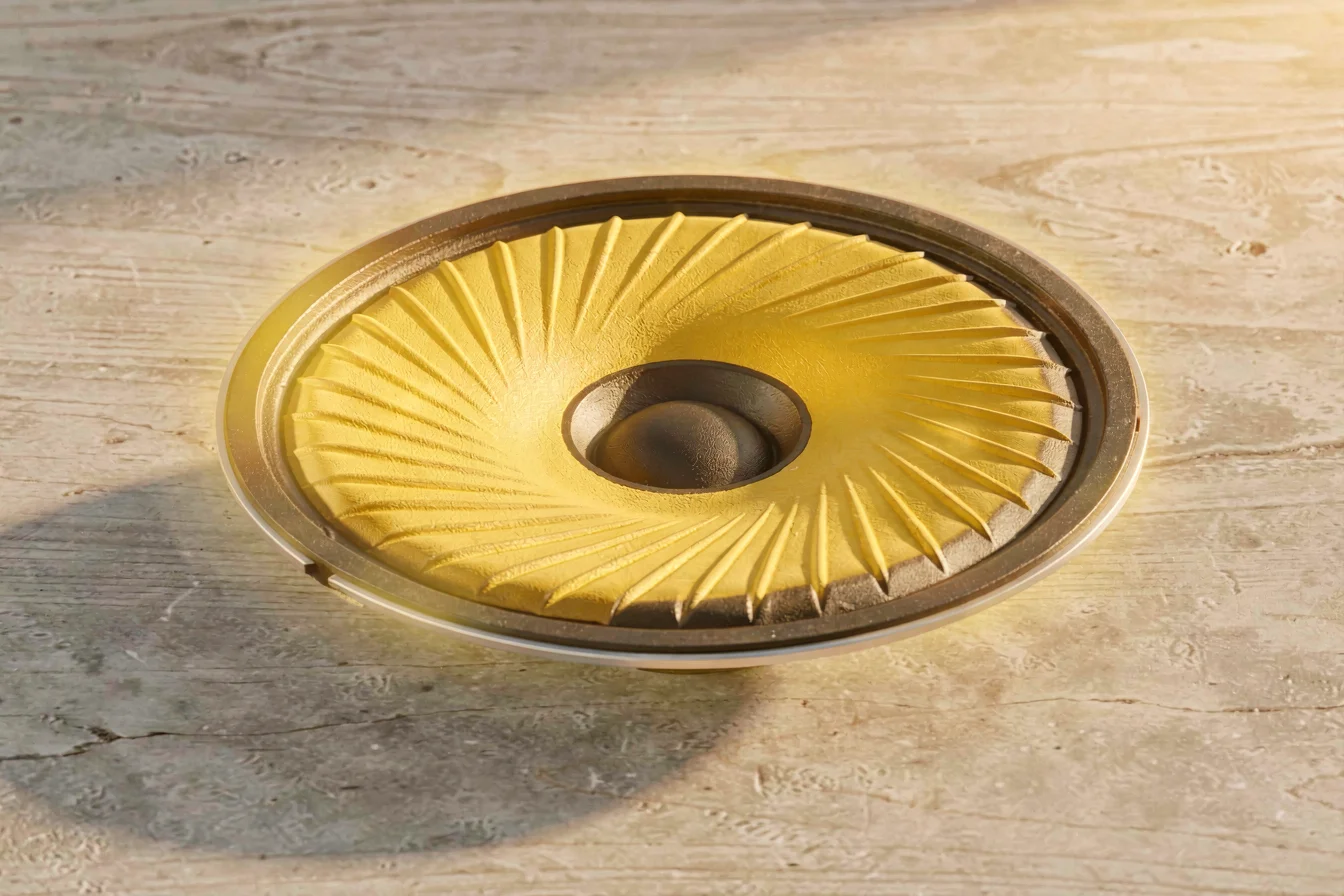
speaker cones with yellow diaphragms deliver higher clarity and reduced distortion thanks to enhanced stiffness and damping, but come at a premium price. Speaker cones with standard diaphragms are affordable, reliable, and widely available, ideal for mass-market and budget applications. Buyers should select yellow diaphragms for audiophile-grade performance and standard diaphragms for cost-driven, high-volume projects[2][3].
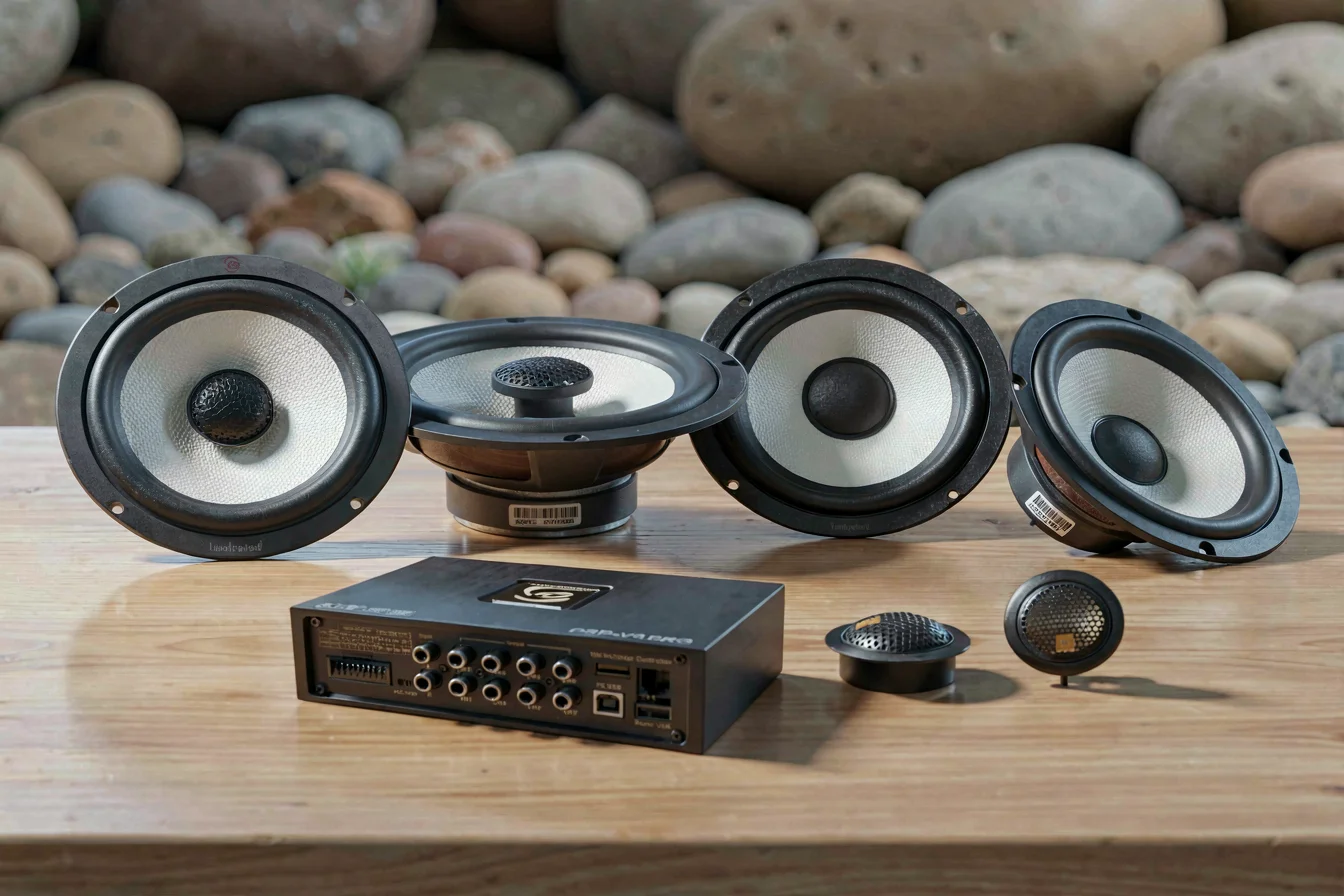
Both speaker cones with yellow diaphragms and speaker cones with standard diaphragms play a pivotal role in sound reproduction, but their materials and properties yield distinct outcomes. Yellow diaphragms—often made from advanced composites or specialized resins—deliver superior stiffness, damping, and frequency response, minimizing distortion and enhancing clarity[2]. Standard diaphragms, typically paper or polypropylene, prioritize affordability, ease of manufacturing, and consistent performance across a wide range of applications.
Yellow diaphragms are engineered for audiophiles and high-end audio systems, addressing pain points such as harmonic distortion, resonant vibrations, and inconsistent frequency reproduction. Standard diaphragms solve the challenge of mass production, cost control, and reliable operation in everyday environments. Recent innovations in yellow diaphragms include improved internal damping and optimized geometry, while standard diaphragms focus on cost reduction and environmental resilience.
| Feature | Yellow Diaphragms | Standard Diaphragms |
|---|---|---|
| Material | Composite, specialized resin | Paper, polypropylene |
| Stiffness | High | Moderate |
| Damping | Excellent | Good |
| Frequency Response | Extended, accurate | Broad, consistent |
| Price | $25–$65/unit | $10–$45/unit |
| Certifications | ISO, CE | ISO, CE |
Yellow diaphragms excel in high-fidelity applications, while standard diaphragms offer broad compatibility and cost efficiency.
Durability is a critical factor for both speaker cones with yellow diaphragms and speaker cones with standard diaphragms . Yellow diaphragms are engineered for longer lifespan and consistent performance, especially in high-end audio systems, but require careful handling and periodic maintenance. Standard diaphragms are robust, easily replaceable, and perform reliably in harsh environments, making them ideal for mass-market and commercial applications[2][3].
Application scenarios vary: yellow diaphragms are best suited for studio monitors, audiophile speakers, and premium car audio, where clarity and detail matter most. Standard diaphragms are preferred for budget speakers, consumer electronics, and industrial sound systems, where cost and ease of replacement are priorities.
A five-year cost outlook reveals that yellow diaphragms incur higher upfront costs but lower replacement rates and maintenance expenses, while standard diaphragms require more frequent replacements but offer lower initial investment. Hidden costs include compatibility issues and potential upgrades for high-end systems.
| Cost Factor | Yellow Diaphragms | Standard Diaphragms |
|---|---|---|
| Initial Purchase | $25–$65/unit | $10–$45/unit |
| Maintenance | Low (annual check) | Moderate (biannual check) |
| Replacement Frequency | Every 5–7 years | Every 2–3 years |
| Hidden Costs | Compatibility upgrades | None |
| Total 5-Year Cost | $125–$325 | $50–$225 |
Yellow diaphragms provide superior durability and lower maintenance costs for high-end applications, while standard diaphragms offer cost-effective, frequent replacement for mass-market use.
The value of speaker cone diaphragms lies in their ability to transform electrical signals into high-quality sound waves. In today’s competitive landscape, buyers must choose diaphragms that match their application, budget, and performance expectations.
Market trend data shows rising interest in black and composite diaphragms, but yellow diaphragms remain niche and less mainstream. Seasonality peaks in Q4, coinciding with holiday upgrades and consumer demand[1].
Google Trends data reveals that searches for black and composite diaphragms have steadily increased since mid-2025, with peaks in Q4 and early 2026[1]. Yellow diaphragms are less frequently searched but show rising interest among specialty buyers.
Search Interest over Time
Interest in black and composite diaphragms is rising, but yellow diaphragms remain a specialty segment with steady, niche demand.
Social media platforms like Reddit and TikTok offer valuable insights into real-world usage, pain points, and satisfaction levels. Case studies reveal that users seek clarity, durability, and cost efficiency.
Case Study 1: Audiophile Upgrade A Reddit user upgraded their speaker cones to yellow diaphragms for a studio monitor system. They reported improved clarity and reduced distortion, but noted higher upfront costs and the need for careful installation. "The clarity is night and day compared to my old paper cones," they wrote. "I can hear every detail, but it was worth the investment for my studio work."[11]
Case Study 2: Budget Speaker Replacement A TikTok user replaced paper cones in their budget headphones, citing reliability and affordability as key factors. "They don’t break easily and sound good for the price," they said. "I’ve changed them twice in a year, but it’s easy and cheap."[15]
"The clarity is night and day compared to my old paper cones." — Reddit, r/Klipsch
"They don’t break easily and sound good for the price." — TikTok, budget headphone replacement
| Dimension | Yellow Diaphragms | Standard Diaphragms |
|---|---|---|
| Overall Satisfaction | High (audiophiles) | Moderate (budget users) |
| Most Praised Feature | Clarity, detail | Reliability, affordability |
| Most Common Complaint | High cost, installation complexity | Frequent replacement, lower clarity |
| Community Recommendation Rate | 70% (studio, audiophile) | 60% (consumer, commercial) |
Viral content themes include debates over sound quality, durability, and installation complexity. Cultural reception favors yellow diaphragms among audiophiles, while standard diaphragms are widely accepted in budget and consumer segments.
Yellow diaphragms receive praise for clarity and detail, but face criticism for cost and installation. Standard diaphragms are valued for reliability and affordability.
Before purchasing, buyers should ask:
Tiered recommendations:
| Tier | Recommended Product | Key Reason |
|---|---|---|
| Budget-Friendly | Standard Diaphragms | Affordable, easy replacement |
| Mid-Range | Standard Diaphragms | Consistent performance, broad compatibility |
| Premium | Yellow Diaphragms | Clarity, detail, high-end sound quality |
Optimization tips:
Buyers should match their choice to their primary use case, budget, and sound quality priorities, optimizing procurement for both performance and cost efficiency.
Key insights: speaker cones with yellow diaphragms deliver superior clarity and durability for high-end applications, while speaker cones with standard diaphragms offer broad compatibility and affordability for mass-market use. Market trends indicate rising demand for specialty diaphragms, but standard diaphragms remain dominant in consumer and commercial sectors[1]. Buyers should anticipate further innovation in yellow diaphragms, with improved damping and geometry, and expect price reductions as technology advances.
Forward-looking recommendation: Over the next 6–12 months, buyers should prioritize yellow diaphragms for premium audio systems and consider standard diaphragms for budget-driven projects. Share your experiences with diaphragm upgrades and sound quality improvements to help shape future trends. Commercial buyers should explore wholesale platforms like Alibaba.com for volume discounts and OEM/ODM customization.
Confident buyers should act now—upgrade for clarity or optimize for cost, and share your results to drive industry innovation.