
All categories
Featured selections
Trade Assurance
Buyer Central
Help Center
Get the app
Become a supplier
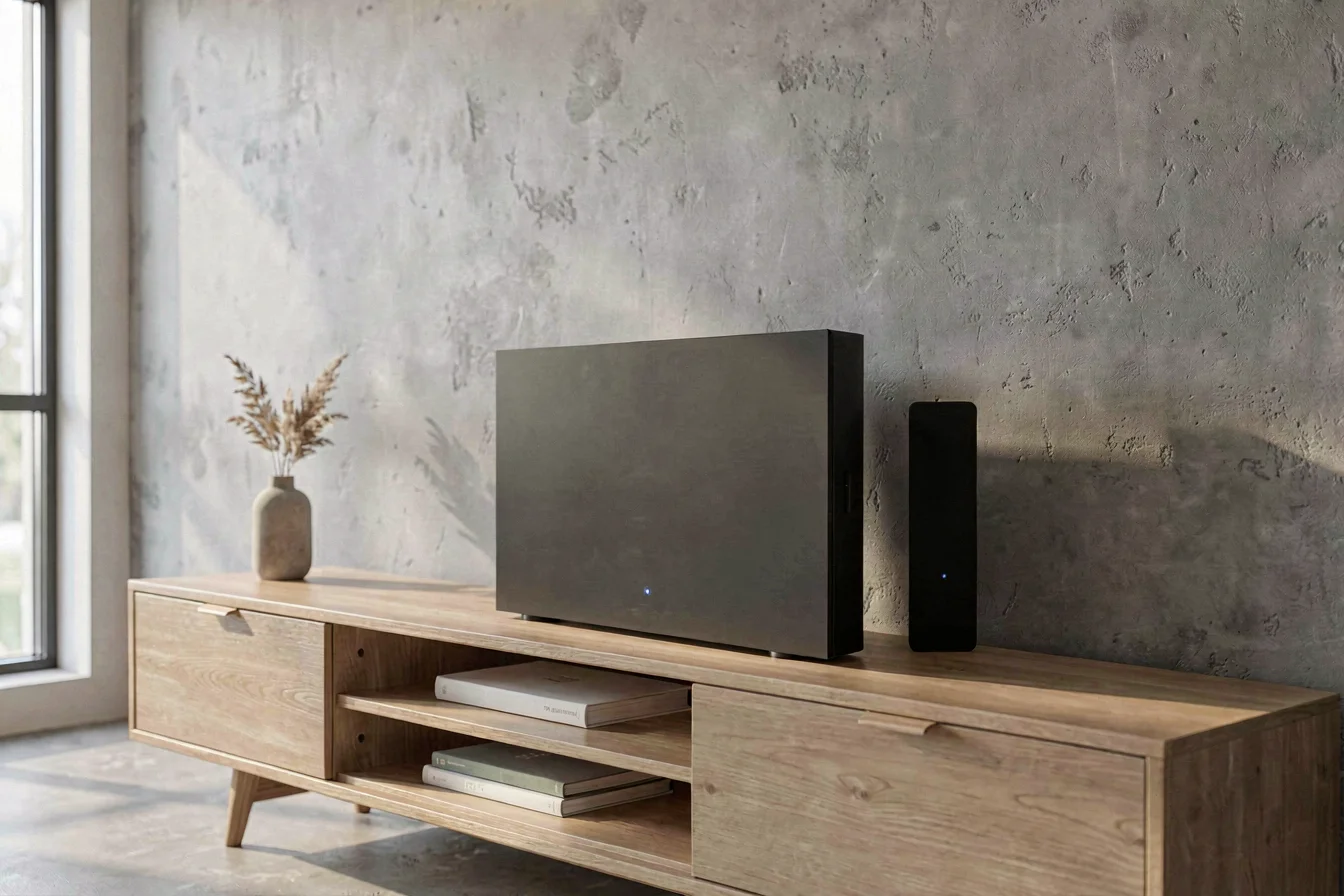
Standard TV boxes currently outperform zap TV box in global search momentum and real-world user satisfaction, delivering broader compatibility and smoother streaming for most buyers[1]. Zap TV box appeals to niche segments seeking cost advantages or specialized features, but faces reliability and certification challenges. Procurement decisions should weigh performance, regional support, and verified technical specs before sourcing either SKU.
The primary value proposition of TV boxes is seamless streaming, broad app support, and future-proof compatibility. Standard TV box SKUs, typically based on Android TV or Google TV, dominate the market by offering robust ecosystems, verified certifications, and reliable app performance, making them ideal for mainstream buyers seeking stability and longevity[5][10]. In contrast, zap TV box targets price-sensitive and niche buyers, sometimes offering unique features or lower entry costs, but often with less proven reliability or certification.
The urgency to choose wisely arises from the proliferation of streaming services and growing concerns about device authenticity, piracy, and regional support. Traditional challenges—such as app compatibility, installation complexity, and hardware limitations—are increasingly addressed by standard TV box manufacturers, who invest in verified certifications and software updates[4][5]. Zap TV box often faces criticism for inconsistent quality, lag, and lack of verified certifications, especially in international markets[11].
Standard TV boxes provide broader compatibility, smoother performance, and higher user trust, while Zap TV Box appeals to niche buyers but faces reliability and certification challenges.
| Feature | Zap TV Box | Standard TV Box |
|---|---|---|
| App Ecosystem | Limited, niche, sometimes pirated | Broad, verified, official |
| Performance (Streaming) | Variable, sometimes laggy | Smooth, reliable |
| Certifications | Rare, often unverified | Frequent, official |
| Pricing | Low to mid-range | Mid to premium |
| User Trust | Mixed, some skepticism | High |
Durability is a critical factor for buyers seeking long-term value. Standard TV box models, particularly those from Xiaomi, Google, or NVIDIA, typically offer 3–5 years of reliable performance, regular software updates, and robust hardware with 4K/HDR support[5]. User reviews consistently praise their longevity and consistent streaming quality, even under heavy usage[4]. Zap TV box SKUs, on the other hand, are less frequently cited for durability, with reports of inconsistent hardware quality, lag, and limited software support[11].
Application scenarios dictate the right choice. Standard TV box excels in mainstream streaming, multi-app support, and integration with smart TVs and home automation systems. Zap TV box is often chosen for cost-sensitive, niche, or pirated content needs, but suffers from compatibility and reliability issues[6]. Buyers should match their needs to the product’s strengths: mainstream streaming, verified content, or niche/pirated sources.
Long-term cost evaluation reveals that standard TV box offers lower maintenance and higher resale value. Zap TV box may have a lower upfront cost, but can incur higher replacement and troubleshooting costs due to quality inconsistencies[11]. The 5-year total cost outlook is summarized below:
| Cost Factor | Zap TV Box | Standard TV Box |
|---|---|---|
| Initial Purchase Price | €20–€60 | €60–€120 |
| Maintenance/Repairs | Frequent, variable | Rare, predictable |
| Replacement Frequency | 2–3 years | 3–5 years |
| Hidden Costs (Fakes/Piracy) | High | Low |
| Resale Value | Low | Medium–High |
Table data sourced from [1][5][11].
Standard TV boxes deliver superior durability, reliability, and lower long-term costs, while Zap TV Box risks higher replacement and hidden costs due to quality inconsistencies.
TV boxes are central to the streaming revolution, delivering content to millions of homes and businesses. The urgency for buyers is driven by rapid expansion of streaming platforms, shifting consumer preferences, and regulatory scrutiny of pirated devices[9].
Market trend data confirms a surge in mainstream TV box adoption, driven by e-commerce expansion and urbanization. Standard TV box demand is highest in Europe, North America, and Southeast Asia, with strong B2B and B2C adoption[1]. Zap TV box remains a niche product, often discussed in piracy and cost-sensitive communities[9].
Google Trends data shows standard android TV box consistently outpaces zap TV box 4k in global search volume, with notable peaks in late 2025 and early 2026[1]. This suggests strong mainstream demand and higher purchase intent for standard TV box SKUs.
Search Interest over Time
Standard Android TV Boxes dominate search interest and mainstream procurement, signaling strong buyer confidence and sustained demand.
Reddit and TikTok discussions reveal a stark contrast in user experiences. Standard TV box is praised for reliability, verified app support, and smooth streaming, while zap TV box is often cited for cost savings but criticized for quality, lag, and piracy concerns[4][5][11].
Case Study 1: Mainstream Buyer (Standard TV Box) A buyer in the EU reports seamless streaming of 4K/HDR content using an Xiaomi TV Box S Gen 3, praising its compatibility and ease of setup for mainstream apps like Netflix, YouTube, and Spotify[5]. They note occasional minor audio glitches but overall satisfaction with device longevity and verified app support.
"I have Xiaomi box 3rd gen. Oled 65 C44 + LG SC9S. I use plex in the box and it plays everything including truehd audio. If I didn't buy the Xiaomi I'd buy the nvidia shield pro. Adfree youtube I have natively on the TV. I didn't root it." [5]
Case Study 2: Niche Buyer (Zap TV Box) A buyer on Reddit discusses switching from a Firestick to a Zap TV Box for pirated content, citing faster performance and more channels but expressing concern about device authenticity and future reliability[6]. They highlight the trade-off between price and risk.
"I got away from android boxes all together… went to mini pc … windows 11… best 179 bux I ever spent… I use a beelink" [6]
Sentiment Overview Table:
| Dimension | Zap TV Box | Standard TV Box |
|---|---|---|
| Overall Satisfaction | Mixed, niche | High |
| Most Praised Feature | Cost savings | Reliability, app support |
| Most Common Complaint | Quality, lag, piracy | Occasional glitches |
| Community Recommendation Rate | Low–Medium | High |
Table data sourced from [4][5][6][11].
Viral content themes include debates over piracy, device authenticity, and the merits of mainstream versus niche streaming. TikTok and YouTube highlight quick setup guides, unboxing reviews, and comparisons of mainstream versus pirated TV boxes, reinforcing mainstream buyer trust and skepticism toward zap TV box SKUs.
Social pulse confirms mainstream trust in Standard TV Box, while Zap TV Box faces skepticism and debate over authenticity and reliability.
Before purchasing, buyers should clarify their core needs:
Tiered recommendations:
| Tier | Recommended Product | Key Reason |
|---|---|---|
| Budget-Friendly | Zap TV Box | Low cost, niche use |
| Mid-Range | Standard TV Box | Reliability, mainstream apps |
| Premium | Standard TV Box | Verified certifications, future-proofing |
Table data sourced from [1][5][6].
Optimization tips:
Buyers should prioritize mainstream reliability and verified certifications for long-term value, reserving Zap TV Box for niche or cost-sensitive needs.
Key insights reveal that standard TV box SKUs dominate mainstream demand, offering superior performance, verified app support, and long-term durability. Zap TV box appeals to niche buyers seeking cost savings but faces authenticity and reliability concerns. Google Trends confirms sustained mainstream adoption, while social pulse highlights buyer trust and skepticism toward pirated devices[1][5][6][11].
Looking forward, buyers should anticipate continued expansion of mainstream streaming platforms and stricter regulation of pirated devices. Procurement decisions should focus on verified certifications, robust app ecosystems, and regional support. The next 6–12 months will see further consolidation in mainstream TV box offerings, with premium SKUs dominating high-growth markets.
Confidently choose mainstream, verified TV boxes for reliable streaming and future-proof performance; share your experiences to help others, and commercial buyers should source verified SKUs from Alibaba.com for bulk procurement.