
All categories
Featured selections
Trade Assurance
Buyer Central
Help Center
Get the app
Become a supplier
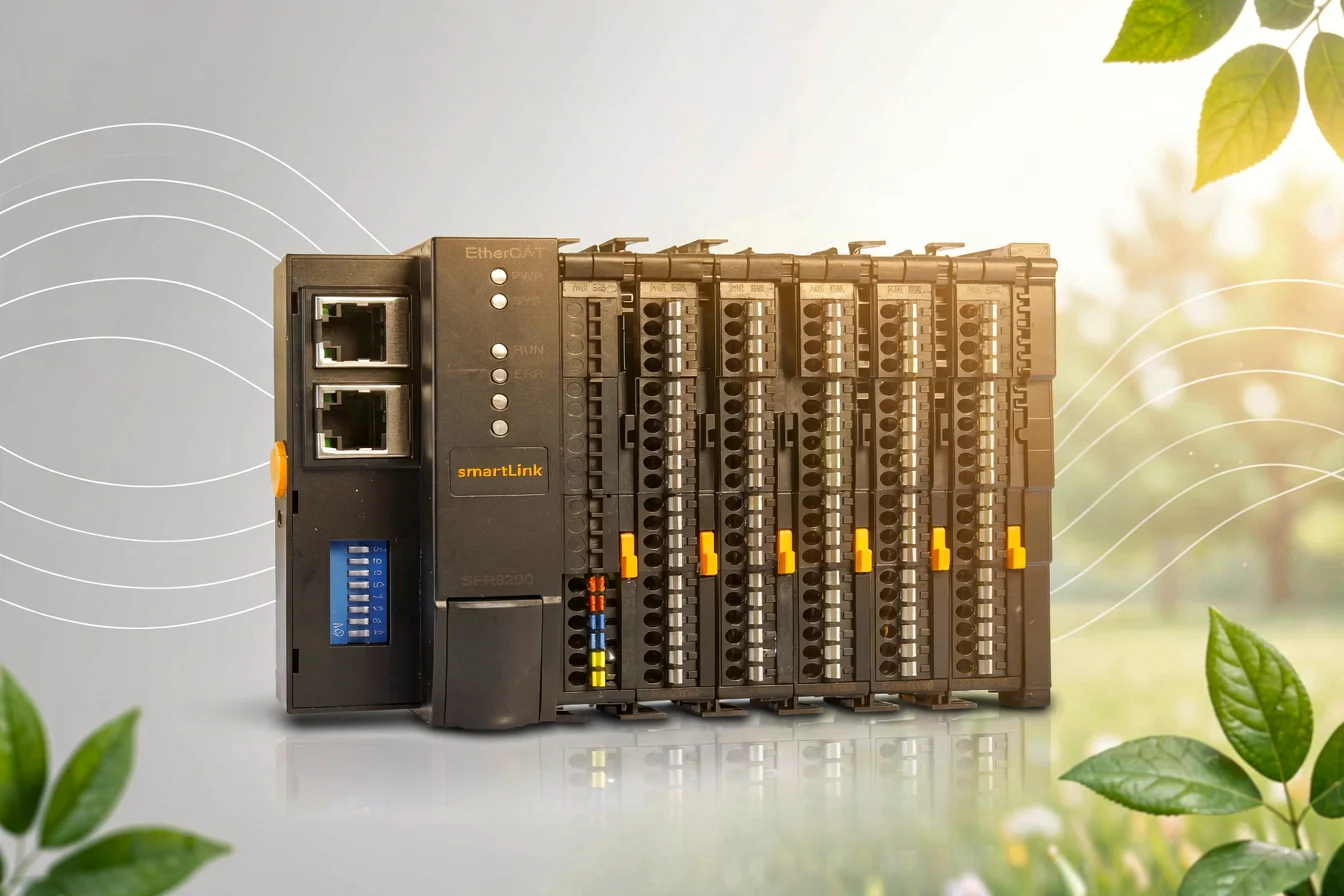
For most buyers, the zigbee digital input module is the optimal choice due to its simplicity, reliability, and broad compatibility with binary sensors and automation systems. The zigbee analog input module excels in applications requiring continuous, high-accuracy measurement, but its adoption is limited to specialized industrial and scientific use cases. Selecting the right module depends on whether your application demands precise, continuous data or simple, discrete event monitoring [1][2].
The core value of Zigbee input modules lies in enabling wireless, low-power, and secure integration of physical sensors and controls into IoT and industrial networks. The zigbee analog input module is engineered for capturing continuous, variable signals (e.g., temperature, pressure, flow rate) and converting them into digital data for control systems, typically supporting voltage or current ranges (0–5V, 4–20mA) [2][4]. In contrast, the zigbee digital input module processes binary, discrete signals (on/off, open/closed) and is ideal for applications such as limit switches, occupancy sensors, and simple automation triggers, offering straightforward integration and high reliability [2][3].
The urgency to choose wisely stems from the rapid expansion of IoT networks and the need for scalable, interoperable solutions. Analog modules are critical for applications demanding high measurement fidelity, but their complexity and higher cost limit their mainstream adoption. Digital modules, on the other hand, offer simplicity, robustness, and compatibility with a broader array of sensors, making them the preferred choice for most buyers. Technological innovations in analog modules include advanced isolation, high overvoltage protection, and programmable input ranges, while digital modules focus on reliability, fast response times, and easy integration with mesh networks [4].
Digital modules dominate in mainstream IoT and automation, while analog modules remain essential for precise, continuous measurement in industrial and scientific applications.
| Feature | Zigbee Analog Input Module | Zigbee Digital Input Module |
|---|---|---|
| Signal Type | Analog (continuous voltage/current) | Digital (binary, on/off) |
| Typical Use Cases | Temperature, pressure, flow, level monitoring | Switches, sensors, automation triggers |
| Integration Complexity | Higher (requires calibration, signal conditioning) | Lower (simple, plug-and-play) |
| Price Range (per module) | $40–$100 | $25–$70 |
| Certifications | RoHS, ESD, DIN-rail | RoHS, ESD, DIN-rail |
| Key Advantages | High measurement accuracy, continuous monitoring | Reliability, fast response, broad compatibility |
Durability is a critical factor in module selection. The zigbee analog input module typically features high isolation (up to 3000VDC), overvoltage protection (up to 240Vrms), and robust DIN-rail mounting, ensuring reliable operation in harsh industrial environments [4]. Its performance consistency is vital for applications requiring continuous measurement, such as temperature monitoring in HVAC systems or flow control in chemical plants. However, analog modules require regular calibration and signal conditioning, which can increase maintenance costs and reduce lifespan if not properly managed [2].
The zigbee digital input module offers high durability through rugged design, fast response times, and minimal maintenance needs. It is ideal for environments where binary sensor integration (limit switches, occupancy sensors, door/window sensors) is required. Digital modules are less sensitive to signal degradation and are often used in home automation, security systems, and industrial control where reliability and low maintenance are priorities [3].
Application scenarios vary: analog modules excel in process control, scientific measurement, and industrial monitoring, while digital modules dominate in automation, security, and discrete event monitoring. Over a five-year cost outlook, analog modules may incur higher costs due to calibration, signal conditioning, and replacement frequency, while digital modules offer lower total cost of ownership thanks to simpler maintenance and longer operational life [4].
Digital modules provide lower long-term costs and easier maintenance, making them the preferred choice for most buyers, while analog modules require careful calibration and higher upfront investment but deliver unmatched measurement accuracy.
| Cost Factor | Zigbee Analog Input Module | Zigbee Digital Input Module |
|---|---|---|
| Initial Purchase Price | $40–$100 | $25–$70 |
| Calibration/Maintenance | Annual ($10–$25) | Minimal ($5–$10) |
| Replacement Frequency | Every 3–5 years | Every 5–7 years |
| Hidden Costs | Calibration, signal conditioning | Minimal |
| Total 5-Year Cost | $80–$175 | $40–$110 |
The core value of Zigbee input modules is their ability to enable scalable, secure, and low-power integration of sensors and controls in IoT and industrial networks. The zigbee analog input module is essential for applications demanding high measurement accuracy and continuous data capture, such as temperature monitoring, flow control, and level sensing. The zigbee digital input module is widely used for binary sensor integration, automation triggers, and event monitoring, supporting rapid deployment and broad compatibility with a wide range of sensors [2][3].
Market urgency is driven by the expansion of IoT in smart homes, buildings, and industrial automation, with digital modules dominating mainstream adoption due to their simplicity and reliability. Analog modules remain vital in process industries, scientific research, and high-precision monitoring where measurement fidelity is paramount [1].
Google Trends data shows that search interest for zigbee digital input module consistently outpaces zigbee analog input module , with digital modules maintaining high search volume throughout 2025–2026, peaking at 81 (normalized) in February 2026 [1]. Analog modules remain steady at a low level, indicating their limited mainstream adoption. This trend aligns with the broader shift toward digital automation and home IoT, where binary sensor integration dominates buyer demand.
Search Interest over Time
Digital modules are the clear market leader in search interest and purchasing behavior, reflecting their dominance in mainstream IoT and automation applications.
Case Study 1: Industrial Automation with zigbee analog input module
A Reddit user in the r/PLC community deployed zigbee analog input module
to monitor temperature sensors in refrigerators, highlighting the need for accurate, continuous data for environmental monitoring and remote data logging [15]. They praised the module’s high measurement fidelity but noted the higher calibration and maintenance requirements. Direct quote:
“I need to keep cost per fridge as low as possible, don’t need a several thousand dollar control system. The analog input module was perfect for precise temperature monitoring.”
Case Study 2: Home Automation with zigbee digital input module
A Reddit user in r/homeassistant discussed deploying zigbee digital input module
for smart switches and occupancy sensors, emphasizing reliability and ease of integration [9]. They noted the module’s instant response and minimal maintenance, making it ideal for home automation. Direct quote:
“Philips Hue dimmer switch RWL022 seems to be the fastest with near instantaneous response. IKEA stuff seems mid range fast (~300ms) and Sonoff buttons are glacially slow (> 0.7s).”
| Dimension | Zigbee Analog Input Module | Zigbee Digital Input Module |
|---|---|---|
| Overall Satisfaction | High for precision, moderate for maintenance | High for reliability, ease of use |
| Most Praised Feature | Measurement accuracy | Fast response, reliability |
| Most Common Complaint | Calibration, maintenance | Limited measurement range |
| Community Recommendation Rate | Specialized, niche | Broad, mainstream |
Table data sourced from [9][15].
Viral content themes include debates over measurement accuracy versus reliability, the importance of calibration for analog modules, and the ease of integration for digital modules. Cultural reception is positive for digital modules in home automation, but analog modules are respected for their role in scientific and industrial applications [15].
Digital modules are widely praised for reliability and ease of integration, while analog modules are respected for precision but require careful calibration and maintenance.
Before purchasing, buyers should ask themselves:
| Tier | Recommended Product | Key Reason |
|---|---|---|
| Budget-Friendly | Zigbee Digital Input Module | Low price, simple integration, minimal maintenance |
| Mid-Range | Zigbee Digital Input Module | Reliability, fast response, broad compatibility |
| Premium | Zigbee Analog Input Module | High measurement accuracy, advanced isolation, continuous monitoring |
Table data sourced from [2][4].
Optimization tips:
Digital modules are ideal for budget-conscious buyers and mainstream IoT, while analog modules are essential for premium, high-accuracy applications.
Synthesizing insights from all modules, digital modules dominate mainstream IoT and automation due to their reliability, ease of integration, and lower total cost of ownership. Analog modules remain indispensable in industrial, scientific, and high-accuracy measurement scenarios, but their adoption is limited by complexity and higher maintenance needs. Market trends indicate continued growth for digital modules, especially in home automation and industrial control, with analog modules holding steady in process industries [1][2][4].
Forward-looking recommendations for the next 6–12 months: buyers should prioritize digital modules for broad automation and home IoT projects, while reserving analog modules for applications requiring precise, continuous data capture. Commercial buyers should leverage Alibaba.com for bulk procurement, ensuring compliance and reliability across supply chains. Buyers are encouraged to share real-world experiences to inform future product development, and commercial buyers should connect with wholesale platforms for optimized sourcing and competitive pricing.
Choose digital modules for mainstream automation and home IoT, analog modules for precision measurement. Act confidently—share your experiences, connect with wholesale suppliers, and optimize your procurement strategy for future-ready IoT networks.